Retirement isn’t about winding down—it’s about firing up a whole new chapter of life. For seniors over 60, hobbies aren’t just nice-to-haves; they’re essential ingredients for a vibrant, fulfilling retirement. Think about it: you’ve spent decades working, raising families, and meeting obligations. Now it’s your time to explore, create, learn, and connect in ways that bring you genuine joy.
The truth is, hobbies for seniors over 60 do much more than fill empty hours. They keep your mind sharp, your body moving, and your social calendar buzzing. Whether it’s tending a garden, learning a new language, or joining a walking group, the right hobby can transform your golden years from mundane to magnificent. At SilverSmart, we believe retirement should be a journey of continuous discovery—where every week brings new opportunities to explore your passions and thrive in ways you never imagined.
This article will guide you through why hobbies matter so much at this stage of life and, more importantly, how to find yours fast. No more wondering what to do with all that free time. Let’s dive into the world of possibilities waiting for you.
Why Starting Hobbies After 60 Changes Everything
Let’s be honest—starting something new can feel intimidating, especially when you’re past 60. But here’s the reality: engaging in hobbies for seniors over 60 isn’t just about passing time. It’s about actively protecting and enhancing your health, both physical and mental.
Studies consistently show that seniors who maintain regular hobbies experience reduced risks of cognitive decline. Activities that challenge your brain—like learning a musical instrument, mastering a new language, or even tackling crossword puzzles—help build cognitive reserve. This means your brain creates new neural pathways, keeping it resilient and sharp. Think of it as a workout for your mind, but way more enjoyable than any gym session.
On the physical side, hobbies that involve movement—gardening, swimming, tai chi, or even dancing—improve cardiovascular health, strengthen muscles, and enhance flexibility. Water aerobics classes, for instance, provide low-impact exercise that’s gentle on joints while delivering serious fitness benefits. One 68-year-old shared how joining a weekly swimming group not only improved her blood pressure but also gave her a reason to look forward to Monday mornings.
But perhaps the most profound impact of hobbies is emotional. Retirement can sometimes bring unexpected feelings of loss—loss of routine, purpose, or daily social interaction. Hobbies fill that void beautifully. They boost self-esteem by giving you tangible achievements (hello, finished quilt or perfectly risen sourdough bread!), reduce anxiety through focused, mindful activities, and combat loneliness by connecting you with like-minded people.
Before jumping into specific activities, take a moment to reflect. What did you enjoy as a child but never had time for? What skills have you always wanted to develop? Are you drawn to quiet, solitary pursuits or energetic group activities? Setting realistic goals is key—you don’t need to become a master painter overnight. Start with manageable commitments, consider your budget (many hobbies cost almost nothing), and think about accessibility. The best hobby is one you’ll actually stick with because it genuinely excites you.

Beginner-Friendly Hobbies Across Every Interest
The beauty of hobbies for seniors over 60 is the sheer variety available. Whatever your energy level, budget, or interests, there’s something perfect for you. Let’s explore options across different categories.
Lifelong Learning: Your brain loves novelty. Learning a new language through apps like Duolingo or taking online courses on platforms like Coursera keeps your mind engaged. Many community colleges offer free or discounted classes for seniors. History buffs might dive into genealogy research, tracing family roots through online databases—a fascinating hobby that combines detective work with personal discovery.
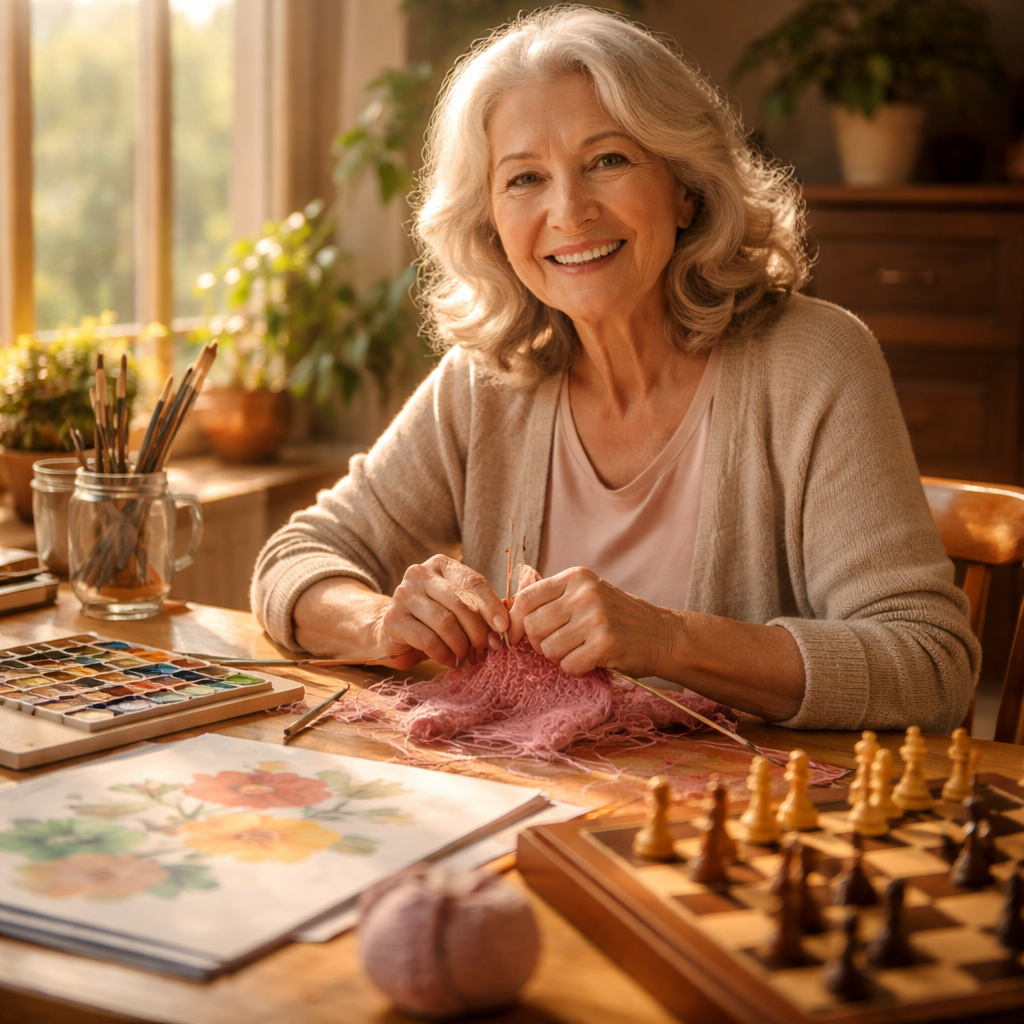
Creative Arts: Painting, drawing, and watercolor offer colorful paths to self-expression. You don’t need fancy supplies to start—basic watercolor sets are affordable, and YouTube tutorials make learning accessible. Knitting and cross-stitch provide meditative repetition that calms anxiety while creating beautiful, practical items. One retiree described quilting as “therapy with fabric,” combining creativity with the satisfaction of completing something tangible.
Physical Activities: Walking groups are perhaps the most accessible option—low-cost, social, and adaptable to your pace. Pickleball has exploded in popularity among seniors because it’s easier on joints than tennis while still providing competitive fun. Chair yoga and gentle stretching classes cater specifically to those with mobility concerns, offering health benefits without strain. Tai chi combines graceful movement with meditation, improving balance and reducing fall risk.
Social Engagement: Book clubs stimulate your mind while providing regular social interaction. Volunteering offers purpose and connection—whether it’s pushing wheelchairs at the local VA, mentoring youth, or helping at animal shelters. Joining clubs focused on your interests—photography, bird watching, model trains—connects you with enthusiasts who share your passion.
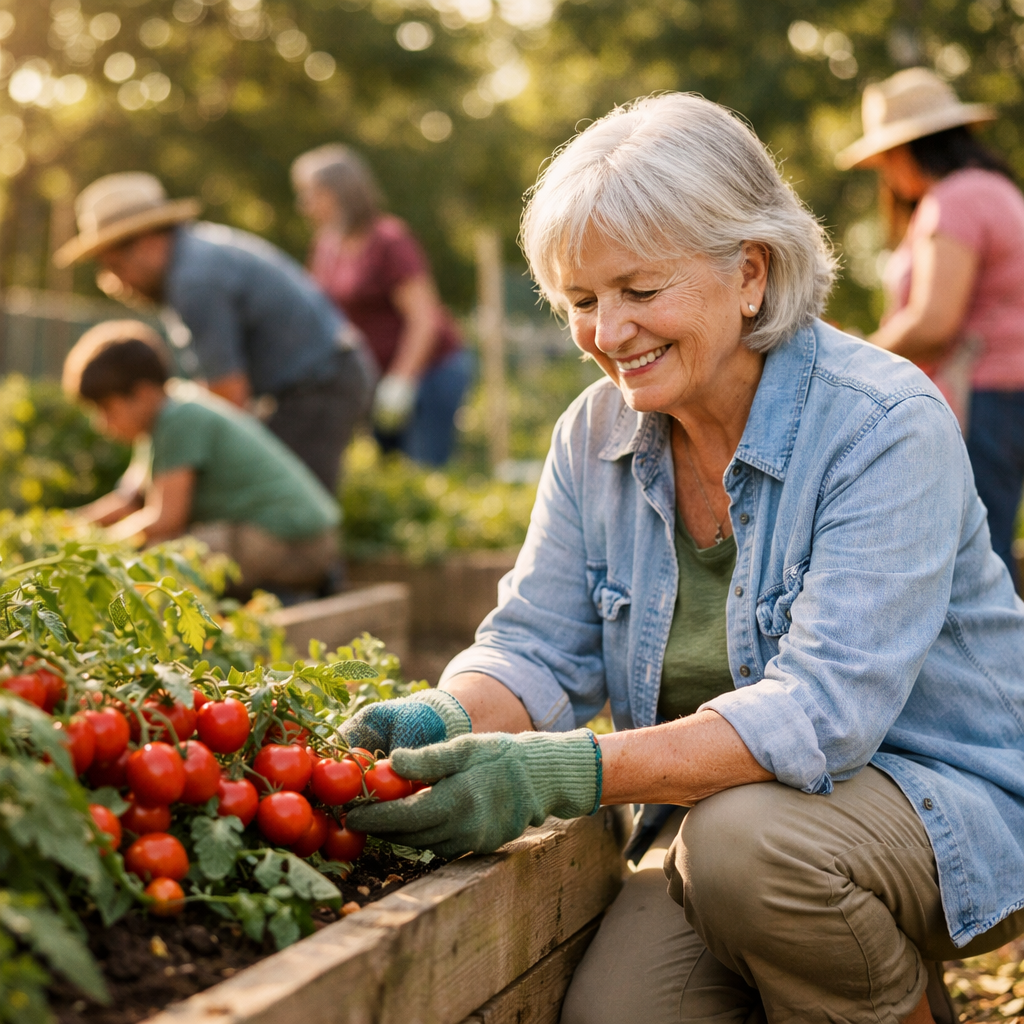
Wellness and Mindfulness: Meditation and mindfulness practices reduce stress and improve sleep quality. Many seniors discover these practices for the first time in retirement and wonder why they waited so long. Gardening, especially indoor herb gardens or raised beds for those with limited mobility, combines physical activity with the therapeutic benefits of nurturing living things.
Home-Based Hobbies: Cooking and baking allow creativity in your own kitchen. Trying new recipes from different cultures turns meals into adventures. Writing—whether journaling, poetry, or even that novel you’ve always dreamed of—provides emotional release and legacy creation. Puzzles and games, from jigsaws to Sudoku, offer solo mental stimulation, while board game groups add social dimensions.
Digital tools have opened entirely new hobby frontiers. Online gaming communities welcome seniors, virtual museum tours bring world-class art to your living room, and video calls enable remote participation in book clubs or language exchanges. The key is exploration—try several options to discover what resonates.
Choosing Your Perfect Hobby and Getting Started
With so many options, how do you choose? Start by aligning hobbies with your current energy levels and physical capabilities. Be honest with yourself—there’s no shame in choosing gentler activities. Low-impact options like chair yoga, arts and crafts, or bird watching are just as valuable as more vigorous pursuits.
Consider your social desires. Do you crave regular group interaction, or do you prefer peaceful solo time? Walking groups and volunteer work provide built-in social structures, while painting or writing offer satisfying solitude. Many seniors find balance by mixing both—a solitary morning garden session followed by an afternoon book club.
Think about progression potential. Good hobbies offer room to grow. Knitting starts with simple scarves but can evolve into complex sweater patterns. Photography begins with your smartphone but might progress to DSLR cameras and photo editing. This growth keeps things interesting long-term.
Here are practical steps to get started today:
Select One Core Hobby: Don’t overwhelm yourself with five new activities. Pick one that genuinely excites you and commit to it for at least a month.
Schedule Regular Time: Treat your hobby like an appointment. “Every Tuesday morning, I garden” or “Thursday evenings are for my Spanish lessons.” Consistency builds habits.
Find Community Support: Whether online forums, local clubs, or classes, connecting with others pursuing the same hobby provides motivation, tips, and friendship. The cross-stitch subreddit, for instance, is famously welcoming to beginners.
Track Small Wins: Keep a journal or digital log of your progress. Finished your first painting? Completed a challenging puzzle? Celebrating these victories maintains motivation and charts your growth.
One 72-year-old described starting pickleball: “I was terrified at my first session. But everyone was so welcoming, and after three weeks, I was already seeing improvement. Now it’s the highlight of my week, and I’ve made genuine friends.“
Making Hobbies Safe and Accessible
Safety and accessibility are crucial considerations for hobbies for seniors over 60. The goal is enjoyment without risk.
Choose low-impact activities if you have joint concerns or balance issues. Swimming and water aerobics provide excellent exercise without stressing joints. Chair yoga offers stretching benefits while seated. Tai chi improves balance, actually reducing fall risk.
Use supportive gear appropriate to your hobby. Gardening kneelers protect knees, ergonomic tools reduce hand strain, and proper footwear prevents slips during walks. These small investments make huge differences in comfort and safety.
Before starting any new physical routine, consult your healthcare provider. They can advise on appropriate intensity levels and suggest modifications for existing health conditions. This isn’t about limiting yourself—it’s about doing what you love safely and sustainably.
Create safe environments for your hobbies. Ensure adequate lighting for crafts or reading. Remove tripping hazards from areas where you’ll be moving. If you’re taking up cooking, organize your kitchen to minimize bending and reaching.
Leverage online platforms for safe participation. Virtual classes mean no driving concerns, no weather worries, and you can participate from the comfort of home. Zoom painting classes, online language exchanges, and digital book clubs all provide hobby engagement with maximum accessibility.
Indoor herb gardens represent perfect accessible gardening—small-scale, manageable, and adaptable to limited mobility. Raised garden beds bring plants to comfortable heights, eliminating the need for ground-level bending. These modifications allow everyone to enjoy hobbies regardless of physical limitations.
The Social Power of Hobbies
Perhaps the most underrated benefit of hobbies for seniors over 60 is their social impact. Loneliness among seniors is a genuine health crisis, linked to increased risks of depression, cognitive decline, and even mortality. Hobbies combat this powerfully.
Group activities naturally create communities. That weekly walking group becomes more than exercise—it’s coffee afterward, shared stories, and genuine friendships. The quilting circle isn’t just about fabric; it’s about laughter, support, and belonging. These regular social interactions reduce feelings of isolation and provide meaningful connection.
Mental health improvements from social hobbies are significant. Sharing achievements, receiving encouragement, and simply being around others boosts mood and self-worth. One study participant noted that her book club “saved her retirement,” providing intellectual stimulation and friendships that enriched every aspect of her life.
Group activities also increase motivation. It’s easy to skip your solo walk when it’s raining, but when your walking group is expecting you? You show up. This accountability helps maintain consistency, maximizing the health and enjoyment benefits of your hobby.
Volunteering deserves special mention. Charity work, mentoring, or helping at community organizations provides profound purpose and belonging. Whether you’re volunteering at schools for grandparents’ day events, helping at food banks, or serving as a museum docent, you’re contributing meaningfully while connecting with others. This sense of purpose is deeply fulfilling—retirement isn’t about stepping back; it’s about stepping into new ways of contributing.
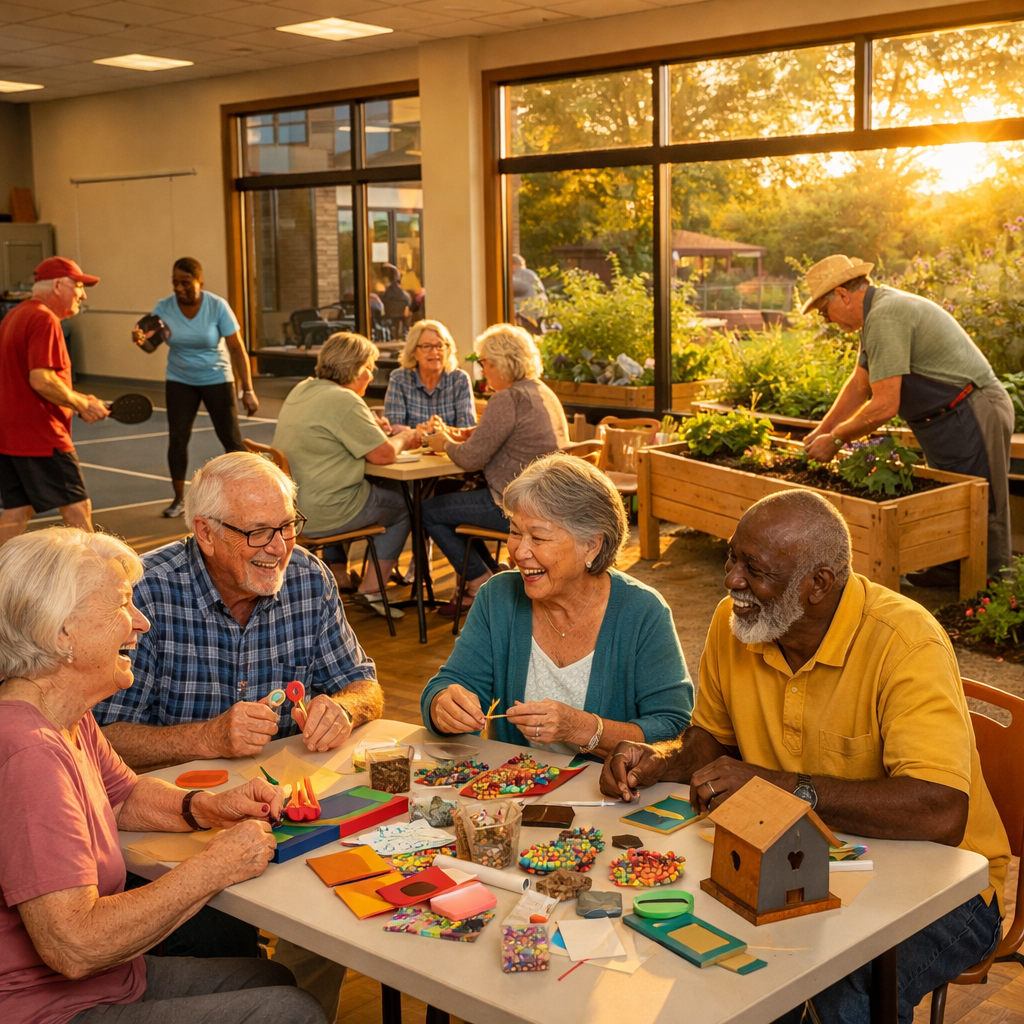
At SilverSmart, we understand that connection is central to thriving in retirement. Our AI-powered platform helps you discover hobby communities aligned with your interests, track your social engagement through our digital Exploration Passport, and continuously refine recommendations based on your evolving preferences.
Overcoming Barriers and Thinking Long-Term
Let’s address common obstacles. Limited mobility doesn’t mean limited options—it means choosing appropriate activities. Nearby senior centers often offer accessible programs. Online alternatives eliminate transportation concerns entirely. Micro-hobbies—small, manageable activities like daily sketching, five-minute meditation, or caring for a single houseplant—provide engagement without overwhelming physical demands.
Tight budgets shouldn’t stop you. Many hobbies cost almost nothing. Walking is free. Library cards provide free books, audiobooks, and often free class access. YouTube offers unlimited free tutorials for everything from language learning to cooking. Community centers frequently offer subsidized or free programs for seniors. Cross-stitch supplies are inexpensive, and patterns are available free online.
Think long-term by maintaining a varied hobby portfolio. Having multiple interests prevents boredom and provides flexibility as circumstances change. Maybe winters are for indoor crafts while summers focus on gardening. Perhaps you rotate between physical activities, creative pursuits, and mental challenges throughout the week.
This variety also provides resilience. If injury temporarily sidelines your pickleball game, you’ve got painting to fall back on. If your book club takes a summer break, your gardening intensifies. This adaptability ensures continuous engagement regardless of life’s inevitable changes.
Remember that hobbies can evolve. What starts as casual interest might become serious pursuit. That beginner painting class could lead to gallery showings. Genealogy research might result in a published family history. Or hobbies might simply remain enjoyable pastimes—and that’s perfectly wonderful too. The goal is sustained engagement and joy, however that looks for you.
Your Action Plan Starts Now
Here’s the exciting part: you can start a hobby today. Right now. This afternoon. Not next week, not after you’ve thought about it more—today.
Join a local group: Search “senior walking groups [your city]” or contact your local senior center about their club offerings. Make that call today.
Explore online classes: Visit YouTube and search “beginner watercolor tutorial” or “chair yoga for seniors.” Start a 10-minute video right now.
Plan a simple activity: Pull out that cookbook you’ve been meaning to try and commit to making one new recipe this week. Write it on your calendar.
Visit your library: Libraries are treasure troves for hobby exploration—books, classes, community bulletin boards announcing clubs, and librarians eager to help you discover resources.
Connect digitally: Join online communities related to potential interests. Reddit’s communities for knitting, gardening, and countless other hobbies welcome beginners warmly.
The perfect hobby is waiting for you—the one that will make you excited to get out of bed, that will introduce you to amazing people, that will keep your mind sharp and your body moving. It might be something you’ve never considered before or a childhood passion you’d forgotten.
At SilverSmart, our mission is inspiring exactly this kind of discovery. Through personalized AI-driven guidance and curated monthly exploration boxes tailored to your unique interests, we help you uncover passions you never knew you had. Every senior deserves to thrive in retirement, continuously growing, discovering, and connecting.
Retirement is your time—time to explore, experiment, and embrace everything you’ve been too busy for. Hobbies for seniors over 60 aren’t luxuries; they’re necessities for a fulfilling, active, joyful life. The question isn’t whether you need a hobby. It’s which amazing hobby you’ll choose first.
So what are you waiting for? Pick one thing from this article that sparked your interest and take the first small step today. Your most vibrant chapter is just beginning.