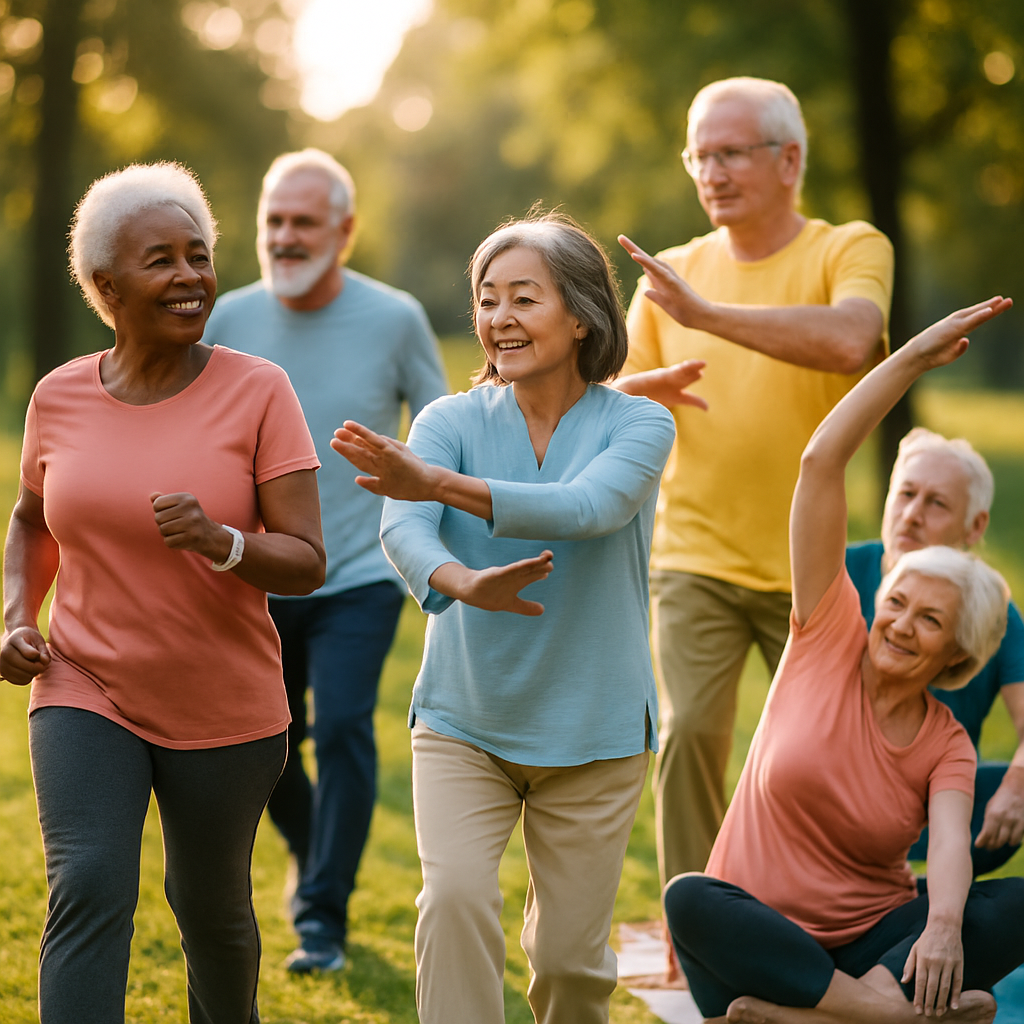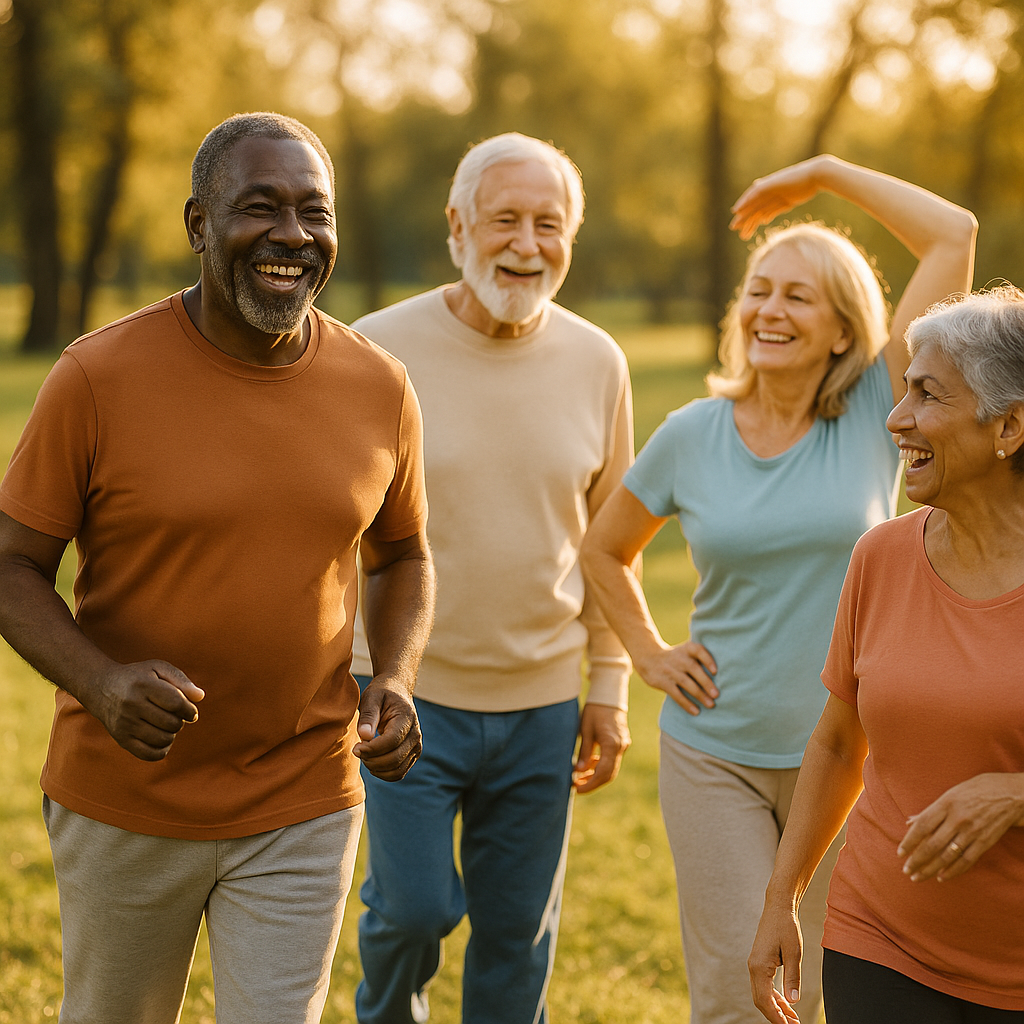
Retirement. For many, it conjures images of slowing down, taking it easy, and finally resting after decades of hard work. But what if I told you that the real secret to making the most of your golden years isn’t about winding down—it’s about staying in motion?
Active aging is transforming how we think about retirement. It’s not about running marathons or becoming a fitness guru overnight. Instead, it’s about embracing movement, discovery, and engagement as core parts of your daily life. Think of it as adding life to your years, not just years to your life. Whether it’s a morning walk through your neighborhood, joining a gardening club, or trying out chair yoga, active aging means staying curious, connected, and vibrant well into your later years.
The beauty of this approach is that it’s never too late to start. Your body and mind are remarkably adaptable, and even small changes can create ripples of positive impact throughout your life. Let’s explore the remarkable benefits waiting for you when you choose to stay active and engaged.
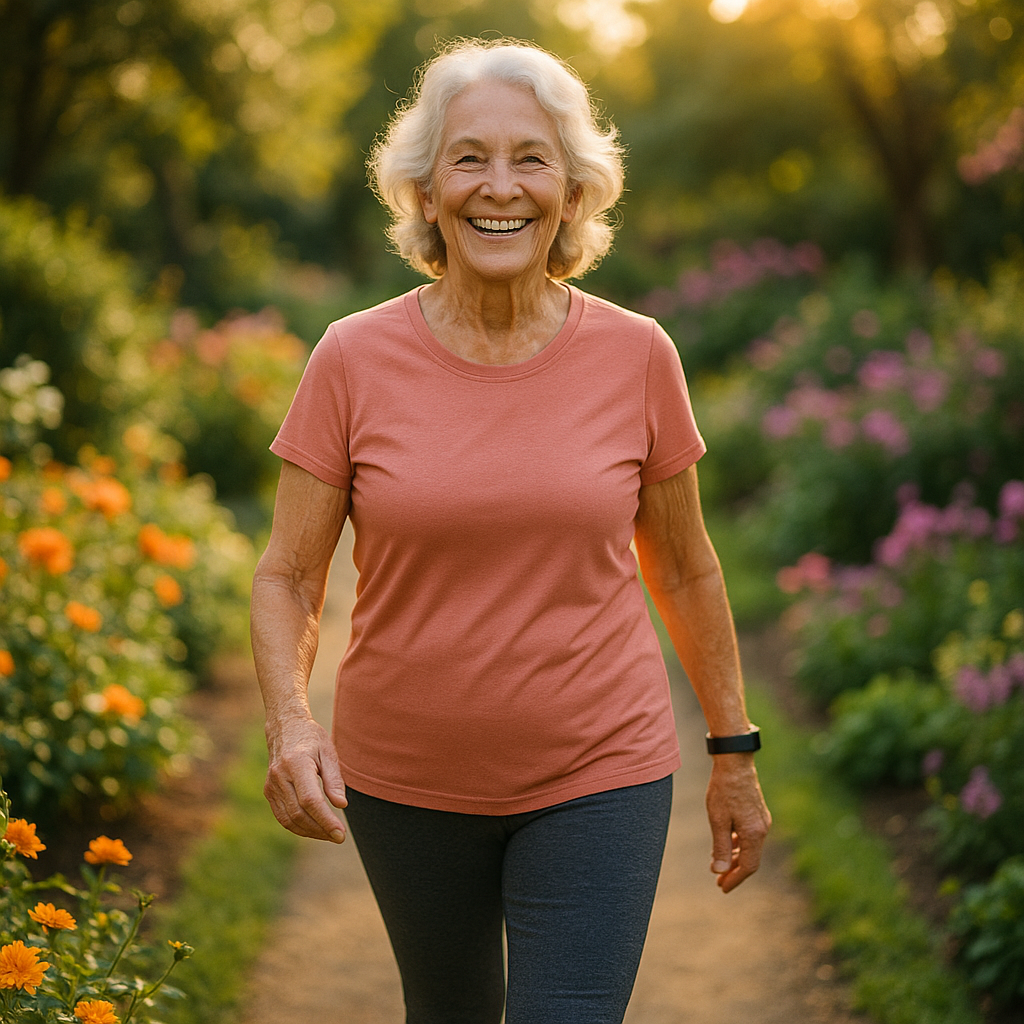
Why Active Aging Is Your Ticket to Better Health and Longevity
The evidence is clear: staying active as you age isn’t just about feeling good in the moment—it’s about fundamentally changing your health trajectory for the better.
When you engage in regular physical activity, you’re essentially giving your body a tune-up. Better cardiovascular health tops the list of benefits. Your heart becomes more efficient at pumping blood, your circulation improves, and your risk of heart disease drops significantly. But the benefits extend far beyond your heart.
Regular movement strengthens your muscles and bones, which becomes increasingly important as we age. Stronger muscles mean better balance and mobility, reducing your risk of dangerous falls. Stronger bones mean less likelihood of fractures that could dramatically impact your independence. It’s like building a protective shield around your body’s most vulnerable areas.
The mental benefits are equally impressive. Physical activity has been shown to improve sleep quality—and we all know how precious good sleep becomes as we get older. You’ll likely notice more energy throughout your day, a brighter mood, and sharper thinking. Many seniors report feeling more mentally alert and focused after incorporating regular activity into their routines.
Perhaps most importantly, active aging significantly reduces your risk of chronic diseases that often plague later years. We’re talking about conditions like type 2 diabetes, certain cancers, cognitive decline, and even dementia. Studies consistently show that seniors who stay active maintain better cognitive function and experience slower rates of mental decline compared to their sedentary peers.
And here’s something wonderful: these benefits create a positive feedback loop. When you sleep better, you have more energy. When you have more energy, you’re more likely to engage in activities you enjoy. When you’re doing things you love, your mood improves. When your mood is better, you’re more motivated to stay active. It’s a beautiful cycle of wellness that builds on itself.
What the Science Says: How Much Activity Really Makes a Difference
You might be wondering, “How much do I actually need to do to see these benefits?” The good news is that the bar isn’t as high as you might think.
Global health organizations, including the World Health Organization and the Centers for Disease Control and Prevention, recommend that older adults aim for at least 150 minutes of moderate-intensity aerobic activity per week. That breaks down to just 30 minutes a day, five days a week. And here’s the best part: those 30 minutes don’t have to happen all at once. You can break it up into shorter sessions throughout the day and still reap the rewards.
What counts as moderate-intensity activity? Think brisk walking—the kind where you can still hold a conversation but feel your heart rate picking up. Swimming, water aerobics, cycling on level ground, or even dancing in your living room all fit the bill. The key is finding something that raises your heart rate and makes you feel like you’re working, but doesn’t leave you gasping for breath.
Beyond aerobic activity, health experts also recommend muscle-strengthening activities at least two days per week. This doesn’t mean you need to join a gym or lift heavy weights. Exercises using your own body weight, resistance bands, or light dumbbells work wonderfully. Even activities like gardening—digging, planting, raking—provide excellent muscle-strengthening benefits while connecting you with nature.
Research from communities around the world known for exceptional longevity, like the Blue Zones, shows that these populations don’t necessarily follow structured exercise programs. Instead, they’ve built natural movement into their daily lives. They walk to visit friends, tend gardens, and stay engaged in physical tasks throughout their days. The lesson? Consistency and integration matter more than intensity.
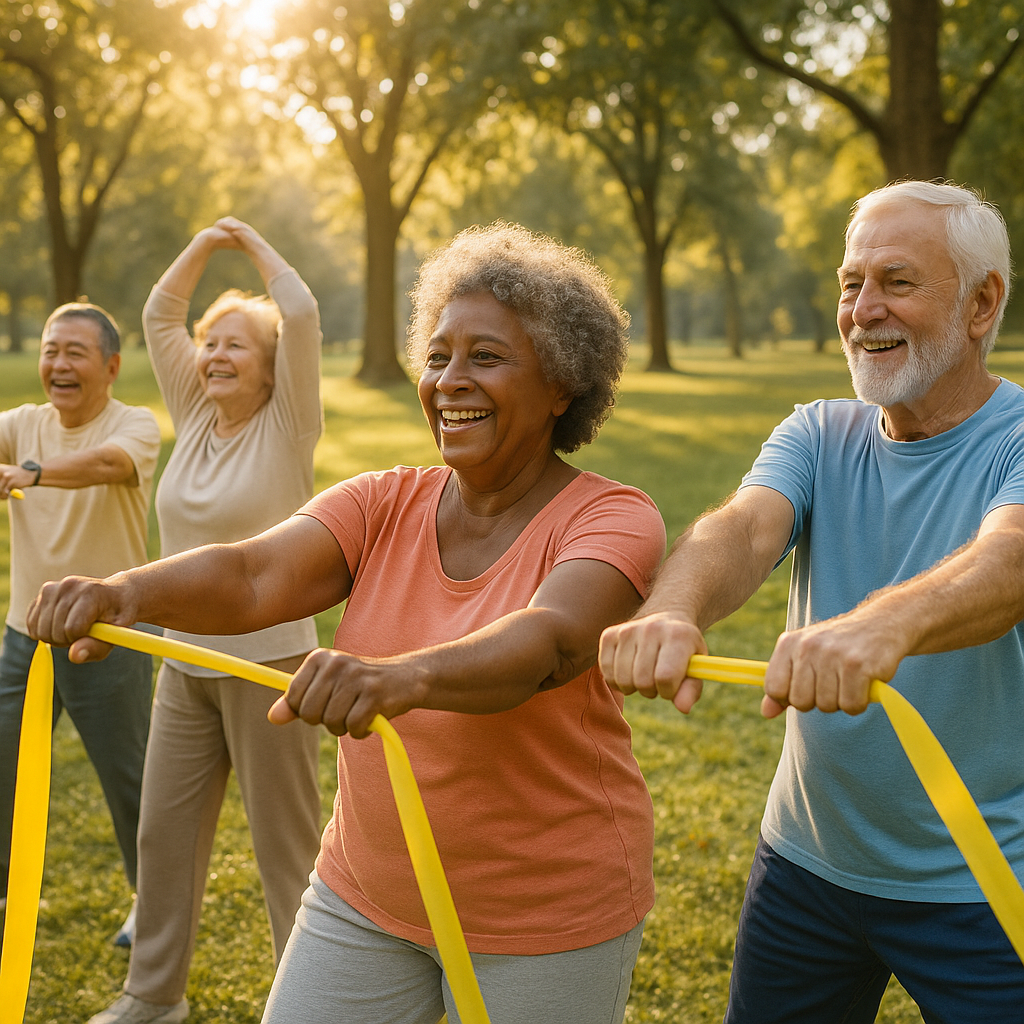
Studies tracking older adults over time reveal fascinating patterns. Those who maintain regular physical activity—even if they start later in life—show remarkable improvements across multiple health markers. One study found that seniors who began exercising in their 70s still experienced significant reductions in mortality risk compared to those who remained sedentary. It’s truly never too late to start.
Making Active Aging Work for You: Practical Steps to Get Started
Knowing the benefits is one thing; actually incorporating active aging into your daily routine is another. The secret is starting small and building gradually.
First, choose activities you genuinely enjoy. This isn’t about punishment or forcing yourself to do something you dread. If you love being outdoors, walking or gardening might be perfect for you. If you enjoy social interaction, group exercise classes or pickleball could be ideal. When you look forward to your activities, you’re far more likely to stick with them.
Start with where you are right now. If you’ve been mostly sedentary, beginning with 10-minute walks is perfectly fine. You can gradually increase the duration and intensity as your fitness improves. There’s no rush, and there’s no competition. This is about your personal journey toward better health.
Consider working with your doctor or a physical therapist to create a personalized activity plan, especially if you have existing health conditions or concerns. They can help you identify safe, appropriate activities and modifications that work for your specific situation. Many communities offer exercise programs specifically designed for seniors, often led by instructors trained in age-appropriate modifications.
Mix it up to keep things interesting. Monday might be a walking day, Wednesday could involve a yoga class, and Friday might be perfect for swimming. Variety not only prevents boredom but also works different muscle groups and provides comprehensive fitness benefits.
Set realistic, achievable goals. Instead of vague intentions like “I’ll exercise more,” try specific targets: “I’ll walk for 15 minutes after breakfast three times this week.” Small, concrete goals are easier to accomplish and provide a sense of achievement that fuels continued progress.
Track your activities in a way that feels rewarding. Whether it’s a simple calendar where you mark off active days, a journal where you note how you felt, or a more sophisticated tracking app, seeing your progress accumulates can be incredibly motivating. Some people find that sharing their activities with family members or friends adds accountability and encouragement.
Overcoming Common Obstacles to Staying Active
Let’s be honest: despite knowing all the benefits, sometimes staying active feels challenging. You’re not alone, and these barriers are entirely normal. The good news is that for every obstacle, there’s a solution.
Fear of injury is one of the most common concerns. It’s completely understandable, especially if you’ve experienced falls or have conditions like arthritis. The solution is choosing low-impact activities that minimize risk while still providing excellent benefits. Swimming and water aerobics are fantastic because the water supports your body, reducing stress on joints. Chair yoga allows you to improve flexibility and strength while seated. Tai chi, often called “meditation in motion,” improves balance and coordination with gentle, flowing movements.
Lack of motivation or feeling overwhelmed can also hold you back. This is where social connections become invaluable. Joining a walking group, exercise class, or club transforms activity from a solitary chore into an enjoyable social event. You’re more likely to show up when you know friends are expecting you, and the conversation and camaraderie make the time fly by.
Physical limitations or chronic pain require creative solutions, not resignation. Work with healthcare providers to find activities that work within your capabilities. Many exercises can be modified—strength training can be done seated, for example. Focus on what you can do rather than what you can’t, and celebrate every achievement, no matter how small it might seem.
Financial concerns shouldn’t stop you either. While gym memberships and equipment are nice, they’re far from necessary. Walking costs nothing. Many communities offer free or low-cost senior exercise programs. YouTube is filled with free exercise videos designed for older adults. Your living room can become your exercise studio with nothing more than a chair for support.
Weather can be a barrier for outdoor enthusiasts. Have a backup plan for extreme heat, cold, or rain. Indoor walking in a mall, exercise videos at home, or activities like chair exercises can keep you moving regardless of what’s happening outside.
Perhaps the biggest barrier is simply getting started. The first step always feels the hardest. Remember: something is always better than nothing. Even five minutes of movement is more beneficial than zero minutes. Give yourself permission to start small and build from there.
Your Active Aging Journey Starts Today
Here’s what I want you to take away from this: active aging isn’t about becoming someone you’re not or achieving some impossible standard. It’s about discovering what brings you joy, keeps you moving, and helps you thrive in this incredible phase of life.
Every step you take—literally and figuratively—is an investment in your future self. That walk around the block today could mean better balance next month. That swimming class you try this week might become your favorite social activity. That garden you start tending could provide both physical activity and a source of fresh vegetables and beautiful flowers.
The hidden benefits of active aging add up in ways you might not expect. Yes, you’re likely to live longer, but more importantly, you’ll live better. You’ll maintain your independence longer. You’ll stay sharp and engaged. You’ll feel more connected to your community. You’ll have the energy to play with grandchildren, travel to new places, or simply enjoy each day more fully.
Remember, retirement should be one of the richest, most fulfilling periods of your life. You’ve earned it. Active aging is about making sure you have the health, energy, and capability to truly enjoy these golden years. It’s about writing new chapters in your story, not closing the book.
Start where you are. Use what you have. Do what you can. And most importantly, discover what brings you joy. Whether it’s dancing, gardening, walking, swimming, or something entirely new, there’s an activity out there waiting to become your next passion.
At SilverSmart, we believe retirement should be a journey of continuous growth, discovery, and fulfillment. Active aging embodies this philosophy perfectly—it’s about exploring new possibilities, thriving through engagement, and discovering that your golden years can truly shine their brightest when you choose to stay in motion.
Your active aging journey is uniquely yours. There’s no single right way to do it. The only mistake would be not starting at all. So take that first step today. Your future self will thank you for it.