
For decades, senior care has operated on a one-size-fits-all model. Your mom gets the same daily schedule as everyone else in her community. Your dad receives the same meal plan, activity suggestions, and health monitoring as his neighbors—regardless of whether he’s an early riser who loves woodworking or a night owl passionate about astronomy. But something remarkable is happening right now as personalized senior care technology transforms the industry. Personalized senior care, powered by AI technology, is finally catching up to what our aging loved ones truly need.
This isn’t science fiction or a distant dream. It’s happening today, transforming how millions of seniors experience their golden years. The shift from generic care to truly personalized experiences represents one of the most significant advances in elder care in generations. And it’s arriving at exactly the right moment, as baby boomers enter retirement with higher expectations for independence, choice, and quality of life than any generation before them.
The Foundation: What True Personalization Really Means
Real personalization in senior care goes far beyond remembering someone’s favorite color or preferred meal time. It’s built on four essential pillars that work together to create care experiences as unique as the individuals receiving them.
First, there’s the integration of individual health profiles. Modern AI systems can track and analyze everything from medication schedules to chronic condition management, creating a comprehensive picture of each person’s health needs. If your father has diabetes and arthritis, his care plan adapts to manage both conditions while considering how they interact. The system learns his glucose patterns, understands when his joints are most painful, and adjusts recommendations accordingly—similar to how AI-driven decision-making systems create automated healthcare recommendations.
Second, social and cognitive tailoring ensures activities and interactions match each person’s mental and emotional needs. Some seniors thrive on group activities and constant social engagement. Others prefer quieter pursuits and one-on-one conversations. AI-driven personalization recognizes these differences and creates opportunities that genuinely resonate. Your mother who taught literature for 40 years might receive book club recommendations and poetry workshops, while your neighbor who spent decades in accounting might get financial planning discussions and puzzle challenges that engage his analytical mind.
Third, preference-aware planning respects individual choices and routines. The system learns that your dad prefers his morning coffee at 6:30 AM sharp, enjoys afternoon walks in the garden rather than indoor exercises, and likes to video chat with grandchildren on Tuesday evenings. These preferences aren’t just noted—they’re actively incorporated into daily planning and care delivery.
Finally, real-time adaptation ensures care evolves as needs change. Health conditions fluctuate. Interests develop. Energy levels vary day to day. Personalized senior care powered by AI continuously monitors these changes and adjusts recommendations, activities, and support levels in response. If your mother seems less engaged with her usual painting class, the system might suggest trying photography instead or scheduling the activity for a different time when she’s typically more energetic.
The Technology Making It Possible
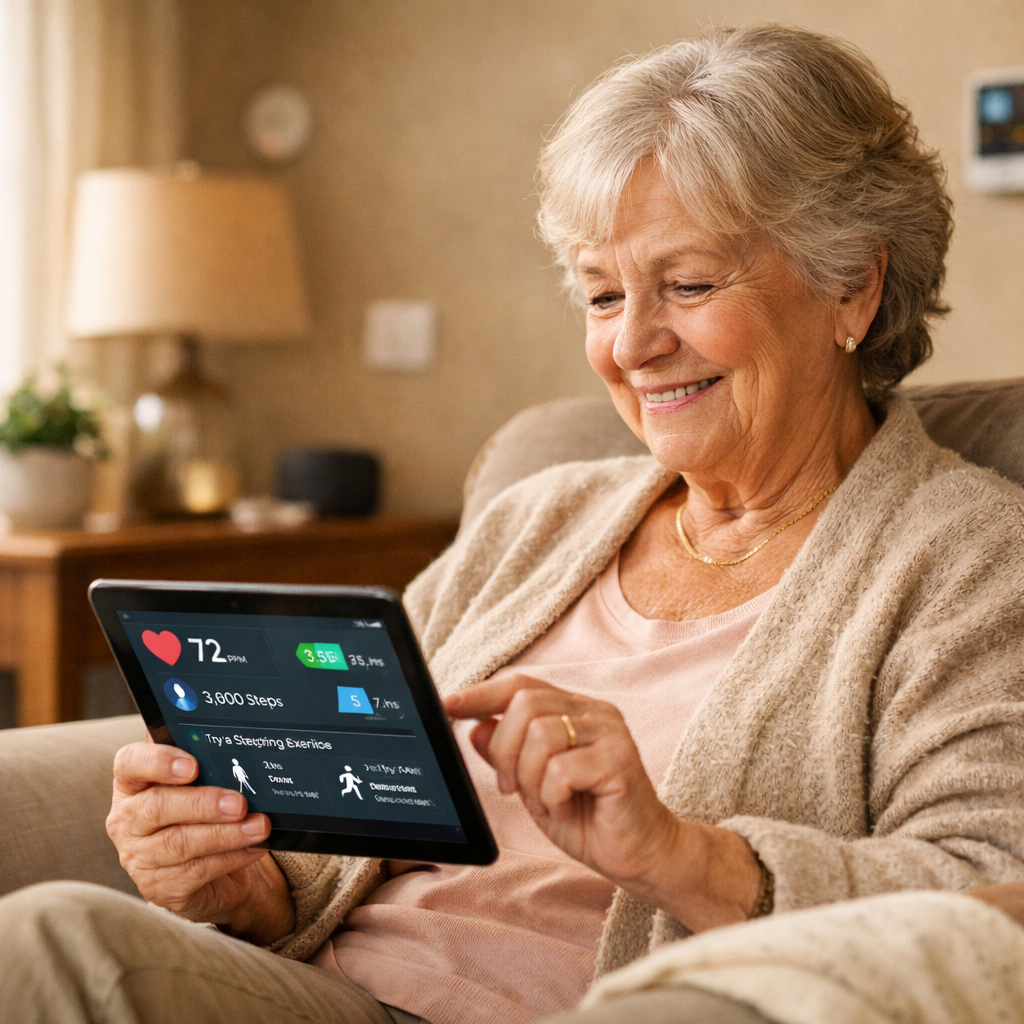
Behind this personalization revolution are AI tools that would have seemed impossible just a few years ago. Predictive analytics examines patterns in health data to anticipate problems before they become serious. These systems can detect subtle changes in mobility, sleep patterns, or cognitive function that human caregivers might miss until symptoms become obvious. When the AI notices your father’s walking speed has decreased slightly over the past week, it can prompt earlier intervention—perhaps a physical therapy session or a medication review—preventing a potential fall or more serious decline.
Natural language processing enables seniors to interact with care systems conversationally, without needing to navigate complex menus or remember specific commands. Your mother can simply say, “I’m feeling lonely today,” and receive genuine, helpful responses—perhaps a call to a friend, an invitation to a social activity, or a video chat with family members. The technology understands context, emotion, and intent, making interactions feel natural and supportive rather than mechanical.
Wearable devices and smart-home sensors provide ongoing monitoring that improves both safety and comfort without feeling intrusive. Motion sensors can detect falls immediately and alert caregivers, while also learning normal movement patterns to identify concerning changes. Temperature sensors ensure rooms stay comfortable for someone with circulation issues. Sleep trackers monitor rest quality and identify when insomnia or sleep disturbances might indicate health problems or medication side effects.
The beauty of these technologies is that they work quietly in the background, supporting independence rather than restricting it. Your parents aren’t tethered to complicated devices or forced to change their routines to accommodate monitoring systems. Instead, the technology adapts to them, learning their patterns and preferences while providing the safety net that gives both seniors and their families peace of mind.
Real-World Applications Transforming Lives Today
The practical applications of AI in senior care are already making remarkable differences in people’s daily lives. AI companions provide social interaction that’s available 24/7, never gets tired or impatient, and remembers every conversation. These aren’t replacements for human connection—they’re supplements that reduce isolation, especially during hours when family members are at work or caregivers are assisting others.
Consider Martha, a 78-year-old widow living independently. Her AI companion checks in each morning, discussing her plans for the day and suggesting activities based on the weather, her energy level, and her interests. When Martha mentions feeling nostalgic about her teaching career, the AI suggests she might enjoy mentoring students through a virtual program. When she’s anxious about an upcoming medical appointment, it helps her prepare questions and explains procedures in terms she understands. The companion learns that Martha prefers morning activities, loves classical music, and enjoys discussing history—and incorporates these preferences into every interaction.
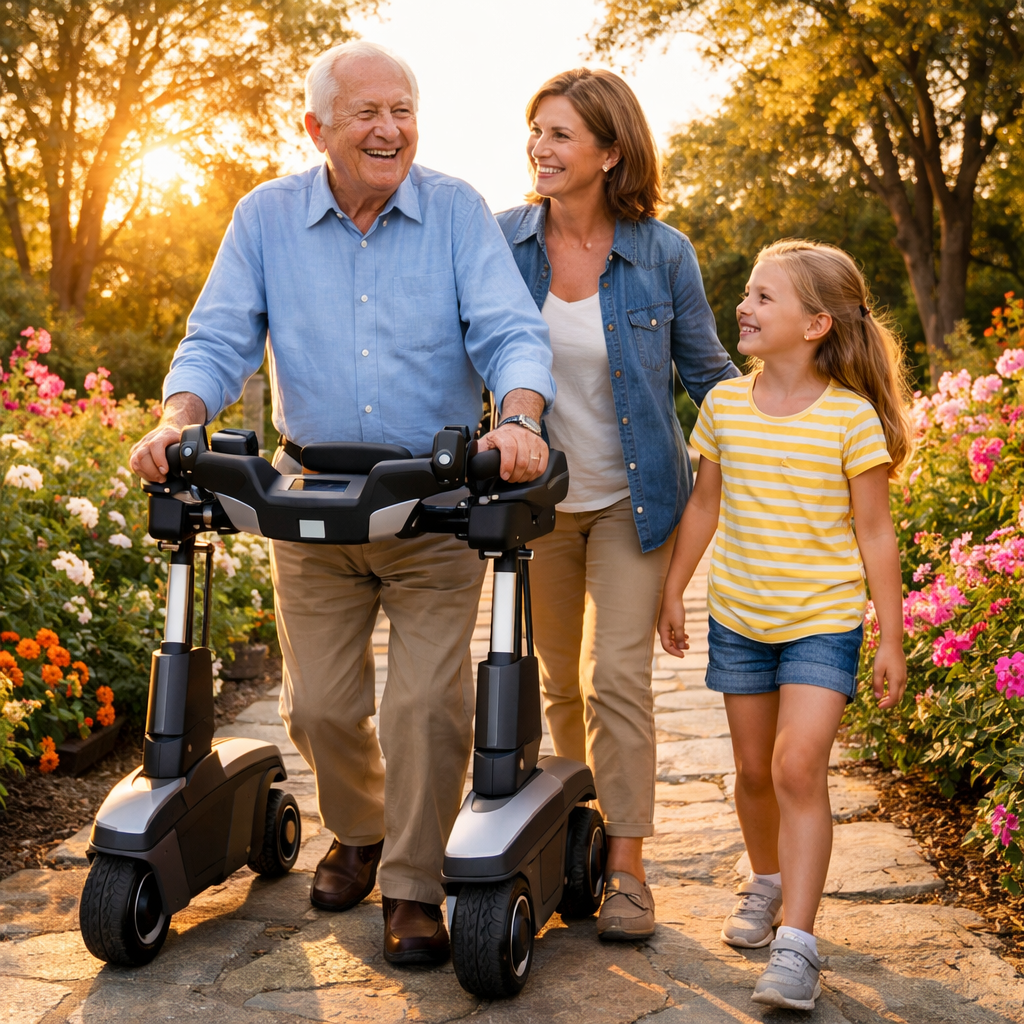
Robotic aids for mobility are another breakthrough application. These aren’t the clunky, intimidating machines of old science fiction. Modern robotic walkers learn individual gait patterns and provide just the right amount of support—more assistance when climbing stairs, less on flat surfaces. They can carry items, navigate around obstacles, and even provide gentle reminders about posture or walking technique. For someone like your father recovering from a hip replacement, this means maintaining independence while reducing fall risk during the critical recovery period.
AI-powered health monitoring systems track vital signs, medication adherence, and symptom patterns, alerting both seniors and caregivers to potential problems. When your mother’s blood pressure readings show an unusual pattern, the system notifies her doctor before she even realizes something’s wrong. When it’s time for medication, smart pill dispensers provide reminders and track whether doses were taken, solving one of the biggest challenges in managing chronic conditions.
For family caregivers, these applications provide invaluable support. You can check on your parents through secure apps that share relevant information without being invasive. You receive alerts only when they’re genuinely needed, not constant notifications about every minor detail. You can see that Dad completed his morning walk, Mom took her medications on time, and both participated in activities they enjoyed—all without multiple daily phone calls that might feel like checking up on them.
Implementing AI in Senior Care: A Practical Roadmap
The transition to AI-powered personalized care doesn’t happen overnight, and it shouldn’t. The most successful implementations follow a phased approach that gives seniors, families, and caregivers time to adjust and learn.
Phase one focuses on automating simple tasks—medication reminders, calendar management, basic health tracking. These applications provide immediate value while introducing seniors to AI technology in non-threatening ways. Your parents learn to trust that the system reliably reminds them about appointments and medications without overwhelming them with complexity.
Phase two introduces more sophisticated features like conversational AI agents that can answer questions, provide companionship, and offer personalized activity suggestions. This phase requires more interaction and engagement, but by this point, users are comfortable with the technology and ready to explore its deeper capabilities.
Phase three deploys advanced monitoring and predictive analytics, using accumulated data to anticipate needs and prevent problems. This is where personalized senior care reaches its full potential, but it requires months of data collection to understand individual patterns and preferences.
Throughout implementation, data privacy and security must be paramount. Seniors and their families need absolute confidence that personal health information, daily routines, and home monitoring data are protected. This means encryption, secure servers, clear privacy policies, and user control over what information is collected and shared. The technology should empower seniors, not create new vulnerabilities.
At SilverSmart, we believe successful AI integration requires transparency and choice. Seniors should understand what data is being collected and why. They should be able to opt out of features they find uncomfortable. The goal is enhancing independence and quality of life, not creating surveillance systems that undermine dignity and autonomy.
Navigating Challenges with Human-Centered Design
Despite its promise, AI-driven senior care faces real challenges that must be addressed thoughtfully. Technology adoption can be difficult for seniors who didn’t grow up with smartphones and computers. Some resist change, preferring familiar routines even when new options might serve them better. Others worry about privacy, cost, or losing human connection.
These concerns deserve respect and careful attention. The solution isn’t forcing technology on reluctant users—it’s designing systems that are genuinely intuitive, obviously beneficial, and respectful of individual preferences and values.
SilverSmart’s philosophy emphasizes ethical and human-centered AI integration. We believe technology should enhance human connection, not replace it. AI companions supplement family visits and caregiver interactions rather than substituting for them. Monitoring systems support independence rather than creating dependence on technology. Personalization respects individual autonomy, offering suggestions and support while always leaving final decisions in the hands of the seniors themselves.
This approach recognizes that the best senior care blends technological innovation with human compassion. AI excels at data analysis, pattern recognition, and tireless monitoring. Humans excel at empathy, creative problem-solving, and providing the emotional support that makes life meaningful. When both work together, seniors receive care that’s both highly effective and deeply personal.
The Future of AI-Driven Senior Care
Looking ahead, the potential for AI in senior care continues to expand. Predictive analytics will become even more sophisticated, identifying health risks months before symptoms appear. Integrated smart home technologies will create living environments that adapt automatically to changing needs—adjusting lighting for someone with declining vision, modifying temperature for someone with circulation problems, or rearranging furniture layouts to reduce fall risks.
Virtual reality and augmented reality applications will enable seniors to travel virtually, visit distant family members as if they were in the same room, or explore new hobbies without physical limitations. Imagine your mother, who can no longer travel easily, taking a virtual tour of the museums she’s always wanted to visit, complete with expert guides and the ability to examine artwork up close.
More adaptive caregiving solutions will bridge the gap between independent living and intensive care, enabling seniors to remain in their homes longer while receiving the support they need. Care coordination platforms will connect family members, professional caregivers, healthcare providers, and AI systems, ensuring everyone has the information they need when they need it.
At SilverSmart, we’re leading this transformation by helping seniors discover new passions, stay active, and thrive through AI-powered personalized experiences. Our approach combines cutting-edge technology with monthly curated exploration boxes tailored to individual interests, creating a comprehensive system that addresses both practical care needs and the deeper human need for growth, discovery, and fulfillment.
We believe retirement should be a journey of continuous exploration, not a gradual withdrawal from life. By leveraging AI to understand each person’s unique interests, abilities, and goals, we’re helping seniors live their most fulfilling, active, and connected lives. The technology tracks achievements, provides weekly personalized guidance, and continuously refines recommendations as interests evolve and new passions emerge.
Conclusion
Personalized senior care powered by AI isn’t just catching up to what our parents need—in many ways, it’s revealing needs we didn’t fully recognize before. It’s showing us that every senior deserves care that respects their individuality, supports their goals, and adapts to their changing circumstances. It’s demonstrating that technology and human compassion aren’t opposites but powerful partners in creating better experiences for our aging loved ones.
The transformation happening right now in senior care represents more than technological progress. It’s a fundamental shift in how we think about aging, independence, and quality of life. It’s recognition that our parents and grandparents deserve the same level of personalization, choice, and respect in their care that we expect in every other aspect of modern life.
As this revolution continues, the seniors who embrace these innovations—and the families who support them—will discover possibilities they never imagined. They’ll find that the golden years can truly be golden, filled with discovery, connection, growth, and joy. And that’s exactly what personalized senior care, done right, makes possible.