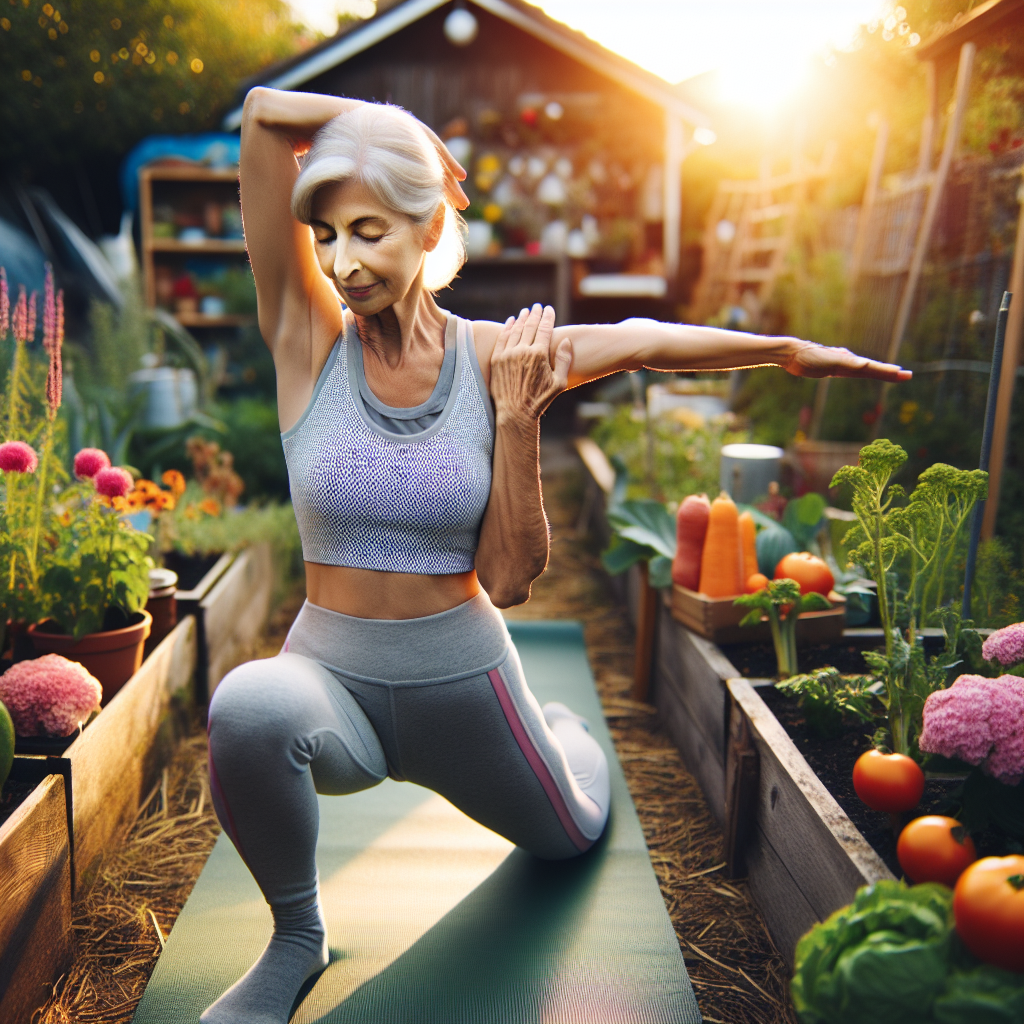
Getting older doesn’t mean slowing down or losing your zest for life. In fact, your golden years can be some of the most fulfilling, vibrant, and exciting times you’ll ever experience. The secret? It’s not about chasing expensive treatments or drastic lifestyle overhauls. Instead, healthy aging comes down to embracing simple, sustainable daily habits that keep your body strong, your mind sharp, and your spirit engaged.
Think of aging as an adventure rather than a limitation. Each day presents an opportunity to discover something new about yourself, to strengthen your well-being, and to add not just years to your life, but life to your years. The choices you make today—from what you eat for breakfast to how you spend your afternoon—create a ripple effect that shapes your health and happiness for years to come.
The good news? You don’t need to become a fitness guru or completely transform your routine overnight. Small, consistent changes in how you care for yourself can lead to remarkable improvements in how you feel, think, and move through the world. Let’s explore five simple daily habits that science shows can genuinely extend your lifespan while making every day more enjoyable.
Nourish Your Body with Intention
Your relationship with food evolves as you age, and that’s perfectly natural. What matters most now is giving your body the fuel it needs to thrive. A balanced diet rich in nutrients becomes your foundation for staying energetic, maintaining a healthy weight, and preventing age-related health issues.
Start by filling half your plate with colorful fruits and vegetables at every meal. Those vibrant reds, deep greens, and bright oranges aren’t just visually appealing—they’re packed with antioxidants that protect your cells from damage and support your immune system. A woman in Portland shared how she began visiting her local farmers’ market every Saturday morning, turning grocery shopping into a weekly adventure that aligned with plant-based retirement principles. She discovered seasonal produce she’d never tried before and found that her energy levels improved dramatically once she started eating more plant-based meals.
Lean proteins deserve a prominent place on your plate too. Whether it’s fish rich in omega-3 fatty acids, poultry, beans, or tofu, protein helps maintain muscle mass and strength as you age. Your muscles naturally decline over time, but adequate protein intake combined with physical activity can slow this process significantly.
Don’t forget about whole grains and healthy fats. Swap refined white bread for whole wheat or try quinoa instead of white rice. Add avocados, nuts, and olive oil to your meals. These foods support heart health and help your body absorb essential vitamins.
Here’s something often overlooked: staying hydrated is crucial for healthy aging. As we get older, our sense of thirst can diminish, making it easy to become dehydrated without realizing it. Keep a water bottle nearby and sip throughout the day. Many people find it helpful to drink a full glass of water first thing in the morning and before each meal.
The beauty of focusing on nutrition isn’t just about avoiding illness—it’s about feeling your best every single day. When you eat well, you sleep better, think more clearly, and have the energy to pursue the activities you love.
Keep Your Body Moving and Grooving
You’ve heard it before: exercise is important. But let’s reframe this idea. Physical activity isn’t about punishing workouts or forcing yourself into activities you dread. It’s about finding movement that brings you joy and keeps you connected to the world around you.
Walking might be the most underrated form of exercise available to us. It costs nothing, requires no special equipment beyond comfortable shoes, and offers tremendous benefits. A brisk 30-minute walk each day strengthens your heart, improves circulation, helps maintain a healthy weight, and even boosts your mood through the release of endorphins. Consider exploring different routes in your neighborhood or finding a walking buddy to make it more social and enjoyable.
Swimming and water aerobics are fantastic options if you have joint concerns. The water supports your body weight, reducing stress on your knees and hips while still providing an excellent full-body workout. Many community centers offer senior-friendly water classes where you can meet others and have fun while exercising.
Yoga and tai chi offer something special—they combine gentle movement with mindfulness, improving flexibility, balance, and mental clarity all at once. Balance becomes increasingly important as we age, and these practices specifically target the stabilizing muscles that keep you steady on your feet. A retired teacher from Austin discovered tai chi at age 68 and found it not only improved her balance but also helped her manage stress and sleep better at night—an example of holistic fitness in retirement.
Don’t overlook strength training. You don’t need heavy weights or gym memberships. Simple exercises using your body weight, resistance bands, or light dumbbells can help maintain muscle mass and bone density. Just two sessions per week can make a meaningful difference in your strength and independence.
The key is consistency and enjoyment. Find activities that make you smile, that you look forward to, and that fit naturally into your routine. Maybe it’s gardening, dancing in your living room, or playing with your grandchildren. Movement is medicine, and the best exercise is the one you’ll actually do regularly.
Feed Your Mind and Nurture Your Spirit
Physical health is only part of the healthy aging equation. Your mental and emotional well-being deserves equal attention and care. The encouraging news is that your brain remains capable of growth and adaptation throughout your entire life—a concept scientists call neuroplasticity.
Challenge your mind regularly with activities that require thinking and problem-solving. Puzzles like Sudoku, crosswords, or jigsaw puzzles engage different cognitive skills and keep your brain sharp. One gentleman from Michigan made it his morning ritual to complete the daily crossword puzzle with his coffee, turning it into a cherished part of his day. Card games like bridge or poker also exercise your memory, strategy, and social skills simultaneously.
Learning something entirely new creates fresh neural pathways and keeps your mind flexible. Always wanted to speak Italian? Interested in painting? Curious about photography? Now is the perfect time to explore these interests. Taking a class—whether online or in person—not only teaches you new skills but also connects you with like-minded individuals who share your curiosity.
Social connections are absolutely vital for mental health and longevity. Studies consistently show that people with strong social networks live longer and experience less cognitive decline. Join a book club, volunteer at a local organization, or attend community events. Regular phone calls or video chats with friends and family count too. These connections provide emotional support, reduce feelings of isolation, and give you a sense of purpose and belonging.
Mindfulness and meditation practices offer profound benefits for emotional resilience and stress management. You don’t need to sit in lotus position for an hour. Even five minutes of quiet breathing exercises or mindful observation can calm your nervous system and improve your overall sense of well-being. Many find that apps or guided meditation videos make starting this practice easier.
Your mental health deserves the same proactive care as your physical health. If you’re experiencing persistent sadness, anxiety, or feelings of hopelessness, reach out to a healthcare provider. There’s strength in seeking support, and effective treatments are available.
Stay Ahead with Preventive Healthcare
Being proactive about your health means catching potential issues before they become serious problems. Regular check-ups and health screenings are your opportunity to partner with healthcare providers in maintaining your well-being.
Schedule annual physical exams with your primary care doctor. These visits allow for monitoring vital signs, reviewing medications, and discussing any concerns you might have. Your doctor can track changes over time and identify patterns that might indicate emerging health issues.
Age-appropriate screenings become increasingly important in your later years. Mammograms, colonoscopies, bone density tests, vision and hearing exams, and cardiovascular assessments can detect conditions in their earliest, most treatable stages. A woman from Colorado discovered precancerous polyps during a routine colonoscopy—catching them early potentially saved her life.
Don’t skip vaccinations. The flu shot, pneumonia vaccine, shingles vaccine, and regular COVID-19 boosters protect you from serious infections that can be particularly dangerous for older adults. Think of vaccinations as armor that shields you from preventable illnesses.
Medication management deserves attention too. If you take multiple prescriptions, keep an updated list and review it regularly with your doctor or pharmacist. Some medications can interact in unexpected ways, and your needs may change over time.
Dental and eye care often get overlooked but remain crucial. Regular dental cleanings prevent gum disease, which is linked to heart disease and other systemic health issues. Annual eye exams detect not just vision problems but also conditions like glaucoma, macular degeneration, and even signs of diabetes.
Taking charge of preventive healthcare isn’t about being anxious or hypochondriac—it’s about being informed and empowered. When you stay on top of these appointments, you’re investing in your future self and your continued independence.
Discover New Passions and Stay Curious
Perhaps the most transformative habit for healthy aging is cultivating a sense of curiosity and openness to new experiences. Retirement isn’t an ending—it’s a beginning. It’s your chance to explore interests you never had time for, to try activities you’ve always wondered about, and to discover passions you didn’t know existed.
Think about what genuinely excites you. Maybe you’ve always been fascinated by astronomy, intrigued by woodworking, or drawn to creative writing. Give yourself permission to explore these interests without judgment or pressure. The goal isn’t mastery; it’s engagement and joy.
Many retirees find fulfillment in hobbies that combine creativity with purpose. Quilting, knitting, pottery, painting—these activities not only produce beautiful objects but also provide meditative focus and a sense of accomplishment. A retired accountant from Vermont discovered that woodworking in his garage gave him the creative outlet his career had never provided. He now crafts custom cutting boards that he gifts to family and friends.
Gardening connects you with nature’s rhythms and provides gentle physical activity along with mental satisfaction. Whether you have a backyard or just a few pots on a balcony, nurturing plants from seed to bloom offers a profound sense of purpose and achievement.
Technology opens up endless possibilities for exploration. Online courses allow you to learn about virtually any topic from the comfort of home. Virtual museum tours, documentary films, and podcasts bring the world to your fingertips. Don’t let technology intimidate you—approach it with the same curiosity you bring to other areas of life.
The beauty of discovering new passions is that it creates a positive feedback loop. When you’re engaged in activities you love, you naturally feel more energized, optimistic, and connected. You meet new people, challenge yourself in healthy ways, and build a rich, textured life that goes far beyond simply passing time.
Embrace the Journey Ahead
As we’ve explored these five simple daily habits, a common thread runs through them all: the power of small, consistent actions to create meaningful change. You don’t need to overhaul your entire life tomorrow. Instead, start with one or two changes that resonate most with you. Maybe it’s adding an extra serving of vegetables to dinner, taking a short walk after breakfast, or finally signing up for that pottery class you’ve been considering.
The mindset you bring to aging matters enormously. When you approach your golden years with curiosity rather than fear, with adaptability rather than rigidity, you open yourself to possibilities you might never have imagined. Each decade of life brings its own gifts—wisdom, perspective, freedom from many of life’s earlier pressures—and these gifts deserve to be celebrated and embraced.
Remember that setbacks are normal and expected. Some days you’ll feel energized and motivated; other days you’ll need rest and gentleness. Both are part of the journey. What matters is the overall pattern of care and attention you give yourself over weeks and months.
Your retirement years can genuinely be some of the best of your life. With the right daily habits supporting your physical health, mental acuity, emotional well-being, and sense of purpose, you’re not just adding years to your life—you’re adding quality, meaning, and joy to those years.
The path to healthy aging isn’t mysterious or complicated. It’s built on fundamental principles of good nutrition, regular movement, mental engagement, preventive care, and continued curiosity about the world. These habits work together synergistically, each one reinforcing and enhancing the others.
So start today. Choose one small habit to focus on this week. Be patient with yourself as you build new routines. Connect with others who share your commitment to living well through personalized support and curated experiences. And most importantly, give yourself credit for every positive step you take.
Your golden years are waiting to be discovered, explored, and thoroughly enjoyed. The adventure continues, and the best chapters of your story may still be unwritten. With these simple daily habits as your foundation, you’re equipped to make every day count and to truly thrive in this remarkable phase of life.