
The moment you start thinking about in-home care services for seniors near me, you’re already taking a meaningful step toward ensuring your loved one’s safety, independence, and happiness. In-home care has become more than just a practical solution—it’s a pathway to maintaining dignity, pursuing passions, and living life on one’s own terms during the golden years.
For retirees eager to stay active and explore new hobbies, in-home care provides the perfect balance. It offers professional support with daily tasks while preserving the freedom to wake up in your own bed, tend to your garden, or spend afternoons painting in your favorite sunlit corner. For family members, it brings invaluable peace of mind, knowing that trained caregivers are there to help Mom remember her medications or assist Dad after his knee surgery—all while he remains in the comfort of home.
The beauty of in-home care lies in its flexibility. Unlike institutional settings, it adapts to individual lifestyles rather than forcing seniors to adapt to rigid schedules. This approach resonates deeply with the idea that retirement should be a journey of continuous growth and discovery, not a series of limitations.

Understanding the Spectrum of In-Home Care Services
When you begin searching for in-home care services for seniors near me, you’ll quickly discover a rich variety of options designed to meet different needs and circumstances. Non-medical care forms the foundation for many families, encompassing companionship, meal preparation, light housekeeping, transportation to appointments, and assistance with personal care activities like bathing and dressing.
Then there’s specialized medical care, which brings skilled nursing, physical therapy, wound care, and medication management directly to your doorstep. For seniors recovering from surgery or managing chronic conditions like diabetes or heart disease, this level of support can be transformative. Understanding what Medicare covers for home health care helps families navigate available benefits effectively. One family I spoke with shared how their father, a retired engineer, received physical therapy at home after hip replacement surgery. Between sessions, he worked on model airplane projects at his kitchen table—something impossible in a rehabilitation facility.
Dementia and Alzheimer’s care represents another crucial category. These specialized services provide trained caregivers who understand how to communicate effectively, manage behavioral changes, and create safe environments for those experiencing cognitive decline. The personalization aspect here cannot be overstated. Each person’s experience with dementia is unique, requiring care plans that evolve as needs change.
Respite care offers temporary relief for family caregivers, preventing burnout while ensuring seniors receive quality attention. Whether you need coverage for a few hours, a weekend, or an extended vacation, respite services keep your loved one safe and engaged. This mirrors the philosophy that meaningful connections require sustainable support systems—caregivers who are rested and emotionally healthy provide better care.
Who Benefits and How to Access Services
In-home care services for seniors near me serve a remarkably diverse population. Eligibility often depends less on strict criteria and more on individual needs and circumstances. Seniors who require assistance with daily activities but wish to remain at home form the primary group. This includes those recovering from medical procedures, managing chronic illnesses, or simply needing extra help as they age.
Payment models vary widely, offering flexibility for different financial situations. Private pay remains the most straightforward option, where families directly cover the costs of care. As of 2025, national median costs hover around $33 per hour for non-medical care, though state-level prices range from $24 to $43 per hour depending on location and service complexity.
Long-term care insurance provides another avenue, covering portions of in-home care expenses for policyholders. For families exploring private pay options, understanding current private pay home care rates is essential for realistic budgeting. Many families discover that policies purchased years ago now offer valuable benefits. Medicare covers home health services when skilled care is medically necessary, though it doesn’t pay for non-medical assistance with daily living activities. Medicaid, through state-specific programs, often covers in-home care for eligible low-income seniors, with monthly income limits around $2,901 for single applicants in 2025.
Family caregivers themselves receive support through various state programs. Some regions offer stipends or direct payments to family members providing care, recognizing the invaluable role they play. Area Agencies on Aging (AAA) provide counseling, care referrals, day care services, and caregiver respite programs. These resources foster connections between families and their communities, creating networks of support that extend far beyond individual households.
Evaluating Providers: What to Look For
Finding quality in-home care services for seniors near me requires careful evaluation. Start with licensure and certification. Reputable agencies maintain proper state licensing and demonstrate compliance with regulatory standards. Don’t hesitate to ask for proof of licensing, insurance coverage, and worker’s compensation policies.
Caregiver qualifications matter tremendously. Inquire about background checks, training programs, and continuing education requirements. The best agencies invest in their staff through regular skill development, specialized training for conditions like dementia, and clear supervision structures. One daughter told me how her mother’s caregiver had completed specialized training in Parkinson’s disease care, making an enormous difference in managing her mother’s unique challenges.
Service quality indicators include transparent communication practices, clear care plans, and responsive management. Look for agencies that conduct comprehensive initial assessments, match caregivers thoughtfully based on compatibility and skills, and provide regular updates on care delivery. Technology increasingly plays a role here, with some providers using AI-powered tools to personalize care solutions, track health trends, and adjust recommendations based on changing needs.
The emerging use of artificial intelligence in care planning offers exciting possibilities. Advanced platforms can analyze patterns in vital signs, activity levels, and cognitive function to predict potential health issues before they become serious. AI for senior care is revolutionizing how we support independence through predictive monitoring and personalized interventions. This innovative approach ensures transparency and builds trust in care planning, allowing families to see exactly how decisions are made and how care evolves over time.
Understanding Costs and Financial Planning
Financial planning for in-home care services requires honest conversations and strategic thinking. The variety of payment options means most families can find workable solutions, though it takes effort to align costs with budgets.
Start by calculating realistic care needs. How many hours per day? How many days per week? What specific services are required? These answers directly impact costs. A senior needing four hours of companionship and meal preparation three times weekly faces different expenses than someone requiring round-the-clock medical supervision.
Consider combining payment sources. Perhaps long-term care insurance covers 20 hours weekly while private pay handles additional needs. If you’re considering specific providers, realistic budget planning for Home Instead costs can help you understand monthly expenses. Maybe Medicaid provides baseline services while family members supplement during peak activity times. Some families discover that adult children can share costs, making comprehensive care more affordable than anyone could manage alone.
Don’t overlook tax benefits. Depending on circumstances, in-home care expenses may qualify as medical deductions. Consult tax professionals familiar with elder care to maximize available benefits.
This financial planning process aligns perfectly with the goal of redefining retirement experiences to be both fulfilling and financially sensible. It’s not about finding the cheapest option but rather the best value—care that enhances quality of life while remaining sustainable for families.
Care Planning and Caregiver Matching
The process of care planning begins with a comprehensive initial assessment. Quality agencies send trained assessors to evaluate physical health, cognitive function, mobility, nutrition needs, medication management requirements, and emotional well-being. They also assess the home environment, identifying safety concerns and necessary modifications.
This assessment forms the foundation for a personalized care plan that addresses specific needs, preferences, and goals. Perhaps your father wants to continue his woodworking hobby but needs assistance with mobility and tool safety. Maybe your mother requires medication reminders but insists on maintaining her book club schedule. These details matter.
Caregiver matching represents one of the most critical steps. Beyond skills and qualifications, personality compatibility makes or breaks the care relationship. The best providers consider interests, communication styles, and cultural backgrounds when making matches. They recognize that a retired teacher might connect better with a caregiver who enjoys discussing literature, while a former athlete might prefer someone who appreciates sports.
Regular updates keep care plans relevant as needs evolve. Monthly reviews allow adjustments based on health changes, new interests, or shifting family circumstances. This commitment to personalization ensures care plans grow with seniors rather than becoming outdated documents filed away and forgotten.
Think of this process as similar to how personalized retirement journeys work best when they continuously adapt to changing interests and capabilities. The goal isn’t static maintenance but dynamic support that enables ongoing growth and discovery.
Safety, Quality, and Regulatory Considerations
Safety in in-home care encompasses multiple dimensions. Physical safety starts with home modifications—grab bars in bathrooms, improved lighting, removal of tripping hazards, and secure medication storage. Caregivers should receive training in fall prevention, emergency response, and proper use of assistive devices.
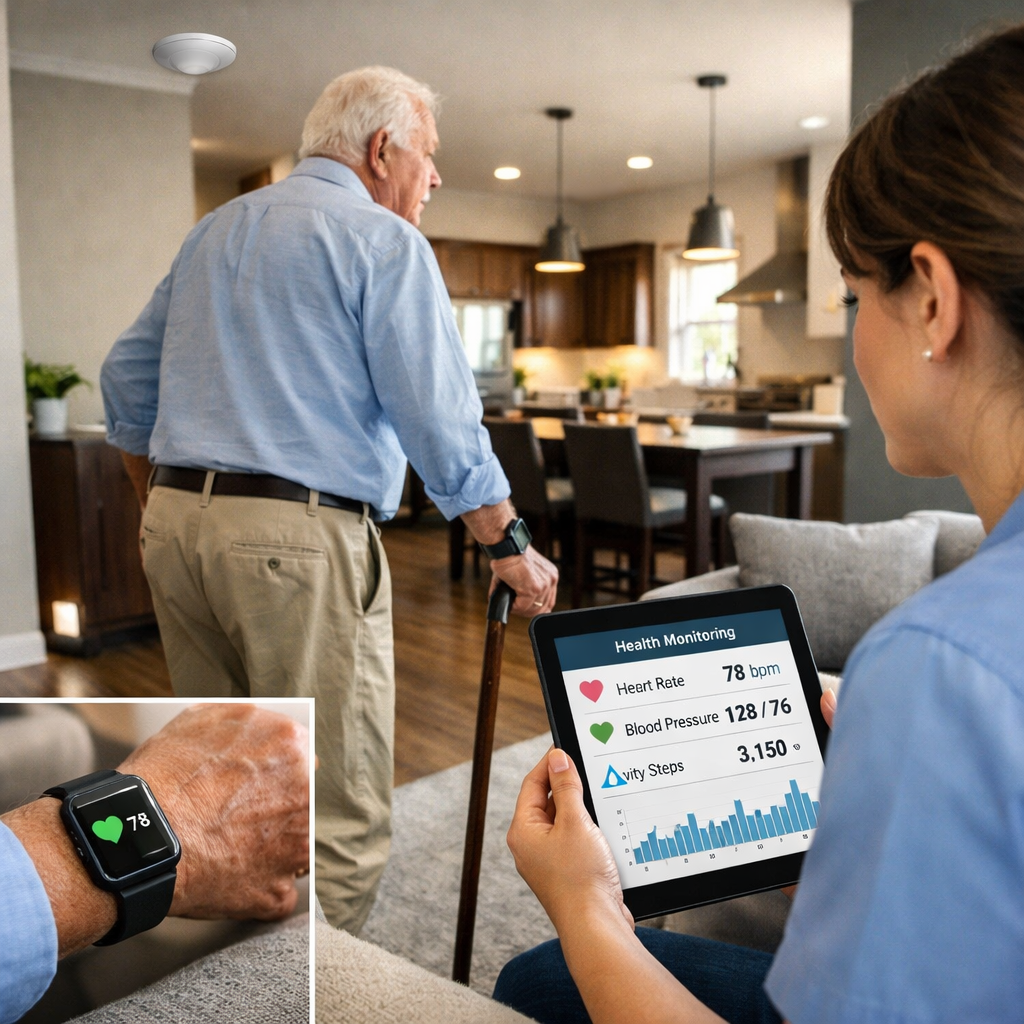
Quality assurance requires ongoing monitoring and feedback mechanisms. Regular supervisor visits, family check-ins, and clear complaint procedures ensure accountability. Some agencies now incorporate remote monitoring technologies, using sensors and wearable devices to track activity patterns, detect falls, and monitor vital signs without invasive surveillance.
Regulatory compliance protects both seniors and caregivers. Agencies must maintain proper documentation, follow privacy laws like HIPAA, adhere to state-specific care standards, and submit to periodic inspections. Don’t assume compliance—verify it through state licensing boards and consumer protection agencies.
Technology integration brings exciting safety enhancements. Smart home devices can detect unusual patterns suggesting health issues. AI-powered analysis identifies trends in sleep quality, activity levels, and cognitive function. Real-time alerts notify caregivers and family members when assistance is needed. This vision of integrating technology into active aging solutions makes care both safer and less intrusive.
Supporting Family Caregivers
Family members providing care need support just as much as the seniors they serve. Burnout threatens the sustainability of family caregiving arrangements, making support services essential rather than optional.
Respite care options range from a few hours weekly to extended periods, allowing family caregivers to rest, pursue their own interests, or simply catch their breath. Educational resources help family caregivers develop skills in medication management, mobility assistance, communication with healthcare providers, and emotional support techniques.
Support groups connect family caregivers with others facing similar challenges. Whether in-person or virtual, these communities provide emotional validation, practical advice, and meaningful connections. Many participants describe support groups as lifelines during difficult caregiving journeys.
Area Agencies on Aging offer counseling services, helping family caregivers navigate complex decisions, access community resources, and plan for changing needs. These community-focused initiatives build networks that provide continuous growth opportunities for everyone involved—seniors discovering new passions and caregivers developing new skills.
The goal is creating sustainable ecosystems where care flows naturally rather than depleting individuals. When family caregivers receive proper support, they’re better equipped to provide loving, patient, effective assistance while maintaining their own well-being.
Questions to Ask During Provider Consultations
When interviewing potential in-home care providers, thoughtful questions reveal important information about quality, compatibility, and reliability.
Ask about their hiring and training practices: What background checks do you conduct? What training do new caregivers receive? How do you ensure ongoing skill development? How do you handle caregiver turnover?
Inquire about care planning and customization: How do you assess individual needs? How often do you review and update care plans? Can we request specific caregivers? What happens if personality conflicts arise?
Explore communication and accountability: Who do we contact with concerns? How often will you provide updates? What documentation do you maintain? How do you handle emergencies?
Discuss financial matters openly: What exactly is included in your rates? Are there additional fees for specific services? What payment methods do you accept? How much notice is required for schedule changes?
Request references and verify credentials: Can you provide references from current clients? May we contact your state licensing board? Do you carry liability insurance? What accreditations do you hold?
These questions empower families in the decision-making process, ensuring they gather information needed for confident choices. Engagement and exploration lead to better outcomes than passive acceptance of whatever providers offer.
Your Selection Checklist: A Step-by-Step Approach
Creating a methodical approach to selecting in-home care services for seniors near me increases the likelihood of finding the right match.
Step 1: Assess Needs Thoroughly
Document current assistance requirements, anticipate future needs, identify preferred care schedules, and list must-have versus nice-to-have services.
Step 2: Research Available Providers
Search online for local agencies, ask healthcare providers for recommendations, check with Area Agencies on Aging, read online reviews carefully, and verify licensing status.
Step 3: Narrow Your Options
Contact multiple providers, compare services and costs, eliminate those not meeting basic requirements, and focus on top three to five candidates.
Step 4: Conduct In-Depth Interviews
Schedule consultations with finalists, prepare your questions in advance, involve the senior receiving care when possible, and take detailed notes for comparison.
Step 5: Check References and Credentials
Contact provided references, verify licenses and insurance, review complaint histories with state agencies, and confirm caregiver qualifications.
Step 6: Arrange Trial Periods
Request trial periods before long-term commitments, observe caregiver-senior interactions, assess compatibility and comfort levels, and gather feedback from all involved.
Step 7: Review and Sign Agreements
Read contracts carefully before signing, clarify cancellation policies and notice requirements, confirm rate structures and payment terms, and ensure understanding of all responsibilities.
This logical, clear pathway mirrors the commitment to helping families achieve enriched experiences through thoughtful planning and informed decision-making.
The Future: Technology and Innovation in 2025
As we move through 2025, technology continues transforming in-home care services for seniors near me in remarkable ways. Artificial intelligence now powers sophisticated monitoring systems that analyze health patterns, predict potential issues, and recommend preventive interventions before problems escalate.
Wearable devices track vital signs continuously, sharing data seamlessly with caregivers and healthcare providers. Falls trigger immediate alerts. Unusual sleep patterns prompt wellness checks. Declining activity levels signal possible depression or illness. These technologies don’t replace human caregivers—they enhance their effectiveness.
Telehealth integration brings specialists directly into homes through video consultations, reducing transportation burdens while maintaining quality medical care. Virtual reality offers therapeutic activities for seniors with limited mobility, from virtual travel experiences to interactive cognitive exercises.
AI-powered companions reduce isolation through conversation, remind seniors about medications and appointments, and provide emergency assistance when needed. Some detect early signs of cognitive decline through conversation analysis, alerting families and healthcare providers to subtle changes requiring attention.
The most exciting development involves platforms that combine AI-driven guidance with personalized recommendations for activities, hobbies, and social connections. These dynamic systems create evolving retirement journeys that adapt to changing interests and capabilities. Our AI Companion and Exploration Passport exemplify this approach by creating personalized experiences through weekly conversations and curated discovery. Weekly interactions refine understanding of individual preferences, while curated experiences introduce new possibilities for discovery and growth.
This vision of technology-enhanced care represents the future—one where seniors thrive at home with support that’s both sophisticated and deeply personal. It’s about leveraging innovation to create meaningful, fulfilling lives rather than simply managing decline.
Finding the right in-home care services for seniors near me ultimately comes down to matching support with individual needs, values, and dreams for the retirement years. When done thoughtfully, it opens doors to continued independence, new discoveries, and the peace of mind that comes from knowing help is there when needed. Your journey toward that perfect match begins with the first question, the first phone call, the first conversation about what matters most.