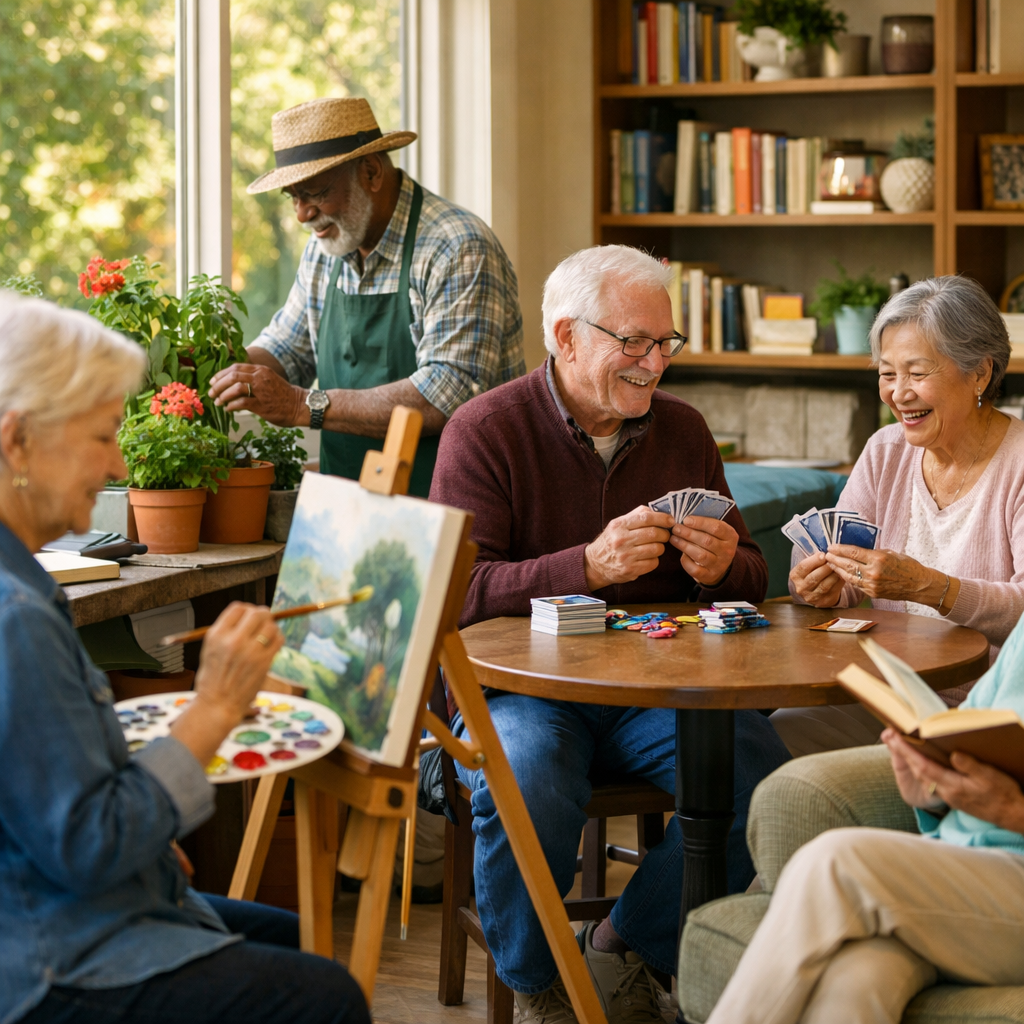
Retirement isn’t the end of your story—it’s the beginning of an entirely new chapter. For decades, you’ve structured your days around work, responsibilities, and the needs of others. Now, suddenly, you have something precious: time. Time to explore, discover, and pursue the interests that light you up inside.
But here’s where many retirees stumble right out of the gate.
The moment retirement begins, there’s often a rush to fill the newly available hours. You might sign up for three classes at once, commit to daily volunteering, join multiple clubs, and promise to finally master woodworking, pottery, and Italian—all within the first month. It’s understandable. After years of dreaming about having free time, the impulse is to dive headfirst into everything at once.
The problem? This scattershot approach rarely leads to lasting fulfillment. Within weeks, the initial excitement fades. Overcommitment leads to stress. Activities chosen on impulse don’t resonate. And before long, you’re left wondering why finding new hobbies in retirement feels so much harder than it should.
The truth is, most retirees start wrong not because they lack motivation or curiosity, but because they skip a crucial step: thoughtful exploration. Finding hobbies that truly enrich your retirement years isn’t about filling time—it’s about discovering what brings you genuine joy, purpose, and connection. According to research on hobbies for seniors that bring joy and purpose, the right activities boost mental sharpness and forge lasting friendships.

Let me share a better way.
A Framework for Discovering What Really Matters
Think of finding new hobbies in retirement as a journey, not a destination. You wouldn’t book a trip to an unknown country without some planning, right? The same principle applies here. What you need is a structured discovery framework—a roadmap that helps you navigate from curiosity to commitment.
This framework has five key components, each building on the last.
Start with Self-Inventory
Before you explore what’s out there, explore what’s inside. Take time for honest self-reflection. What values matter most to you now? Is it creativity, community, physical wellness, intellectual challenge, or something else entirely? Think about activities that brought you joy decades ago. Maybe you loved drawing as a child but never pursued art as an adult. Perhaps you enjoyed organizing community events but never had the bandwidth to do more. Research from the National Institutes of Health confirms that leisure participation is essential to support quality of life following retirement.
Ask yourself: When do I feel most energized? When do I lose track of time? What would I do if no one were watching or judging?
Write down your answers. This isn’t about finding the “right” hobby immediately. It’s about creating a personal compass that will guide your exploration.
Embrace Broad Exposure
Once you understand your core interests and values, the next step is exposure. This is where you cast a wide net. Attend local community events. Visit hobby shops, art galleries, community gardens, or sports clubs. Browse online forums and watch documentaries about different crafts, sports, and creative pursuits.
The key here is variety without commitment. You’re window shopping for experiences. Sign up for free introductory sessions. Attend open houses. Talk to people who are already engaged in activities that intrigue you. For inspiration, check out this list of 30 simple activities to stay active and connected. One retiree I know discovered a passion for birdwatching simply by attending a local nature center’s free morning walk. She had never considered it before, but exposure created opportunity.
Your local library, community center, and senior organizations are goldmines for low-cost or free exposure opportunities. Don’t overlook them.
Experiment Through Trial Periods
Now comes the fun part: experimentation. Choose two or three activities from your exposure phase that genuinely sparked your interest. Commit to each one for a specific trial period—say, four to six weeks. This timeframe is long enough to move past the awkward beginner phase but short enough to prevent burnout.
Set micro-goals for each trial. If you’re trying painting, your goal isn’t to create a masterpiece—it’s to complete three small pieces. If you’re exploring hiking, aim for one trail per week. These small, achievable goals keep you motivated without overwhelming you.
During this phase, give yourself permission to be a beginner. It’s okay to feel clumsy at first. That’s part of the process.
Reflect on Your Experiences
Here’s where many retirees falter: they jump from one activity to another without pausing to reflect. After each trial period, take time to assess. How did this activity make you feel? Did it align with your values? Did you look forward to it, or did it feel like another obligation? Studies on social participation and retirement show that engaging in meaningful activities significantly impacts older adults’ well-being and reduces depression.
Keep a simple journal. Write down what worked and what didn’t. Note moments of genuine enjoyment or frustration. Sometimes an activity is wonderful in theory but doesn’t fit your lifestyle. Other times, an unexpected hobby becomes a source of deep satisfaction.
Reflection isn’t about judgment—it’s about learning. You’re gathering data about yourself, and that data becomes invaluable as you refine your choices.
Refine and Commit
By now, you’ve explored, experimented, and reflected. Certain activities will naturally rise to the top—the ones that consistently brought you energy, connection, or joy. These are your keepers.
Now you can commit more deeply. Invest in better equipment. Join a formal class or club. Set longer-term goals. Build these hobbies into your regular routine. But remember: refinement doesn’t mean rigidity. Your interests may evolve over time, and that’s perfectly fine. The framework isn’t a one-time process—it’s a cycle you can return to whenever you’re ready for something new.
How SilverSmart Transforms the Hobby Discovery Journey
This structured approach sounds wonderful in theory, but let’s be honest: it requires intention, organization, and sometimes a gentle push in the right direction. That’s where modern technology can become your ally in finding new hobbies in retirement.
At SilverSmart, we’ve built our entire philosophy around one belief: retirement should be a journey of continuous growth, discovery, and fulfillment. We understand that every person’s path is unique, which is why we’ve developed AI-powered tools that personalize the hobby discovery process from start to finish.
Think of SilverSmart as your exploration companion—one that learns about you over time and adapts to your evolving interests.
Our platform begins with a personalized questionnaire that goes beyond surface-level questions. We explore your values, past experiences, physical abilities, and what you hope to gain from new activities. This initial conversation becomes the foundation for everything that follows. Learn more about how our personalized approach works.
Then, through weekly AI-driven email interactions, we continue that conversation. We learn what resonated with you this week and what didn’t. We suggest new activities based on your feedback. We help you avoid the common pitfall of overcommitment by pacing your exploration thoughtfully. Instead of diving into ten hobbies at once, we guide you toward focused, meaningful experimentation.
One of the biggest challenges retirees face is the lack of structured reflection time. Life gets busy even in retirement, and it’s easy to skip the important step of assessing whether an activity truly fits. SilverSmart’s digital Exploration Passport tracks your journey, prompting you to reflect on each experience and celebrate small achievements along the way. This creates a living record of your discoveries—a personal map of what works for you and why.
Perhaps most importantly, we provide curated monthly exploration boxes tailored to your interests. Instead of feeling overwhelmed by endless possibilities, you receive a thoughtfully assembled collection of materials, tools, and resources that make it easy to try something new. Each box is designed not just to introduce you to a hobby, but to help you succeed in those critical first weeks when enthusiasm meets the reality of learning.
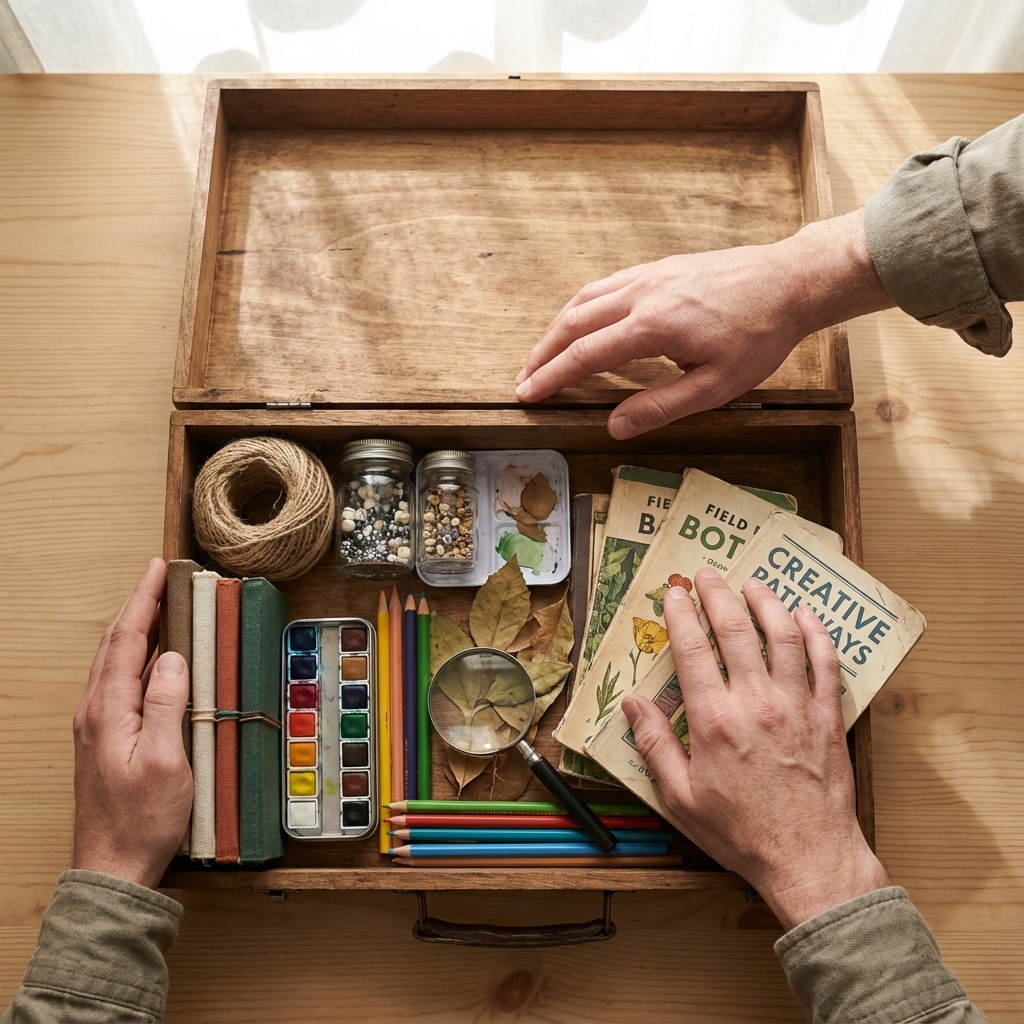
This is active aging in action—not as a buzzword, but as a lived experience. You’re not passively consuming information or randomly trying activities. You’re engaged in a personalized journey of growth, supported by technology that understands your unique needs.
Making Your New Hobbies Last
Finding new hobbies in retirement is one thing. Sustaining them is another. Here’s how to ensure your newfound passions become lasting sources of joy.
Build a Small Portfolio
Don’t put all your eggs in one basket. Maintain two to four activities that serve different needs. Maybe one hobby is social (like a book club), another is creative (painting or crafting), and a third is physical (like active aging yoga or walking). This portfolio approach ensures you don’t burn out on any single pursuit and keeps your retirement life balanced.
Create Regular Routines
The best way to make hobbies stick is to build them into your weekly rhythm. Designate specific times for specific activities. Tuesday mornings might be for hiking. Thursday afternoons could be studio time for your art. Routines remove the daily decision-making burden and make engagement automatic.
Seek Social Reinforcement
Hobbies are more enjoyable and sustainable when shared. Find communities of people who share your interests—whether in person or online. The accountability and camaraderie make it easier to show up on days when motivation wanes. Plus, friendships built around shared passions are often the deepest and most rewarding.
Watch Out for Common Pitfalls
Be aware of these traps that derail many retirees:
- Comparison: Don’t measure your progress against others. Your journey is yours alone.
- Perfectionism: The goal isn’t mastery—it’s enjoyment and growth.
- Isolation: Even solitary hobbies benefit from occasional social connection. Share your progress with someone who cares.
- Rigidity: Give yourself permission to pivot if something isn’t working.
Remember, finding new hobbies in retirement isn’t about creating a second career or achieving expert status. It’s about enriching your daily life with activities that bring meaning, challenge, and joy.
Your Next Chapter Awaits
Here’s what I want you to remember: Retirement isn’t an ending. It’s not about slowing down or fading away. It’s about stepping into a vibrant phase of life where you finally have the freedom to explore who you are beyond your career, beyond your obligations, beyond everyone else’s expectations.
The hobbies you discover now—whether it’s painting landscapes, building furniture, learning a language, or cultivating a garden—become threads woven into the fabric of your most fulfilling years. Each new skill you develop, each community you join, each moment of flow you experience contributes to a retirement rich with purpose and possibility. This is the essence of healthy aging—maintaining vitality and independence through intentional daily choices.
Yes, the journey requires intention. It asks you to be thoughtful rather than impulsive, reflective rather than reactive. But that’s exactly what makes it meaningful.
You’ve spent a lifetime building skills, nurturing relationships, and contributing to the world around you. Now it’s time to invest that same wisdom and energy into yourself—into discovering what makes your heart sing, what challenges your mind, and what connects you to others in authentic ways.
The structured framework we’ve discussed isn’t about adding complexity to your life. It’s about removing the guesswork, the overwhelm, and the false starts that leave so many retirees frustrated. It’s about replacing the chaos of random experimentation with the clarity of purposeful discovery.
And with innovative platforms like SilverSmart supporting your journey, you’re never exploring alone. You have tools that learn from you, adapt to you, and celebrate your progress every step of the way.
So take that first step. Do your self-inventory. Explore what’s available in your community. Try something that intrigues you, even if it feels a little uncomfortable at first. Reflect on what you learn about yourself. And then refine your path forward.
Your retirement is a canvas, and you’re the artist. The hobbies you choose are the colors you’ll use to create a masterpiece of a life—one filled with growth, connection, and the deep satisfaction of knowing you’re living fully, right up until the very end.
The question isn’t whether you can find fulfilling hobbies in retirement. The question is: which ones will you discover first?
Your adventure is waiting. Let’s begin.