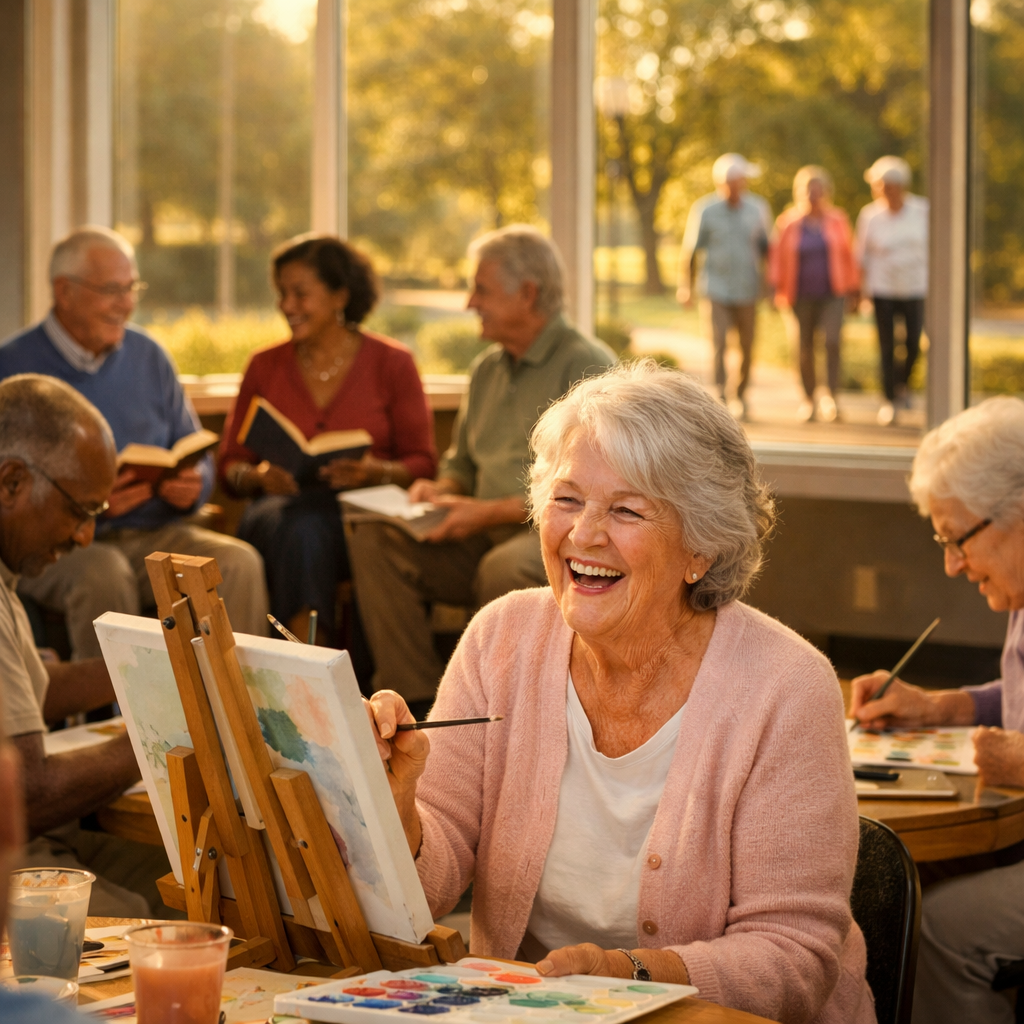
Retirement isn’t the end of your creative journey—it’s often just the beginning. While many people think their most productive years are behind them after leaving the workforce, countless seniors discover that retirement offers something precious they never had before: time to explore passions they’ve always dreamed about. Whether it’s picking up a paintbrush for the first time, writing that memoir you’ve been thinking about for decades, or finally learning to play the guitar, your best artwork might genuinely still be ahead of you. This isn’t just wishful thinking—it’s a reality for thousands of seniors who are finding fulfillment, joy, and even recognition through creative hobbies they started later in life.
The beauty of retirement is that it removes many of the time constraints that held you back during your working years. No more rushing through weekends trying to squeeze in personal interests between errands and obligations. Now, you have the gift of unhurried mornings, quiet afternoons, and the mental space to truly immerse yourself in activities that bring you joy. And here’s the wonderful secret: creativity doesn’t diminish with age. In fact, many artists, writers, and creators have produced their finest work in their later years, drawing from a lifetime of experiences, wisdom, and perspective that simply wasn’t available to them when they were younger.
The Science Behind Creative Hobbies: More Than Just Fun
Creative hobbies for seniors offer far more than entertainment—they’re powerful tools for maintaining cognitive health and emotional well-being. Research consistently shows that engaging in artistic activities can significantly improve memory, attention, and reasoning skills. When you paint, write, craft, or engage in any creative pursuit, you’re giving your brain a comprehensive workout that stimulates multiple cognitive functions simultaneously.
Studies from the National Institute of Aging reveal that having a hobby can actually increase life expectancy and decrease depression. That’s not a small benefit—it’s potentially life-changing. When seniors participate in creative activities, they’re not just passing time; they’re actively combating cognitive decline, reducing stress levels, and building emotional resilience.
Art therapy research has shown particularly promising results for older adults. Structured creative activities can serve as cognitive rehabilitation interventions, helping seniors maintain mental sharpness and even improve symptoms of memory-related conditions. The act of creating something—whether it’s a watercolor landscape, a handwritten journal entry, or a knitted scarf—engages parts of your brain that might not get exercised during routine daily activities.
Beyond cognitive benefits, creative hobbies provide profound emotional rewards. They offer an outlet for self-expression that becomes increasingly important as we age. Many seniors find that creative pursuits help them process life transitions, maintain their sense of identity, and find new purpose in their retirement years. The sense of accomplishment that comes from completing a project—no matter how small—can boost self-worth and combat the feelings of isolation that sometimes accompany retirement.
Creative activities also promote what psychologists call “flow states“—those moments when you’re so absorbed in what you’re doing that time seems to disappear. These experiences are incredibly valuable for mental health, reducing anxiety and promoting a sense of calm and contentment. Whether you’re carefully shading a drawing, arranging flowers in a garden, or focusing on dance steps, these moments of complete engagement provide a welcome escape from daily worries and stresses.
Popular Creative Hobbies: Where to Begin Your Journey
The wonderful thing about creative hobbies for seniors is the sheer variety available. You don’t need prior experience, expensive equipment, or special talent to get started. Here are some accessible options organized by category to help you find your perfect match.
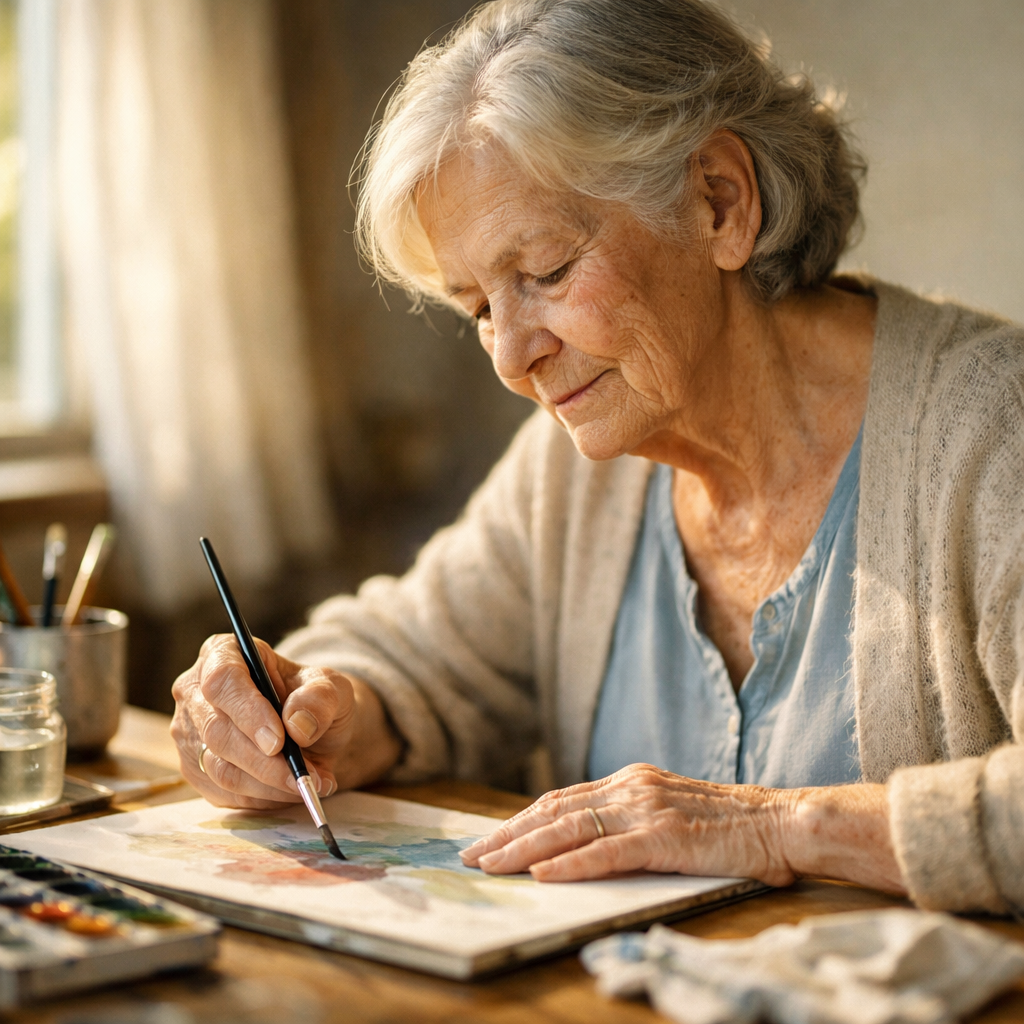
Visual Arts offer some of the most accessible entry points into creativity. Watercolor painting has become particularly popular among seniors because it requires minimal setup and is incredibly forgiving. Unlike oils or acrylics, watercolors are easy to clean up, don’t require special ventilation, and can create beautiful results even for beginners. Start with a simple watercolor set, some basic brushes, and inexpensive watercolor paper. Many community centers and senior organizations offer watercolor classes specifically designed for beginners.
Drawing and sketching are even simpler to begin. All you need is a pencil and paper to start capturing the world around you. Colored pencils, charcoal, and pastels offer different experiences once you’re ready to explore. Photography is another visual art that’s become incredibly accessible in the smartphone era. You don’t need expensive camera equipment—your phone camera can capture stunning images while you explore your neighborhood or travel.
Writing and Literary Arts open up endless possibilities for self-expression. Journaling offers a private space to reflect on your experiences, process emotions, and preserve memories for future generations. You might start a memoir project, documenting stories from your childhood, career, or family history. Creative writing—whether poetry, short stories, or even novels—allows you to explore your imagination in new ways. Many seniors discover they have a natural talent for storytelling once they give themselves permission to write freely.
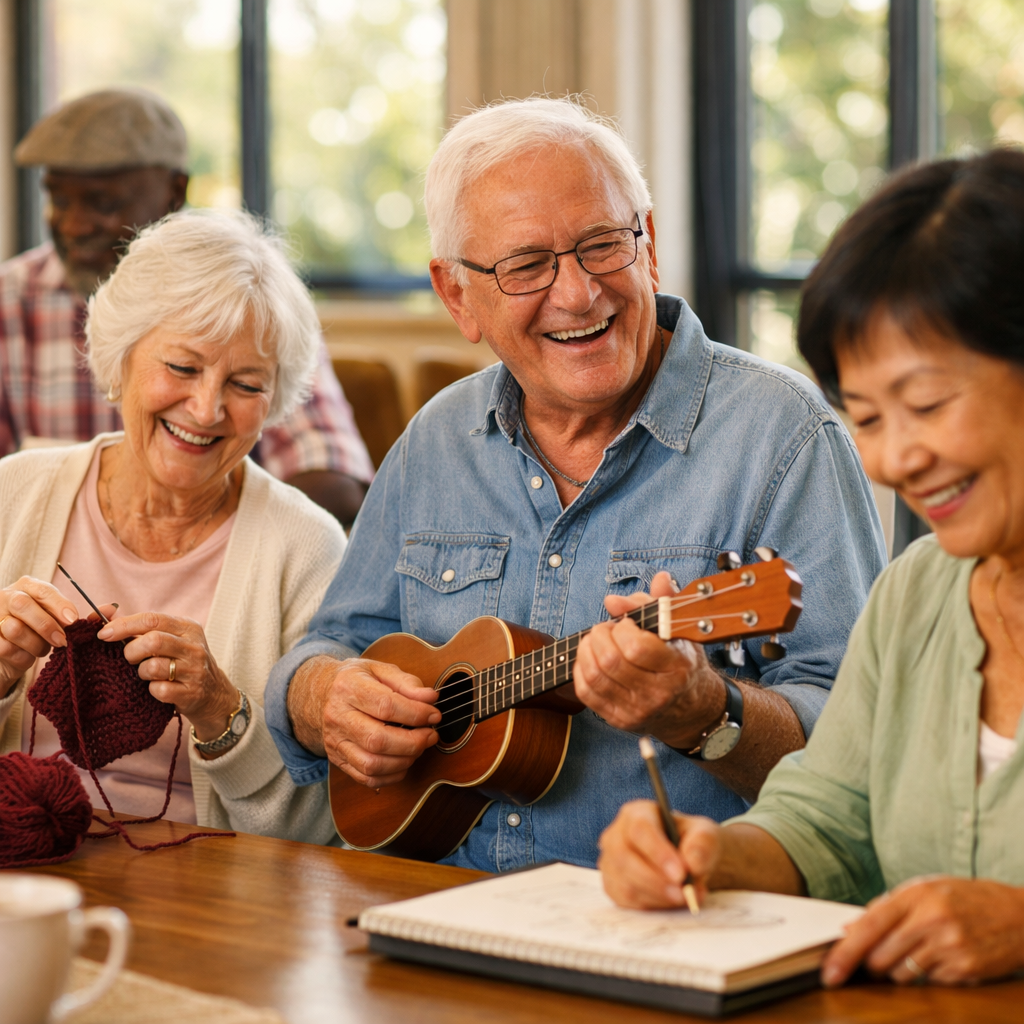
Fiber Arts and Crafts provide tactile satisfaction along with beautiful finished products. Knitting and crocheting are particularly beneficial because they involve repetitive motions that can be meditative while also keeping hands flexible and dexterous. You can create practical items like scarves and blankets, or explore more artistic fiber arts. Quilting combines creativity with community, as many quilting groups meet regularly to work on projects together. Other craft options include card making, scrapbooking, and collage work—activities that are particularly accessible for seniors with limited mobility since they can be done sitting comfortably at a table.
Music and Performance Arts might seem intimidating, but they’re more accessible than you might think. Learning to play an instrument as a senior is entirely possible with patient instruction and regular practice. The piano, ukulele, and harmonica are popular choices for beginners. Singing, whether joining a choir or simply singing along to favorite songs at home, provides cardiovascular benefits along with creative expression. Dance classes designed for seniors—from gentle ballroom to chair dancing—combine physical activity with artistic expression.
Gardening and Nature Arts bridge creativity with outdoor activity. Container gardening allows even apartment dwellers to grow flowers, herbs, or vegetables. Creating and maintaining a garden space involves constant creative decisions about color, texture, and arrangement. Pressed flower art and nature crafts bring the outdoors inside. Birdwatching encourages careful observation and can lead to nature photography or sketching birds you observe.
Each of these activities promotes mental flexibility and opens doors to social connections. When you join a painting class, writing group, or gardening club, you’re not just developing a hobby—you’re building community. These social connections are crucial for reducing isolation and enhancing overall life satisfaction during retirement years.
Overcoming Common Barriers: Making Creativity Accessible
Many seniors hesitate to start creative hobbies because of concerns about physical limitations, budget constraints, or feeling “too old” to learn something new. The good news is that nearly every barrier has practical solutions that make creative hobbies accessible to everyone.
Physical limitations don’t have to stop your creative journey. If arthritis makes it difficult to hold standard paintbrushes, adaptive tools with larger, cushioned grips are available. For writing, voice-to-text software can capture your stories even if typing is challenging. Chair-based crafts and arts work wonderfully for those with mobility issues. Many museums and art centers offer seated painting classes specifically designed for seniors with physical challenges.
Tremors or reduced fine motor control can be accommodated by choosing forgiving mediums. Watercolors and charcoal are more flexible than precise pen work. Large-format projects are easier to manage than tiny detailed work. The key is finding activities that work with your abilities rather than against them.
Budget constraints shouldn’t prevent you from exploring creative hobbies. Most craft stores offer significant discounts for seniors, and many creative supplies are surprisingly affordable. Start with basic materials rather than professional-grade supplies—beginners don’t need expensive equipment to enjoy the process and create satisfying results. Libraries often have craft kits available for checkout, along with books and instructional DVDs.
Community centers and senior centers frequently offer free or low-cost classes in various creative pursuits. These programs are specifically designed to be accessible and affordable for seniors. Online resources have exploded in recent years, with YouTube offering countless free tutorials on every creative hobby imaginable. Websites like Skillshare and Creativebug offer affordable monthly subscriptions with unlimited classes.
Technology barriers can seem daunting, but many organizations now offer digital literacy programs for seniors. Local libraries typically provide free computer classes and one-on-one assistance. Once you master basic online skills, a world of virtual creative classes opens up, allowing you to learn from instructors around the world without leaving home.
Social anxiety or fear of judgment holds many people back from joining group activities. Remember that beginner classes are filled with other beginners—everyone is learning together. Most creative communities are remarkably welcoming and supportive. If group settings feel too intimidating initially, start with solo activities at home or one-on-one instruction before joining larger groups.
The truth is that being a beginner is liberating at any age. You’re not expected to produce masterpieces immediately. The process itself—the act of creating, exploring, and discovering—is where the real value lies. Give yourself permission to be imperfect, to experiment, and to simply enjoy the journey without worrying about the destination.
Your Four-Week Starter Plan: From Curious to Creative
Starting a new creative hobby doesn’t require a dramatic life overhaul. This simple four-week plan helps you ease into a creative practice that can grow into a lasting passion.
Week One: Explore and Choose. Spend this week simply exploring options without committing to anything. Visit your local craft store and see what catches your eye. Browse online tutorials for different creative activities. Talk to friends about their hobbies. Check out what classes your local senior center offers. Keep a small notebook and jot down anything that sparks your interest. By the end of the week, choose one activity that genuinely excites you—not what you think you should do, but what you actually want to try.
Week Two: Gather and Prepare. Now that you’ve chosen a direction, gather basic supplies. Start simple—you don’t need everything at once. If you’re trying watercolor painting, get a basic paint set, a few brushes, and a pad of watercolor paper. That’s enough to begin. Set up a dedicated space for your hobby, even if it’s just a corner of a table. Having a designated area makes it easier to practice regularly. This week, watch a few beginner tutorials or read introductory materials about your chosen activity. Schedule specific times during the week when you’ll work on your new hobby—treating it like an important appointment increases the likelihood you’ll follow through.
Week Three: Practice and Experiment. Begin your actual practice this week, but keep expectations low and kindness toward yourself high. Aim for 20-30 minutes of practice every other day rather than long, exhausting sessions. Focus on the process rather than results. Try different approaches—if you’re painting, experiment with various brush strokes or color combinations. If you’re writing, try different styles or topics. Keep notes about what you enjoy most and what feels challenging. Don’t judge your work harshly; remember that every expert was once a beginner who kept practicing.
Week Four: Reflect and Connect. By now, you have a sense of whether this hobby resonates with you. Reflect on how you felt during your creative sessions. Did time seem to fly? Did you feel relaxed or energized afterward? This week, take one step toward connecting with others who share your interest. This might mean joining an online forum, signing up for a local class, or simply sharing what you’ve created with a friend or family member. Connection amplifies joy and provides encouragement to continue.
After completing this four-week plan, you’ll have a good sense of whether this hobby is right for you. If it is, wonderful—keep building on your foundation. If it’s not quite clicking, that’s okay too. Use what you learned about the process to try something different. The exploration itself is valuable, teaching you more about what brings you joy and fulfillment.
Your Creative Journey Awaits
Retirement is not a period of winding down—it’s an opportunity for winding up into new adventures. The creative hobbies you explore now can bring unexpected joy, purpose, and connection into your daily life. They stimulate your mind, express your unique perspective, and remind you that growth and discovery don’t have age limits.
Your best artwork really might still be ahead of you. Not because your previous accomplishments weren’t valuable, but because you now have the time, life experience, and freedom to explore creativity in ways you never could before. The painting you create next month, the poem you write next week, or the garden you tend this spring could become sources of profound personal satisfaction and pride.
At SilverSmart, we believe that retirement should be a journey of continuous growth and discovery. Through personalized guidance and curated experiences, we help seniors unlock new passions and stay engaged with life. Whether you’re exploring creative hobbies or any other interest, the key is to approach retirement as an active journey of exploration rather than a passive phase of life.
We’d love to hear about your creative adventures. What hobby are you curious about trying? Have you already discovered a creative passion in retirement that has enriched your life? Share your experiences and inspire others who are considering taking their own creative leap. Remember: it’s never too late to create something beautiful, and your masterpiece might be just around the corner, waiting for you to pick up that brush, pen, or tool and bring it to life.