Remember when retirement meant slowing down, settling into a quiet routine, and gradually becoming more dependent on others? Those days are fading fast. Today, artificial intelligence is quietly revolutionizing senior care in ways most doctors haven’t even begun to discuss with their patients. The truth is, AI isn’t just about fancy gadgets or futuristic robots—it’s about giving you the power to stay independent, active, and thriving in your golden years.
Think of AI in senior care as your invisible wellness partner, working tirelessly behind the scenes to help you maintain the lifestyle you love. Unlike the one-size-fits-all approach of traditional healthcare, AI transforms your personal health data into tailored interventions designed specifically for you. It’s like having a team of experts who know your unique needs, preferences, and goals, available 24/7 to help you navigate each day with confidence.
This personalized approach means AI doesn’t treat you like just another senior citizen. Instead, it recognizes that you’re an individual with specific health patterns, favorite activities, and personal aspirations. Maybe you’re passionate about gardening but worry about mobility issues. Perhaps you love staying connected with grandchildren but find technology confusing. AI-powered tools can adapt to these specific circumstances, helping you continue doing what you love while managing health concerns proactively rather than reactively.
The most exciting part? This technology enables you to lead a vibrant lifestyle on your terms. Rather than waiting for health problems to force changes in your routine, AI helps you stay ahead of potential issues while opening doors to new experiences and interests you might never have explored otherwise.

The Technology Behind Your Independence
Let’s pull back the curtain on the key technologies making this possible. You don’t need to be tech-savvy to benefit—you just need to understand how these innovations work for you.
Predictive analytics acts like a weather forecast for your health. Just as meteorologists analyze patterns to predict storms, AI examines your health data to anticipate potential issues before they become serious problems. Studies show these systems can detect early warning signs of health events days or even weeks in advance, giving you and your healthcare team precious time to take preventive action. Imagine knowing you might experience a blood pressure spike before it happens, allowing you to adjust medication or activities accordingly.
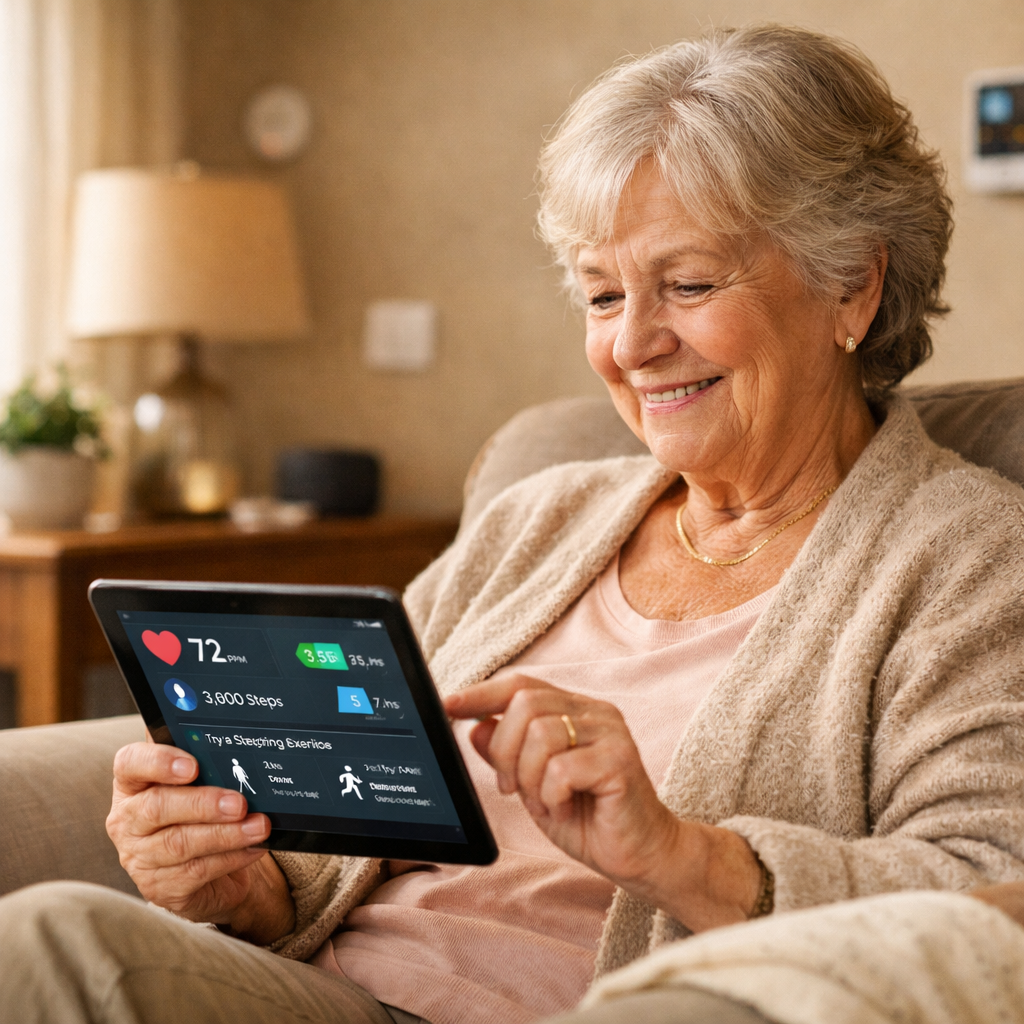
Wearable devices have evolved far beyond simple step counters. Today’s wearables continuously track vital signs—heart rate, blood pressure, sleep patterns, and activity levels—transmitting this information seamlessly to monitoring systems. The beauty is in their simplicity: slip on a watch or clip on a small device, and it works automatically. No complicated procedures, no disruption to your daily routine. One study found that seniors using wearables for health monitoring reported feeling more confident and secure in their daily activities, knowing someone would be alerted if something seemed wrong.
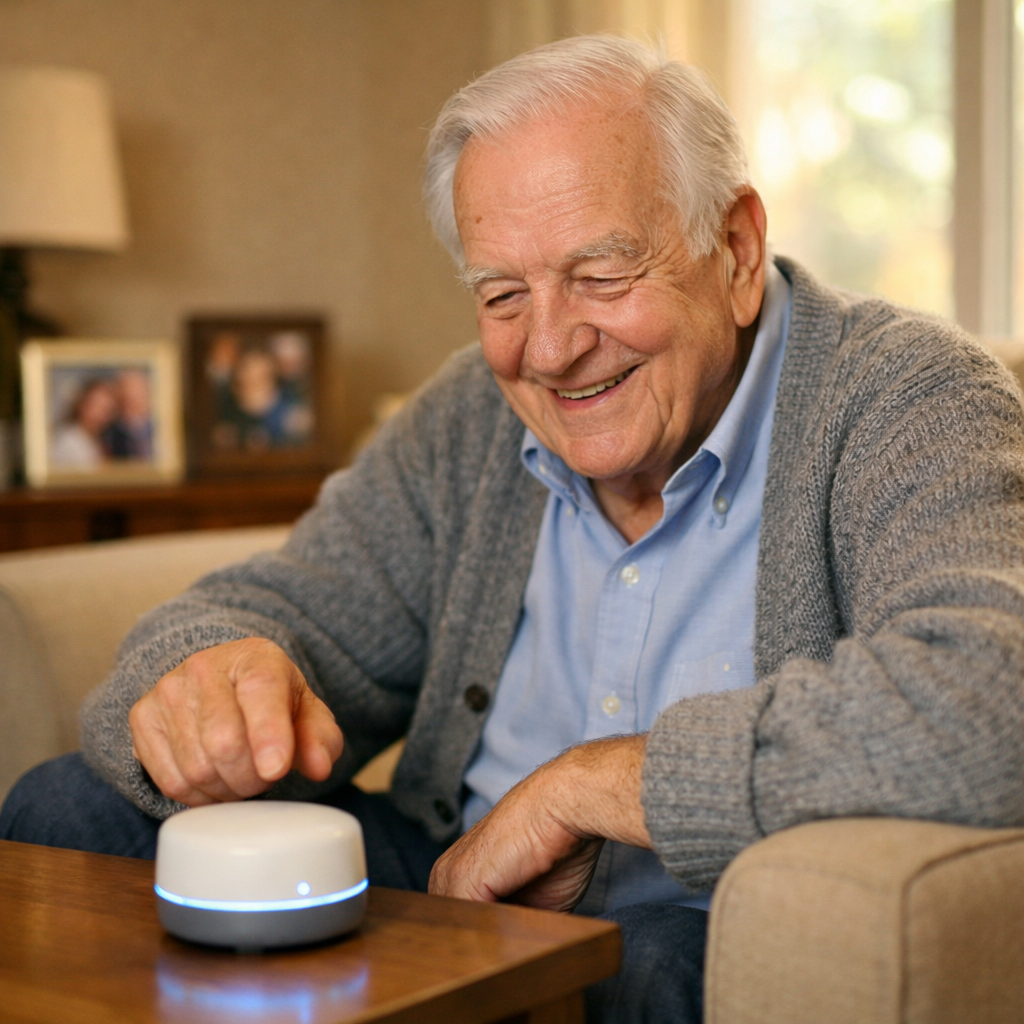
Natural language processing breaks down communication barriers that often frustrate seniors. This technology allows you to interact with health systems using everyday conversation—no technical jargon required. You can ask questions about your medications, report symptoms, or request appointment reminders using your own words, just like talking to a helpful friend. For seniors with vision or mobility challenges, voice-activated systems provide independence that wasn’t possible before.
Together, these technologies create a safety net that’s both invisible and powerful, working continuously to support your independence without constantly reminding you that you’re being monitored.
Personalization: The Heart of AI-Powered Care
Here’s where AI truly shines—in its ability to treat you as the unique individual you are. The personalization mechanisms built into modern AI care systems go far beyond basic demographics.
Every person generates a unique health signature—patterns in how your body responds to medications, times of day when you’re most active, even how your mood affects your physical well-being. AI systems learn these patterns from your individual health data, creating customized interventions that work specifically for you. If you tend to experience dizziness after taking medication on an empty stomach, the system learns this pattern and sends gentle reminders to have a snack first. If you’re most energized for physical activity in the morning, it suggests exercise routines timed to match your natural rhythms.
Adaptive care planning takes this personalization even further. As your needs and circumstances change—and they will, because life is dynamic—the AI adjusts its recommendations accordingly. Recovering from surgery? The system modifies your activity suggestions and monitoring parameters. Discovered a new passion for painting? It incorporates this interest into recommendations for social groups and cognitive wellness activities.
Real-world examples demonstrate this power beautifully. Take Margaret, a 73-year-old with diabetes and arthritis. Her AI-powered care system learned that her blood sugar levels dropped dangerously when she worked in her garden for extended periods. The system began sending her gentle alerts after 45 minutes of outdoor activity, suggesting she take a break and check her glucose. This simple, personalized intervention prevented multiple emergency situations while allowing Margaret to continue her beloved hobby.
Or consider Robert, an 80-year-old widower struggling with social isolation. His AI companion noticed decreasing activity levels and changes in speech patterns indicating depression. The system didn’t just alert his family—it proactively suggested local senior centers with activities matching his interests in woodworking and chess, then helped him schedule visits. Within weeks, Robert had found a new community and rekindled old passions.
These systems also facilitate decision-making by presenting health information in ways that make sense for each individual. Some seniors prefer detailed explanations and data; others want simple yes-or-no recommendations. AI adapts its communication style to match your preferences, ensuring you always feel informed and empowered to make choices about your care.
The Life-Changing Benefits You Need to Know
The advantages of AI in senior care extend into every corner of daily life, creating ripple effects that transform not just health outcomes but overall quality of life.
Increased safety tops the list for most families. AI-powered monitoring can detect falls, unusual activity patterns, or wandering behaviors that might indicate confusion. But unlike traditional alert systems that require you to press a button, modern AI works proactively. One woman shared how her mother’s AI system detected a fall at 3 AM and automatically contacted emergency services—something her mother couldn’t have done herself after becoming disoriented. The quick response prevented serious complications.
Better health management becomes almost effortless when AI handles the complex juggling of medications, appointments, and symptom tracking. Research shows that seniors using AI-assisted health management have significantly better medication adherence rates and fewer preventable hospital readmissions. The system remembers what you might forget, organizes what might overwhelm you, and anticipates what you might miss.
Enhanced social engagement addresses one of the most dangerous yet overlooked threats to senior wellness: loneliness. AI companions don’t replace human interaction—they facilitate it. These systems learn your interests and suggest community activities, help you maintain connections with family through simplified video calling, and even provide friendly conversation during quiet moments. Studies reveal that seniors with AI companion systems report feeling less isolated and more connected to their communities.
Caregiver relief might be the most underappreciated benefit. Family caregivers often experience crushing stress from constant worry and exhausting responsibilities. AI systems provide peace of mind by handling routine monitoring, sending alerts only when truly necessary, and automating many time-consuming tasks. Adult children report sleeping better knowing their parent has 24/7 monitoring, while still maintaining the dignity and independence their loved ones cherish.
A particularly touching story comes from Jennifer, whose father initially resisted any form of assisted living. After trying an AI care system at home, he discovered it actually increased his independence rather than restricting it. The system handled medication reminders and health monitoring while suggesting activities aligned with his interests—including a photography club where he made new friends. ““Dad says the AI helps him live more, not less,”,” Jennifer shared.
Important Considerations Before You Begin
While AI offers tremendous benefits, approaching it thoughtfully ensures you maximize advantages while addressing legitimate concerns.
Privacy and data security rightfully concern many seniors. Your health information is deeply personal, and protecting it matters. Look for systems that use bank-level encryption, store data securely, and give you control over who accesses your information. Government support and clear guidelines are needed to promote ethical AI implementation in healthcare. Reputable AI care platforms are transparent about data practices and comply with strict healthcare privacy regulations. Don’t hesitate to ask providers detailed questions about how your data is protected and used.
Accuracy and reliability vary between systems. AI is powerful but not perfect. Choose established platforms with proven track records rather than experimental technologies. Read user reviews, ask for clinical validation studies, and understand the system’s limitations. A good AI care system should be transparent about its accuracy rates and have backup protocols for when technology fails.
Equity and accessibility remain crucial considerations. The best AI solutions work for everyone, regardless of income, education level, or physical abilities. Push for systems with adjustable interfaces, multiple language options, and pricing structures that accommodate fixed incomes. Technology should enhance accessibility, not create new barriers.
Ethical implications deserve attention too. AI should augment human care, not replace it. The warmth of human connection, the nuance of face-to-face conversation, the comfort of a caregiver’s touch—these remain irreplaceable. Effective AI care balances technological assistance with genuine human interaction, ensuring seniors receive both efficiency and empathy.
Transparency in how AI makes decisions also matters. You should understand why the system makes certain recommendations, not blindly follow mysterious algorithms. Insist on AI platforms that explain their reasoning in plain language, empowering you to make informed choices about your care.
Getting Started: A Practical Implementation Guide
Ready to explore AI for your care or a loved one’s? Here’s how to begin thoughtfully and successfully.
Start with a pilot project rather than diving in completely. Choose one area where AI could make an immediate difference—perhaps medication management or fall detection. Test a system for a defined period, maybe three months, to evaluate its effectiveness without overwhelming yourself with too many changes at once.
Define clear success metrics before starting. What would improvement look like for you? Fewer missed medications? More social activities? Better sleep? Having specific goals helps you objectively assess whether the technology delivers value. Keep a simple journal tracking these metrics, noting both quantitative data (like number of pills missed) and qualitative observations (like how confident you feel).
User-friendly interfaces are non-negotiable. The technology should be intuitive enough that you can use it independently or with minimal assistance. During your trial period, note any confusion or frustration. SilverSmart’s AI Companion offers personalized guidance designed specifically for seniors. The right system should simplify your life, not complicate it. Don’t settle for technology that requires constant technical support or makes you feel incompetent.
Training matters—for both seniors and caregivers. Take advantage of tutorials, support hotlines, and in-person demonstrations offered by providers. Many companies provide personalized setup assistance, walking you through each feature until you’re comfortable. Remember, feeling uncertain at first is normal. Give yourself time to learn, and don’t hesitate to ask questions repeatedly until concepts click.
Involve family members or caregivers from the beginning. They should understand how the system works, what alerts mean, and when intervention is necessary. This shared understanding prevents confusion during emergencies and helps everyone feel confident in the technology.
Embracing Your AI-Enhanced Future
The future of AI in senior care promises even more exciting developments. Deeper integration with healthcare systems will create seamless experiences where your AI care platform communicates directly with doctors, pharmacies, and hospitals. Imagine your wearable detecting an irregular heartbeat, automatically sharing data with your cardiologist, and scheduling a same-day telehealth consultation—all before you even notice symptoms.
Empathic AI represents the next frontier, with systems that recognize emotional states through voice tone, facial expressions, and behavior patterns. These advanced companions won’t just monitor physical health—they’ll provide emotional support during difficult moments, celebrate achievements with you, and even sense when you might benefit from human interaction.
But here’s what matters most: AI is a tool for living more fully, not just living longer. At SilverSmart, we believe retirement should be a journey of continuous discovery, exploration, and thriving. AI-powered care aligns perfectly with this philosophy by removing obstacles that might prevent you from discovering new passions and interests.
Imagine having the confidence to try that pottery class you’ve always been curious about, knowing your health monitoring system provides a safety net. Picture exploring new hobbies without worrying whether you’ll remember to take your medications or whether anyone will notice if you need help. Envision staying in your beloved home, surrounded by memories and independence, because technology fills the gaps that once would have forced difficult decisions about assisted living.
The AI revolution in senior care isn’t about replacing human connection or turning retirement into a clinical experience. It’s about enhancing your golden years with tools that work quietly in the background, providing security and support so you can focus on what truly matters—discovering new interests, deepening relationships, staying active, and thriving on your own terms.
Your doctor might not tell you about these possibilities during a rushed office visit, but they’re here now, proven, and more accessible than ever. The question isn’t whether AI will transform senior care—it already is. The real question is whether you’ll embrace these innovations to live your most fulfilling retirement yet.
After all, you’ve earned these years. Why not make them your best ones?