
Growing older doesn’t mean slowing down—it means discovering new ways to thrive. Active aging is a lifelong process that focuses on maintaining your physical health, keeping your mind sharp, and staying connected with the people and communities around you. It’s about making choices every day that support your independence, boost your energy, and help you live life on your own terms.
Think of active aging as your personal toolkit for wellness. Just as you might have maintained your car or tended to your garden over the years, active aging means taking care of yourself through intentional habits and lifestyle choices. These strategies aren’t about perfection or pushing yourself beyond your limits. Instead, they’re about finding what works for you—whether that’s a morning walk around the neighborhood, learning a new recipe, or calling a friend for a weekly chat.
The beauty of active aging strategies is that they work together. When you stay physically active, you often feel more energized and motivated to connect socially. When you engage your mind with new learning experiences, you open doors to meeting like-minded people. When you prioritize preventive care and good sleep, you have the stamina to pursue your interests. It’s a positive cycle that keeps building momentum, helping you wake up each day feeling ready to embrace whatever comes your way.

Building Your Foundation: The Core Principles of Active Aging
At the heart of active aging is one simple truth: you have more control over your well-being than you might think. Your daily choices matter—what you eat, how you move, who you spend time with, and how you challenge your brain all contribute to your quality of life.
Let’s start with being proactive about your health. This means making lifestyle choices that work for you rather than waiting for problems to arise. Maybe you’ve noticed that your neighbor Margaret joined a local gardening club last spring. She wasn’t just growing tomatoes—she was bending, stretching, socializing with fellow gardeners, and learning about new plant varieties. That’s proactive health in action. She chose an activity that brought her joy while naturally incorporating movement, mental engagement, and social connection.
Staying socially connected is another cornerstone of active aging. Loneliness can affect your health just as much as physical inactivity. When you maintain relationships and build new ones, you create a support network that enriches your life. Think about joining a book club at your local library, attending community events, or volunteering for a cause you care about. Even something as simple as becoming a regular at your neighborhood coffee shop creates meaningful connections.
Mental engagement keeps your brain healthy and adaptable. This doesn’t mean you need to solve complex math problems or learn quantum physics (unless that interests you!). It can be as straightforward as trying a new recipe each week, working on crossword puzzles, taking up painting, or exploring topics that have always intrigued you. When you challenge your mind regularly, you’re building cognitive reserve—think of it as a savings account for your brain health.
The key is adapting activities to match your current abilities and environment. If you used to love hiking but find steep trails challenging now, consider scenic walks in local parks or nature centers with paved paths. If you played tennis competitively, perhaps pickleball or table tennis would be a perfect fit. Active aging means evolving your interests rather than abandoning them.
Practical Methods for Staying Energized and Independent
Let’s dig into the specific strategies that make active aging work in real life. These aren’t abstract concepts—they’re actionable approaches you can start using today.
Balanced Nutrition: Fuel Your Body Right
Your body needs good fuel to keep you energized. Focus on filling your plate with colorful vegetables, fresh fruits, whole grains, lean proteins, and healthy fats. Picture yourself meal prepping on Sunday afternoon—washing and chopping bright red peppers, leafy spinach, and orange carrots. Store them in clear containers so they’re ready to add to meals throughout the week. This simple habit makes healthy eating effortless.
Stay hydrated by keeping a water bottle within reach throughout the day. Many people find that adding a slice of lemon or cucumber makes water more appealing. If you’re concerned about getting proper nutrition, consider talking with your doctor about whether you might benefit from vitamin D or B12 supplements, which many seniors need.
Regular Physical Activity: Move Your Body Daily
You don’t need a gym membership or fancy equipment to stay active. The goal is simply to move your body in ways that feel good and match your fitness level. Start with what you can do comfortably and build from there.
Walking is one of the best exercises for seniors. Join a walking group at your local mall or park—many communities have groups that meet several times a week. You’ll get your steps in while enjoying conversation and fresh air. If balance is a concern, consider using walking poles for extra stability.
Chair exercises are perfect for days when you need something gentler. You can strengthen your arms, legs, and core while seated, making this option accessible even if standing for long periods is difficult. Many senior centers offer chair yoga or chair aerobics classes that combine movement with social interaction.
Water aerobics provides excellent low-impact exercise. The water supports your joints while offering resistance that builds strength. Many YMCAs and community pools have classes specifically designed for seniors.
Cognitive and Mental Well-being: Keep Your Mind Sharp
Your brain thrives on novelty and challenge. Make it a habit to learn something new regularly. This could mean taking an online class about history, learning to play an instrument, or mastering a new technology skill like video calling with grandchildren.
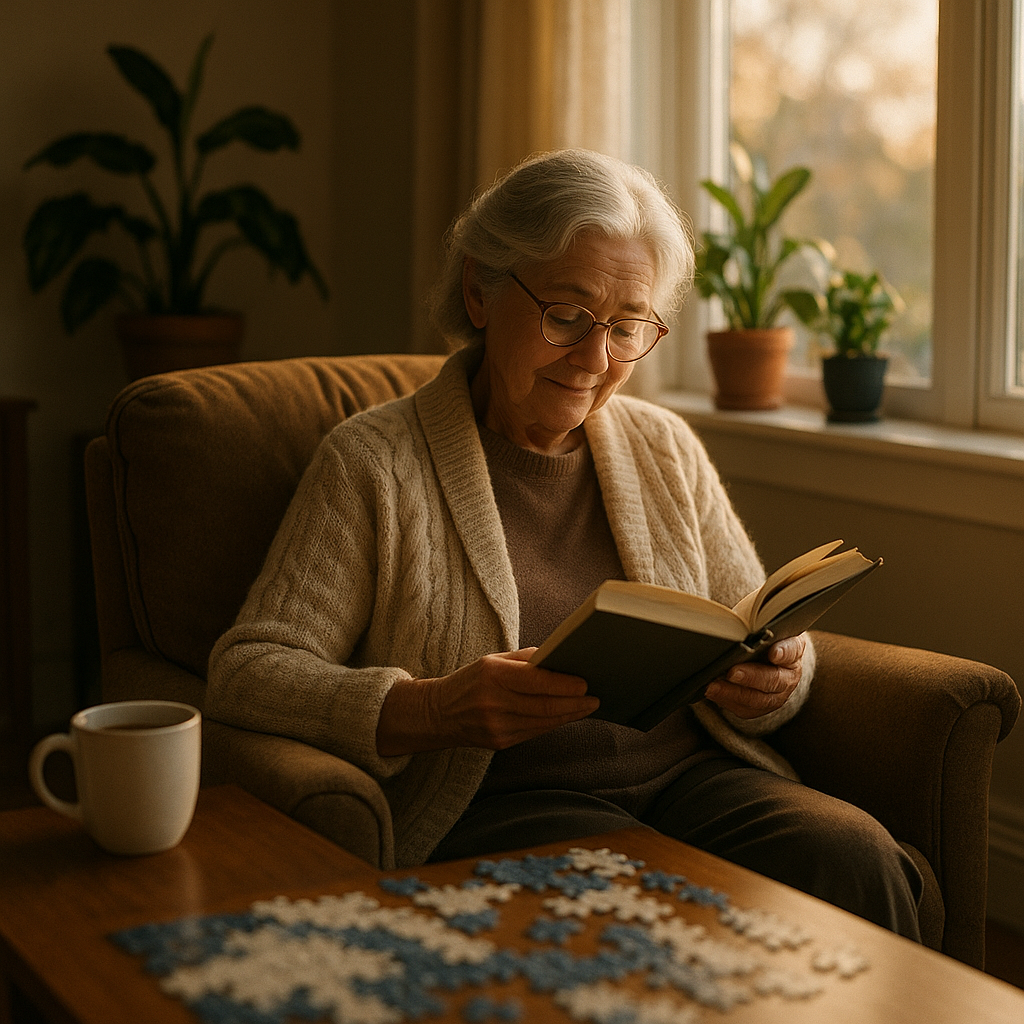
Puzzles and brain games aren’t just entertainment—they’re workouts for your mind. Whether you prefer crosswords, Sudoku, jigsaw puzzles, or card games like bridge, find what you enjoy and make it part of your routine.
Reading remains one of the most beneficial activities for cognitive health. Join a book club to combine reading with social discussion, or listen to audiobooks while you walk or do household tasks.
Social Connectivity: Build and Maintain Relationships
Isolation is one of the biggest threats to healthy aging. Make social connection a priority by scheduling regular activities with others. This might mean having coffee with a friend every Tuesday morning, attending religious services, joining a hobby group, or volunteering at a local organization.
Technology can help bridge distances. Learn to use video calling apps to stay in touch with family and friends who live far away. Many libraries and senior centers offer free classes on using smartphones and computers.
Consider getting a pet if you’re able to care for one. Dogs, cats, and even birds provide companionship and can facilitate social connections when you’re out walking or at the vet.
Preventive Care: Stay Ahead of Health Issues
Schedule regular check-ups with your doctor, dentist, and eye doctor. These appointments catch potential problems early when they’re easier to address. Keep a list of questions or concerns to discuss during appointments so you make the most of your time.
Stay current with recommended screenings and vaccinations. This includes flu shots, pneumonia vaccines, and other preventive care appropriate for your age and health status.
Monitor important health markers like blood pressure and blood sugar if you have conditions that require it. Many pharmacies offer free blood pressure checks, and home monitoring devices are affordable and easy to use.
Sleep Quality: Rest and Restore
Good sleep is essential for energy, mood, and overall health. Establish a consistent sleep schedule by going to bed and waking up at the same times each day, even on weekends. Create a bedtime routine that signals to your body it’s time to wind down—perhaps reading, gentle stretching, or listening to calming music.
Make your bedroom conducive to sleep by keeping it cool, dark, and quiet. If you wake during the night, avoid checking the clock or your phone, which can make it harder to fall back asleep.
Safety and Fall Prevention: Protect Your Independence
Make your home safer by removing tripping hazards like loose rugs and ensuring adequate lighting, especially on stairs. Install grab bars near the toilet and in the shower. These modifications aren’t signs of weakness—they’re smart strategies that help you stay independent longer.
Review your medications with your doctor to ensure none are increasing your fall risk through side effects like dizziness or drowsiness.
Your Action Plan: Daily and Weekly Steps
Let’s turn these strategies into concrete actions you can take starting today.
Daily Movement Routine: Aim for 30 minutes of activity, which you can break into smaller chunks. Try a 10-minute walk after breakfast, some chair exercises during your favorite TV show, and gentle stretching before bed.
Meal Planning: Set aside time once a week to plan healthy meals. Make a grocery list that includes plenty of colorful produce, whole grains, and lean proteins. Consider cooking larger portions and freezing individual servings for easy, healthy meals later.
Learn Something New: Dedicate 15-20 minutes daily to learning. This might be reading a chapter of a book, working on a puzzle, or practicing a new skill.
Social Activities: Schedule at least two social activities per week. Mark them on your calendar just as you would a doctor’s appointment—they’re that important.
Preventive Care Reminders: Set phone or calendar reminders for annual check-ups, medication refills, and recommended screenings. Don’t put these off.
Sleep Optimization: Start your bedtime routine at the same time each evening. Give yourself at least 30 minutes to unwind before trying to sleep.
Overcoming Common Barriers
Many seniors face obstacles when trying to stay active and engaged. Here’s how to address them:
Limited Mobility: Focus on what you can do rather than what you can’t. Chair exercises, water aerobics, and adapted yoga can keep you moving safely. Physical therapists can suggest exercises tailored to your specific limitations.
Access and Cost: Look for free or low-cost community resources. Libraries, senior centers, parks departments, and faith communities often offer programs at no charge. Many organizations provide sliding-scale fees based on income.
Motivation: Start small and set achievable goals. Instead of committing to exercising every day, start with twice a week. Success builds momentum. Finding an activity buddy also helps—you’ll motivate each other and be less likely to skip.
Transportation: Many communities offer senior transportation services, often at reduced rates. Ask your local Area Agency on Aging about options. Some volunteer organizations provide rides to appointments and activities.
Technology Challenges: Don’t let technology frustrate you. Ask family members, librarians, or take advantage of free tech classes for seniors. Once you master basic skills like video calling or online learning platforms, new worlds of connection and learning open up.
Tracking Your Progress
How do you know if your active aging strategies are working? Look for these signs of progress:
Physical Improvements: Notice if you can walk farther without getting tired, climb stairs more easily, or have better balance. Maybe you can carry groceries that used to feel heavy, or you recover more quickly from physical activity.
Cognitive Function: Are you finding it easier to remember names and appointments? Can you concentrate on tasks for longer periods? Do you feel mentally sharper?
Mood and Emotional Well-being: Pay attention to your overall mood. Do you feel more optimistic? Are you experiencing less anxiety or depression? Better sleep quality often correlates with improved mood.
Social Engagement: Count how many meaningful interactions you have each week. Are you forming new friendships? Do you feel more connected to your community?
Keep a simple journal where you jot down accomplishments, how you’re feeling, and activities you’ve enjoyed. Looking back over weeks and months, you’ll see patterns and progress that might not be obvious day-to-day.
Embracing Your Best Years
Active aging isn’t a destination—it’s a journey of continuous discovery and growth. Every small choice you make contributes to your overall well-being. When you prioritize movement, mental engagement, social connection, and preventive care, you’re investing in your future self.
The benefits of these strategies extend far beyond physical health. You’ll experience greater energy that helps you pursue your interests. You’ll maintain the independence that allows you to live life on your terms. You’ll build connections that bring joy and support. Most importantly, you’ll have peace of mind knowing you’re doing everything possible to live your best life.
Remember, it’s never too late to start. Whether you’re 60, 70, 80, or beyond, the strategies you implement today will shape your tomorrow. Start with one small change—a daily walk, a weekly call to a friend, or trying one new recipe. Build from there. Your energized, independent, and socially thriving life is waiting. All you need to do is take that first step.