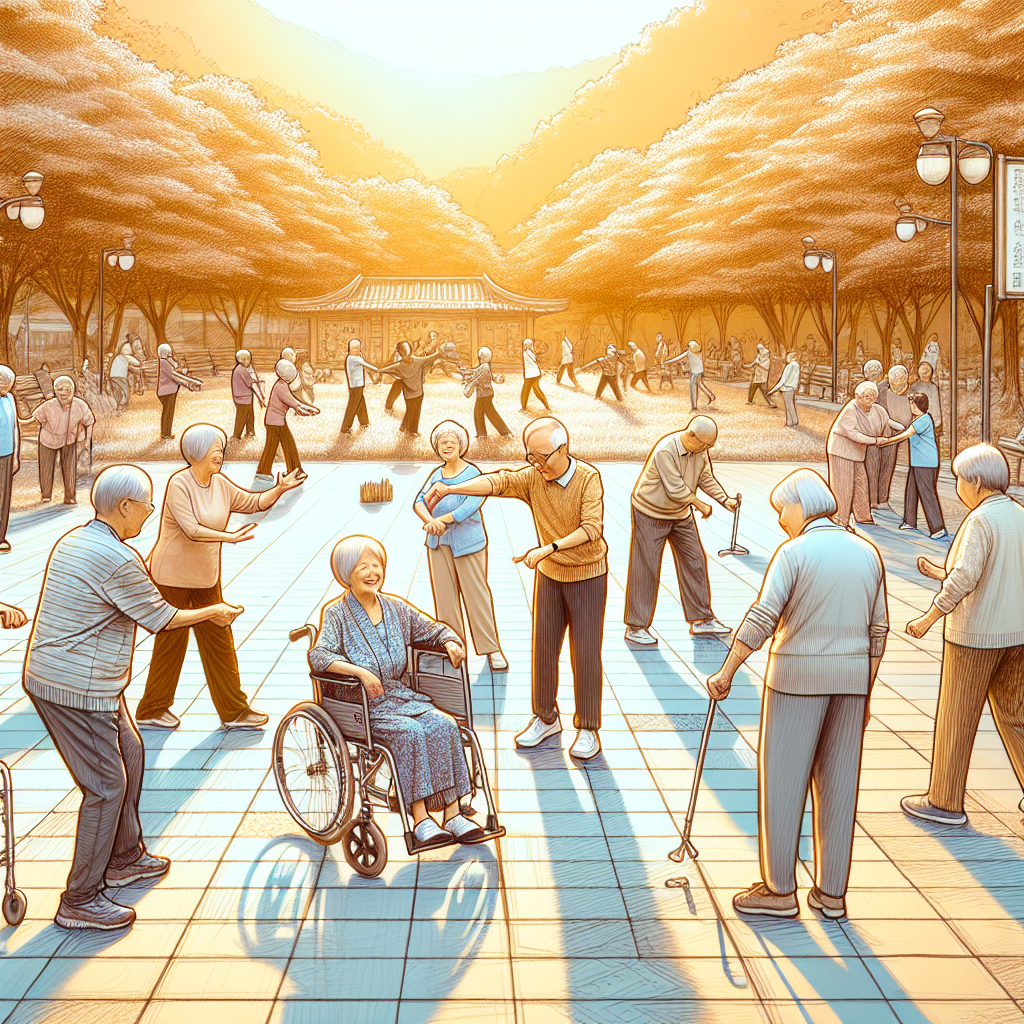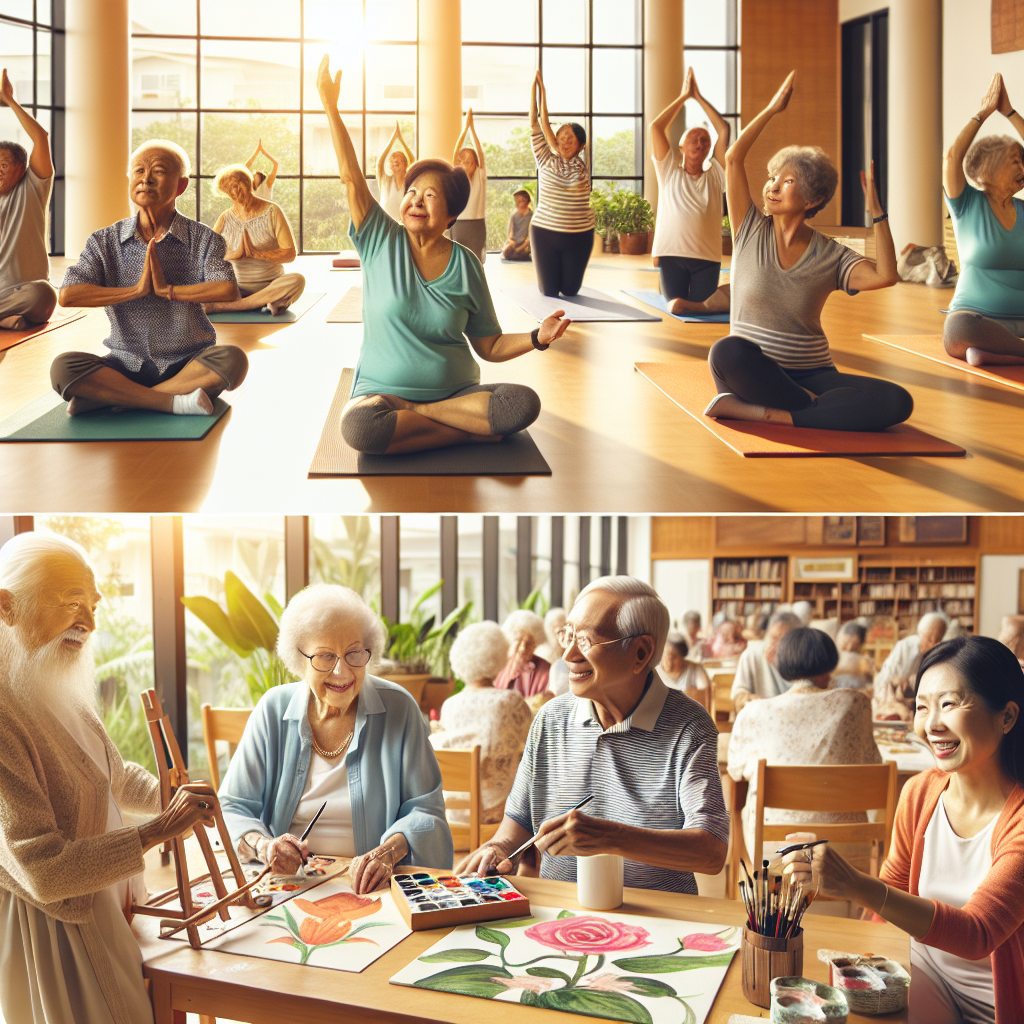
Retirement doesn’t mean slowing down—it means discovering new ways to move, grow, and thrive. If you’re among the millions of seniors embracing this exciting chapter of life, you already know that staying active is key to maintaining independence, vitality, and joy. But here’s the good news: you don’t need an expensive gym membership or complicated equipment to keep your body strong and your spirit vibrant.
Active aging exercises are all about integrating movement into your daily routine in ways that feel natural, enjoyable, and sustainable. Whether you’re taking your first steps toward a more active lifestyle or looking to maintain the momentum you’ve already built, the exercises we’ll explore today can transform your retirement years into a time of discovery, connection, and fulfillment. At SilverSmart, we believe that retirement should be a journey of continuous growth—and physical wellness is the foundation that makes everything else possible.
Moving Your Body, Elevating Your Heart: Aerobic Activities for Seniors
Aerobic exercise is the cornerstone of active aging, and the beauty of it lies in its simplicity. You don’t need a treadmill or a spinning class to get your heart pumping and your blood flowing. Some of the most effective aerobic activities are ones you can do right outside your front door.
Brisk walking remains one of the most accessible and beneficial exercises for seniors. Research shows that aiming for 8,000 to 10,000 steps daily can significantly improve cardiovascular health, boost mood, and maintain healthy weight. The best part? Walking connects you with nature and your community. Take a stroll through your local park, explore a new neighborhood, or join a walking group to combine physical activity with social connection. Many seniors find that their morning walk becomes a cherished ritual—a time to clear their mind, observe the changing seasons, and greet familiar faces along the way.
One retiree from Portland, Sarah Chen, shared her experience: “I started walking just 15 minutes a day after I retired. Three years later, I’m walking an hour every morning, and I’ve discovered trails I never knew existed in my own city. It’s become my favorite way to start the day—it’s like I’m exploring my own backyard with fresh eyes.“
Swimming and water aerobics offer another incredible option for seniors looking to stay active without putting stress on their joints. The buoyancy of water supports your body weight, making you feel weightless while you work every major muscle group. Many community centers and YMCAs offer senior-specific water aerobics classes that combine cardiovascular exercise with strength training and social interaction. If you’re new to aquatic exercise, start with simple water walking in the shallow end and gradually progress to more dynamic movements.
These aerobic activities align perfectly with SilverSmart’s philosophy of promoting physical wellness through lifelong learning and discovering new hobbies. Perhaps you’ve never considered yourself a “walker” or a “swimmer”—but retirement is the perfect time to redefine what movement means to you. Each step, each lap in the pool, is an opportunity to discover what your body can do and to explore the world around you with renewed energy.
Building Strength Without the Weight Room: Resistance Training at Home
Strength training might sound intimidating, but it’s one of the most important components of active aging exercises. As we age, we naturally lose muscle mass—a process called sarcopenia—which can lead to decreased metabolism, reduced bone density, and increased risk of falls. The good news? You can combat this process with simple strength training exercises using minimal equipment.
Resistance bands are your secret weapon for building muscle at home. These affordable, portable tools provide adjustable resistance that’s perfect for seniors at all fitness levels. You can use them for dozens of exercises targeting every major muscle group. Try these movements to get started:
- Seated row: Sit in a sturdy chair with your legs extended, loop the band around your feet, and pull the handles toward your torso. This strengthens your back and improves posture.
- Chest press: Secure the band behind you at chest height and press forward, working your chest and arms.
- Leg extensions: Sit with the band looped around one ankle and the other end secured to a chair leg, then extend your leg to strengthen your quadriceps.
You can also incorporate bodyweight exercises that require no equipment at all. Wall push-ups are an excellent starting point for building upper body strength—simply stand arm’s length from a wall, place your hands on it at shoulder height, and perform push-ups against the wall. As you build strength, you can progress to push-ups from your knees and eventually full push-ups from the floor.
Chair squats are another fundamental exercise that builds leg strength and improves your ability to perform everyday activities like getting up from a chair or climbing stairs. Stand in front of a sturdy chair, lower yourself until you’re just about to sit (or lightly touch the seat), then stand back up. Start with 5 to 10 repetitions and gradually increase as you get stronger.
Robert Martinez, a 68-year-old retiree from Arizona, discovered the transformative power of resistance training: “I thought strength training was for bodybuilders, not guys like me. But after three months of working with resistance bands three times a week, I noticed I could carry my groceries without getting tired, play with my grandkids longer, and even felt more confident in how I moved through the world.“
This aspect of active aging exercises embodies SilverSmart’s mission of fostering growth and vitality in retirement. Each repetition is an investment in your independence, each set a step toward maintaining the strength to do the things you love—whether that’s gardening, traveling, or simply keeping up with your grandchildren.
Finding Your Center: Balance and Flexibility Exercises
Balance and flexibility often decline with age, but these crucial abilities can be maintained and even improved with the right exercises. Falls are a leading cause of injury among seniors, but balance training can dramatically reduce this risk while boosting your confidence and independence.
Tai chi has been called “meditation in motion,” and for good reason. This ancient Chinese practice involves slow, flowing movements that enhance balance, flexibility, and mental clarity. Research consistently shows that tai chi practitioners experience fewer falls, better balance, and improved overall mobility. The gentle nature of tai chi makes it accessible to seniors of all fitness levels, and its meditative quality provides mental health benefits alongside physical ones.
Many community centers offer tai chi classes specifically for seniors, but you can also practice at home using online videos or DVDs. Start with simple movements like “cloud hands” or “parting the wild horse’s mane,” and you’ll quickly discover how the deliberate, mindful movements improve your body awareness and stability.
Yoga offers similar benefits with perhaps even more variety. Chair yoga, in particular, is designed specifically for seniors or those with limited mobility. You can perform modified versions of traditional yoga poses while seated, improving flexibility, balance, and strength without getting down on the floor. Poses like seated cat-cow stretches, gentle twists, and modified forward folds help maintain spinal flexibility and improve circulation.
Don’t overlook simple balance exercises you can practice daily:
- Single-leg stands: Stand near a counter or sturdy chair for safety, lift one foot off the ground, and hold for 10-30 seconds. Switch legs and repeat. As you improve, try closing your eyes for an added challenge.
- Heel-to-toe walk: Walk in a straight line, placing the heel of one foot directly in front of the toes of the other, as if you’re walking on a tightrope.
- Ankle circles: While seated or standing (with support), lift one foot and rotate your ankle in circles to improve joint mobility and ankle strength.
These balance and flexibility exercises resonate deeply with SilverSmart’s vision of empowering seniors to live connected and fulfilling lives. When you feel steady on your feet, you feel confident exploring new places, trying new activities, and embracing the adventures that retirement offers. You’re not just preventing falls—you’re opening doors to possibilities.
The Mind-Body Connection: Mental Health Benefits of Movement
Here’s something that might surprise you: the most important muscle you’re exercising might be your brain. Regular physical activity provides profound mental health benefits that are especially important as we age.
Studies consistently show that seniors who engage in regular active aging exercises experience:
- Improved mood and reduced symptoms of depression: Exercise triggers the release of endorphins, often called “feel-good hormones,” which naturally elevate mood and combat feelings of sadness or isolation.
- Enhanced cognitive function: Physical activity increases blood flow to the brain, supporting memory, focus, and processing speed. Research suggests that regular exercise may reduce the risk of cognitive decline and dementia.
- Better sleep quality: Seniors who exercise regularly report falling asleep faster and experiencing deeper, more restorative sleep.
- Reduced anxiety and stress: Movement helps regulate stress hormones like cortisol, promoting a calmer, more balanced emotional state.
Margaret Thompson, a 72-year-old who started a walking routine after her husband passed away, shared: “Those walks saved me during the darkest time of my life. At first, I walked to escape the empty house. But gradually, I noticed the fog lifting. I started noticing the birds, the changing leaves, the friendly neighbors. Movement gave me a reason to keep going, and eventually, I found joy again.“
This mind-body connection is at the heart of SilverSmart’s innovative approach. Just as our AI technology provides personalized guidance and fosters meaningful connections, regular exercise connects you more deeply with yourself, your community, and the present moment. It’s not just about physical health—it’s about creating a foundation for emotional well-being and continued growth.
The weekly interactions and personalized recommendations we provide at SilverSmart complement your physical activity routine by helping you discover new interests, track your achievements, and celebrate progress. When physical movement combines with mental engagement and social connection, that’s when true thriving begins.
Moving Safely: Important Considerations for Senior Exercise
While active aging exercises offer tremendous benefits, safety should always be your top priority. Before starting any new exercise regimen, consult with your healthcare provider, especially if you have existing health conditions like heart disease, diabetes, arthritis, or osteoporosis. Your doctor can provide personalized recommendations based on your specific health status and limitations.
Here are essential safety guidelines to follow:
Start slow and progress gradually. If you’re new to exercise or returning after a period of inactivity, begin with just 5-10 minutes of gentle movement and slowly increase duration and intensity over weeks and months. Your body needs time to adapt, and patience prevents injury.
Listen to your body. Some mild muscle soreness after exercise is normal, but sharp pain, chest pain, severe shortness of breath, or dizziness are warning signs to stop immediately and seek medical attention. Learn to distinguish between the productive discomfort of challenging yourself and the pain that signals something’s wrong.
Stay hydrated. Older adults may not feel thirsty even when dehydrated. Drink water before, during, and after exercise, especially in warm weather.
Wear appropriate footwear. Supportive, properly fitted shoes with good traction reduce fall risk and provide the foundation for safe movement.
Create a safe environment. Remove tripping hazards, ensure good lighting, and exercise on stable, level surfaces. Keep a phone nearby in case of emergency.
Warm up and cool down. Begin each exercise session with 5-10 minutes of gentle movement to warm your muscles, and end with gentle stretching to improve flexibility and prevent soreness.
Exercise with others when possible. Whether it’s a walking partner, a class, or simply telling someone your exercise schedule, having accountability and support enhances safety and motivation.
Remember, the goal isn’t to become an elite athlete—it’s to maintain and improve your quality of life. Every bit of movement counts, and consistency matters more than intensity. Even on days when you don’t feel like exercising, a gentle 10-minute walk or some seated stretches keeps the habit alive and your body moving.
Your Journey to Thriving: Making Active Aging Part of Your Life
Active aging exercises have the profound power to transform not just your physical health, but every aspect of your retirement experience. When you move regularly, you’re not just maintaining muscle and bone—you’re preserving your independence, protecting your cognitive function, elevating your mood, and opening yourself to new experiences and connections.
The exercises we’ve explored today—brisk walking, swimming, resistance training, balance work, and flexibility exercises—require no expensive gym membership or complicated equipment. They’re accessible, adaptable, and ready to be incorporated into your daily routine starting today. Whether you begin with a 10-minute walk around the block, some seated exercises in your living room, or a gentle tai chi practice in your backyard, you’re taking an important step toward a more vibrant, fulfilling retirement.
At SilverSmart, we’re dedicated to helping you discover, explore, and thrive in your golden years. Just as we use personalized AI-driven guidance to help you unlock new passions and stay engaged, we encourage you to view exercise as another form of exploration—a journey of discovering what your body can do, how movement makes you feel, and where it might take you.
Start where you are. Use what you have. Do what you can. Your body has carried you through decades of life, and with regular active aging exercises, it will continue to support you in writing the next exciting chapters of your story. The retirement you’ve always imagined—filled with adventure, connection, purpose, and vitality—begins with movement.
So lace up those comfortable shoes, roll out that resistance band, or simply stand up and stretch. Your journey to thriving in retirement starts now, one movement at a time.