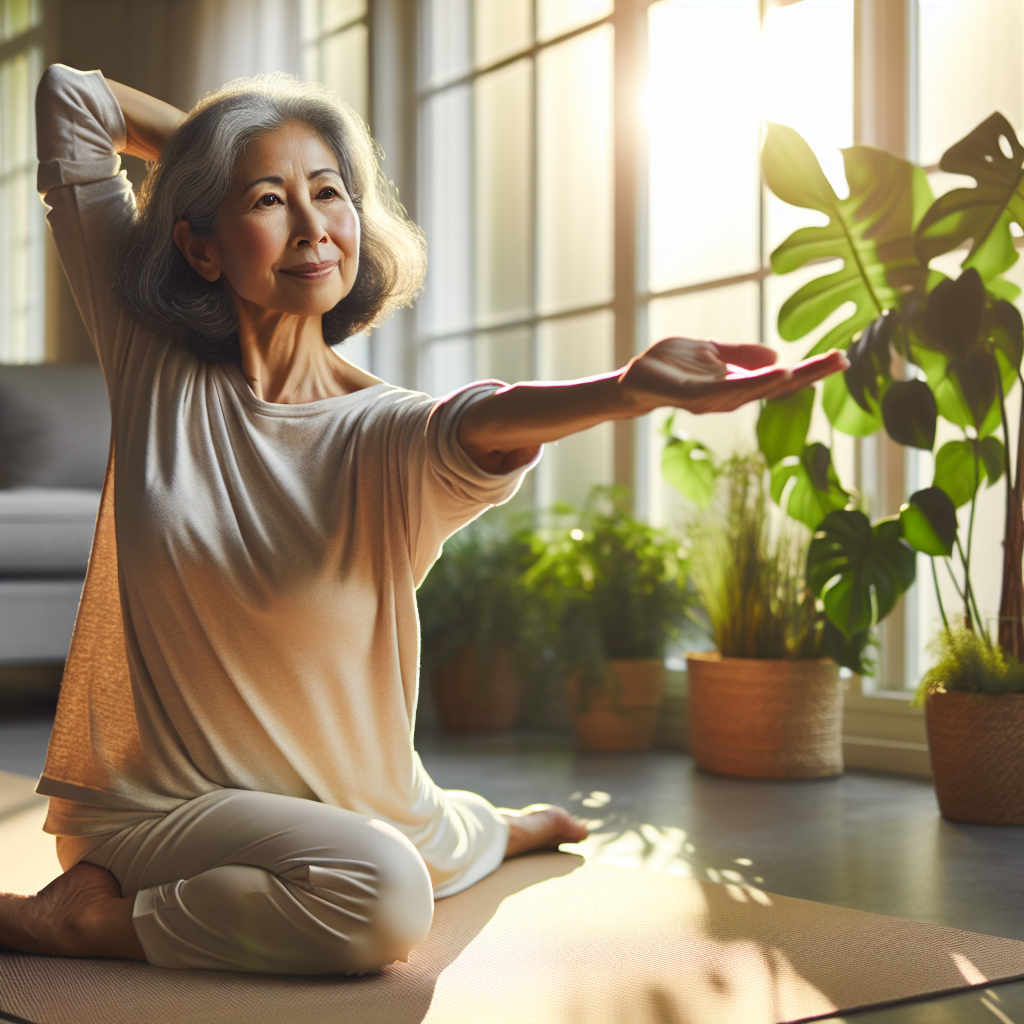
Retirement isn’t the end of the road—it’s the beginning of a whole new journey. For many retirees and seniors, the golden years represent an opportunity to rediscover joy, pursue passions they never had time for, and create meaningful connections. This is what active aging is all about: maintaining physical vitality, keeping your mind sharp, and staying socially engaged as you navigate this exciting chapter of life.
Active aging means more than just staying busy. It’s about transforming ordinary days into extraordinary experiences that nourish your body, mind, and spirit. Whether you’re already retired, supporting a senior loved one, or planning ahead for your own retirement, understanding the power of active aging activities can help you make the most of every moment.
The benefits of staying active as we age are profound and far-reaching. Regular engagement in meaningful activities reduces the risk of chronic diseases, helps maintain independence, and boosts self-esteem. Studies show that physical activity reduces feelings of anxiety, lowers blood pressure, and improves sleep quality. But the advantages go beyond physical health. Active aging also prevents loneliness, enhances cognitive function, and promotes a genuine sense of purpose—like keeping your favorite old car running smoothly, it requires consistent care and attention.
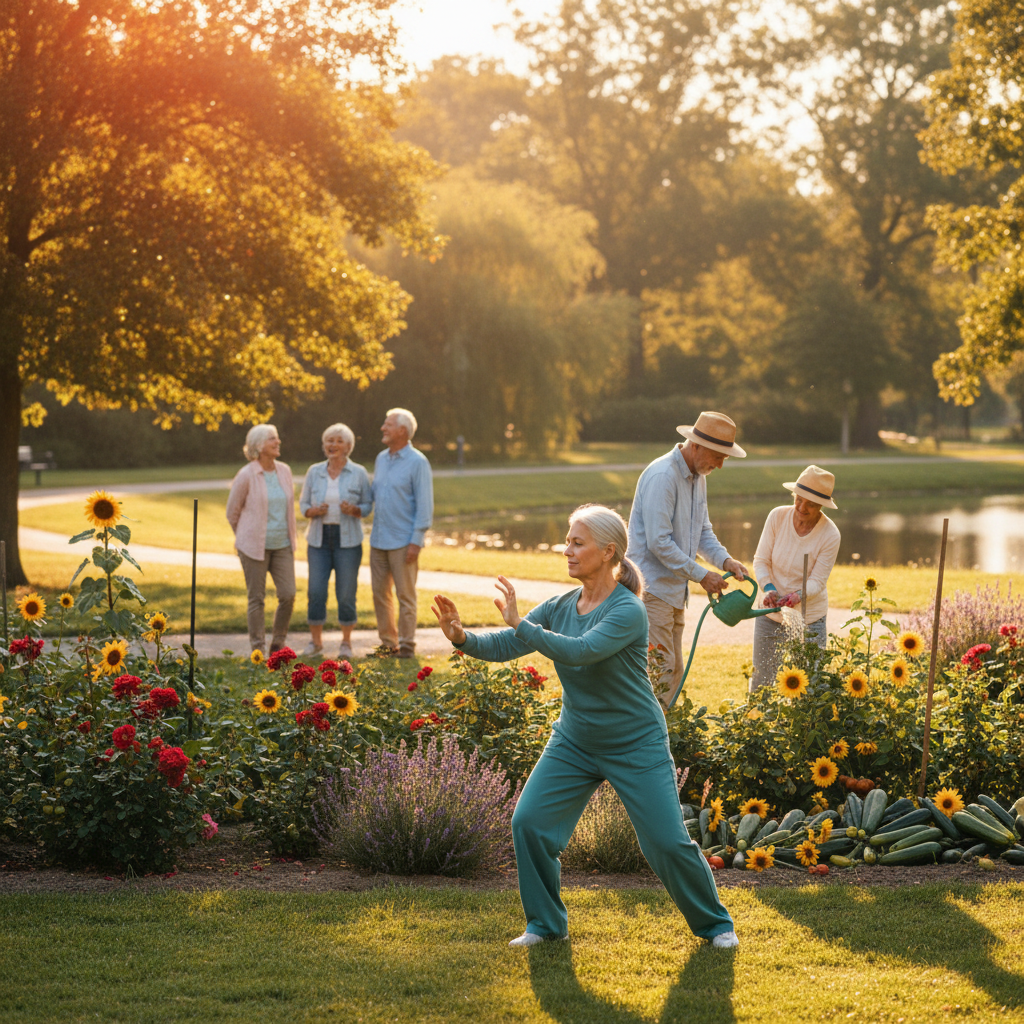
The goal isn’t perfection or pushing yourself beyond comfortable limits. Instead, it’s about finding activities that bring you joy while supporting your overall well-being. It’s about reducing isolation, maintaining mobility, and keeping your mind engaged in ways that feel natural and enjoyable. When you approach aging actively, every day becomes an opportunity for growth, discovery, and connection.
Finding Your Perfect Active Aging Activities
One of the most exciting aspects of active aging is the sheer variety of activities available. There’s truly something for everyone, regardless of physical ability, interests, or past experience. The key is exploring different categories until you find what resonates with you.
Physical fitness activities form the foundation of active aging. But forget the image of intense gym workouts—physical activity for seniors can be gentle, enjoyable, and perfectly suited to your current fitness level. Daily walks through your neighborhood or a local park offer fresh air, light exercise, and opportunities to observe the changing seasons. Gardening combines physical movement with creative expression while providing the satisfaction of nurturing living things. Chair yoga and tai chi improve balance and flexibility without requiring you to get down on the floor. Water aerobics offers resistance training that’s easy on the joints. Light resistance training helps maintain muscle strength and bone density. The Centers for Disease Control and Prevention recommends 150 minutes of moderate-intensity aerobic activity each week, plus two days of muscle-strengthening activities—but even starting with ten minutes a day makes a difference.
Cognitive stimulation activities keep your mind sharp and engaged. Learning doesn’t stop when formal education ends. In fact, lifelong learning is one of the most rewarding aspects of retirement. Consider taking online courses in subjects that have always intrigued you, from history to photography to cooking techniques from around the world. Puzzle games, crosswords, and brain-training apps provide daily mental workouts. Reading book clubs combine cognitive engagement with social connection. Learning a new language opens doors to different cultures and keeps neural pathways active. Even teaching others a skill you’ve mastered provides mental stimulation while creating meaningful intergenerational connections.
Creative arts activities offer powerful outlets for self-expression and emotional well-being. You don’t need to be a professional artist to benefit from creative pursuits. Painting, drawing, or adult coloring books provide meditative focus and the satisfaction of creating something beautiful. Music—whether listening, singing in a community choir, or learning an instrument—has been shown to improve mood and cognitive function. Writing memoirs or poetry helps process life experiences and leaves a legacy for future generations. Crafts like knitting, woodworking, or pottery combine fine motor skills with creative satisfaction. Dance classes, from ballroom to line dancing, merge physical activity with artistic expression and social interaction.
Social engagement activities address one of the most critical aspects of healthy aging: connection. Strong social bonds have been linked to longer, healthier lives, and regularly interacting with others reduces the risk of mental decline. Volunteering in your community keeps you socially active while contributing to causes you care about. Joining clubs based on shared interests—whether bird watching, chess, or classic cars—creates instant social networks. Attending community events and local performances gets you out of the house and engaged with your neighbors. Video calls with family members bridge geographical distances. Game nights with friends combine fun with cognitive stimulation. The goal is to maintain active social roles that benefit both mental and physical health.
Technology-based learning activities might seem intimidating at first, but they open up incredible opportunities for growth and connection. Digital photography allows you to capture and share life’s beautiful moments. Social media platforms help you stay connected with far-flung family and friends. Online community groups centered around your hobbies connect you with like-minded individuals worldwide. Streaming services provide access to documentaries, concerts, and educational content. Even learning to use a smartphone or tablet more effectively empowers greater independence and connection.
The beauty of these activities is that they can transform everyday moments into joyful adventures. A morning walk becomes a nature observation expedition. Preparing a meal turns into culinary experimentation. A phone call with a grandchild becomes an opportunity to share stories and wisdom. When approached with curiosity and openness, ordinary days become extraordinary.
Personalizing Your Active Aging Journey
The secret to sustainable active aging isn’t following a one-size-fits-all program—it’s finding activities that match your unique interests, abilities, and goals. Personalization makes the difference between activities you do because you “should” and activities you look forward to because they bring genuine joy.
Start by reflecting on what has always interested you. What hobbies did you enjoy before life got busy? What skills did you always want to learn but never had time for? What activities make you lose track of time? These questions help identify pursuits that will naturally engage and motivate you. Someone who loved team sports might thrive in group fitness classes, while someone who enjoyed solitary pursuits might prefer activities like gardening or painting.
Safety and accessibility are crucial considerations, but they shouldn’t limit your options—they should guide how you adapt activities to your current abilities. If balance is a concern, chair-based exercises provide excellent workouts without fall risk. If mobility is limited, seated activities like arts and crafts or virtual museum tours offer engagement without physical strain. If vision changes affect reading, audiobooks and podcasts provide access to stories and information. The goal is matching activities to your abilities while gently challenging yourself to maintain and even improve function.
This is where modern technology can truly enhance the active aging experience. At SilverSmart, we believe that AI-powered personalization can help seniors discover new passions and maintain vibrant lifestyles. Through thoughtful questionnaires and ongoing interactions, technology can track your interests, preferences, and progress, then suggest activities perfectly suited to your evolving needs. Imagine receiving weekly email recommendations for new hobbies to explore, or having an AI companion that remembers you mentioned wanting to learn watercolor painting and then provides gentle, encouraging guidance to help you get started. This kind of personalized support makes active aging feel less like work and more like an exciting adventure tailored just for you.
Accessibility also means ensuring activities fit into your daily life without overwhelming you. Start small—even five minutes of an enjoyable activity is better than an hour of something that feels like a chore. Build gradually as activities become habits. And remember that personalization means your active aging journey can—and should—evolve. What interests you today might change next month or next year, and that’s perfectly fine. The goal is continuous discovery and growth, not rigid adherence to a fixed plan.
Building Strong Social Connections and Community
While individual activities are important, the social dimension of active aging cannot be overstated. Research shows that social connection is one of the five key factors that help people live longer, healthier lives. Having a rich social life may even slow biological aging, according to recent studies. But beyond the health benefits, relationships are what make life meaningful and joyful.
Building and maintaining social connections requires intentionality, especially if you’ve recently retired or relocated. A buddy system can help tremendously—pairing with a friend for regular walks, classes, or activities creates accountability and makes experiences more enjoyable. When you have someone expecting you to show up for your morning walk or weekly painting session, you’re more likely to follow through even on days when motivation is low. Plus, sharing experiences deepens friendships and creates lasting memories.
Intergenerational programs offer particularly rewarding social connections. Mentoring younger people, whether through formal programs at schools or informal relationships with grandchildren, provides a sense of purpose while keeping you engaged with fresh perspectives. Reading to children at libraries, teaching traditional crafts to teenagers, or sharing career wisdom with young professionals creates meaningful exchanges where both generations benefit. These relationships combat age-related stereotypes while reminding us that valuable contributions aren’t limited by age.

Local community involvement roots you in your immediate environment and creates networks of support. Attend town halls and community meetings to stay informed and connected. Participate in neighborhood improvement projects that beautify shared spaces. Join faith communities that align with your values. Frequent local businesses where proprietors learn your name and preferences. These micro-connections might seem small, but collectively they create a sense of belonging that’s essential for well-being.
Don’t overlook the power of family connections in your active aging journey. Regular communication with children and grandchildren—whether through visits, phone calls, or video chats—provides emotional support and keeps you engaged with their lives. But the relationship works both ways: family members supporting senior loved ones can encourage active aging by participating in activities together, providing transportation to social events, or helping navigate technology that enables greater connection.
Community resources often provide ready-made social networks centered around active aging. Senior centers offer classes, social events, and organized trips. Libraries host book clubs, lecture series, and technology training. Parks and recreation departments organize fitness programs and outdoor activities. Faith communities provide volunteer opportunities and social gatherings. Healthcare systems may offer wellness programs specifically designed for older adults. Taking advantage of these resources not only provides access to activities but also connects you with peers who share similar life stages and interests.
The beauty of strong social networks is they create positive feedback loops: social engagement leads to greater happiness, which motivates more social activity, which further enhances well-being. And when you’re part of a community, you’re never truly alone—whether you need help with a practical challenge or simply want someone to share a cup of coffee with on a Tuesday morning.
Creating Your Active Aging Lifestyle
Active aging isn’t a destination you reach—it’s an ongoing journey that unfolds one day at a time. The key is integrating meaningful activities into your daily life in ways that feel natural and sustainable rather than forced or overwhelming.
Start by examining your typical day and looking for moments that could be transformed into small adventures. That morning coffee doesn’t have to be consumed while staring at the wall—it could be enjoyed on the porch while listening to birds, or paired with a few minutes of journaling about what you’re grateful for. The afternoon lull might become a perfect time for a short walk or to work on a creative project. Evening hours could include a phone call with a friend or an online class in something fascinating.
Create routines that support active aging without feeling rigid. Perhaps Monday and Wednesday mornings are for fitness activities, Tuesday afternoons for creative pursuits, Thursday for social connections, and weekends for exploration and spontaneity. Having a general structure helps ensure you’re engaging in a variety of activities, but remain flexible enough to adjust based on how you feel or what opportunities arise.
Track your activities and how they make you feel. This doesn’t need to be complicated—a simple journal noting what you did and your energy level afterward helps identify which activities genuinely enhance your well-being versus which feel like obligations. Over time, patterns emerge that guide you toward pursuits that truly nourish you.
Don’t be afraid to experiment and try new things. Say yes to invitations even when you’re not sure if you’ll enjoy the activity. Sample different classes and hobbies. Visit places you’ve never been. Read books in genres you typically avoid. Some experiments will become beloved regular activities, while others will simply be interesting experiences. Both outcomes are valuable. This mindset of continuous discovery keeps life exciting and prevents you from falling into limiting routines.
At SilverSmart, we’ve designed our Exploration Passport and monthly curated discovery boxes specifically to support this journey of experimentation and growth. Imagine receiving carefully selected materials and activities tailored to your interests each month—perhaps art supplies with guided projects, ingredients for new recipes with cooking tutorials, or books and puzzles aligned with your hobbies. These curated experiences remove the barrier of figuring out what to try next while ensuring activities match your preferences. Combined with weekly AI-powered email interactions that track your progress and adjust recommendations, this approach makes active aging feel like an exciting adventure rather than a challenge to navigate alone.
Remember that active aging looks different for everyone. Your journey doesn’t need to match anyone else’s. Some people thrive on constant social interaction and physical activity, while others prefer quieter pursuits and smaller social circles. Some embrace technology enthusiastically, while others prefer traditional activities. What matters isn’t conforming to someone else’s ideal but finding the combination of activities that helps you feel vibrant, connected, and fulfilled.
Embracing Your Golden Years With Purpose and Joy
The transition to retirement can feel uncertain at first. After decades of structured work life, the sudden freedom might seem overwhelming. But this is precisely when active aging principles become most valuable. Instead of viewing retirement as withdrawal from purposeful life, see it as an opportunity to pursue purposes you define for yourself.
Active aging activities transform everyday moments into joyful adventures by helping you discover new passions you never knew existed, maintain the physical and cognitive vitality that supports independence, create meaningful connections that enrich every day, and build a lifestyle that reflects your values and interests rather than external obligations.
Whether you’re already retired, supporting a senior loved one, or planning for your own golden years, now is the perfect time to embrace active aging. Start small if that feels comfortable—a daily walk, a weekly art session, a monthly social gathering. Or dive in enthusiastically if that’s your style—sign up for multiple classes, join several groups, and pack your calendar with activities. There’s no wrong approach as long as you’re moving forward.
The most important step is simply beginning. Today, right now, you can choose one activity that interests you and take the first step toward making it part of your life. Tomorrow, you can take another step. Over time, these small choices accumulate into a lifestyle that’s active, engaged, and deeply satisfying.
Your golden years are called “golden” for a reason—they represent a precious time when you have the freedom to pursue what truly matters to you. With the right activities, supportive connections, and personalized guidance from platforms like SilverSmart that use AI technology to enhance your journey, retirement becomes not an ending but a beginning. A beginning of discovery, exploration, and thriving in ways you might never have imagined.
The adventure awaits. What will you discover today?