
Finding the right care for an aging loved one can feel like navigating a maze with constantly shifting walls. You want them to stay comfortable at home, surrounded by familiar sights and sounds, but the financial questions loom large. Does Home Instead take Medicaid? It’s a question many families ask when exploring in-home care options, and the answer is both simpler and more complex than you might expect.
Home Instead is one of the nation’s leading providers of non-medical in-home care, helping seniors with daily activities like meal preparation, light housekeeping, companionship, and personal care. Their services align beautifully with what we believe at SilverSmart—that retirement should be a journey of continuous growth, discovery, and fulfillment. Just as we help seniors unlock new passions through personalized AI-driven guidance and curated experiences, Home Instead focuses on enabling seniors to thrive in the comfort of their own homes, maintaining dignity and independence.
But here’s where things get interesting: understanding whether Medicaid will cover these services isn’t a simple yes-or-no question. The real answer depends on where you live, your state’s specific Medicaid program rules, and what type of waiver programs your state offers. Think of it as choosing the right path on a personalized journey—much like how SilverSmart tailors retirement experiences to individual needs, Medicaid coverage varies based on your unique circumstances and location.

Understanding Medicaid’s Role in In-Home Care
Let’s start with the good news: Medicaid does pay for in-home care in all 50 states, but the coverage varies significantly from one state to another. The key to unlocking this benefit lies in something called Home and Community-Based Services (HCBS) waivers, which are state-specific programs designed to help people receive long-term care in their homes instead of nursing facilities.
Think of HCBS waivers like different flavors at an ice cream shop. Every shop (state) offers ice cream (in-home care coverage), but the flavors available, the scoops you can get, and even the toppings vary dramatically depending on which shop you visit. Some states offer generous programs with broad eligibility criteria, while others have more restrictive options with lengthy waiting lists.
These waivers were created because federal policymakers recognized something important: most people prefer to age in place, surrounded by their memories, pets, and familiar routines. Nursing home care is often more expensive for both families and taxpayers, so HCBS waivers provide an alternative that benefits everyone. Through these programs, Medicaid can cover non-medical personal care services like bathing, dressing, meal preparation, light housekeeping, and companionship—exactly the kind of support Home Instead specializes in providing.
The variability comes from the fact that each state designs and administers its own waiver programs. Some states might have multiple waiver programs targeting different populations—one for seniors, another for individuals with disabilities, and perhaps another for those with specific medical conditions. Other states might consolidate everything into one comprehensive program. Four states—Arizona, New Jersey, Rhode Island, and Vermont—offer HCBS services exclusively through Section 1115 waivers rather than the more common 1915(c) waivers, adding another layer of complexity to the landscape.
How Home Instead Navigates the Medicaid Landscape
So, does Home Instead take Medicaid directly? Here’s where we need to be clear: Home Instead itself doesn’t typically accept Medicaid as direct payment, but they play an important role in helping families understand and navigate Medicaid benefits. Their care advisors can provide valuable information about Medicaid eligibility criteria and help families explore whether their state’s waiver programs might cover similar services.
Home Instead focuses on raising awareness about available benefits and guiding families through the complex process of determining what funding sources might be available. They understand that every family’s situation is unique—just as SilverSmart believes in personalized retirement experiences tailored to individual interests and preferences, Home Instead recognizes that care needs and funding options differ from household to household.
Beyond Medicaid, there are several other funding avenues worth exploring for in-home care. Long-term care insurance (LTCI) policies often cover in-home care services, and many families find this to be their primary funding source. Understanding long-term care insurance options and coverage can help you make informed decisions. If your loved one has an LTCI policy, it’s worth reviewing the benefits carefully to understand what’s covered and what the daily or monthly limits might be.
Veterans benefits represent another crucial funding option that many families overlook. The Department of Veterans Affairs offers the Aid and Attendance benefit, which can provide additional monthly payments to help cover in-home care costs for eligible veterans and their surviving spouses. This benefit can make a substantial difference in affording quality care while honoring the service of our nation’s heroes.
Medicare, while extremely important for healthcare coverage, has more limited applications for in-home care. It will cover medically necessary home health care services when prescribed by a physician, typically following a hospital stay or in conjunction with rehabilitation. Medicare also covers hospice care for those with terminal illnesses. However, Medicare doesn’t cover the custodial, non-medical care that makes up the bulk of Home Instead’s services—things like companionship, help with grocery shopping, or light housekeeping. This is where Medicaid waivers, long-term care insurance, and other funding sources become essential.
California’s Medi-Cal Program: A Closer Look
California offers a particularly interesting example of how state Medicaid programs can work. Known as Medi-Cal in the Golden State, California’s program includes the In-Home Supportive Services (IHSS) program, which is designed specifically to help Medi-Cal eligible elderly adults, disabled adults, and children with disabilities remain safely in their own homes.
IHSS can cover domestic and related services like housecleaning, meal preparation and cleanup, laundry, and grocery shopping, as well as personal care services including bathing, dressing, and grooming. The program also provides case management and personal care services as an alternative to nursing facility care. For many California families, IHSS represents a lifeline that makes aging in place financially feasible.
However, there’s an important caveat: even in states with robust programs like California, the specific details matter enormously. Income limits, asset limits, share-of-cost requirements, and service caps can all affect whether your loved one qualifies and what level of support they’ll receive. Some California residents with income slightly above Medi-Cal’s standard limit might still qualify through the Medically Needy program by paying a “share of cost” for their care services.
This is precisely why we recommend checking your specific state’s Medicaid guidelines and consulting with Home Instead advisors who understand the local landscape. They can provide tailored guidance based on your circumstances, much like how SilverSmart’s AI-powered platform creates personalized retirement experiences through understanding individual needs and preferences. The right information at the right time can transform what seems like an impossible financial challenge into a manageable path forward.
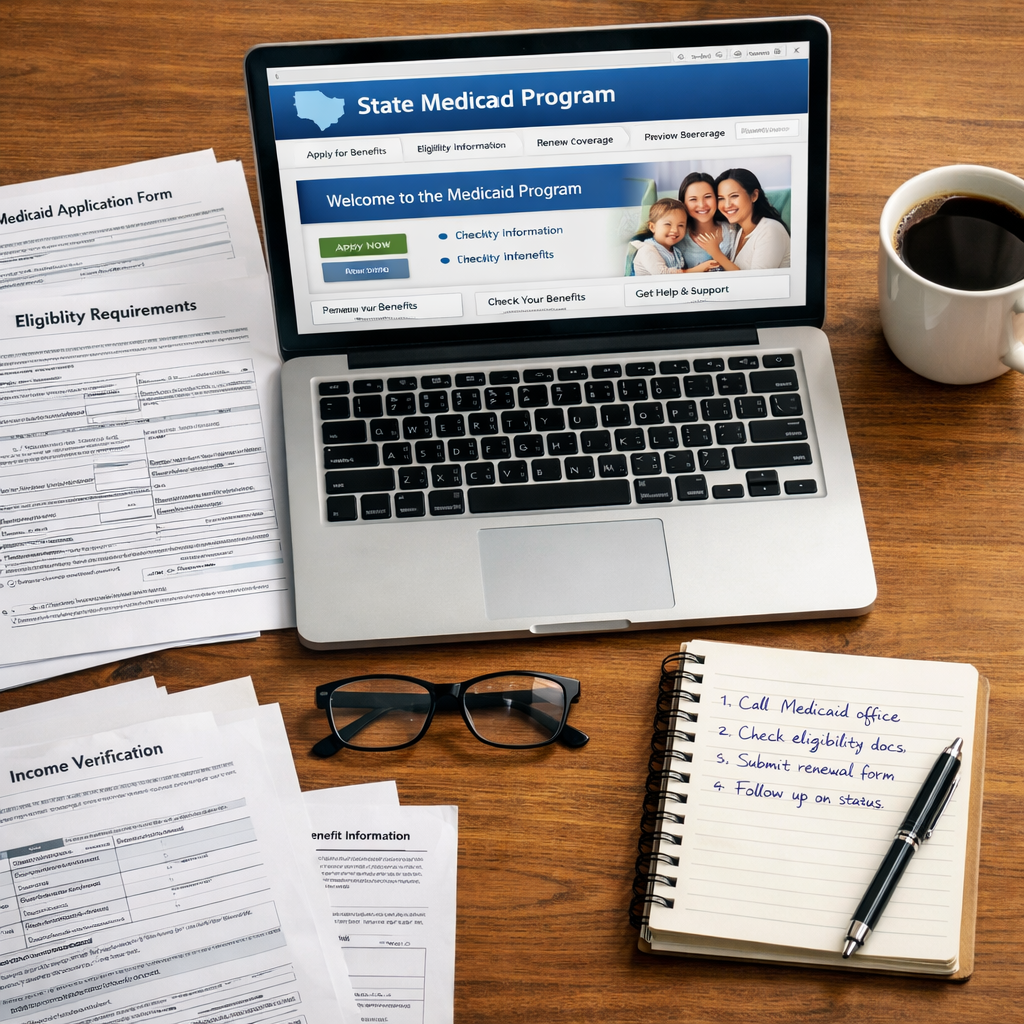
Practical Steps for Navigating Medicaid and Funding Options
Ready to take action? Here are concrete steps to help you navigate Medicaid and other funding options for in-home care:
Review Your State’s Waiver Programs: Start by visiting your state’s Medicaid website or contacting your local Department of Social Services. Look specifically for information about HCBS waivers, their eligibility requirements, covered services, and application processes. Some states maintain waiting lists for certain waiver programs, so it’s worth getting on those lists sooner rather than later, even if you don’t need services immediately.
Consult with Experts: Contact Home Instead locations in your area to speak with their care advisors. They’ve worked with countless families navigating similar situations and can provide invaluable insights into local resources and options. Many communities also have Area Agencies on Aging that offer free counseling services to help seniors and their families understand available benefits and complete applications.
Explore Long-Term Care Insurance and VA Benefits: If your loved one has an LTCI policy, request a detailed benefits summary to understand what’s covered, daily or monthly limits, and any waiting periods or exclusions. For veterans and their spouses, contact the VA to learn about Aid and Attendance benefits and whether your loved one might qualify. The application process can be lengthy, so starting early is essential.
Prepare Necessary Documentation: Gathering the right paperwork can streamline the application process significantly. You’ll typically need proof of income, asset statements, citizenship or legal residency documentation, medical records, and doctor’s assessments of care needs. Having these documents organized and readily available will help you move through the qualification process more smoothly.
Consider Dual-Eligible Programs: If your loved one qualifies for both Medicare and Medicaid (known as being “dual eligible”), they might benefit from Dual Special Needs Plans (D-SNPs). These Medicare Advantage plans offer additional coverage and benefits beyond original Medicare and can help coordinate care more effectively.
Much like SilverSmart’s philosophy that careful planning and personalized approaches lead to rewarding retirement experiences, navigating funding for in-home care requires thoughtful preparation and a willingness to explore multiple avenues. The effort invested in understanding your options today pays dividends in peace of mind and quality care tomorrow.
Your Journey to Quality In-Home Care
Navigating the world of Medicaid, HCBS waivers, and alternative funding sources might feel overwhelming at first—kind of like opening one of SilverSmart’s monthly curated discovery boxes and finding yourself face-to-face with a completely new hobby you’ve never tried before. There’s excitement mixed with a bit of apprehension, questions about where to start, and uncertainty about whether you’re making the right choices.
But here’s what we know from helping thousands of seniors discover new passions and families find quality care solutions: the initial confusion gives way to clarity, the effort leads to meaningful outcomes, and the journey itself becomes part of the reward. While Home Instead may not directly accept Medicaid in most cases, understanding your state’s specific waiver programs and exploring alternative funding sources can make their high-quality, personalized in-home care services accessible and affordable.
Remember that you’re not alone in this process. Resources exist to help you navigate the complexities of Medicaid coverage, from state agencies and Area Agencies on Aging to Home Instead’s own care advisors who specialize in matching families with appropriate services and funding sources. Just as SilverSmart uses AI-powered technology to provide weekly email interactions and continuously refine recommendations for an ever-evolving retirement experience, the in-home care landscape offers ongoing support and adaptation to meet changing needs.
The end result—a thriving, fulfilling retirement experience where your loved one maintains independence, dignity, and connection in the comfort of home—makes every phone call, every form, and every consultation worthwhile. Whether through Medicaid waivers, long-term care insurance, veterans benefits, or a combination of funding sources, the path to quality in-home care exists. Your job is simply to take that first step, ask those important questions, and advocate for the personalized care your loved one deserves.
After all, retirement should be a journey of continuous growth, discovery, and fulfillment—whether that means exploring new hobbies through a monthly discovery box or enjoying another year of cherished memories in the home where those memories were made.