
There’s something magical about stepping outside and feeling the warmth of sunlight on your face, hearing birds singing in the trees, or catching the scent of flowers on a gentle breeze. These simple pleasures of nature aren’t reserved only for those who can hike mountain trails or navigate rugged terrain. If you’re a senior with limited mobility, or you’re supporting a loved one who faces physical challenges, you might think outdoor adventures are a thing of the past. But here’s the wonderful truth: nature is still waiting for you, and connecting with the outdoors is more accessible than ever before.
At SilverSmart, we believe retirement should be a journey of continuous discovery and fulfillment. Our philosophy centers on helping you unlock new passions and stay active through personalized experiences that match your unique abilities and interests. Whether you’re in a wheelchair, using a walker, or simply moving at a gentler pace these days, the great outdoors offers countless opportunities to explore, engage, and thrive. Let’s discover together how you can reconnect with nature in ways that feel comfortable, safe, and genuinely joyful.
Making the Outdoors Accessible: It Starts with the Right Approach
The first step toward enjoying nature again is understanding that accessibility isn’t just a feature—it’s a fundamental right. Many parks, nature centers, and outdoor spaces have embraced universal design principles, creating environments where everyone can participate regardless of physical ability.
Wheelchair-friendly trails are becoming increasingly common across the country. These paths feature smooth, paved surfaces or firmly packed materials that make navigation easy for wheelchairs, walkers, and those who simply prefer stable ground beneath their feet. Many of these trails wind through beautiful landscapes—along lakeshores, through forest groves, or past wildflower meadows—offering the same scenic rewards as traditional hiking paths.
Look for trails marked with accessibility ratings. The best ones include gentle grades (typically no more than 5% incline), rest areas with benches positioned at regular intervals, and accessible restroom facilities. Some parks even offer beach wheelchairs with wide, balloon-like tires that glide over sand, opening up seaside experiences you might have thought were no longer possible.
Safety and pacing are crucial components of any outdoor adventure, especially when mobility is limited. This aligns perfectly with SilverSmart’s emphasis on personalization—your outdoor experience should match your comfort level and energy reserves. Planning rest breaks isn’t a weakness; it’s smart adventuring. Before heading out, map your route and identify spots where you can pause, hydrate, and simply soak in your surroundings.
Adaptive gear has revolutionized outdoor accessibility. Trekking poles provide extra stability for those who walk. All-terrain wheelchairs with rugged wheels can handle rougher paths. Portable folding seats allow you to rest anywhere inspiration strikes. Even simple additions like a cushioned seat pad or a hands-free water bottle holder can transform your comfort level outdoors.
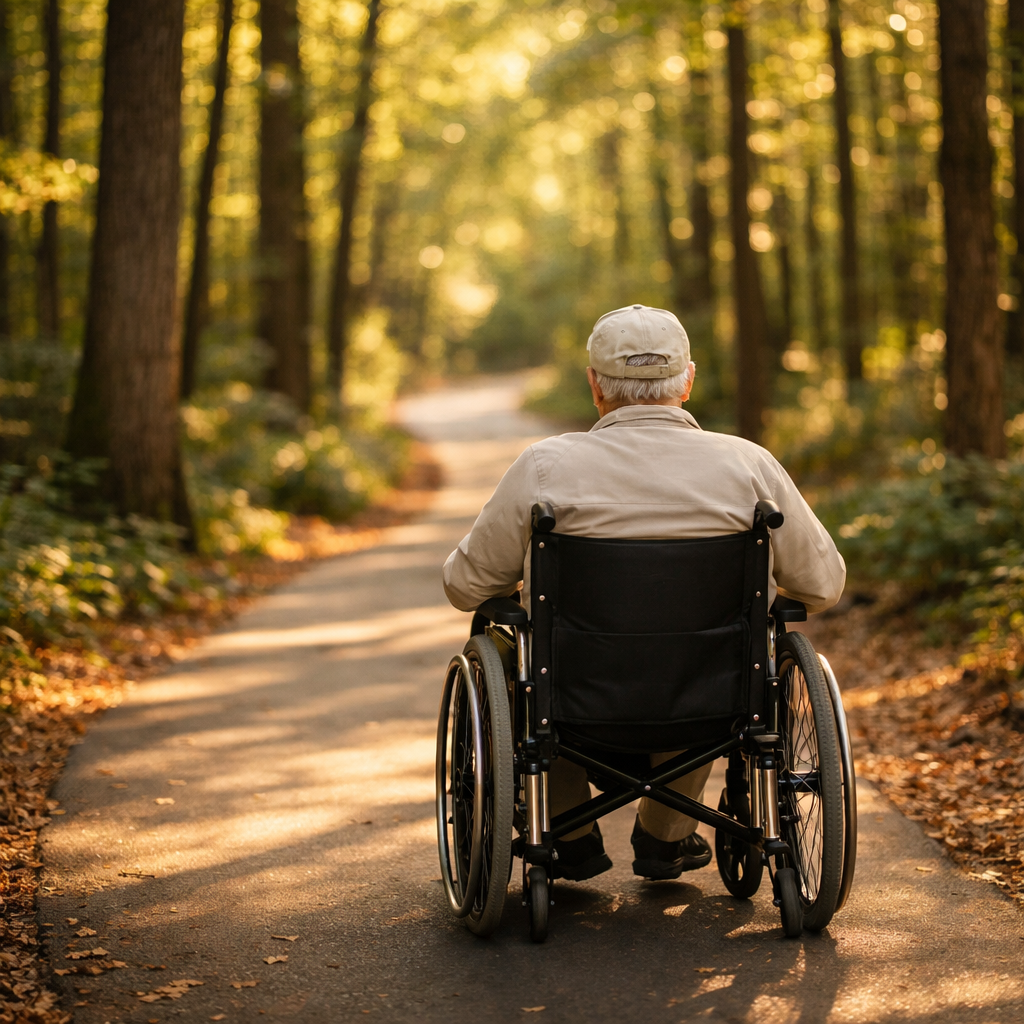
Innovation in outdoor accessibility reflects SilverSmart’s commitment to using thoughtful solutions to enhance your experience. Just as we leverage AI technology to personalize your journey, the outdoor recreation community has embraced creative thinking to make nature welcoming for everyone.
Low-Impact Activities That Bring Nature to Life
You don’t need to climb mountains or paddle whitewater rapids to experience the profound benefits of connecting with nature. Some of the most rewarding outdoor activities require minimal physical exertion while delivering maximum joy and wellness benefits.
Gardening with raised beds has become a favorite among seniors with limited mobility. These waist-high planters eliminate the need for bending or kneeling, allowing you to dig in the soil, nurture plants, and watch life grow from a comfortable standing or seated position. Many community gardens now feature accessible raised beds specifically designed for wheelchair users. Growing herbs, vegetables, or flowers engages your senses, provides gentle physical activity, and offers the satisfaction of creating something beautiful and useful. The rhythmic tasks of watering, pruning, and harvesting become meditative practices that calm the mind while keeping hands and arms active.
Chair yoga in scenic outdoor settings combines the proven benefits of gentle stretching with the restorative power of nature. Picture yourself seated comfortably in a park pavilion or on a garden terrace, moving through simple poses while breathing in fresh air and listening to rustling leaves. Chair yoga adapts traditional poses to accommodate limited mobility, focusing on stretches and movements that improve flexibility, balance, and breathing without requiring you to get down on the ground. Many senior centers and parks departments now offer outdoor chair yoga classes designed specifically for older adults.
Bird watching might be the perfect low-impact nature activity. It requires nothing more than sitting comfortably and paying attention to the world around you. Armed with a simple pair of binoculars and a bird identification guide (or app on your phone), you can spend peaceful hours discovering the incredible variety of birds that share your local environment. Many parks feature accessible bird blinds—covered viewing areas with benches—where you can observe wildlife without disturbing it.
The physical and mental health benefits of these gentle outdoor activities are well-documented and impressive. Regular time in nature, even in small doses, improves circulation through gentle movement and fresh air. For those seeking more activities that bring joy every day, combining outdoor experiences with indoor pursuits creates a balanced wellness approach. Sunlight exposure helps your body produce vitamin D, essential for bone health and immune function. The calming effects of natural settings reduce stress hormones, lower blood pressure, and can even ease chronic pain.
But perhaps most importantly, outdoor activities foster the sense of connection and purpose that SilverSmart values so deeply. When you’re nurturing a plant, observing a cardinal building its nest, or simply feeling grass beneath your feet, you’re engaging with life in a fundamental way that feeds the soul. These moments of connection combat isolation and remind you that you remain an active participant in the world’s beauty.

Finding Your Perfect Accessible Outdoor Spaces
Knowing that accessible outdoor experiences exist is one thing; finding them in your area is another. Fortunately, numerous resources can help you discover nature spots that accommodate limited mobility.
Start with your local parks and recreation department. Most maintain websites listing park amenities, including accessibility features. Call them directly—staff members are usually knowledgeable and genuinely helpful about recommending specific trails, gardens, or facilities suited to your needs. Ask about paved paths, accessibility ratings, parking proximity to trailheads, and available adaptive equipment.
National and state parks have made tremendous strides in accessibility. The National Park Service website includes detailed accessibility information for every park, and many offer free Access Passes that provide lifetime entrance to federal recreation sites for U.S. citizens or permanent residents with permanent disabilities. Many parks also provide accessibility guides that map out wheelchair-friendly routes and facilities.
Botanical gardens and arboretums are often excellent choices for seniors with limited mobility. These spaces typically feature smooth, paved pathways designed for easy navigation, with benches positioned throughout for rest stops. The sensory experiences—vivid colors, diverse textures, and intoxicating fragrances—engage you fully while requiring minimal physical exertion.
Don’t overlook your own neighborhood. Sometimes the best accessible nature experiences are right outside your door. A local greenway, a tree-lined street, or even a well-maintained park with benches can provide regular doses of outdoor connection. Familiarity breeds confidence, and nearby locations make spontaneous outings easy.
Community connection, a cornerstone of SilverSmart’s philosophy, opens even more doors. Local walking groups specifically for seniors are popping up everywhere, offering both companionship and safety in numbers. These groups typically move at gentle paces and choose accessible routes. The social aspect transforms a simple walk into a meaningful shared experience, building friendships along with physical wellness.
Online forums and social media groups focused on accessible outdoor recreation connect you with others who face similar mobility challenges. Members share recommendations, tips, and encouragement. They’ll tell you which trail really is as accessible as advertised and which “wheelchair-friendly” path might be surprisingly challenging.
Consider joining programs through organizations like hiking clubs for seniors, adaptive recreation nonprofits, or disability advocacy groups that organize outdoor activities. These structured programs provide expert guidance, appropriate pacing, and built-in community—all elements that help you thrive in your outdoor explorations.
Planning Your Adventure: Practical Tips for Safe, Enjoyable Outings
Preparation transforms potentially stressful outings into confidence-building adventures. A little planning ensures you’re ready for whatever your outdoor experience brings.
Start with gear readiness. Pack more water than you think you’ll need—dehydration happens faster than you realize, especially on warm days. Bring sun protection including a hat, sunglasses, and sunscreen. Dress in layers so you can adjust to changing temperatures. Wear comfortable, supportive shoes with good traction. If you use mobility aids, ensure they’re in good working condition before heading out. Check wheelchair tires, tighten walker screws, and make sure any assistive devices are functioning properly.
A small backpack or bag attached to your mobility device should include essentials: your phone (fully charged), any necessary medications, a small first aid kit, snacks for energy, and perhaps a lightweight rain poncho. Include a list of emergency contacts and any important medical information.
The buddy system isn’t just for children. Having a companion on outdoor adventures enhances both safety and enjoyment. A friend or family member can assist with any unexpected challenges, provide encouragement, and share the experience with you. Solo outings are wonderful too, but especially when trying new locations, having company adds security and fun.
Check weather forecasts and trail conditions before departing. Many parks update websites or social media with current conditions. Avoid extremely hot days, and give yourself permission to postpone outings when conditions aren’t ideal. There’s no prize for toughing it out in uncomfortable weather.
Start small and build gradually. Your first outing doesn’t need to be a two-hour adventure. A twenty-minute visit to a nearby park establishes confidence and helps you understand what works for your body. As you gain experience and stamina, you can extend your time and try new locations.
Here’s a quick-start checklist for your first accessible outdoor outing, aligned with SilverSmart’s mission of guiding you toward fulfilling experiences:
Your First Outdoor Adventure Checklist:
- Choose a familiar, highly-rated accessible location close to home
- Check the weather and plan for appropriate conditions
- Invite a trusted friend or family member to join you
- Pack water, snacks, sun protection, and medications
- Wear comfortable, weather-appropriate clothing and supportive shoes
- Charge your phone and bring it with you
- Plan a short outing (20-30 minutes) with identified rest spots
- Tell someone your plans and expected return time
- Bring a camera or phone to capture moments that spark joy
- Set an intention to simply enjoy being outside without pressure to accomplish anything specific
Remember that SilverSmart’s AI-powered guidance approach applies beautifully to your outdoor journey too. Each outing teaches you something about your preferences, abilities, and interests. Pay attention to what energizes you and what drains you. Notice which environments bring you the most peace or excitement. Use these insights to refine future adventures, creating an increasingly personalized outdoor experience.
Your Nature Connection Awaits
Reconnecting with the outdoors when you have limited mobility isn’t about doing what you used to do. It’s about discovering new ways to experience the natural world that honor where you are right now. The bird you observe from a bench brings just as much wonder as any spotted on a mountaintop. The tomato you grow in a raised bed tastes just as sweet. The sunshine filtering through leaves overhead warms you equally whether you’re standing, sitting, or using a wheelchair.
Nature doesn’t judge your mobility level. It simply welcomes you, offering its gifts of beauty, peace, and connection to anyone who steps outside. Through accessible trails, adaptive activities, supportive communities, and thoughtful planning, the great outdoors remains yours to explore and enjoy.
SilverSmart’s vision of helping seniors live their most fulfilling, active, and connected lives extends naturally to outdoor experiences. Just as our curated discovery boxes and AI-driven guidance help you unlock new passions, accessible outdoor activities open doors to continued growth and joy. The path may look different than it once did, but it’s still a path worth taking.
So take that first step—or roll, or stroll at whatever pace feels right. Plan that first outing. Feel the breeze. Listen to the birds. Touch the earth. Let nature remind you that beauty, adventure, and discovery have no age limits and no mobility requirements. Your outdoor journey is waiting, and it promises to be wonderful.