
Retirement isn’t about slowing down—it’s about discovering new ways to thrive. Even when mobility becomes limited, the golden years can be filled with vibrant experiences, meaningful connections, and daily moments of joy. Active aging isn’t reserved for marathon runners or world travelers; it’s about staying curious, engaged, and connected to life in ways that work for you.
The beauty of active aging lies in its flexibility. Whether you’re dealing with arthritis, recovering from surgery, or managing a chronic condition, there are countless fun activities for seniors with limited mobility that keep your mind sharp, your spirit lifted, and your social connections strong. The key is finding activities that match your interests and abilities while bringing genuine enjoyment to your everyday routine.
Physical engagement doesn’t require a gym membership. Mental stimulation doesn’t mean complicated puzzles you’ll never finish. Social connection doesn’t demand exhausting outings. Explore more activities for seniors with limited mobility that fit seamlessly into daily life. Instead, active aging through accessible activities means choosing what brings you joy and weaving it into your daily life—whether that’s chair yoga in your living room, a virtual tour of the Louvre, or an afternoon crafting session with friends.
Why Accessible Activities Matter More Than Ever
Engaging in regular activities when mobility is limited isn’t just about passing time—it’s about enhancing every aspect of your well-being. Research consistently shows that seniors who stay active, even in modified ways, experience significant health benefits that ripple through their physical, mental, and social lives.
Physical health improvements come from even gentle movement. Chair-based exercises strengthen muscles, improve circulation, and help maintain flexibility. A 2025 Harvard Health Publishing study found that chair yoga can reduce stress, improve sleep, enhance flexibility, and lower the risk of falls. These physical benefits matter because they help maintain independence and reduce the risk of complications from sedentary lifestyles.
Mental and emotional well-being flourishes through regular engagement. Activities stimulate neural pathways, keeping cognitive function sharp and memory strong. One senior center study found that participants felt significantly less lonely and more purposeful due to regular socialization and activity engagement. The mental health benefits extend beyond cognitive sharpness—regular activities reduce symptoms of depression, ease anxiety, and create a stronger sense of purpose.
Social connectedness becomes increasingly important as we age. Research suggests that older adults who maintain active social lives are less likely to develop cognitive impairment and dementia. Social engagement stimulates positive emotions, reduces stress, and fosters belonging. Even activities done at home can connect you with family members, online communities, or local groups who share your interests.
Quality of life enhancement ties everything together. When you’re physically comfortable, mentally engaged, and socially connected, everyday life becomes richer. You sleep better, manage stress more effectively, and maintain a more positive outlook. People with strong social relationships through regular activities tend to live longer, healthier lives—and they enjoy those years more fully.

Activities That Bring Joy Without Limitations
The world of fun activities for seniors with limited mobility is wonderfully diverse. From gentle movement to creative expression to virtual exploration, there’s something for every interest and ability level.
Chair yoga and gentle stretching offer the perfect blend of physical activity and mindfulness. You don’t need to get on the floor or balance on one leg—chair yoga brings all the benefits of traditional yoga to a comfortable seated position. Start with simple neck rolls, shoulder shrugs, and seated twists. Follow along with free YouTube videos designed specifically for seniors, or join a virtual class where you can connect with others. The emphasis on breathwork and mindfulness supports mental clarity and emotional well-being, making it as beneficial for your mind as your body.
Arts and crafts unlock creativity while keeping hands active and minds engaged. Painting, knitting, adult coloring books, or simple jewelry-making provide emotional outlets and a genuine sense of accomplishment. One senior shared, “I never thought of myself as artistic, but watercolor painting has given me a way to express feelings I didn’t know I had.” The repetitive motions in knitting or crocheting can be meditative, while the finished product gives you something tangible to gift or display.
Puzzles and brain games keep cognitive function sharp in enjoyable ways. Jigsaw puzzles, crosswords, Sudoku, or card games like solitaire provide mental stimulation without physical demands. Digital options expand possibilities—apps designed for brain training, online chess, or virtual escape rooms offer variety. The satisfaction of completing a challenging puzzle or winning a game releases dopamine, creating genuine joy.
Music and singing touch the soul while supporting cognitive health. Listening to favorite songs from your youth triggers memories and emotions. Singing along—whether alone or with a virtual choir—exercises lungs and creates joy. Music therapy has shown remarkable benefits for seniors, reducing stress and improving mood. Consider learning a simple instrument like ukulele or keyboard, which can be played while seated and provides endless entertainment.
Virtual tours and educational content bring the world to your living room. Museums worldwide offer free online tours—walk through the Louvre, explore ancient Egypt, or visit the Grand Canyon from your tablet or computer. Streaming services provide documentaries on every imaginable topic. Online courses through platforms like Coursera or community colleges let you learn about history, art, science, or languages at your own pace.
Indoor gardening connects you with nature without requiring outdoor mobility. Herb gardens on windowsills, succulent collections, or even hydroponics systems designed for tabletop use bring life and purpose into your space. Tending plants provides gentle activity, sensory stimulation, and the satisfaction of nurturing growth. Plus, you can enjoy fresh herbs in your cooking or share clippings with friends.
Reading and audiobooks open infinite worlds of imagination and knowledge. Join a virtual book club to discuss what you’re reading with others. Audiobooks make literature accessible even if vision is limited or holding a book becomes uncomfortable. Many libraries offer free digital lending through apps like Libby or OverDrive.
Cooking and baking from a seated position can be both creative and rewarding. Choose recipes that don’t require extensive standing or complicated techniques. Baking cookies to share, trying new smoothie combinations, or experimenting with simple dishes keeps you engaged in a fundamental life skill while creating something delicious to enjoy.
Making Activities Work for You
The secret to sustainable engagement isn’t finding the “perfect” activity—it’s personalizing options to match your unique situation, preferences, and goals. What works for your neighbor might not work for you, and that’s perfectly fine.
Start by assessing your interests and abilities honestly. What did you love doing before mobility became limited? Can elements of those activities be modified? If you loved gardening outdoors, could indoor container gardening fill that need? If you enjoyed social dancing, could chair-based movement to music provide similar joy? Think about what time of day you have the most energy and schedule engaging activities then.
Consider your medical conditions and current abilities. Always consult with your healthcare provider before starting new physical activities. They can help identify which movements are safe and beneficial. If you have arthritis, activities with repetitive small motions might need to be balanced with gentle stretching. If balance is a concern, ensure you’re always seated comfortably during activities.
Safety comes first in creating an enjoyable experience. Keep your activity space clear of tripping hazards. Have a phone or medical alert device nearby. Start slowly with new activities—just 10-15 minutes initially—and gradually increase duration as comfort grows. If something causes pain (not just mild discomfort), stop and consult your doctor.
Set realistic goals that focus on enjoyment rather than achievement. The goal isn’t to become an expert painter or solve the hardest puzzles—it’s to bring joy and engagement into your daily life. Celebrate small wins: finishing a chapter, completing a simple craft project, or simply showing up for your chair yoga session.
Mix different types of activities throughout your week. Monday might be chair yoga day, Tuesday for puzzles, Wednesday for virtual museum tours, and so on. This variety keeps things interesting and engages different aspects of your well-being—physical, mental, creative, and social.
The Power of Support and Community
You don’t have to navigate this journey alone. Family members, friends, and community resources can make engaging in fun activities for seniors with limited mobility easier and more rewarding.
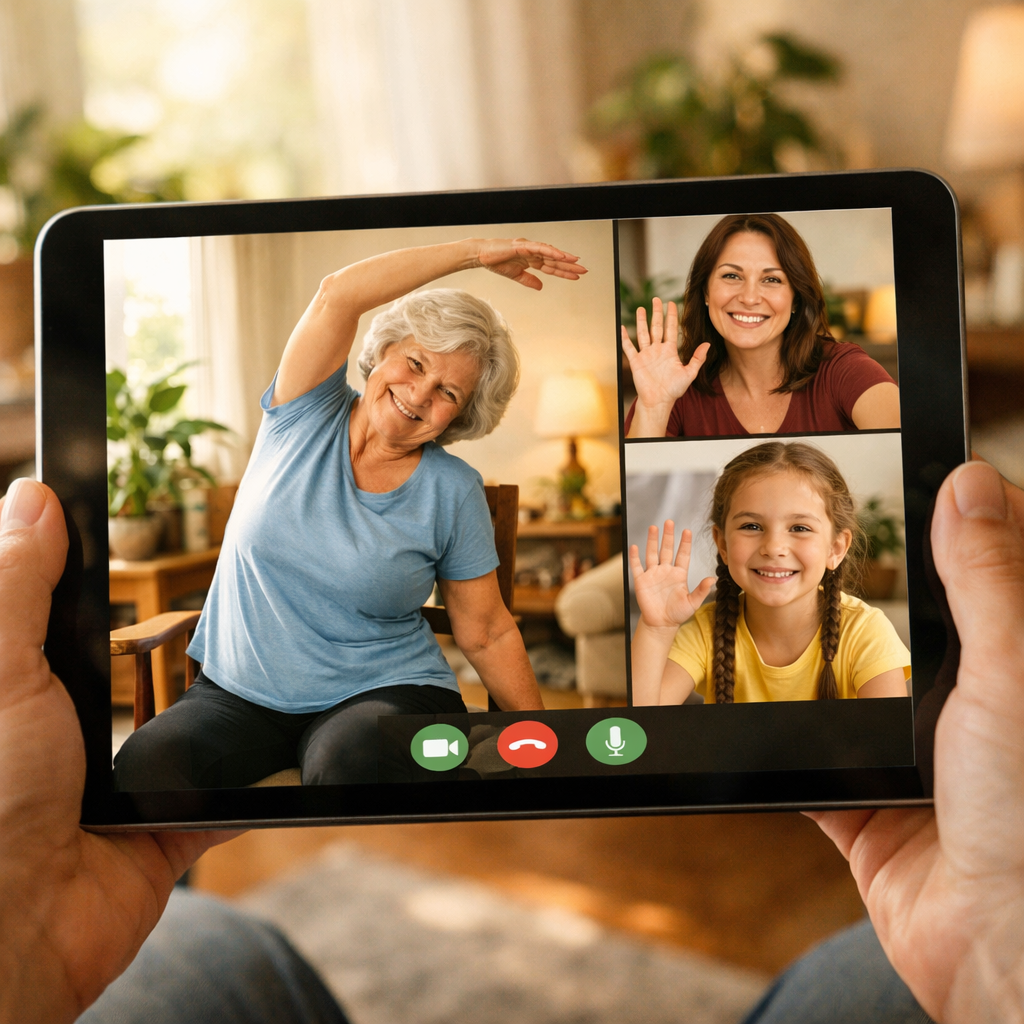
Family involvement enhances motivation and creates shared experiences. Adult children or grandchildren can join virtual tours together, creating conversation topics and memories. Family members might help set up technology for online classes or video chats. Even simple acts like bringing new craft supplies or puzzle books show support for your active lifestyle.
Online communities connect you with others sharing similar interests and challenges. Facebook groups for specific hobbies, forums for book discussions, or virtual exercise classes create belonging. These digital spaces often feel more accessible than in-person gatherings, eliminating transportation barriers while still providing genuine social connection.
Local senior centers and libraries offer resources even if you can’t visit in person. Many provide virtual programming, home delivery of materials, or telephone-based programs. Some offer subsidized tablets or technology training to help seniors access online activities. Don’t hesitate to call and ask what’s available—you might be surprised by the options.
Healthcare providers and social workers can connect you with activity programs, support groups, or therapeutic recreation services. Occupational therapists specialize in adapting activities to individual abilities and can suggest modifications you might not have considered.
The social element matters more than many realize. Socially active seniors are more likely to stay physically active, eat better, and follow medical advice more closely. That social engagement stimulates positive emotions, reduces stress, and creates purpose—all of which enhance the benefits of the activities themselves.
Getting Started: Your Path to Daily Joy
Ready to bring more joy into your daily routine? Here’s how to start incorporating fun activities for seniors with limited mobility without feeling overwhelmed.
Start small and build gradually. Choose just one activity that genuinely interests you. Commit to trying it three times before deciding if it’s right for you—first attempts often feel awkward, but comfort grows with practice. Once that activity feels natural, add another.
Create a simple routine that doesn’t feel rigid. Maybe every morning after breakfast, you spend 15 minutes on a puzzle. Perhaps Tuesday and Thursday afternoons are for chair yoga. Routines help activities become habits, but don’t stress if you miss a day—just return to it tomorrow.
Gather necessary supplies ahead of time so you’re not hunting for materials when you want to engage. Keep craft supplies in a nearby basket, bookmark favorite websites, or set up a comfortable activity corner where everything you need is within reach.
Focus on consistency over intensity. Doing chair yoga for 10 minutes three times weekly beats doing it intensely once and then avoiding it because you’re sore. The same applies to mental activities—daily puzzles for 15 minutes matter more than marathon sessions followed by burnout.
Track what brings you genuine joy. Not every suggested activity will resonate. Pay attention to how you feel during and after different activities. Which ones leave you energized versus drained? Which create genuine anticipation? Double down on those that truly enhance your wellbeing.
Celebrate your engagement, not just outcomes. The value isn’t in finishing the most puzzles or creating museum-quality art—it’s in the engagement itself. Every activity session represents you choosing active aging, connection, and joy. That’s worth celebrating.
Stay curious and keep exploring. Your interests might evolve. The activity that wasn’t appealing six months ago might be perfect now. SilverSmart understands this journey of discovery—that retirement is about continuously finding new passions and experiences tailored to your unique preferences and evolving interests.
Active aging with limited mobility isn’t about what you can’t do—it’s about discovering all the wonderful things you can do. Every chair yoga session, every puzzle piece, every virtual tour, every creative project is a choice to thrive. These moments of engagement, connection, and joy add up to days well-lived and a retirement filled with purpose and satisfaction.
Your mobility might be limited, but your potential for joy, growth, and discovery remains boundless. Start today with one small activity that sparks your interest. Your golden years are waiting to be filled with experiences uniquely designed for you—because retirement should be a journey of continuous growth, discovery, and fulfillment, no matter where that journey takes place.