
Finding meaningful hobbies isn’t just about passing time—it’s about reclaiming independence, building connections, and discovering new sources of joy that make every day worthwhile. For seniors with limited mobility, the journey toward finding engaging activities might seem challenging at first, but the reality is far more inspiring. With the right approach and adaptive mindset, limited mobility doesn’t mean limited possibilities.
At SilverSmart, we understand that retirement should be a journey of continuous growth and fulfillment. Our philosophy centers around helping seniors discover new passions through personalized experiences that match individual interests and abilities. Whether you’re navigating mobility changes yourself or supporting a loved one, the key is finding activities that bring genuine joy while respecting physical limitations. When we embrace hobbies tailored to our current abilities, we maintain our sense of self, stay mentally sharp, and build meaningful connections with others who share similar interests.
The benefits extend far beyond simple entertainment. Engaging in regular hobbies can reduce stress, improve cognitive function, maintain fine motor skills, and provide a sense of accomplishment that brightens each day. Most importantly, the right hobbies help seniors maintain their independence and actively participate in life on their own terms.
The Accessibility-First Approach to Finding Your Perfect Hobby
The secret to discovering hobbies for seniors with limited mobility lies in focusing on what you can do rather than what you can’t. An accessibility-first approach means choosing activities that adapt to your needs while still offering rich, rewarding experiences.
Low-impact, adaptable activities provide tremendous benefits across multiple dimensions of wellbeing. Physically, they help maintain flexibility, strengthen muscles through gentle movement, and improve circulation without causing strain or fatigue. Even seemingly simple activities like seated stretching or working with modeling clay can preserve hand strength and dexterity that makes daily tasks easier.
Cognitively, engaging hobbies keep your mind sharp and active. Activities that challenge memory, problem-solving skills, or creative thinking create new neural pathways and help maintain mental acuity. Research consistently shows that seniors who engage in mentally stimulating hobbies experience better memory retention and slower cognitive decline.
Emotionally, hobbies provide stress relief, boost mood, and combat feelings of isolation or loneliness that sometimes accompany limited mobility. When you’re absorbed in an activity you love, whether it’s painting a watercolor landscape or solving a challenging crossword puzzle, you experience genuine joy and a sense of flow that elevates your entire day.
The beauty of accessible hobbies is their flexibility. Many activities can be done seated, require minimal physical exertion, and can be adjusted to match your energy levels on any given day. This adaptability means you’re never locked into a rigid routine—you can explore different interests as your preferences and abilities evolve.
A World of Accessible Hobbies Waiting to Be Discovered
The variety of hobbies available to seniors with limited mobility is truly remarkable. Here’s a comprehensive look at activities across different categories that can bring daily joy:

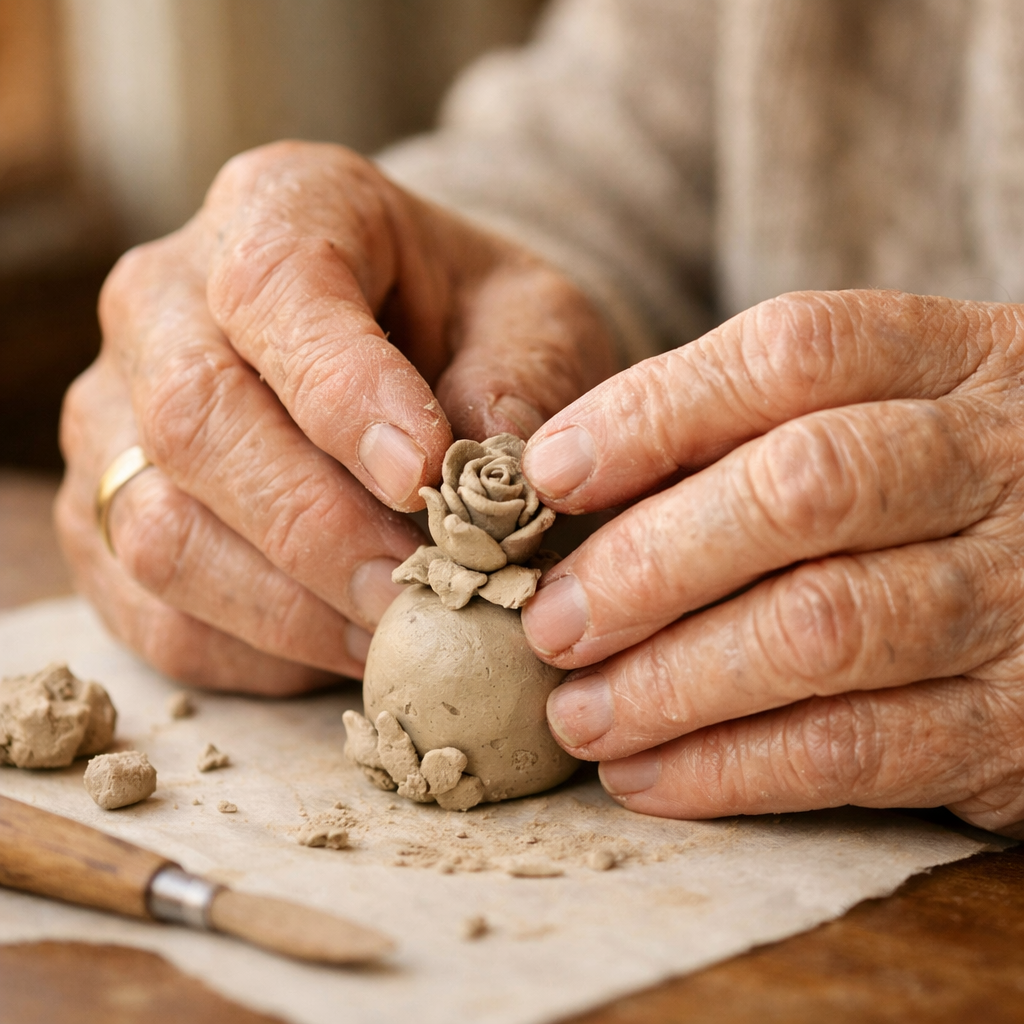
Arts and Crafts offer endless creative possibilities. Painting and drawing can be done entirely from a comfortable chair, whether you prefer watercolors, acrylics, or colored pencils. Scrapbooking allows you to preserve precious memories while exercising creativity and fine motor skills. Knitting, crocheting, and other fiber arts provide rhythmic, meditative activities that produce beautiful, functional items. Working with modeling clay or polymer clay helps maintain hand strength while creating small sculptures or decorative pieces.
Reading and Writing activities stimulate the mind and transport you to different worlds. If holding physical books becomes difficult, audiobooks and e-readers offer comfortable alternatives. Many seniors discover a passion for writing—whether journaling about daily experiences, crafting poetry, or even working on memoir projects that share life wisdom with younger generations.
Music and Performing Arts don’t require mobility to be deeply fulfilling. Listening to favorite music provides emotional benefits and can trigger wonderful memories. Learning to play instruments like keyboard, harmonica, or even digital music apps opens new creative channels. Singing, whether alone or through virtual choir groups, strengthens breathing and brings pure joy.
Games and Puzzles challenge the mind while providing entertainment. Crossword puzzles, Sudoku, jigsaw puzzles, and brain-teaser apps keep cognitive skills sharp. Board games and card games, especially when played with family or friends over video calls, combine mental stimulation with social connection. Many classic games have large-print or adapted versions specifically designed for easier handling.
Cooking and Baking can be adapted for seated preparation and limited mobility. Simple recipes that don’t require standing for long periods—like no-bake desserts, slow cooker meals, or decorated cookies—allow you to create delicious results while staying comfortable. The sensory experience of working with ingredients and the satisfaction of sharing your creations make cooking deeply rewarding.
Gardening transforms when approached with accessibility in mind. Container gardening, herb gardens on windowsills, and tabletop terrariums bring the joy of growing plants without requiring outdoor work or bending. Caring for succulents, growing herbs from cuttings, or maintaining a small indoor garden provides daily purpose and connection to nature.
Gentle Fitness activities designed for limited mobility include chair yoga, which improves flexibility and promotes relaxation through breathing exercises and gentle stretches. Resistance band exercises can be done seated and help maintain muscle tone. Even simple range-of-motion exercises performed while watching television contribute to overall wellbeing.
Technology-Enabled Experiences open vast new worlds. Virtual museum tours allow you to explore the Louvre or the Smithsonian from your living room. Video calls connect you with distant family and friends. Photography with smartphones or tablets lets you capture beauty around you and edit images creatively. Online classes teach everything from foreign languages to art history.
Volunteering from Home provides purpose and connection. Many organizations need volunteers for tasks like writing encouraging letters, making phone calls to isolated seniors, transcribing historical documents, or mentoring younger people through email exchanges. These activities create meaningful impact while working around mobility limitations.
Tailoring Activities to Your Unique Needs
The most successful hobby experiences come from matching activities to your individual interests, abilities, and preferences. Here’s how to find your perfect fit:
Start with Your Interests. What did you enjoy before mobility became limited? What have you always wanted to try but never had time for? Your existing passions and curiosities provide the best starting points. Someone who loved gardening might transition beautifully to indoor container gardens or bonsai care. A former dancer might find joy in chair-based movement or listening to beloved music.
Use Adaptive Tools. Modern adaptive equipment makes countless activities accessible. Book holders keep reading materials at comfortable angles. Ergonomic tools with cushioned grips make crafting easier. Magnifying glasses and adjustable lighting help with detail work. Voice-controlled devices allow you to operate technology hands-free. Don’t hesitate to explore these options—they’re designed to empower, not limit.
Create a Comfortable Environment. Set up dedicated spaces for your hobbies with everything within easy reach. Good lighting reduces eye strain. Comfortable seating with proper support prevents fatigue. Organizing supplies in accessible containers means you spend more time enjoying activities and less time struggling with logistics.
Consider the Social Aspect. Some people thrive on solitary hobbies that provide peaceful alone time, while others prefer activities with social components. Virtual groups, online communities, and video call hobby sessions with friends can add meaningful connection to any interest. SilverSmart’s approach recognizes that personalized experiences include both the activity itself and the social context that makes it meaningful to you.
A Simple 5-Step Plan to Begin Your Hobby Journey
Starting something new can feel overwhelming, but this straightforward approach makes the process manageable and enjoyable:
Step 1: Assess Your Current Abilities. Before beginning any new activity, consult with your healthcare provider about appropriate activities for your specific situation. Be honest with yourself about what feels comfortable and what might cause strain. This isn’t about limitations—it’s about setting yourself up for success.
Step 2: Choose One Activity to Start. Rather than trying multiple hobbies at once, select a single activity that genuinely excites you. Starting small allows you to fully explore one interest and build confidence before expanding.
Step 3: Gather Necessary Supplies. Research what you’ll need and acquire basic supplies. Many hobbies require surprisingly little to get started. Adaptive technology and modified tools can make setup easier—look for senior-friendly versions of equipment when available.
Step 4: Start with Short Sessions. Begin with 15-20 minute sessions and gradually increase time as the activity becomes more comfortable. This prevents fatigue and keeps the experience positive. Remember, hobbies should energize you, not exhaust you.
Step 5: Track Your Progress and Joy. Keep a simple journal noting what you tried, how it felt, and what you’d like to explore next. This creates a record of your journey and helps identify patterns in what brings you the most satisfaction. SilverSmart’s digital Exploration Passport concept embodies this idea—tracking achievements and discoveries creates a meaningful narrative of your ongoing growth.
The Power of Community and Intergenerational Connection
Hobbies become even more fulfilling when shared with others. Community engagement reduces isolation and creates support networks that enhance quality of life in profound ways.
Many seniors discover that their hobbies create natural bridges to younger generations. Teaching a grandchild to knit over video call, sharing family recipes, or explaining historical events you witnessed firsthand provides invaluable intergenerational connection. These exchanges benefit both parties—seniors share wisdom and experience while staying engaged with evolving perspectives.
Virtual communities built around specific interests connect you with fellow enthusiasts worldwide. Online forums for book lovers, crafting circles, gardening groups, and music appreciation societies welcome members regardless of mobility status. These communities provide encouragement, share tips, and celebrate achievements together.
Some seniors participating in personalized exploration programs have discovered life-changing passions they never expected. One participant who always considered herself “not artistic” found deep satisfaction in watercolor painting after receiving beginner supplies tailored to her interests. Another discovered a love for writing poetry, eventually sharing his work at virtual open mic events. These stories demonstrate that it’s never too late to uncover new talents and sources of joy.
The key insight from these successes is that personalized approaches work. When activities match individual preferences, abilities, and values, engagement naturally follows. This is exactly why SilverSmart uses AI-powered interactions to understand each person’s unique profile and continuously refine recommendations based on evolving interests and feedback.
Embracing Your Next Chapter with Joy and Purpose
Limited mobility doesn’t define your potential for growth, joy, and discovery—it simply shapes the path you take toward new experiences. The hobbies you choose become daily sources of accomplishment, creativity, and connection that make retirement truly fulfilling.
At SilverSmart, we’re committed to redefining retirement through personalized experiences that honor your individuality while encouraging continuous exploration. Our philosophy of “Discover. Explore. Thrive.” recognizes that every person’s journey is unique, and the right activities can transform ordinary days into extraordinary ones.
Whether you find peace in the gentle strokes of painting, mental stimulation in challenging puzzles, social connection through virtual book clubs, or purpose in teaching skills to others, your hobbies become threads that weave meaning throughout your days. They prove that an active, engaged life isn’t measured by physical movement alone but by the richness of experiences that spark joy in your heart.
The invitation is simple: choose one activity that calls to you, take that first small step, and allow yourself to discover where it leads. Your next great passion might be waiting just around the corner, ready to bring light and purpose to your everyday life. With the right mindset, adaptive tools, and personalized support, every single day can hold moments of genuine joy and fulfillment, no matter your mobility level.
Start your journey today. Your most vibrant chapter might just be beginning.