Retirement opens up a world of possibilities, especially when you have a partner to share it with. For elderly couples, finding hobbies to enjoy together isn’t just about filling time—it’s about deepening connections, creating new memories, and building a life that feels vibrant and meaningful. When you engage in activities side by side, you’re not just keeping busy; you’re investing in your relationship and your well-being.
The benefits of shared hobbies for elderly couples extend far beyond simple entertainment. Research consistently shows that couples who participate in activities together report higher levels of relationship satisfaction and overall happiness. According to recent studies published by the American Psychological Association, sharing joyful moments with a partner may help older adults lower stress hormone levels and improve overall health. These shared experiences create opportunities for communication, laughter, and teamwork that strengthen your bond in ways that everyday routines simply can’t match.
From a health perspective, the advantages are equally compelling. Engaging in hobbies together provides cognitive stimulation that keeps your mind sharp. Whether you’re learning a new skill, solving puzzles, or exploring unfamiliar places, you’re giving your brain the workout it needs to stay healthy. Studies indicate that seniors who maintain active hobbies show improved memory, faster cognitive processing, and better problem-solving abilities compared to those who don’t. Learning new skills together provides the kind of cognitive exercises that improve memory and focus while strengthening your partnership.
Emotionally, shared activities combat one of the biggest challenges facing older adults: loneliness and isolation. Even when you live with a partner, it’s easy to fall into parallel routines where you’re together but not truly connected. Hobbies create intentional moments of togetherness, reducing stress and boosting mood through genuine engagement. The sense of accomplishment you feel when completing a project or mastering a new skill together releases feel-good chemicals in your brain, contributing to emotional well-being.
Physical health benefits shouldn’t be overlooked either. Many hobbies naturally incorporate movement, whether it’s gardening, dancing, or taking nature walks. This gentle, enjoyable exercise helps maintain mobility, balance, and overall physical function without feeling like a chore. When you’re focused on the joy of the activity rather than “exercising,” you’re more likely to stick with it consistently. For more targeted guidance on maintaining physical health, explore our resources on senior fitness programs and at-home exercises.
Popular Hobbies That Bring Elderly Couples Together
Gardening: Growing More Than Plants
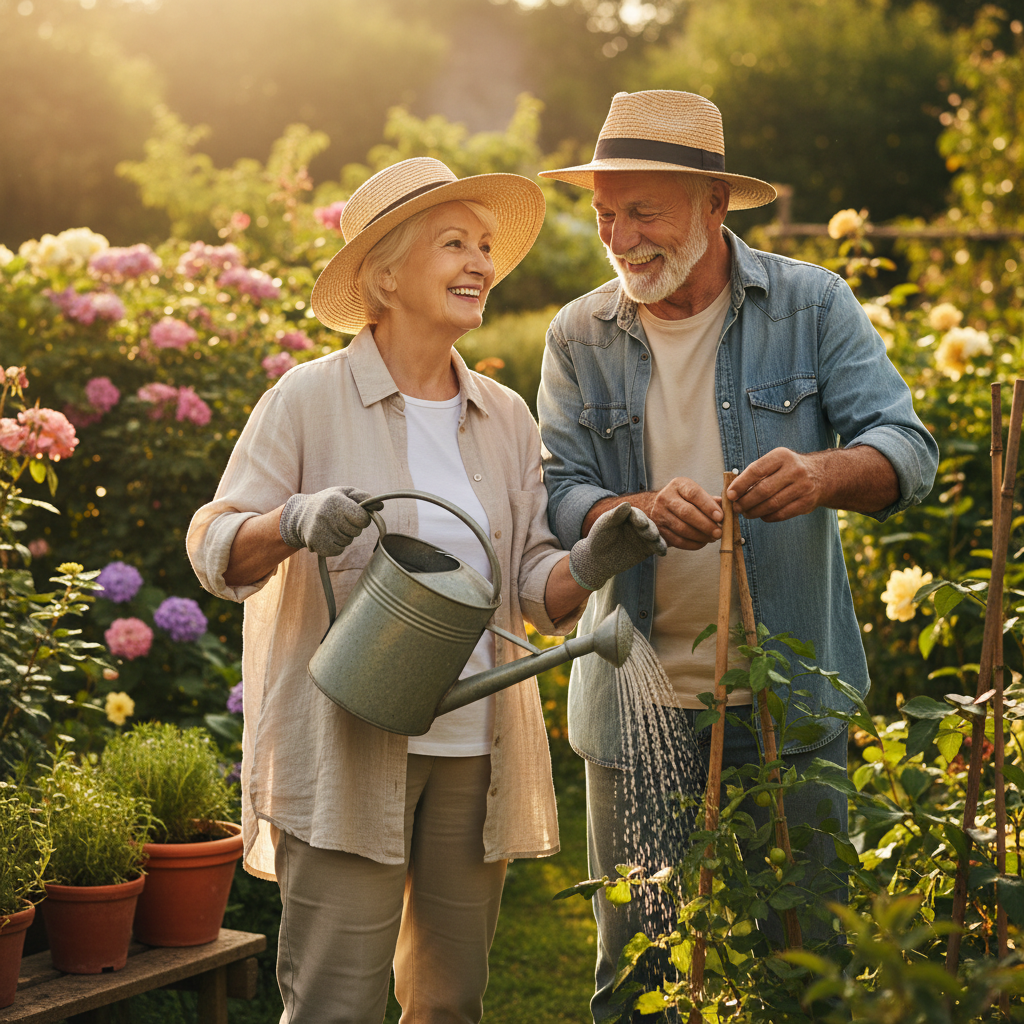
Gardening offers a perfect blend of physical activity, creativity, and tangible results. Working together to plan your garden, choosing plants, and nurturing them through the seasons creates a shared project you can enjoy year-round. You don’t need a large yard—container gardening on a balcony or patio works beautifully. The gentle movements involved in planting, weeding, and watering provide low-impact exercise, while time spent outdoors boosts vitamin D levels and improves mood. Plus, there’s something deeply satisfying about harvesting vegetables you’ve grown together or watching flowers you planted bloom.
Cooking and Baking: Creating Delicious Memories
The kitchen becomes a place of collaboration when you explore new recipes together. One partner might handle the chopping while the other manages the stove, creating a natural rhythm of teamwork. Trying cuisines from different cultures adds adventure to your meals, and cooking classes designed for seniors offer structured learning in a social environment. Baking together, especially when sharing results with family and friends, adds meaning to the activity. The sensory experiences—aromas, textures, tastes—engage multiple senses and can even trigger happy memories from earlier in life.
Dancing: Moving to Your Own Rhythm
Dancing combines physical activity, music, and romance in one delightful package. Whether you take formal lessons in ballroom, swing, or line dancing, or simply sway to your favorite songs in the living room, dancing strengthens your connection through touch and synchronized movement. It’s excellent for balance, coordination, and cardiovascular health. Many communities offer senior-friendly dance classes where the pace is comfortable and the atmosphere welcoming. Dancing also provides cognitive benefits as you remember steps and patterns, keeping your mind engaged while your body moves. According to the CDC, regular physical activity like dancing improves sleep quality, reduces anxiety, and lowers blood pressure in older adults.
Traveling and Day Trips: Exploring Together
You don’t need to fly halfway around the world to satisfy your sense of adventure. Local day trips to historical sites, nature reserves, or nearby towns you’ve never visited offer fresh experiences and conversation starters. For those who enjoy longer journeys, planning trips together—researching destinations, mapping routes, choosing accommodations—becomes part of the fun. Travel creates shared stories and inside jokes that enrich your relationship. Even armchair travel through books, documentaries, and virtual tours can spark curiosity and provide topics for meaningful discussions.
Volunteering: Making a Difference as a Team
Giving back to your community alongside your partner adds purpose to your days. Whether you’re serving meals at a local shelter, mentoring young people, or helping at a library, volunteering creates a sense of meaning beyond yourselves. Working toward a common goal strengthens your partnership while connecting you with others who share your values. The social interactions involved in volunteering help expand your circle of acquaintances, and knowing you’re making a positive impact boosts emotional well-being. If you’re looking for ways to give back without straining your budget, check out our guide to free community activities that build connections.
Arts and Crafts: Creating Beauty Together
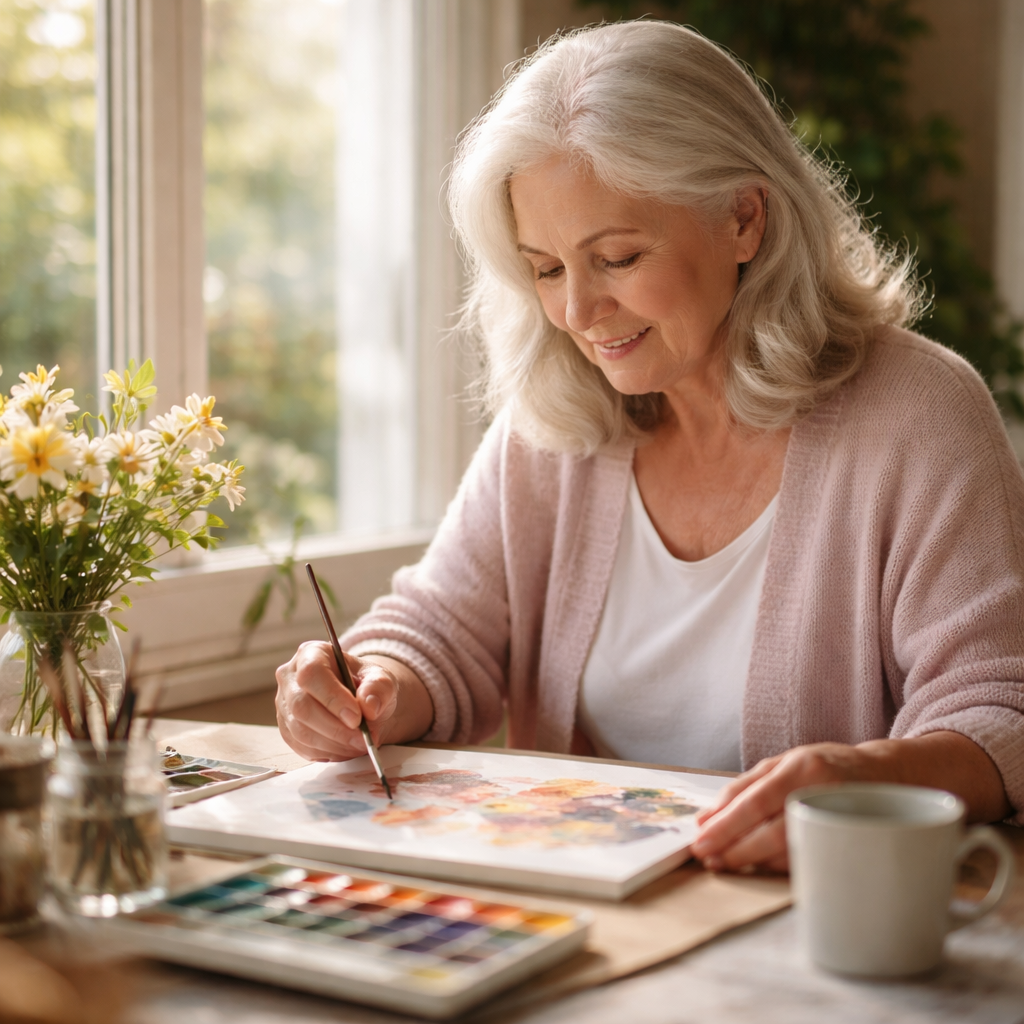
Creative pursuits offer endless possibilities for couples. Painting, pottery, woodworking, knitting, scrapbooking, or jewelry making allow you to express yourselves while developing new skills. You might work on individual projects side by side or collaborate on larger pieces. Crafting provides cognitive stimulation through planning and problem-solving, while the repetitive motions can be meditative and stress-relieving. Displaying or gifting your creations adds pride and accomplishment to the experience.
Games and Puzzles: Exercising Your Minds
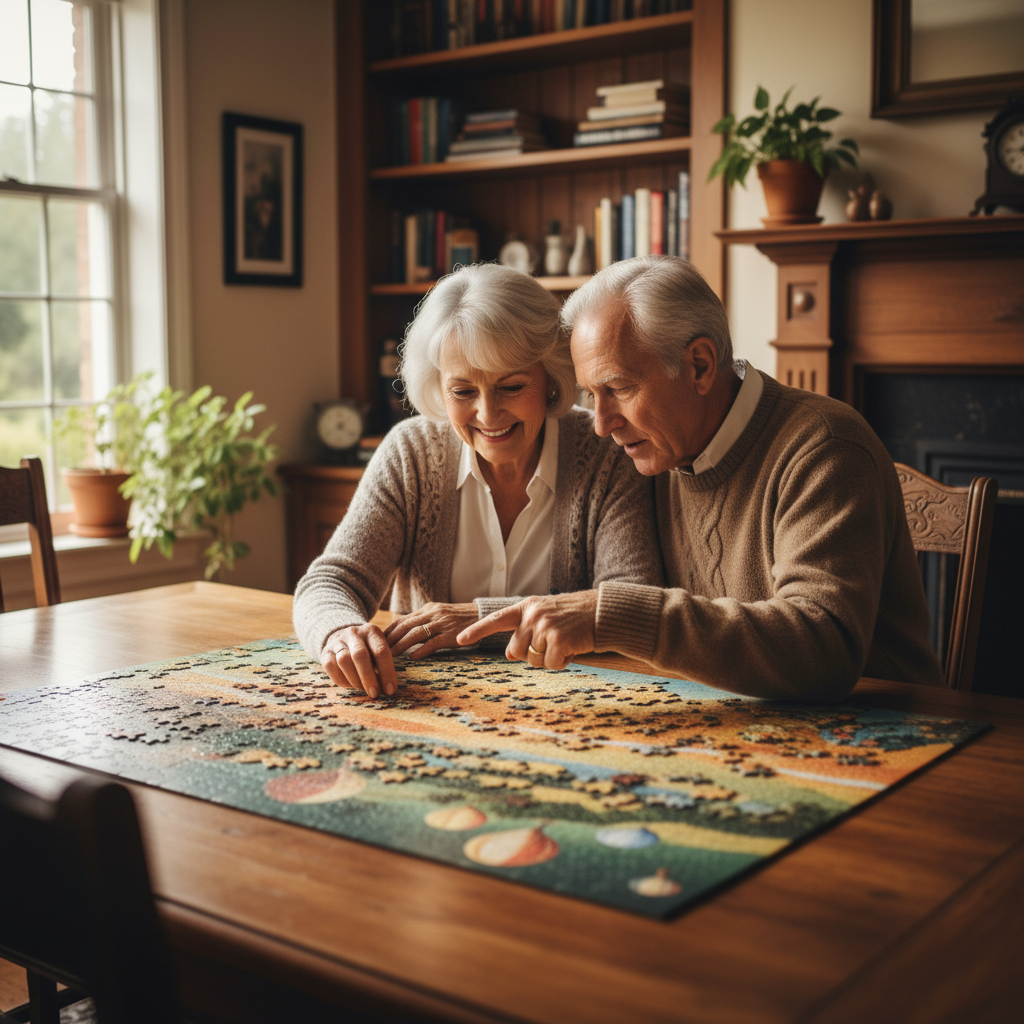
Board games, card games, jigsaw puzzles, and word games provide excellent cognitive workouts while fostering friendly competition or cooperation. Regular game nights create something to look forward to, and inviting other couples adds social dimension. Games that require strategy, memory, or quick thinking help maintain mental sharpness. Completing a challenging puzzle together builds patience and teamwork, with the finished product serving as a satisfying visual reminder of what you accomplished together.
Choosing Activities That Fit Your Lifestyle
Selecting the right hobbies for elderly couples requires honest assessment of your current situation and preferences. Start by discussing what genuinely interests both of you. What did you enjoy when you were younger but haven’t done in years? What have you always wanted to try but never had time for? Finding activities that align with shared interests increases the likelihood you’ll stick with them long-term.
Consider your mobility and health honestly but optimistically. If walking long distances is challenging, shorter nature walks or seated activities might be better starting points. Many hobbies can be adapted to accommodate physical limitations. For example, raised garden beds eliminate the need for bending, and chair yoga provides gentle movement without standing balance concerns.
Budget matters, but it shouldn’t be a barrier. Many rewarding activities cost little or nothing. Walking in local parks, checking out library books, playing cards, or attending free community events provide rich experiences without straining finances. For inspiration, explore our collection of budget-friendly hobbies that deliver genuine joy. When activities do require investment, start small—rent equipment before buying, take a single class before committing to a series, or use materials you already have at home.
Time availability varies for every couple. Some hobbies require dedicated blocks of time, while others fit into small pockets throughout the day. Be realistic about your energy levels and existing commitments. Starting with activities that require modest time investments helps you build the habit of doing things together without feeling overwhelmed.
Mix indoor and outdoor options to accommodate weather and seasonal changes. Having variety ensures you always have something enjoyable to do, regardless of conditions outside. Indoor activities also provide backup plans when outdoor adventures aren’t feasible due to rain, extreme temperatures, or health considerations.
Getting Started: Practical First Steps
Making the transition from intention to action requires some structure. Schedule regular “hobby dates” just as you would any important appointment. Block time on your calendar specifically for these shared activities, treating them as non-negotiable commitments to each other and your relationship. Consistency matters more than duration—even 30 minutes twice a week creates meaningful connection when done regularly.
Create a simple calendar specifically for your hobby activities. This could be a paper calendar on the refrigerator or a shared digital version on your phones. Mark upcoming activities, classes, or outings so you both stay informed and can look forward to what’s coming. Include notes about what you’ll need to prepare, tickets to purchase, or materials to gather.
Investigate local resources that support your chosen activities. Community centers, senior centers, libraries, parks and recreation departments, and places of worship often offer programs specifically designed for older adults at minimal or no cost. Local colleges sometimes allow seniors to audit classes for free or reduced fees. Exploring these options helps you connect with others who share your interests while keeping costs modest.
Start with low-barrier activities that don’t require significant investment or preparation. Before buying expensive equipment or committing to long-term classes, try activities that let you test the waters. Attend a free workshop, borrow supplies from friends, or watch instructional videos online to see if something resonates before going all-in.
Accessibility and Safety Considerations
Adapting activities to accommodate any mobility or sensory needs ensures both partners can participate fully and safely. If one or both of you use mobility aids, choose activities and venues that are wheelchair accessible or have appropriate seating available. Many organizations specifically design programs with accessibility in mind, so don’t hesitate to ask about accommodations when signing up for classes or events.
Sensory changes that come with aging shouldn’t prevent participation. If hearing is a concern, choose quieter environments or activities where communication doesn’t rely solely on auditory cues. For vision considerations, ensure adequate lighting for craft projects or reading, and select activities with high contrast and larger print or pieces when possible.
Safety should always be your top priority. Use proper equipment and protective gear for activities like biking, hiking, or woodworking. Take breaks as needed, especially during physical activities. Stay hydrated, particularly when spending time outdoors or engaging in movement-based hobbies. Don’t push through pain or extreme fatigue—listen to your bodies and adjust intensity or duration accordingly.
Check with your healthcare providers before starting new physical activities, especially if you have existing health conditions. They can offer guidance on appropriate intensity levels and any modifications that might be beneficial. Having their blessing provides peace of mind and helps prevent injuries or health complications.
Building Social Connections Through Hobbies
While couple time is valuable, expanding your social circles through shared hobbies adds another dimension of fulfillment. Join clubs or groups focused on your chosen activities. Whether it’s a gardening club, book group, dance class, or craft circle, these gatherings introduce you to others with similar interests. The social connections you build can evolve into friendships that extend beyond the activity itself. Research from Hebrew SeniorLife shows that strong social connections in older adults can improve heart health, protect brain function, and even extend lifespan.
Consider organizing small gatherings where you invite other couples or friends to share your hobby. Host a game night, cooking party, or craft session at your home. These events create relaxed environments for socializing while doing something you love. Sharing your progress, creations, or experiences with others adds motivation and accountability to your hobby practice.
Look for opportunities to collaborate on community projects that align with your interests and values. Community gardens, neighborhood beautification efforts, or charity initiatives provide structure and purpose while connecting you with engaged, like-minded people. These projects also allow you to contribute meaningfully to your community while strengthening your relationship through shared purpose.
Measuring Impact and Sustaining Momentum
Pay attention to how your shared hobbies affect your mood, relationship, and overall well-being. Do you find yourselves laughing more? Having more to talk about? Feeling more energized? These qualitative improvements are just as important as any measurable outcomes. Keeping a simple journal where you jot down highlights, funny moments, or personal insights helps you track the positive changes over time.
Reassess your interests periodically. What engaged you three months ago might feel less exciting now, and that’s perfectly normal. Give yourselves permission to try new things, set aside activities that no longer serve you, and explore different options. The goal is ongoing engagement and connection, not dogged commitment to something that’s lost its spark.
Celebrate milestones together, no matter how small they seem. Finished your first puzzle? Mastered a new recipe? Completed a volunteer project? These achievements deserve recognition. Take photos, treat yourselves to a nice dinner, or simply take a moment to acknowledge what you’ve accomplished together. Celebrating reinforces the positive aspects of your shared hobbies and motivates you to continue.
Sample 4-Week Starter Plan
To help you begin your journey, here’s a simple plan to try:
Week 1: Take three short walks together in different locations around your neighborhood or nearby parks. Notice and discuss what you see.
Week 2: Choose a simple recipe neither of you has tried before and cook it together. Take your time and enjoy the process more than the outcome.
Week 3: Visit a local museum, library, or community center to see what programs they offer for seniors. Pick up brochures and discuss what interests you.
Week 4: Try a craft or game you already have at home but haven’t used in a while. Or check out a book from the library on a topic that intrigues you both and read chapters aloud to each other.
This gentle start builds the habit of doing things together intentionally without overwhelming you with commitments or expenses.
Embracing Your Journey Together
Finding the right hobbies for elderly couples is a personal journey that evolves with you. What matters most isn’t which specific activities you choose, but that you’re choosing to grow, explore, and connect together. These shared experiences become the stories you tell, the memories you cherish, and the foundation of a retirement filled with joy and purpose.
At SilverSmart, we believe retirement should be a continuous journey of discovery and fulfillment through our AI-powered personalized guidance and curated discovery boxes. Whether you’re just beginning to explore new interests or looking to deepen existing passions, remember that every small step you take together strengthens your bond and enriches your life. Your golden years are meant for thriving, not just surviving—and with the right activities and mindset, you can create a retirement experience that’s truly extraordinary.
Start today. Choose one activity from this article that speaks to both of you, mark it on your calendar, and take that first step together. Your future selves will thank you for the joy, connection, and vitality you’re building right now.