
Living alone during retirement doesn’t mean your days have to feel empty or monotonous. In fact, your home can become a wonderful space for discovery, growth, and joy. Staying active and engaged indoors isn’t just about passing time—it’s about nurturing your mind, lifting your spirits, and maintaining your physical well-being. When you embrace meaningful activities, you’re doing something powerful for yourself: you’re choosing to thrive, not just survive.
The beauty of indoor activities is that they fit perfectly into your own rhythm and preferences. You don’t need to follow anyone else’s schedule or feel pressured to keep up with others. This is your time to explore what truly brings you happiness. Whether it challenges your brain, expresses your creativity, or simply makes you smile, each activity contributes to a richer, more fulfilling retirement.
At SilverSmart, we believe that retirement should be a journey of continuous discovery. Active aging means finding new passions that resonate with who you are today while honoring the experiences that shaped you. The activities we’ll explore together aren’t one-size-fits-all suggestions—they’re starting points for you to personalize and make your own. Let’s discover how simple indoor pursuits can transform ordinary days into opportunities for growth and genuine contentment.
Twelve Meaningful Activities That Bring Purpose to Your Days
Finding things for bored seniors to do alone indoors becomes easier when you understand the variety of options available. Let’s explore activities across different categories, each offering unique benefits while keeping you engaged and energized.

Intellectual Engagement: Feed Your Curious Mind
Your brain thrives on challenges and new information. Reading remains one of the most accessible ways to travel without leaving your chair. Whether you prefer historical biographies, mystery novels, or inspirational memoirs, books open windows to different worlds. Consider joining a virtual book club to add a social dimension to your reading habit.
Puzzles offer another fantastic way to keep your mind sharp. Crossword puzzles strengthen vocabulary and memory, while jigsaw puzzles enhance spatial reasoning and patience. Sudoku challenges your logical thinking. Start with easier levels and gradually increase difficulty as your confidence grows. The satisfaction of completing a challenging puzzle provides a genuine sense of accomplishment.
Learning never has an expiration date. Online courses through platforms like YouTube or library websites let you explore topics you’ve always been curious about—from ancient history to astronomy, cooking techniques to philosophy. Take notes, pause when needed, and learn at your own pace. This continuous learning keeps your mind flexible and engaged.
Creative Expression: Discover Your Artistic Side
Creativity offers a beautiful outlet for emotions and thoughts that might be difficult to express otherwise. Journaling provides a private space to reflect on your day, record memories, or simply write whatever comes to mind. You don’t need to be a skilled writer—just let your thoughts flow naturally onto the page. Many seniors find that morning journaling helps set a positive tone for the day.
Drawing and painting don’t require professional training to be enjoyable and beneficial. Simple sketching with pencils, watercolor painting, or adult coloring books all provide relaxation while exercising fine motor skills. Focus on the process rather than the outcome. The act of creating something with your hands brings a meditative quality to your day.
Crafting encompasses endless possibilities—knitting, crocheting, origami, or making greeting cards. These activities keep your hands nimble while producing tangible results you can gift to loved ones or keep as personal treasures. Many crafters find that rhythmic activities like knitting have a calming, almost therapeutic effect.
Reminiscence Work: Honor Your Story
Your life holds countless stories worth preserving. Organizing old photographs into albums or digital collections gives structure to memories while providing hours of meaningful engagement. As you sort through images, you’ll rediscover forgotten moments and people who shaped your journey.
Creating a family history document or memoir preserves your legacy for future generations. Write about your childhood, your parents’ stories, significant historical events you witnessed, or lessons learned throughout life. You don’t need to write a complete autobiography—even short vignettes about specific memories create valuable records for your family.
Recording voice or video messages for family members adds a personal touch that written words alone can’t capture. Share favorite recipes, explain the stories behind family heirlooms, or simply talk about your values and hopes. These recordings become precious gifts that families treasure for generations.
Maintaining Social Connections: You’re Never Truly Alone
Technology bridges distances and keeps you connected with loved ones. Video calls with family and friends provide face-to-face interaction that brightens any day. Don’t hesitate to reach out—your children, grandchildren, and friends genuinely want to hear from you. Schedule regular video coffee dates to maintain consistent connections.
Virtual community groups focused on your interests connect you with like-minded individuals. Whether it’s a gardening forum, a photography group, or a discussion board about classic movies, these communities offer engagement and friendship. Many seniors find meaningful connections through online hobby groups where shared interests create natural conversation topics.
Writing letters or emails to family and friends exercises your communication skills while strengthening relationships. The thoughtfulness of a well-written message often means more than a quick text. Consider becoming a pen pal with someone who shares your interests—several organizations facilitate such connections for seniors.
Gentle Exercise Routines: Movement Matters
Physical activity doesn’t require a gym membership or elaborate equipment. Chair yoga offers stretching and strengthening exercises that improve flexibility and balance while being gentle on joints. Numerous free videos designed specifically for seniors guide you through safe, effective movements.
Simple stretching routines performed daily help maintain mobility and reduce stiffness. Focus on gentle movements that feel comfortable, never pushing into pain. Morning stretches can energize your day, while evening stretches promote relaxation before bed.
Walking in place or marching while watching your favorite television program adds movement to sedentary activities. Even short bursts of activity throughout the day contribute to overall fitness. The key is consistency rather than intensity—regular, gentle movement serves you better than occasional strenuous activity.
Practical Hobbies: Useful and Enjoyable
Cooking and baking combine creativity with practical results. Experiment with new recipes, recreate dishes from your childhood, or master a cuisine you’ve always wanted to learn. The process engages multiple senses and culminates in something delicious to enjoy or share.
Indoor gardening brings nature inside your home. Herbs grown on a sunny windowsill provide fresh flavors for cooking. Houseplants improve air quality while giving you living companions to nurture. Watching plants grow and thrive under your care provides satisfaction and purpose.
Organizing and decluttering your space creates a more pleasant living environment while keeping you physically active. Tackle one small area at a time—a single drawer or shelf—to avoid feeling overwhelmed. The process of sorting through belongings often triggers happy memories and provides opportunities to pass cherished items to family members.
Cultural Experiences: The World Comes to You
Virtual museum tours transport you to world-famous institutions from your living room. The Louvre, the British Museum, and the Smithsonian all offer online experiences where you can explore galleries at your own pace, zooming in on artwork that captures your interest.
Streaming services provide access to documentaries, classic films, and educational programs. Create themed movie nights for yourself—perhaps a series of films from a particular decade or country. Many libraries offer free streaming services for members.
Music therapy through listening sessions lifts spirits and triggers positive memories. Create playlists of songs from different periods of your life, or explore genres you’ve never experienced. Listening to music while doing other activities adds joy to routine tasks.
Making These Activities Part of Your Daily Life
Understanding what activities are available is just the beginning—the real transformation happens when you integrate them into your regular routine. Creating structure helps ensure you actually do these activities rather than just thinking about them.
Establishing Your Personal Routine
Start by identifying which times of day you feel most energetic and alert. Schedule more demanding activities like learning or complex puzzles during these peak times. Save relaxing activities like listening to music or light reading for when your energy naturally dips.
Create a simple weekly schedule that includes variety. Perhaps Monday mornings are for journaling, Tuesday afternoons for virtual museum tours, and Wednesday evenings for video calls with family. Having a loose structure provides direction without feeling restrictive. Remember, this schedule serves you—adjust it whenever your needs or interests change.
Balance is important. Include activities that engage different aspects of yourself—mind, body, creativity, and social connection. A day that combines a crossword puzzle, some gentle stretching, a craft project, and a phone call with a friend offers more satisfaction than spending hours on just one activity.
Creating Dedicated Spaces
Designate specific areas in your home for different activities. A comfortable reading corner with good lighting becomes your intellectual retreat. A small table near a window serves as your craft station. These dedicated spaces signal to your brain that it’s time for a particular type of activity, making it easier to get started.
Keep supplies organized and easily accessible. A basket containing your current craft project, a bookshelf arranged by interest, or a drawer with art supplies reduces barriers to starting activities. When everything is ready to use, you’re more likely to engage rather than procrastinate.
Make your activity spaces inviting. Add comfortable cushions to your reading chair, display your completed crafts where you can appreciate them, or place inspiring photographs near your journaling desk. Your environment influences your motivation and enjoyment.
Gathering What You Need
Take inventory of supplies you already own before purchasing new items. Often, you have more than you realize. That stack of old magazines can become material for collages. Unused notebooks transform into journals. Pencils and pens you already have start your drawing journey.
When you do need supplies, start simple. One good puzzle book, a basic set of colored pencils, or a single houseplant is enough to begin. As you discover what truly engages you, invest in additional supplies specific to your interests.
Many libraries offer free resources—books, audiobooks, movies, and even crafting supplies or museum passes. Community centers often provide free or low-cost classes. Take advantage of these resources to explore new activities without financial pressure.
Staying Motivated and Engaged
Track your activities and achievements using a simple calendar or journal. Checking off completed activities provides visual confirmation of your engagement. Note which activities brought the most satisfaction—this information helps you refine your routine over time.
Set realistic, achievable goals. Rather than “read 50 books this year,” try “read for 20 minutes daily.” Instead of “become an expert artist,” aim for “complete one drawing weekly.” Small, consistent efforts compound into significant progress and genuine skill development.
Allow yourself to change direction. If an activity stops bringing joy, permission yourself to try something else. This is your time—there’s no obligation to continue activities that no longer serve you. The goal is discovery and fulfillment, not completion of an arbitrary checklist.
Keeping Safety and Comfort in Mind
While exploring things for bored seniors to do alone indoors, always prioritize your wellbeing. Creating a safe, comfortable environment ensures activities remain enjoyable rather than risky.
Creating a Safe Environment
Clear pathways between rooms prevent tripping hazards, especially if activities involve moving around your home. Ensure adequate lighting in all areas where you’ll be active. Consider adding nightlights if you might get up during evening activities.
When trying physical activities like chair yoga or stretching, start slowly and listen to your body. Never push through pain. If an exercise feels uncomfortable, modify it or skip it entirely. The goal is gentle movement that enhances wellbeing, not athletic achievement.
Keep emergency contact information easily accessible. Having a phone nearby during all activities provides peace of mind. Consider a personal emergency response system if you have health concerns that might require quick assistance.
Adapting Activities to Your Abilities
Modify activities to match your current capabilities. If traditional jigsaw puzzles are challenging due to vision changes, try large-piece puzzles designed for easier handling. If holding a regular pen becomes difficult, experiment with ergonomic grips or digital writing options.
Manage your energy wisely. It’s better to engage in shorter sessions of varied activities than exhaust yourself with marathon sessions. Taking breaks prevents fatigue and keeps activities enjoyable rather than draining.
Consider your sensory needs. If you’re sensitive to bright screens, adjust device settings or limit screen time. If background noise bothers you, create quiet times for focused activities. Honoring your preferences makes activities more sustainable long-term.
When to Seek Support
If activities that once brought joy suddenly feel overwhelming or impossible, talk with your doctor. Changes in interest, energy, or ability sometimes signal underlying health issues that deserve attention. Don’t dismiss concerning changes as simply “getting older.”
Occupational therapists specialize in adapting activities to individual abilities. They can suggest modifications, recommend adaptive equipment, or teach techniques that make activities more accessible. This professional support can significantly expand your options.
Stay connected with family members about your activities. They often enjoy hearing what you’re doing and may offer helpful suggestions or even join you virtually. This openness keeps them involved in your life while providing opportunities for meaningful conversations.
Your First Day of Discovery: A Sample Schedule
Let’s see how these activities might flow through a typical day, creating a balanced routine that engages different aspects of yourself while leaving room for rest and spontaneity.
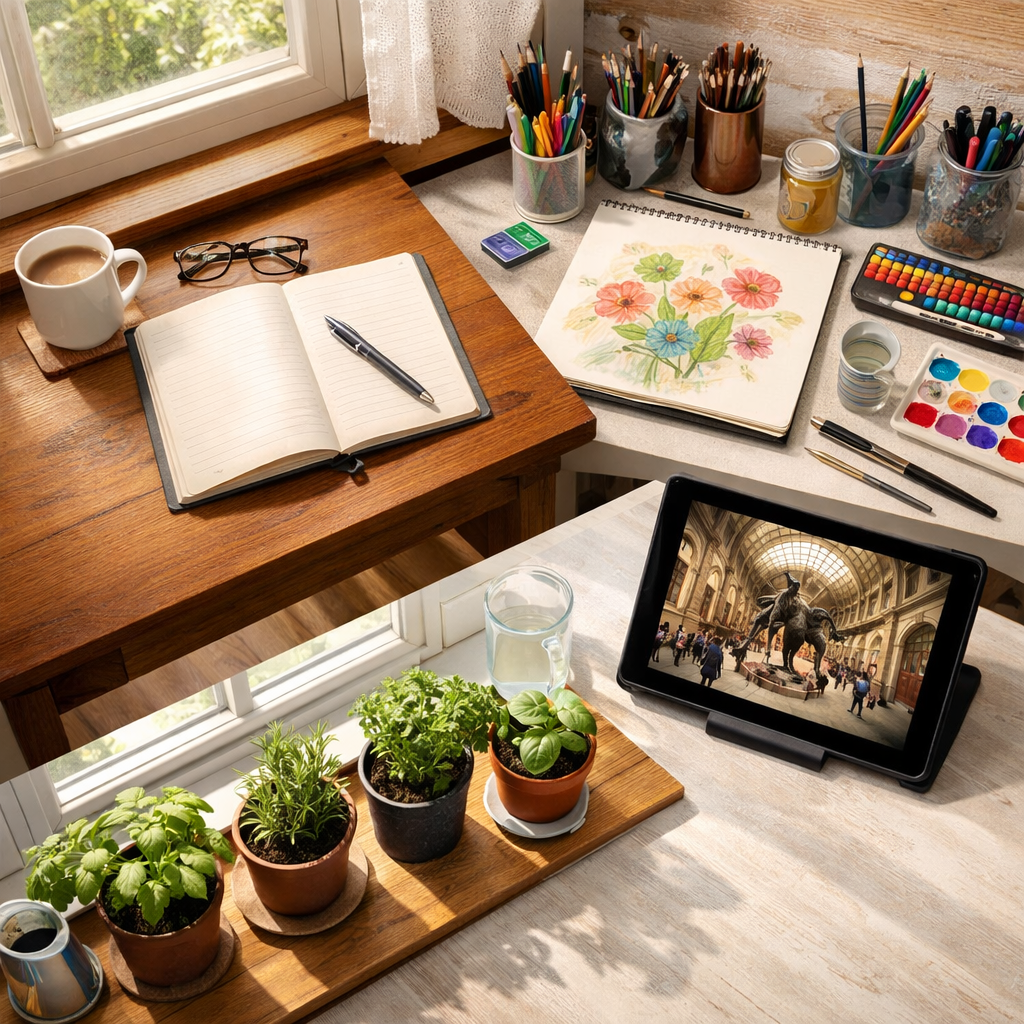
Morning: Fresh Start
Begin your day with 10 minutes of gentle stretching while still in bed or seated in a comfortable chair. This wakes up your body gradually and promotes flexibility. Follow with a simple breakfast and perhaps some journaling—write about your plans for the day or reflect on a pleasant memory.
Spend 30 minutes on intellectual engagement. Complete a crossword puzzle, read a chapter of your current book, or watch an educational video about a topic that interests you. Your mind is typically sharpest in the morning, making this ideal for more demanding mental activities.
Midday: Creative Expression
After a light lunch, engage in a creative activity for about an hour. Perhaps you’ll work on a craft project, sketch something you see outside your window, or organize photographs from a particular period of your life. These midday activities provide a pleasant transition from morning to afternoon.
This is also an excellent time for social connection. Make a video call to a family member, respond to emails from friends, or participate in an online discussion group. Even 15 minutes of genuine connection brightens your day and theirs.
Afternoon: Practical Engagement
Try a practical activity that produces tangible results. Prepare an interesting recipe you’ve been wanting to try, tend to your houseplants, or organize a small area of your home. These activities keep you moving gently while accomplishing something useful.
If weather permits and you have outdoor access, step outside briefly for fresh air and a change of scenery. If not, simply opening a window and observing nature or neighborhood activity connects you with the larger world.
Evening: Relaxation and Cultural Enrichment
As energy naturally decreases, shift to more relaxing activities. Take a virtual museum tour, watch a documentary or favorite film, or listen to music that brings you joy. These activities engage your mind without demanding intense focus.
Before bed, perhaps read something light or write briefly in your journal about the day’s highlights. This evening ritual provides closure to your day while setting a peaceful tone for sleep.
Remember, this sample schedule is just one possibility. Your perfect day might look entirely different—and that’s exactly as it should be. The key is finding a rhythm that feels natural and sustainable for you.
Moving Forward with Confidence
Retirement is not an ending—it’s a new beginning filled with opportunities to discover passions, maintain connections, and continue growing as a person. The indoor activities we’ve explored offer pathways to a richer, more engaged life, but they’re just starting points. Your unique interests, experiences, and preferences will guide you toward the specific activities that resonate most deeply with you.
At SilverSmart, we understand that active aging isn’t about following a prescribed formula. It’s about discovering what makes you feel alive, connected, and purposeful. Whether you find joy in quiet intellectual pursuits, creative expression, or maintaining social bonds, what matters most is that you’re actively choosing engagement over isolation, growth over stagnation.
Starting today, choose just one activity from this article that genuinely appeals to you. Set aside 15 minutes to try it without judgment or expectations. Notice how it makes you feel. Does it spark curiosity? Provide satisfaction? Bring a smile to your face? That awareness will guide you toward the activities worth incorporating into your regular routine.
Your home isn’t a place of confinement—it’s a space of possibility. Within these familiar walls, you can travel through books, create beautiful things with your hands, strengthen your mind, connect with loved ones across distances, and discover aspects of yourself you never knew existed. These simple indoor activities aren’t just ways to pass time—they’re investments in your ongoing journey of growth and fulfillment.
Embrace this chapter of your life with curiosity and openness. Every day offers fresh opportunities to discover, explore, and thrive. Your most fulfilling years aren’t behind you—they’re happening right now, one meaningful activity at a time.