Retirement opens up a world of possibilities, but sometimes the best adventures happen right at home. Indoor hobbies for elderly individuals aren’t just pleasant pastimes—they’re powerful tools for maintaining cognitive health, preserving physical mobility, and lifting spirits. Research consistently shows that engaging in meaningful activities can slow cognitive decline, improve memory function, and even enhance problem-solving skills. When you settle into a beloved hobby, your brain lights up with activity, forming new neural pathways that keep your mind sharp and agile.
Physical benefits matter too. Even gentle hobbies that involve hand movements, light stretching, or creative expression help maintain dexterity and coordination. Your body thrives on regular, purposeful movement, no matter how small. But perhaps most importantly, hobbies create emotional wellness. They give structure to your days, provide a sense of accomplishment, and offer genuine joy. When you complete a puzzle, finish a painting, or master a new recipe, you experience pride and satisfaction that radiates through your entire day.
Social connections flourish through shared interests as well. Whether you’re discussing a book with a reading group over video chat, sharing your latest craft project with family, or teaching a grandchild your favorite card game, hobbies become bridges to meaningful relationships. These connections combat loneliness and create a support network that enriches your retirement years. At SilverSmart, we believe that discovering new passions and staying engaged transforms retirement from a quiet ending into an exciting new chapter. Creating enjoyable routines filled with activities you love brings fulfillment without ever needing to step outside your front door.
Guiding Principles for Choosing Indoor Activities
Selecting the right hobbies for elderly at home starts with understanding a few core concepts. Accessibility comes first. The best activities work with your current abilities rather than against them. If you have limited mobility, you need hobbies that accommodate sitting or gentle movement. If vision challenges affect you, audio-based activities or large-print materials make participation easier. The key is finding activities that feel welcoming rather than frustrating.
Enjoyment should always triumph over obligation. Too often, people choose activities because they feel they “should” do them, not because they genuinely want to. Your hobbies should spark curiosity and bring genuine pleasure. If knitting feels like a chore but painting makes you lose track of time, follow that enthusiasm. When activities align with your natural interests, you’ll stick with them and reap long-term benefits.
Community involvement enhances nearly every hobby. Even solitary activities become richer when shared with others. Reading becomes more engaging when you discuss books with a friend. Cooking transforms into a bonding experience when you share recipes with family members. Puzzles gain new dimensions when you collaborate with a spouse or companion. A well-designed social environment doesn’t mean constant interaction—it means having opportunities to connect when you want them.
Safety and comfort form the foundation of sustainable hobbies. Your activity space should be well-lit, comfortable, and organized to prevent accidents. Materials should be easy to reach and use. Regular breaks prevent fatigue and keep activities enjoyable rather than exhausting. When your environment supports your hobbies, you’ll engage more consistently and experience greater satisfaction. SilverSmart’s philosophy emphasizes that thriving in retirement means creating conditions where discovery feels natural and safe, allowing you to explore new interests with confidence.
Categories of Indoor Hobbies That Spark Joy
Reading and Storytelling
Reading opens infinite worlds from the comfort of your favorite chair. Whether you prefer mystery novels, historical biographies, or inspirational essays, books stimulate imagination and keep your mind engaged. Audiobooks offer wonderful alternatives if vision challenges make traditional reading difficult. Many libraries now provide digital lending services, giving you access to thousands of titles without leaving home. Book clubs, whether in-person or virtual, add social dimensions that deepen your understanding and create meaningful conversations. For more inspiration on simple activities that keep your mind sharp, explore additional reading strategies and cognitive exercises.
Arts and Crafts
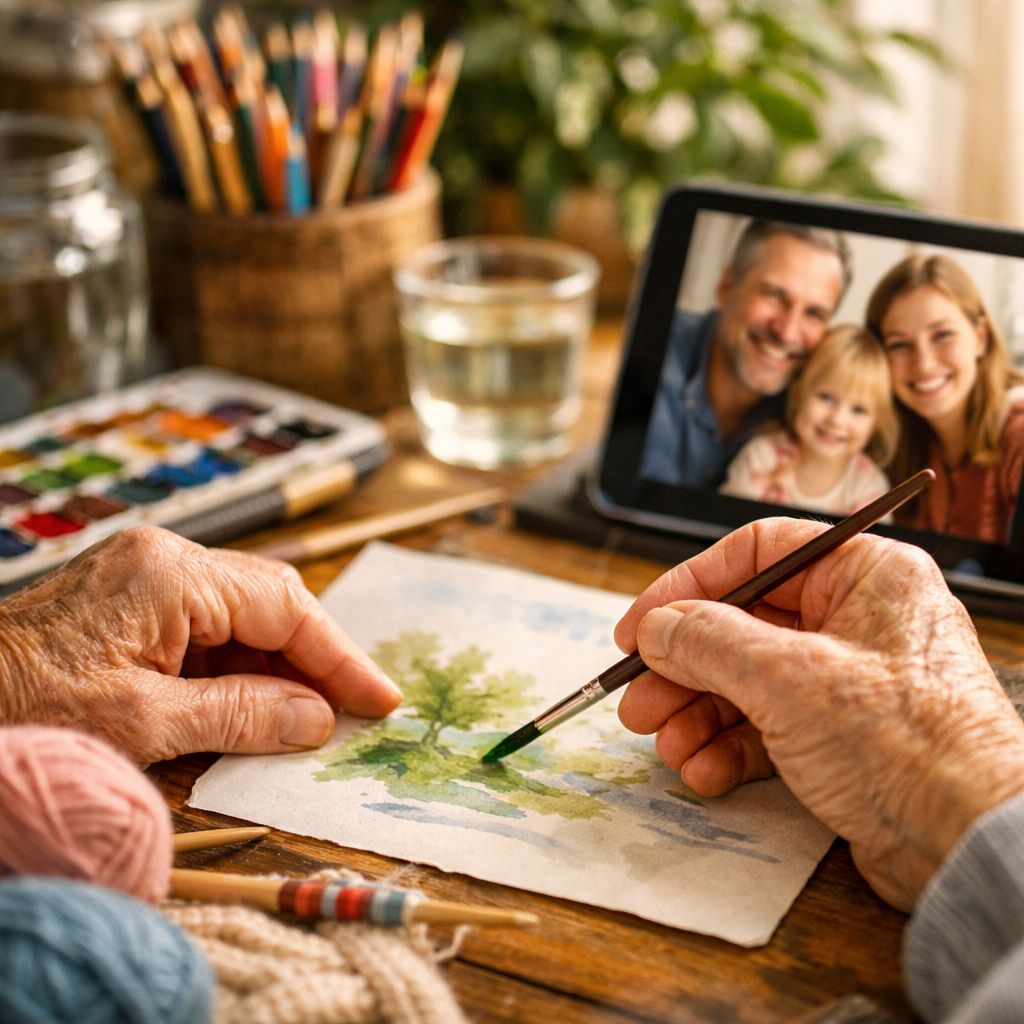
Creative expression through arts and crafts offers therapeutic benefits alongside beautiful results. Painting with watercolors or acrylics lets you capture colors and emotions on canvas. Drawing with pencils or charcoal develops observation skills and hand-eye coordination. Knitting, crocheting, and needlework produce useful items while providing meditative repetition that calms the mind. Scrapbooking preserves memories and tells your life story in creative ways. Simple crafts like origami, card making, or jewelry design require minimal supplies but deliver maximum satisfaction.
Music Appreciation and Creation
Music touches the soul in unique ways. Listening to your favorite songs from different eras can transport you to cherished memories and lift your mood instantly. Learning to play an instrument, even simple ones like ukulele or keyboard, challenges your brain and provides accomplishment. Singing along to familiar tunes exercises your lungs and releases endorphins. Music therapy has proven benefits for mood elevation, especially for seniors experiencing cognitive changes. Creating playlists for different moods or occasions becomes a delightful curation project.
Brain Games and Puzzles
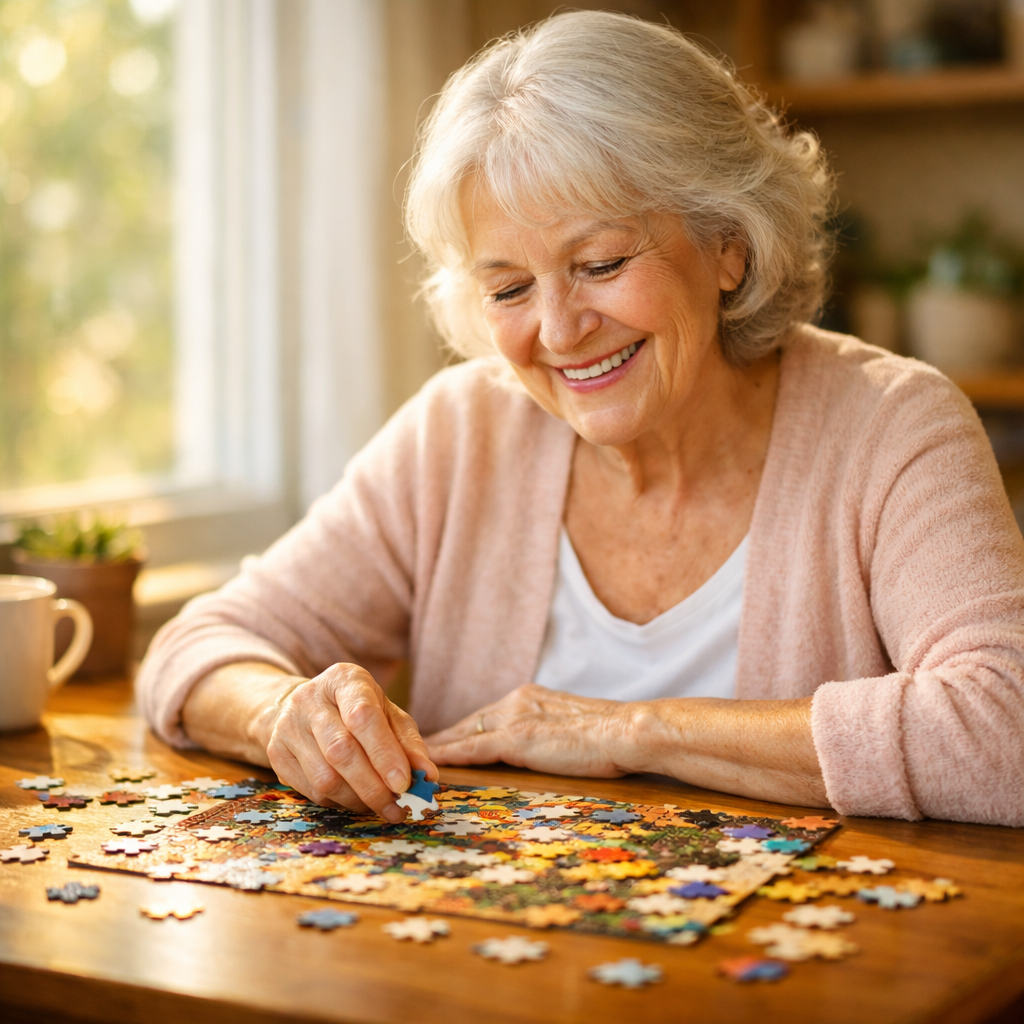
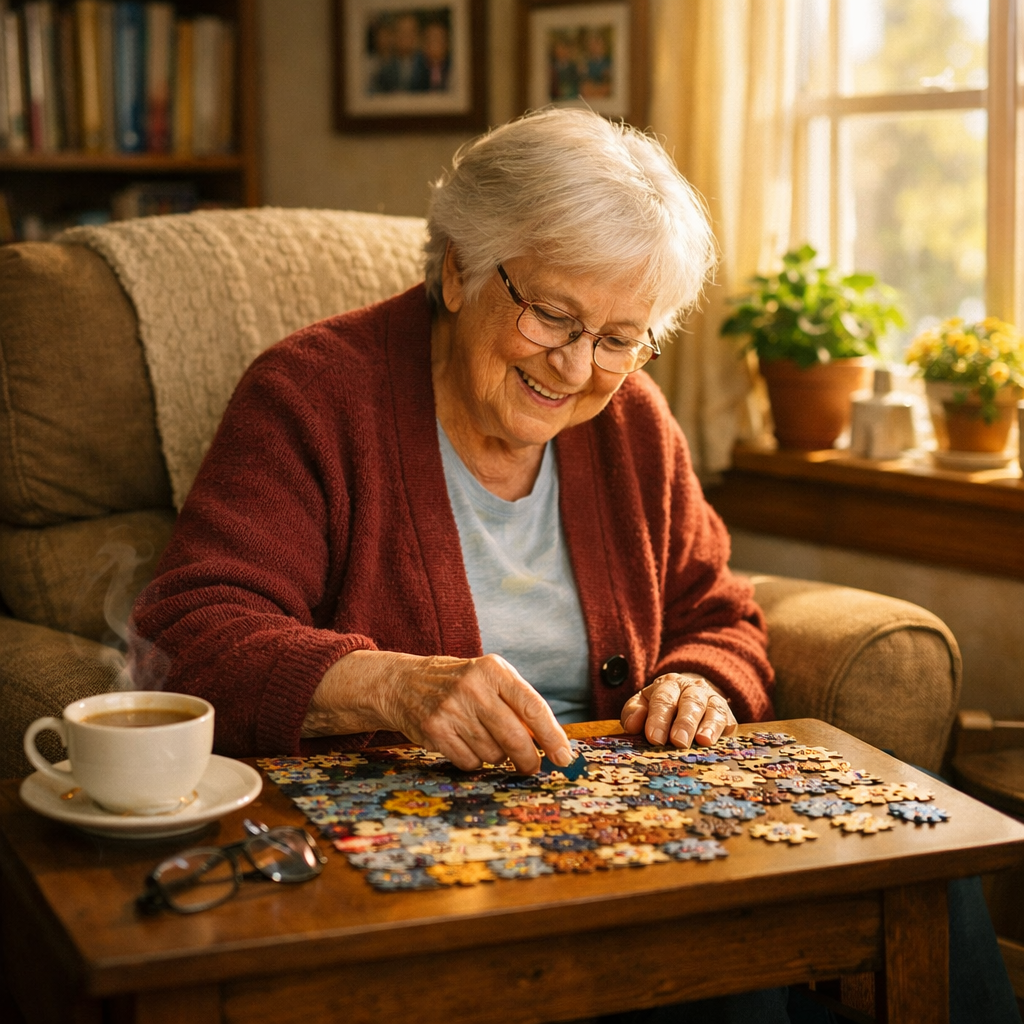
Mental stimulation through games keeps cognitive abilities sharp. Jigsaw puzzles strengthen spatial reasoning and problem-solving skills while offering satisfying completion moments. Research from the Journal of Aging Research reveals puzzle activities help manage early dementia symptoms, improving recall while providing therapeutic benefits. Sudoku, crossword puzzles, and word searches provide daily mental workouts that are both challenging and rewarding. Card games like bridge, solitaire, or rummy combine strategy with social interaction. Board games with family members create bonding opportunities while exercising memory and planning skills. Digital brain training apps offer variety and track your progress over time.
Creative Writing and Journaling
Writing captures your thoughts, preserves your history, and provides emotional release. Journaling about daily experiences helps process feelings and track positive moments. Writing memoirs or micro-stories shares your life wisdom with future generations. Poetry exploration lets you play with language and express emotions in concentrated forms. Even letter writing to friends and family strengthens connections and gives them treasured keepsakes. The act of putting pen to paper (or fingers to keyboard) clarifies thinking and creates lasting records of your unique perspective.
Photography and Digital Arts
Photography has never been more accessible, thanks to smartphone cameras. Capturing interesting angles of everyday objects, documenting seasonal changes through your window, or creating photo essays about your home environment develops artistic vision. Digital photo organizing and editing software lets you enhance images and create albums or slideshows to share with loved ones. Virtual museum tours and online art galleries provide endless inspiration without travel requirements.
Cooking and Baking
The kitchen offers endless opportunities for creativity and sensory engagement. Trying new recipes challenges you to learn techniques while producing delicious results. Baking bread or cookies fills your home with comforting aromas that boost mood. Experimenting with herbs and spices adds excitement to familiar dishes. Sharing your culinary creations with family members, either in person or through recipe swaps, strengthens bonds. Cooking also provides gentle physical activity through measuring, mixing, and preparation tasks.
Indoor Gardening
Growing plants indoors brings nature’s beauty into your living space. Herb gardens on windowsills provide fresh ingredients for cooking while offering the satisfaction of nurturing life. Houseplants improve air quality and add vibrant greenery to your environment. Starting seedlings or caring for succulents requires minimal physical effort but delivers daily moments of observation and care. Indoor gardening connects you to natural cycles and provides purposeful routine.
Gentle Movement Practices
Physical wellness doesn’t require gym equipment or extensive space. Chair yoga offers stretches and poses that improve flexibility while accommodating mobility limitations. Light stretching routines maintain range of motion and prevent stiffness. Dancing to favorite music combines cardiovascular benefits with pure enjoyment. Tai chi movements promote balance and mindful awareness. These practices keep your body active without strain or risk.
Social Activities from Home
Technology enables rich social connections without travel. Video calls with family members let you see grandchildren grow and participate in their lives. Virtual game nights with friends maintain traditions and laughter. Online classes in various subjects provide learning opportunities alongside meeting new people. Religious services streamed online keep spiritual connections strong. Social media groups centered around your interests create communities of like-minded individuals who share advice and encouragement. Discover more ways to stay connected through popular hobbies that combine social engagement with mental stimulation.
Choosing and Tailoring Activities to Your Needs
Selecting the right hobbies for elderly at home begins with honest reflection about your interests and abilities. Consider what naturally attracts your attention. Do you gravitate toward visual beauty, logical problems, physical creation, or social interaction? Your past experiences offer clues too. Activities you enjoyed in younger years often remain appealing with slight modifications.
Safety considerations guide practical choices. Evaluate your physical capabilities without judgment. If standing for long periods causes discomfort, choose sitting activities. If fine motor control has changed, select hobbies with larger materials or adaptive tools. Proper lighting prevents eye strain and reduces accident risk. Organizing supplies within easy reach eliminates unnecessary stretching or bending.
Personal goals shape your activity selection as well. Some people want mental stimulation, others seek creative expression, and many desire social connection. Multiple goals can coexist—reading clubs provide both intellectual engagement and friendship. Clearly identifying what you hope to gain helps you choose activities that deliver meaningful benefits.
Adaptive tools make many hobbies more accessible than you might expect. Magnifying glasses, book holders, and large-print materials support reading. Ergonomic handles on craft tools reduce hand strain. Voice-activated technology simplifies digital activities. Raised garden beds bring plants to comfortable heights. Many creative adaptations cost little but dramatically improve participation.
Planning short sessions with regular breaks prevents fatigue and maintains enthusiasm. Thirty-minute activity periods followed by rest often work better than marathon sessions. Breaking projects into smaller steps provides frequent completion moments that build confidence. Flexibility in scheduling accommodates energy fluctuations—some days you’ll engage more than others, and that’s perfectly fine.
Practical Implementation Tips
Creating an activity bank gives you choices based on your daily energy and mood. List ten to fifteen activities you want to try or enjoy regularly. When you sit down with free time, consult your list rather than spending energy deciding what to do. This simple strategy removes decision fatigue and encourages consistent engagement.
Setting up a comfortable activity space makes hobbies more inviting. Dedicate a corner of your living room or dining table as your creative zone. Keep supplies organized in easy-to-access containers. Ensure adequate lighting and comfortable seating. Having materials ready eliminates setup barriers that might discourage participation.
Scheduling social interactions maintains connections even when focusing on solitary hobbies. Plan regular video calls with family members to share your latest projects. Join online forums or groups related to your interests. Invite friends over for collaborative activities like puzzle completion or craft afternoons. These planned touchpoints prevent isolation while honoring your preference for home-based activities.
Tracking benefits provides motivation and insight. Keep a simple journal noting how you feel after different activities. You might discover that painting sessions particularly boost your mood or that morning puzzles sharpen your afternoon focus. Recognizing patterns helps you prioritize activities that deliver the greatest benefits.
Budget-friendly options ensure hobbies remain accessible regardless of financial constraints. Libraries offer free books, audiobooks, and digital resources. Many craft supplies come from repurposed household items. Free online tutorials teach countless skills. Community centers often provide low-cost or free classes. YouTube channels dedicated to senior activities offer endless inspiration without subscription fees. SilverSmart believes that discovery shouldn’t depend on budget—meaningful exploration happens through curiosity and creativity rather than expensive equipment.
Overcoming Common Barriers
Fatigue challenges many seniors starting new hobbies. The solution lies in accepting your natural rhythms rather than fighting them. Choose your highest-energy times for more demanding activities. Break projects into five or ten-minute segments if needed. Remember that gentle engagement beats ambitious exhaustion every time.
Technology hesitancy stops some people from trying digital hobbies or online communities. Start with one simple technology goal, like making a video call or accessing library audiobooks. Ask family members for patient, step-by-step guidance. Many senior centers offer free technology classes specifically designed for older adults. Once you master one skill, others become less intimidating.
Motivation dips happen to everyone. Combat them by varying activities so novelty maintains interest. Share your hobbies with others for accountability and encouragement. Set small, achievable goals that provide frequent wins. Remember your “why”—the reasons you started the hobby in the first place. Sometimes taking a short break from an activity refreshes your enthusiasm when you return.
Limited mobility requires creativity but needn’t eliminate options. Seated activities form their own rich category. Adaptive tools extend capabilities significantly. Focusing on what you can do rather than limitations opens possibilities. Many hobbies actually accommodate various ability levels better than you might expect.
Sample Starter Week Plan
Here’s how you might integrate various hobbies for elderly at home into a weekly routine:
Monday Morning: Start with 30 minutes of reading or audiobook listening while enjoying breakfast. The gentle mental engagement sets a positive tone for the day.
Monday Afternoon: Try 20 minutes of chair yoga or gentle stretching to maintain flexibility. Follow with a puzzle session—jigsaw, crossword, or Sudoku based on your preference.
Tuesday: Focus on creative expression. Spend an hour painting, drawing, or working on a craft project. The immersive nature of creative work provides meditative benefits.
Wednesday: Social connection day. Schedule a video call with family or friends. Play an online game together or simply share conversation over virtual coffee.
Thursday: Indoor gardening morning—water plants, check growth, maybe start new seeds. Afternoon cooking or baking project, perhaps trying a new recipe or perfecting an old favorite.
Friday: Writing day. Journal about the week’s highlights, work on memoir stories, or write letters to loved ones. Music listening or playing an instrument in the evening.
Weekend: Mix activities freely based on energy and interest. Perhaps a longer craft project, movie watching with family, virtual religious service, or teaching a grandchild something special over video chat.
This structure provides variety while establishing comforting routines. Adjust timing and activities based on your preferences—the goal is creating a rhythm that feels natural and joyful.
Embracing Your Home-Based Journey
Indoor hobbies for elderly individuals offer far more than time-filling activities. They represent pathways to continued growth, connection, and joy throughout retirement. Each hobby you explore becomes part of your ongoing discovery journey, revealing new facets of yourself and maintaining the vibrant engagement that makes life fulfilling.
Your living room can become an art studio, library, concert hall, garden, classroom, and social center all at once. The boundaries of your home expand when curiosity drives your days. Every activity strengthens your mind, nurtures your body, or feeds your soul—often all three simultaneously.
Start small if you’re beginning this journey. Choose one activity that genuinely appeals to you. Dedicate just fifteen minutes to trying it. Notice how you feel afterward. Build from that foundation, adding activities gradually as enthusiasm grows. There’s no rush and no competition—this journey belongs entirely to you.
Stay curious about new possibilities. What worked beautifully last month might feel less appealing now, and that’s perfectly fine. Your interests will evolve, and your hobby collection should evolve with them. SilverSmart’s philosophy centers on this continuous discovery—retirement isn’t a static destination but an unfolding adventure where each day brings opportunities to explore, create, and connect.
Your golden years can shine brightest when filled with activities that bring genuine joy. Whether you’re solving puzzles, creating art, nurturing plants, or sharing stories, you’re actively choosing engagement over passivity. That choice transforms ordinary days into meaningful experiences and converts your living room into a launching pad for continued growth. The hobbies you embrace today become the memories and accomplishments you’ll treasure tomorrow. So settle into your favorite chair, pick up that book or paintbrush or deck of cards, and let the journey continue right where you are.