Retirement isn’t about slowing down—it’s about discovering new ways to thrive. As we age, staying engaged through meaningful activities becomes essential not just for passing time, but for maintaining cognitive sharpness, physical vitality, and emotional well-being. The beauty of active aging at home is that you don’t need expensive gym memberships or complicated equipment to live vibrantly. Your living room can become a studio, your kitchen table a creative workspace, and your favorite armchair the perfect spot for mental stimulation.
At SilverSmart, we believe that retirement should be a journey of continuous discovery and exploration. Through personalized experiences tailored to your unique interests, we help seniors unlock new passions and maintain active, fulfilling lifestyles. Whether you’re looking to challenge your mind, express your creativity, or keep your body moving gently, hobbies for seniors at home offer endless possibilities for growth and joy. The key is finding activities that resonate with who you are and who you’re becoming in this exciting chapter of life.

Exploring Categories of Engaging Home Activities
The wonderful thing about hobbies for seniors at home is their incredible variety. You can choose activities that match your current interests while discovering entirely new passions. Let’s explore three main categories that offer distinct benefits for your mind, body, and spirit.
Cognitive and Brain Health Activities
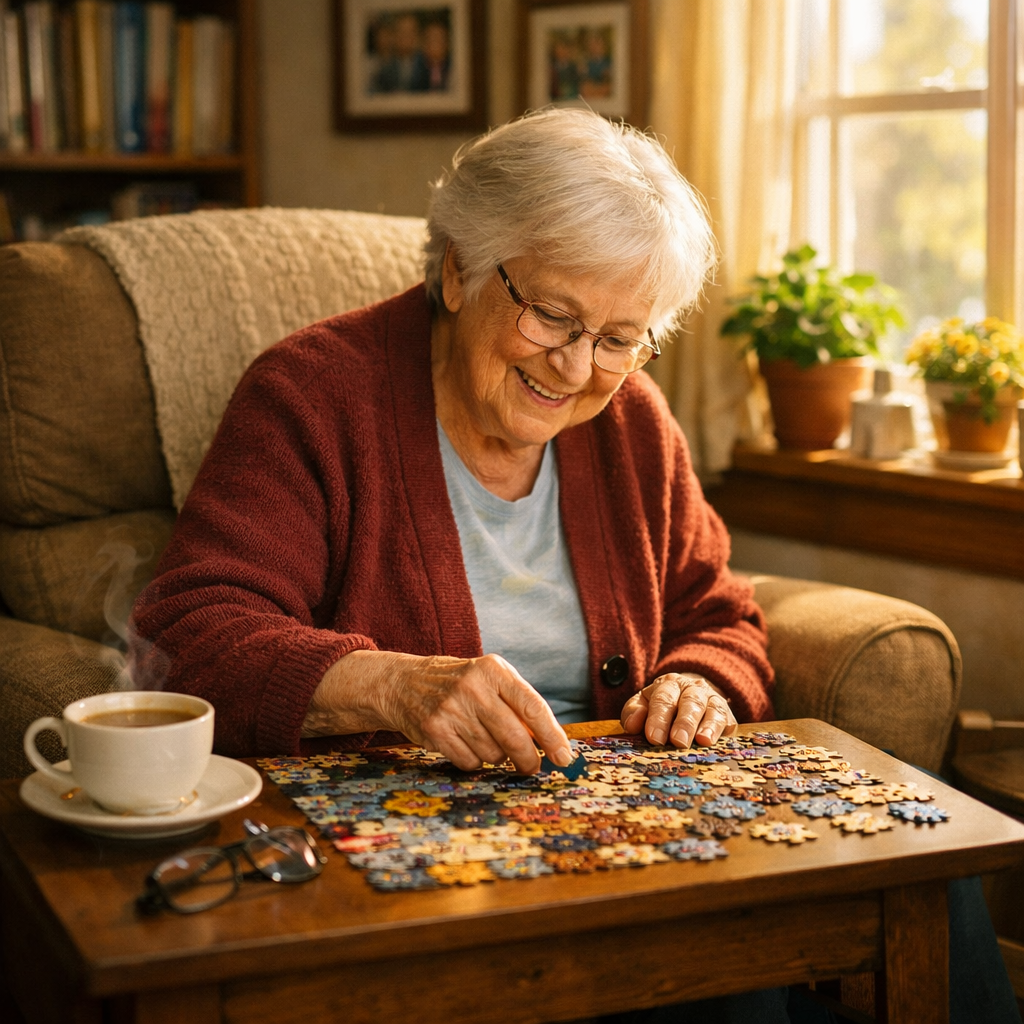
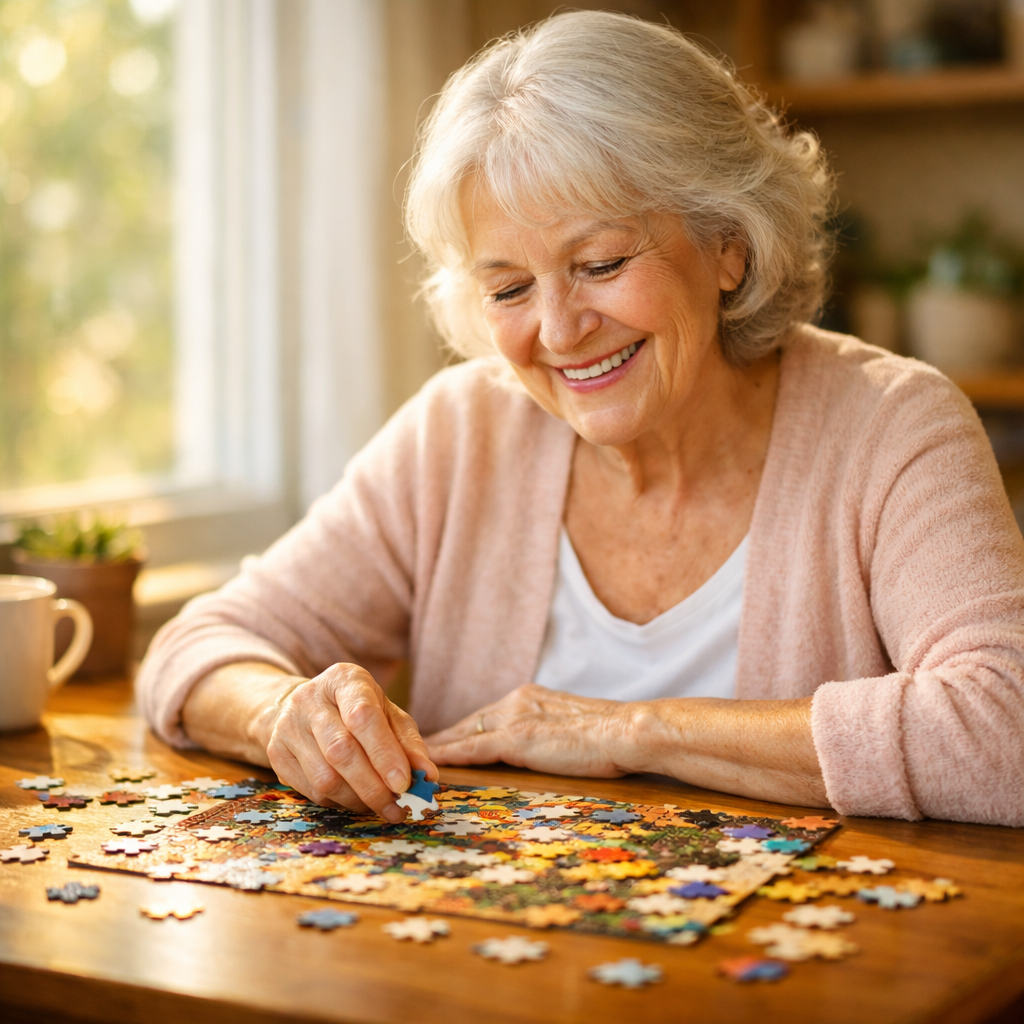
Your brain thrives on stimulation, and cognitive activities are like workouts for your mind. Puzzles—whether jigsaw, crossword, or Sudoku—challenge your problem-solving abilities and memory. According to research from Boston University, engaging in mentally stimulating activities can support cognitive health and may even help delay age-related mental decline. Reading opens windows to new worlds, whether you prefer fiction that transports you elsewhere or non-fiction that teaches you something new. Consider joining a virtual book club to add a social element to your reading habit.
Learning a new language represents one of the most powerful cognitive exercises available. Apps like Duolingo or Babbel make language learning accessible from your couch, and the mental benefits are substantial. Maria, a 68-year-old retiree from Portland, started learning Spanish using her tablet and now video chats weekly with a language partner in Mexico. “It’s amazing how much sharper I feel,” she shares. “My grandchildren joke that I’m getting younger instead of older!”
Strategic games like chess, bridge, or even digital brain-training apps provide structured mental challenges. These activities strengthen neural pathways and improve focus, attention, and strategic thinking—skills that benefit every aspect of daily life. Discover more best hobbies for retirees that keep your mind sharp.
Creative Arts and Self-Expression
Creative activities offer a unique combination of cognitive stimulation and emotional fulfillment. Painting and drawing require no prior experience to begin. Watercolors are particularly forgiving for beginners, and adult coloring books provide structured ways to explore color and design. The act of creating art activates different brain regions than analytical activities, promoting mental flexibility and reducing stress.
Knitting, crocheting, and other fiber arts have experienced a renaissance among seniors, and for good reason. These activities improve fine motor skills, require pattern recognition and counting (cognitive benefits), and produce tangible results you can gift or use. Plus, many seniors find the repetitive motions meditative and calming. Online communities like Ravelry connect knitters worldwide, allowing you to share projects and learn new techniques without leaving home.
Writing offers another powerful creative outlet. Whether you’re journaling about daily experiences, crafting poetry, or working on your memoirs, writing helps process emotions, preserve memories, and communicate your unique perspective. Robert, 72, began writing short stories about his childhood and discovered a passion he never knew existed. “I’m creating something meaningful for my grandchildren,” he explains. “They’ll know their grandfather not just as I am now, but as I was—the whole story.”
Music creation and appreciation also fall into this category. Learning an instrument (keyboard instruments work wonderfully at home), singing along to favorite songs, or exploring new genres stimulates memory, coordination, and emotional expression. Music therapy research consistently demonstrates its powerful effects on mood, cognitive function, and overall well-being. For more ideas, explore our guide on creative hobbies for seniors.
Physical Activities for Gentle Movement
Physical activity doesn’t require intense workouts or special equipment. Gentle, consistent movement keeps joints flexible, muscles strong, and balance steady—all crucial for maintaining independence and preventing falls.
Chair yoga has become increasingly popular among seniors because it’s accessible, safe, and surprisingly effective. Seated poses improve flexibility, strengthen core muscles, and promote better posture and breathing. YouTube offers countless free chair yoga videos specifically designed for seniors, making it easy to practice whenever suits your schedule. According to research from the National Institutes of Health, chair yoga programs show beneficial outcomes on gait and balance for older adults. The beauty of chair yoga is that it meets you where you are—whether you’re completely new to yoga or have practiced for years but need modifications.
Gentle stretching throughout the day maintains range of motion and reduces stiffness. Simple neck rolls, shoulder shrugs, ankle circles, and seated spinal twists take just minutes but keep your body moving smoothly. Margaret, 75, sets a gentle reminder on her phone to stretch every two hours. “I used to feel so stiff by evening,” she says. “These little stretch breaks have made such a difference in how I feel.”
Tai Chi, often called “meditation in motion,” combines slow, flowing movements with focused breathing. While traditionally practiced in parks, many online classes now make Tai Chi accessible at home. This ancient practice improves balance, reduces stress, and enhances body awareness—benefits that translate directly to daily activities like walking and preventing falls.
Even simple walking around your home counts as physical activity. Consider walking in place during TV commercials, pacing while talking on the phone, or taking brief movement breaks between seated activities. Every step contributes to cardiovascular health and mobility. Learn more about exercise programs for seniors that build strength safely.
Practical Guidelines for Choosing and Implementing Activities
Starting new hobbies can feel overwhelming, but following a few practical guidelines makes the process enjoyable rather than stressful.
Start With Familiar Interests
Begin by reflecting on activities you’ve enjoyed throughout your life. Did you love drawing as a child? Perhaps adult coloring books or simple sketching would reignite that passion. Were you always fascinated by languages? Now might be the perfect time to learn conversational French. Starting with familiar territory provides confidence and a foundation for exploring related activities.
That said, don’t let unfamiliarity stop you from trying something completely new. SilverSmart’s personalized approach helps identify activities aligned with your interests, even ones you haven’t considered. Our AI-powered recommendations consider your preferences, physical abilities, and goals to suggest hobbies that genuinely suit you.
Create a Dedicated Hobby Space
You don’t need an entire room, but having a designated spot for your activities makes a significant difference. A corner of your living room with good lighting, a comfortable chair, and a small table can become your creative studio. A bookshelf within arm’s reach creates your reading nook. A cleared kitchen counter can be your puzzle headquarters.
This dedicated space serves as a visual reminder to engage in your hobby and reduces the friction of starting. When your knitting basket is always in its spot, or your watercolors are already set up, you’re much more likely to spend a few minutes creating rather than thinking, “I should do that sometime.”
Set Realistic Goals
The key to consistency is setting goals that feel achievable rather than overwhelming. Instead of “I’ll read for an hour daily,” try “I’ll read for 15 minutes each morning with my coffee.” Instead of “I’ll complete a 1000-piece puzzle this week,” aim for “I’ll work on my puzzle for 20 minutes each evening.”
Track your progress in whatever way feels natural—a simple checkmark on a calendar, notes in a journal, or using SilverSmart’s digital Exploration Passport to log achievements. Celebrating small milestones keeps motivation high and helps you recognize how these incremental efforts create significant change over time.
Balance Variety with Consistency
While consistency builds habits, variety prevents boredom and exercises different aspects of your mind and body. Consider rotating through different types of activities rather than doing the same thing daily. Monday might be your puzzle day, Tuesday your chair yoga practice, Wednesday your painting session, and so on.
This rotation keeps things fresh while ensuring you engage in cognitive, creative, and physical activities throughout the week. The variety also helps you discover which hobbies resonate most deeply, allowing you to adjust your schedule accordingly.

Your 7-Day Starter Plan for Active Aging at Home
To help you begin your journey with hobbies for seniors at home, here’s a balanced weekly plan that keeps your mind sharp and body moving. Feel free to adapt this schedule to your preferences and energy levels.
Monday: Mental Stimulation
Start your week with cognitive challenges. Spend 20 minutes on a crossword puzzle or Sudoku, followed by 30 minutes of reading. If you’re learning a language, dedicate 15 minutes to your language app. This combination exercises memory, vocabulary, and problem-solving skills, setting an engaged tone for the week ahead.
Tuesday: Creative Expression
Dedicate Tuesday to creative pursuits. Try adult coloring for 30 minutes, allowing yourself to experiment with color combinations without judgment. Alternatively, spend time writing in a journal about a favorite memory or start that knitting project you’ve been considering. The goal is expression, not perfection.
Wednesday: Gentle Movement
Focus on physical well-being with 20 minutes of chair yoga. Choose a beginner-friendly video that emphasizes breathing and gentle stretching. Follow this with a few minutes of walking around your home. Notice how movement affects your energy and mood throughout the day.
Thursday: Social Connection Through Hobbies
Even at home, hobbies can connect you with others. Join a virtual book club discussion, video chat with a friend about a shared interest, or participate in an online community related to your hobby. Explore more unusual hobbies for seniors that build unexpected friendships. If you’re crafting, consider making something for a loved one. Social connection enhances emotional well-being and makes activities more meaningful.
Friday: Strategic Games
Challenge your mind with strategic thinking. Play online chess, bridge, or try a new brain-training app. Spend 30 minutes on games that require planning and decision-making. These activities strengthen executive function and keep your mind agile.
Saturday: Nature Connection
If you have a window with a view, try sketching or photographing what you see. Start a small indoor garden with herbs or easy-to-care-for plants. Even indoor nature connection provides mental health benefits and adds a nurturing element to your routine.
Sunday: Reflection and Planning
Use Sunday to reflect on your week. Which activities brought the most joy? Which challenged you in good ways? Spend time planning the upcoming week, perhaps trying one new activity alongside your favorites. Write about your experiences and celebrate the small victories—finishing a chapter, completing a puzzle section, holding a yoga pose a bit longer.
Throughout this week, remember that the goal isn’t perfection or rigid adherence to a schedule. Life happens, energy varies, and flexibility is essential. Some days you might engage in multiple activities; other days, one simple hobby might be enough. The important thing is consistent engagement with activities that bring meaning and joy.
Embracing Discovery, Exploration, and Thriving in Retirement
Your retirement years offer a unique opportunity for personal growth that busy working life rarely allowed. At SilverSmart, we’ve built our entire philosophy around helping you discover, explore, and thrive during this remarkable chapter. Hobbies for seniors at home aren’t just ways to fill time—they’re pathways to a more engaged, fulfilling, and vibrant life. Discover how living vibrantly transforms your golden years.
The personalized approach matters because your interests, abilities, and preferences are uniquely yours. What brings joy to one person might not resonate with another, and that’s exactly as it should be. Through AI-powered guidance and carefully curated experiences, we help you identify activities that align with who you are today while encouraging gentle exploration of who you might become.
Consider how Thomas, 70, discovered watercolor painting through one of our exploration boxes. “I never thought of myself as artistic,” he admits. “But when I tried it with no pressure, just following the simple guide, something clicked. Now I paint almost every day, and my family can’t believe the transformation. I can’t believe it either!” These moments of discovery—when you find an unexpected passion or talent—remind us why this work matters so deeply.
Active aging at home doesn’t mean doing everything or excelling at every activity. It means staying curious, remaining open to new experiences, and finding joy in the process rather than just the outcome. It means recognizing that learning something new at 75 is just as valuable as learning at 25, maybe even more so because you bring a lifetime of perspective to the experience. The U.S. POINTER study confirms that lifestyle interventions significantly improve cognition in older adults.
The cognitive benefits of regular mental stimulation, the physical advantages of gentle movement, and the emotional rewards of creative expression combine to support not just longevity but quality of life. You’re not just adding years—you’re adding life to those years.
As you embark on or continue your journey with hobbies for seniors at home, remember that SilverSmart is here to support your exploration. Our weekly email interactions check in on your progress, offer encouragement, and suggest adjustments based on your feedback. Our monthly discovery boxes introduce new activities aligned with your evolving interests. Our digital Exploration Passport tracks your achievements, creating a meaningful record of your growth and adventures.
Whether you’re rediscovering old passions or exploring completely new territories, approach each activity with patience and kindness toward yourself. Some hobbies will become beloved daily practices. Others might be interesting experiments you try once or twice. Both outcomes are valuable because both involve engagement, curiosity, and the willingness to try.
Your retirement is what you make it. With the right activities, support, and mindset, these years can be among the most creatively fulfilling, intellectually stimulating, and personally meaningful of your life. Every puzzle you complete, every brushstroke you make, every page you read, and every gentle movement you practice contributes to a vibrant, engaged lifestyle that defies outdated stereotypes about aging.
So start today. Choose one activity from this article that calls to you. Dedicate just 15 minutes to trying it. Notice how it feels, what it awakens in you, and where it might lead. Then tomorrow, try again—the same activity or something new. Step by step, day by day, you’re not just filling time. You’re crafting a retirement defined by discovery, exploration, and thriving. That’s the SilverSmart promise, and that’s the life waiting for you to embrace it.