
Retirement isn’t the end of something—it’s the beginning of everything you’ve been waiting for. After decades of alarm clocks, deadlines, and responsibilities, you finally have the gift of time. But here’s the beautiful challenge: how do you fill those days with activities that don’t just pass the time, but truly enrich your life?
The secret to a fulfilling retirement lies in staying active, engaged, and curious. Research shows that hobbies aren’t just pleasant pastimes—they’re powerful tools for maintaining cognitive health, emotional well-being, and physical vitality. When you challenge your brain with new experiences, connect with others who share your interests, and move your body regularly, you’re investing in a retirement filled with purpose and joy.
At SilverSmart, we’ve built our entire philosophy around this idea: Discover. Explore. Thrive. We believe that your golden years should be a journey of continuous growth, where every day brings opportunities to learn something new, connect with your community, and pursue passions you never had time for before. Whether you’re looking to keep your mind razor-sharp, make new friends, or simply find activities that bring a smile to your face, the right hobbies can transform your retirement from routine to remarkable.
The 10 Best Hobbies for Retirees
Let’s explore ten fantastic hobbies that offer mental stimulation, social connection, and the kind of fulfillment that makes retirement truly golden. Each one aligns with different interests and energy levels, so you’re sure to find activities that feel just right for you.

1. Gardening
There’s something almost magical about watching a seed transform into a thriving plant under your care. Gardening combines gentle physical activity with problem-solving and creativity, making it an ideal hobby for active aging. Whether you’re tending tomatoes in raised beds or cultivating colorful flowers in containers, you’re getting exercise, fresh air, and the satisfaction of nurturing life.
The cognitive benefits are impressive too. Planning your garden layout, learning about different plant varieties, and adapting to weather conditions all keep your brain engaged. Plus, the physical movements involved—bending, digging, watering—help maintain flexibility and strength without feeling like a workout.
💡 Quick Start Tip: Begin with easy-to-grow plants like herbs or cherry tomatoes in containers. This lets you experience success quickly without overwhelming yourself with maintenance.
2. Quilting and Needlework
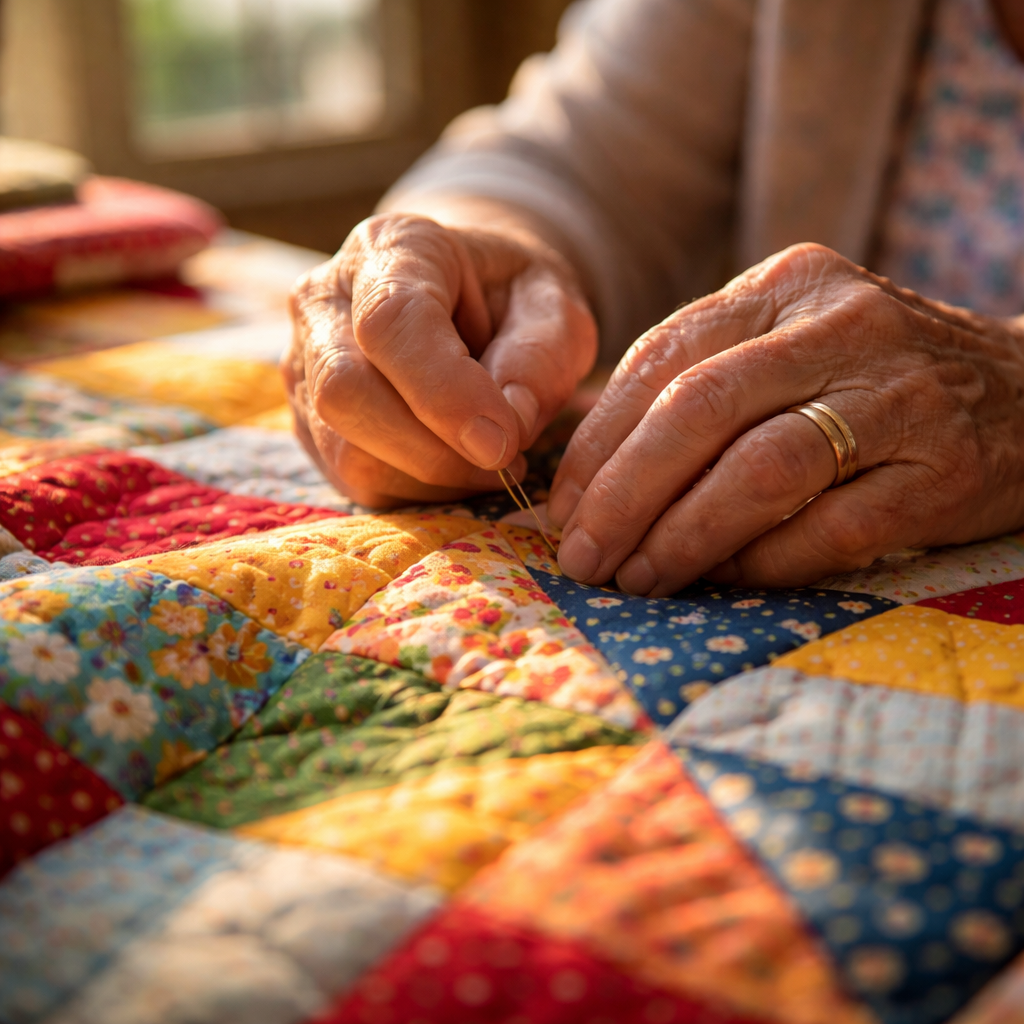
Quilting, knitting, crocheting, and other needlework activities are perfect examples of hobbies that combine creativity, concentration, and tangible results. These crafts require pattern recognition, planning, and fine motor skills—all excellent for keeping your mind sharp. Many retirees find the repetitive motions meditative and calming, reducing stress while producing beautiful handmade items.
The social aspect adds another layer of enjoyment. Quilting circles and knitting groups bring together people who share your passion, creating opportunities for friendship and community connection. You’ll learn new techniques, share patterns, and maybe even contribute blankets to charity projects.
💡 Quick Start Tip: Join a local crafting group at your library or senior center. The collective wisdom of experienced crafters will help you learn faster, and you’ll make friends immediately.
3. Learning New Languages
Your brain loves novelty, and few things challenge it quite like learning a new language. This hobby strengthens memory, improves multitasking abilities, and may even delay cognitive decline. Plus, it opens doors to new cultures, travel experiences, and conversations with people around the world.
Modern technology makes language learning more accessible than ever. Apps, online courses, and video chat language exchanges mean you can practice from your living room. The personalization aspect is key—you can focus on languages connected to your heritage, travel dreams, or simply ones that sound beautiful to you.
💡 Quick Start Tip: Start with just 10 minutes daily using a free app. Consistency matters more than intensity when building a new skill.
4. Book Clubs and Reading
Reading has always been a gateway to other worlds, but joining a book club takes this solitary pleasure and transforms it into a social experience. Discussing books with others sharpens critical thinking, exposes you to different perspectives, and creates meaningful conversations that go beyond small talk.
Book clubs also provide structure and accountability—you’ll actually finish that novel instead of letting it gather dust on your nightstand. The variety of genres explored by most clubs ensures continuous learning and mental stimulation.
💡 Quick Start Tip: Check your local library for existing book clubs, or start your own with neighbors who love to read. Many libraries now offer virtual options too.
5. Pottery and Ceramics
Working with clay engages your hands, mind, and creativity simultaneously. Pottery requires focus and problem-solving as you shape, smooth, and perfect your pieces. The tactile nature of the craft can be incredibly therapeutic, while the learning curve keeps your brain adapting to new challenges.
Creating functional items—bowls, mugs, planters—gives you practical results you can use daily or gift to loved ones. Each piece tells a story of your skill development and artistic vision.
💡 Quick Start Tip: Take a beginner’s class at a local art center. You’ll have access to equipment, instruction, and the inspiring energy of fellow learners.
6. Walking Groups and Gentle Exercise
Physical activity doesn’t have to mean grueling gym sessions. Walking groups offer the perfect combination of cardiovascular health, social interaction, and mental well-being. Regular walks improve balance, maintain bone density, and boost mood through the release of endorphins.
The social element makes all the difference. Walking with friends transforms exercise from a chore into an anticipated highlight of your day. You’ll explore new neighborhoods, enjoy nature, and stay connected with your community—all while taking care of your health.
💡 Quick Start Tip: Look for mall walking groups or nature hiking clubs designed specifically for seniors. They’ll match your pace and often include coffee or socializing afterward.
7. Photography
Photography teaches you to see the world with fresh eyes. Whether you’re capturing grandchildren’s smiles, dramatic sunsets, or interesting architectural details, photography combines technical learning with artistic expression. Modern digital cameras and smartphones make it easy to experiment without the cost of film development.
This hobby encourages you to get out and explore, seeking interesting subjects and perfect lighting. The editing process adds another layer of cognitive engagement as you enhance and organize your images. Sharing your photos online or in local exhibitions creates opportunities for feedback and connection.
💡 Quick Start Tip: Start with your smartphone camera. Learn one new feature each week, and practice by taking photos during daily activities.
8. Volunteering and Teaching
Sometimes the most rewarding hobbies involve giving back. Volunteering lets you share your lifetime of knowledge and skills while staying connected to your community. Whether you’re tutoring students, mentoring young professionals, serving at food banks, or leading tours at local museums, you’re making a tangible difference.
The cognitive benefits of teaching are well-documented. Explaining concepts to others reinforces your own knowledge and keeps your communication skills sharp. The social connections and sense of purpose contribute significantly to emotional well-being.
💡 Quick Start Tip: Consider opportunities that align with your career background or personal interests. Your decades of experience are incredibly valuable to others.
9. Cooking and Baking
The kitchen is a laboratory for creativity and continuous learning. Exploring new recipes, mastering techniques, and understanding flavor combinations all engage your brain in wonderful ways. Cooking and baking also provide sensory stimulation—the aroma of fresh bread, the vibrant colors of vegetables, the texture of dough under your hands.
These hobbies naturally create opportunities for sharing and connection. Hosting dinner parties, bringing treats to neighbors, or cooking meals for family gatherings all strengthen relationships while letting you express care through food.
💡 Quick Start Tip: Challenge yourself to try one new recipe each week. Experiment with cuisines you’ve never cooked before to maximize the learning experience.
10. Board Games and Strategy Games
Don’t underestimate the power of play. Strategic games like chess, bridge, or modern board games provide serious mental workouts. They require planning, pattern recognition, adaptability, and sometimes mathematical calculation—all excellent for cognitive health.
The social aspect makes game groups particularly valuable. Regular game nights with friends provide structure, laughter, friendly competition, and the kind of engaging conversation that happens naturally around a game table. Many communities have card groups, chess clubs, or board game meetups specifically for seniors.
💡 Quick Start Tip: Visit a local senior center to find existing game groups, or invite neighbors over for an informal game afternoon with simple, fun options.
Getting Started: Practical Tips for Success
Choosing from these 10 best hobbies for retirees is just the beginning. Here’s how to actually integrate new activities into your life in a way that feels natural and sustainable.
Assess Your Interests and Energy Levels
Be honest with yourself about what truly excites you. Don’t choose gardening because it sounds like what retirees “should” do if you’ve never enjoyed dirt under your fingernails. Pick activities that align with your genuine curiosities and personality. Also consider your current physical abilities. Some hobbies can be adapted for any mobility level, while others require specific capabilities.
Start Small and Build Gradually
One of the biggest mistakes new retirees make is trying to fill every empty hour immediately. Instead, choose one or two hobbies to explore first. Commit to small, manageable sessions—30 minutes of language practice, one afternoon of pottery class, a single weekly walk with friends. As these become comfortable routines, you can add more or go deeper.
Leverage Community Resources
You don’t need to invest heavily before knowing if a hobby suits you. Libraries offer free classes on everything from technology to crafts. Senior centers provide low-cost activities and built-in social groups. Community colleges often have special tuition rates for seniors interested in lifelong learning. These resources make experimentation affordable and accessible.
Embrace Adaptation
If traditional gardening is too hard on your knees, try container gardening or raised beds. If small needles are difficult to see, explore larger knitting needles or other fiber arts. Most hobbies can be modified to accommodate physical limitations without sacrificing enjoyment. The key is focusing on what you can do rather than what’s challenging.
Track Your Progress
There’s something deeply satisfying about seeing how far you’ve come. Keep a simple journal of your new activities, noting what you learned, how you felt, and what you want to try next. Take photos of your pottery pieces, garden progress, or completed quilts. This documentation not only tracks improvement but creates a meaningful record of your retirement journey.
Your Journey of Discovery Awaits
Retirement isn’t a destination—it’s a new chapter filled with possibilities. The 10 best hobbies for retirees we’ve explored offer paths to mental sharpness, physical vitality, social connection, and genuine joy. Whether you’re drawn to the quiet creativity of needlework, the physical engagement of gardening, the intellectual challenge of learning languages, or the community connection of volunteering, there’s a perfect activity waiting for you to discover.
Remember, the goal isn’t to fill every moment with scheduled activities. It’s to find pursuits that make you excited to start your day, that challenge you in comfortable ways, and that connect you with others who share your interests. Your retirement should feel like an adventure, not a checklist.
At SilverSmart, we understand that everyone’s retirement journey is unique. That’s why we’ve developed AI-powered personalized recommendations that help you discover activities tailored specifically to your interests, preferences, and goals. Our approach to Discover. Explore. Thrive. means continuously evolving with you as your interests develop and change.
The best hobby isn’t necessarily the most popular one—it’s the one that brings you joy, keeps you engaged, and helps you grow. So take that first step. Sign up for a class, join a group, or simply try something new this week. Your most fulfilling retirement is waiting, filled with discovery, connection, and the kind of vibrant living that makes every day meaningful.