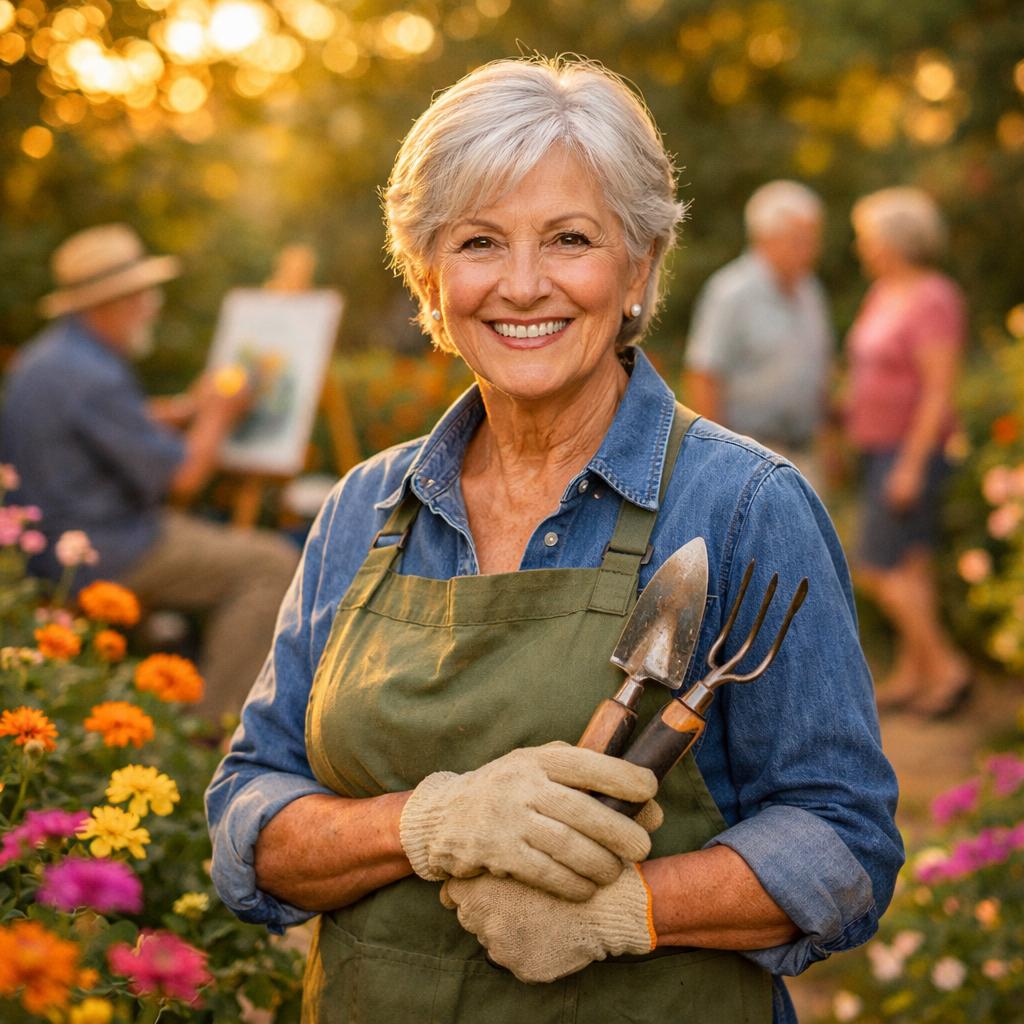
Retirement isn’t what it used to be. Gone are the days when hanging up your work boots meant settling into a rocking chair with nothing but daytime television for company. Today’s retirees are rewriting the script entirely, diving headfirst into passions they never had time to pursue during their working years. From painting masterpieces to learning Italian, seniors across the country are discovering that retirement is less about slowing down and more about speeding up in entirely new directions.
At SilverSmart, we believe this shift represents something profound: retirement should be a journey of continuous growth, discovery, and fulfillment. Through our AI-powered personalized experiences and monthly curated exploration boxes, we’ve witnessed firsthand how the right hobby can transform someone’s golden years from mundane to magnificent. The key isn’t just staying busy—it’s about discovering activities that genuinely light you up inside and keep both your mind and body engaged in meaningful ways.
Why Hobbies Matter More Than Ever in Your Golden Years
Let’s talk about what hobbies actually do for you beyond filling time. The research is pretty clear: engaging in regular hobbies isn’t just nice to have—it’s practically essential for thriving in retirement. When you pick up a new interest or dive deeper into an old one, you’re doing something powerful for your brain, body, and soul.
First up is cognitive health. Your brain is like a muscle that needs regular workouts to stay strong. When you challenge yourself with new skills—whether that’s memorizing chess strategies or following a knitting pattern—you’re building new neural pathways. Studies consistently show that seniors who maintain active hobbies experience slower cognitive decline and have a reduced risk of dementia. Think of it as cross-training for your mind.
Physical well-being gets a boost too, even from hobbies you might not consider “exercise.” Gardening involves bending, reaching, and lifting. Playing a musical instrument improves fine motor skills and coordination. Even activities like painting or crafting require hand-eye coordination that keeps your body functioning smoothly. The National Institute of Aging has found that having regular hobbies can actually increase life expectancy and decrease rates of depression. That’s not just anecdotal—that’s solid science backing up what many of us instinctively know.
Then there’s the emotional side of things. Hobbies provide structure to your days and give you something to look forward to each week. They offer a sense of achievement when you complete a project or master a new skill. Perhaps most importantly, they combat loneliness—one of the biggest health risks facing seniors today. Whether you’re joining a book club, taking a pottery class, or volunteering at the local food bank, hobbies naturally connect you with like-minded people who share your interests.
Finally, hobbies support independence and quality of life. When you’re actively engaged in pursuits you love, you maintain a sense of purpose and identity beyond your former career or family roles. You’re not just “retired”—you’re a photographer, a baker, a language learner, or whatever passion defines this chapter of your life. This sense of self keeps you vibrant, confident, and eager to embrace each new day.

The Most Popular Hobbies for Seniors Taking 2025 by Storm
So what are retirees actually doing with their newfound freedom? The landscape of senior hobbies has evolved dramatically, blending traditional pastimes with modern innovations. Here are the categories that are absolutely dominating right now.
Language Learning: Opening New Worlds From Your Living Room
Learning a new language tops many retirees’ bucket lists, and for good reason. Apps like Duolingo and Babbel have made language learning more accessible than ever, allowing you to practice at your own pace without the pressure of a formal classroom. Many seniors are choosing languages connected to their heritage, planning dream trips, or simply challenging themselves mentally.
Margaret, a 68-year-old from Portland, started learning Spanish two years ago. “I’ve always wanted to converse with my neighbors, and now I can,” she shares. “Plus, my brain feels sharper than it has in years.” The cognitive benefits are real—bilingualism has been shown to delay dementia onset by an average of four to five years.
Creative Arts: Expressing Yourself Through Color, Texture, and Form
Painting, drawing, knitting, and other creative pursuits are having a massive renaissance among seniors. Art classes specifically designed for older adults are popping up everywhere, from community centers to online platforms. The beauty of creative hobbies is that there’s no pressure to be “good”—the process itself is therapeutic.
Knitting and needlework have seen particular growth, with 63% of retirees reporting they’ve taken up some form of crafting. These activities aren’t just relaxing—they improve fine motor skills, promote concentration, and create tangible results you can gift to loved ones or donate to charity. Plus, there’s something deeply satisfying about creating something beautiful with your own hands.
Outdoor Activities: Connecting With Nature and Community
Gardening remains one of the most popular hobbies for seniors, and it’s easy to see why. It gets you outside, provides gentle exercise, and produces literal fruits (or vegetables) for your labor. Whether you’re tending roses, growing tomatoes, or creating a butterfly garden, gardening offers endless opportunities for learning and achievement.
Beyond gardening, walking clubs have exploded in popularity. These groups combine physical activity with social connection, making them perfect for maintaining both body and friendships. Some communities are seeing walking clubs dedicated to specific interests—birdwatching walks, photography walks, or history walks that explore local landmarks.
Social Activities: Giving Back and Connecting
Volunteering has become one of the most meaningful hobbies for today’s retirees. Whether it’s mentoring young people, serving at food banks, or working with animal shelters, giving back provides profound purpose. Studies show that volunteers report higher levels of happiness and life satisfaction than non-volunteers. You’re not just passing time—you’re making a real difference.
Book clubs and reading groups continue strong as well, offering intellectual stimulation and built-in social interaction. The beauty of book clubs is their flexibility—they can meet in person or virtually, discuss fiction or non-fiction, and operate on whatever schedule works for members.
Tech-Enabled Activities: Embracing the Digital Age
Don’t believe the stereotype that seniors can’t handle technology. Digital photography has become hugely popular, with many retirees learning to use editing software, creating online galleries, and even selling their work. The smartphone in your pocket is a powerful creative tool once you learn to use it effectively.
Online gaming isn’t just for kids anymore. Puzzle games, word games, and even multiplayer strategy games are keeping seniors mentally sharp while connecting them with players worldwide. Video calls have made it easier than ever to take classes, join virtual hobby groups, or share your interests with family members across the country.

How to Choose and Start Your Perfect Hobby
Feeling inspired but not sure where to begin? That’s completely normal. The sheer number of options can feel overwhelming, but finding your perfect hobby doesn’t have to be complicated. Here’s how to approach it thoughtfully.
Consider Your Genuine Interests
Start by asking yourself what truly sparks your curiosity. What did you love doing as a child? What activities make time fly by? Our comprehensive guide on finding new hobbies in retirement can help you navigate this discovery process. What have you always wanted to try but never had the chance? Don’t choose a hobby because it sounds impressive or because everyone else is doing it—choose something that genuinely excites you.
Also think about whether you prefer solo activities or group settings. Some people find peace in solitary pursuits like painting or gardening, while others thrive on the energy of group classes or club meetings. Neither is better—it’s about what feels right for you.
Assess Your Physical Abilities and Limitations
Be honest about your current physical condition, but don’t use it as an excuse to dismiss possibilities. Most hobbies can be adapted to different ability levels. If standing for long periods is difficult, consider seated activities like drawing or playing an instrument. If arthritis affects your hands, look for activities with larger movements like swimming or walking.
Many community centers and senior organizations offer adaptive classes specifically designed to accommodate various physical needs. The key is finding activities that challenge you appropriately without causing pain or frustration.
Think About Budget and Resources
Some hobbies require significant investment, while others cost virtually nothing. Reading and walking are essentially free if you use your local library and public spaces. Other activities like golf or certain crafts can get expensive.
Consider starting with low-barrier options that don’t require major upfront investment. Many community colleges offer affordable or even free classes for seniors. Libraries often provide free access to language-learning software, audiobooks, and more. Look for senior discounts at gyms, museums, and hobby shops.
Start Small and Build Gradually
Don’t feel pressured to become an expert overnight. Start with one hobby and give it a fair chance before adding others. Commit to trying something for at least a month before deciding whether it’s right for you. Some activities take time to click.
Consider pairing up with a friend or family member. Having a hobby partner provides built-in accountability and makes the experience more enjoyable. Many people find they’re more likely to stick with something when they’ve made a commitment to someone else.
At SilverSmart, we’ve designed our personalized exploration boxes and AI-driven guidance specifically to help with this discovery process. Our system learns your preferences through weekly interactions and suggests activities perfectly matched to your interests and abilities, taking the guesswork out of finding hobbies you’ll genuinely love.
Overcoming Common Barriers to Starting New Hobbies
Even with the best intentions, obstacles can get in the way of pursuing new interests. Let’s address the most common barriers and their practical solutions.
Transportation Challenges
Many seniors struggle with transportation to hobby locations, especially if they no longer drive. The solution often lies in combining resources. Many senior centers offer free or low-cost transportation services. Ride-sharing apps like Uber and Lyft have senior-friendly options. Some hobby groups organize carpools among members.
Alternatively, consider hobbies that come to you. Online classes, virtual book clubs, and home-based activities like gardening or crafting eliminate transportation concerns entirely. Many instructors now offer both in-person and virtual options, giving you flexibility.
Digital Literacy Concerns
If technology intimidates you, you’re not alone—but you can absolutely learn. Libraries often provide free technology classes for seniors. YouTube has countless tutorials for every skill level. Many community centers offer one-on-one tech support specifically for older adults.
Start with basics and build confidence gradually. You don’t need to master everything at once. Focus on one skill or app at a time. Ask grandchildren or younger friends for help—most are delighted to teach you.
Cost Concerns
Expensive hobbies can feel out of reach on a fixed income, but creativity often trumps cash. Look for free community resources like library programs, park district activities, and senior center offerings. Many museums and cultural institutions offer free or discounted senior memberships.
For materials-based hobbies, start with basic supplies rather than premium gear. Check thrift stores, garage sales, and online marketplaces for secondhand equipment. Join community groups where members share resources and materials.
Accessibility Issues
Physical spaces aren’t always senior-friendly, but change is happening. When researching classes or groups, specifically ask about accessibility features. Look for ground-floor locations, wheelchair accessibility, and adequate seating.
Many hobbies now offer adaptive formats. Seated yoga, water aerobics, large-print materials, and audio options make activities accessible to people with various limitations. Don’t be shy about requesting accommodations—most organizations are happy to help.
Living Your Most Fulfilling Retirement
The most popular hobbies for seniors in 2025 share one common thread: they all offer pathways to staying mentally sharp, physically active, and emotionally connected. Whether you’re drawn to creative pursuits, outdoor activities, social engagement, or technology-enabled interests, there’s never been a better time to discover new passions.
The truth is, retirement isn’t an ending—it’s a beginning. It’s your chance to explore interests you’ve deferred, develop skills you’ve always admired, and connect with communities that share your values. Every hobby you try teaches you something about yourself and opens doors you didn’t know existed.
At SilverSmart, we’re passionate about helping seniors navigate this journey of discovery. Our AI-powered personalized experiences are designed specifically to match you with activities and interests that align with your unique preferences and goals. Through our monthly curated exploration boxes and weekly digital interactions via our Exploration Passport, we help you continuously discover, explore, and thrive throughout your retirement journey.
We believe that staying active and engaged isn’t just about adding years to your life—it’s about adding life to your years. That means finding pursuits that genuinely excite you, challenge you appropriately, and connect you with others who share your passions. It means being open to trying new things while honoring your limitations. It means approaching retirement not as a time to disengage, but as an opportunity to engage more fully with the world around you.
Ready to discover what makes your heart sing? Your next great passion might be just around the corner, waiting for you to take that first step. Whether it’s painting, gardening, learning French, or something you haven’t even imagined yet, the journey toward continuous growth and fulfillment begins with curiosity and a willingness to try something new.
After all, the best hobby isn’t the one that looks impressive or costs the most—it’s the one that makes you excited to get out of bed each morning. That’s the secret to not just surviving retirement, but absolutely thriving in it.