
Retirement isn’t the end of something—it’s the beginning of everything you’ve been waiting to explore. Remember all those times you said, “I’ll do that when I have time”? Well, welcome to that moment. The truth is, age is just a number when it comes to discovering passions that make your heart sing and your mind dance. Whether you’re 65 or 85, there’s a world of unusual hobbies waiting to add color, excitement, and purpose to your days. The key is finding activities that don’t just fill time but spark genuine joy and keep your brain firing on all cylinders.
Think about it—retirement gives you the gift that working life never could: freedom to follow your curiosity wherever it leads. You’re not tied to a desk or a schedule dictated by someone else. This is your time to explore the quirky, the unexpected, and the downright fascinating hobbies that might have seemed too unconventional before. At SilverSmart, we believe this journey of discovery is what makes retirement truly extraordinary. It’s not about filling empty hours; it’s about creating a life so interesting that you wonder how you ever found time to work.
Why Unusual Hobbies Transform Retirement Life
Here’s something most people don’t talk about: unusual hobbies do more for you than traditional pastimes. Sure, reading and gardening are wonderful, but when you venture into territory that’s a bit different—like geocaching or calligraphy—something magical happens. Your brain lights up differently. Scientists have found that learning new skills, especially ones that challenge you in unfamiliar ways, creates new neural pathways and keeps cognitive decline at bay.
But the benefits go far beyond brain health. Unusual hobbies connect you with communities you’d never encounter otherwise. Try beekeeping, and suddenly you’re part of a passionate group of environmental stewards. Take up poi spinning, and you’ll meet people of all ages who share your love of rhythmic movement. These hobbies offer cognitive benefits through problem-solving and learning, social connections through shared interests, and emotional fulfillment through accomplishment and purpose.
The beauty of unusual hobbies for seniors is their flexibility. Many can be adapted to different mobility levels and budgets. You don’t need to spend thousands or be in peak physical condition. Calligraphy requires just pen and paper. Geocaching uses free apps and gets you outdoors at your own pace. Metal detecting can be as leisurely or adventurous as you choose. The barriers to entry are often much lower than you’d think.
Choosing Your Perfect Unusual Hobby
The best hobby for you is one that makes you genuinely curious. Start by asking yourself: What have I always wondered about but never tried? What skills do I wish I had? What gaps exist in my knowledge that I’d love to fill?
Reflect on your natural strengths and interests. If you loved building things as a kid, woodworking or leatherworking might call to you. If you were always fascinated by nature, consider exploring creative pursuits like birdwatching or mushroom foraging. If you enjoyed performing, community theater or storytelling groups could be your perfect fit.
Consider three key factors when selecting an unusual hobby. First, accessibility—can you do it with your current physical abilities, or can it be modified? Second, safety—does it require precautions or special equipment? Third, cost—can you start small without major investment? The good news is that most unusual hobbies score well on all three. Calligraphy is low-impact and inexpensive. Geocaching is free and can be done at your own pace. Even something like beekeeping can start with just observing local beekeepers before you invest in equipment.
Don’t overthink it. Your first choice doesn’t have to be your forever choice. Part of the fun is experimenting. That’s what retirement is for—trying things without the pressure of being perfect.
Your Quick-Start Plan for Diving In
Ready to begin but not sure where to start? Here’s a simple plan to get you moving from curious to committed.
Step One: Make Your List. Spend 20 minutes writing down every unusual hobby that sparks even a flicker of interest. Don’t censor yourself. Write down poi spinning, soap making, metal detecting, bell ringing—whatever catches your eye. Aim for at least ten options.
Step Two: Research Three. Pick your top three and spend time learning about them. Watch YouTube videos, read blog posts, check if there are local clubs or online communities. This research phase helps you understand what each hobby truly involves.
Step Three: Try Before You Commit. Look for beginner sessions, workshops, or trial opportunities. Many communities offer one-time classes in pottery, calligraphy, or jewelry making. Some geocaching groups welcome newcomers on group hunts. This low-pressure testing helps you feel the hobby rather than just imagine it.
Step Four: Set Up Your Practice Schedule. Once you’ve chosen one to start with, block out specific time for it. Maybe it’s Tuesday and Thursday mornings or Sunday afternoons. Consistency matters more than duration. Thirty minutes twice a week beats a random two-hour session once a month.
Step Five: Track Your Progress. Keep a simple journal or use your phone to note what you’re learning, challenges you’re overcoming, and moments of joy. This record becomes incredibly motivating when you look back and see how far you’ve come.
Exploring Categories of Unusual Hobbies
Let’s dive into specific unusual hobbies for seniors that offer real joy and mental stimulation.
Outdoor Exploration Hobbies
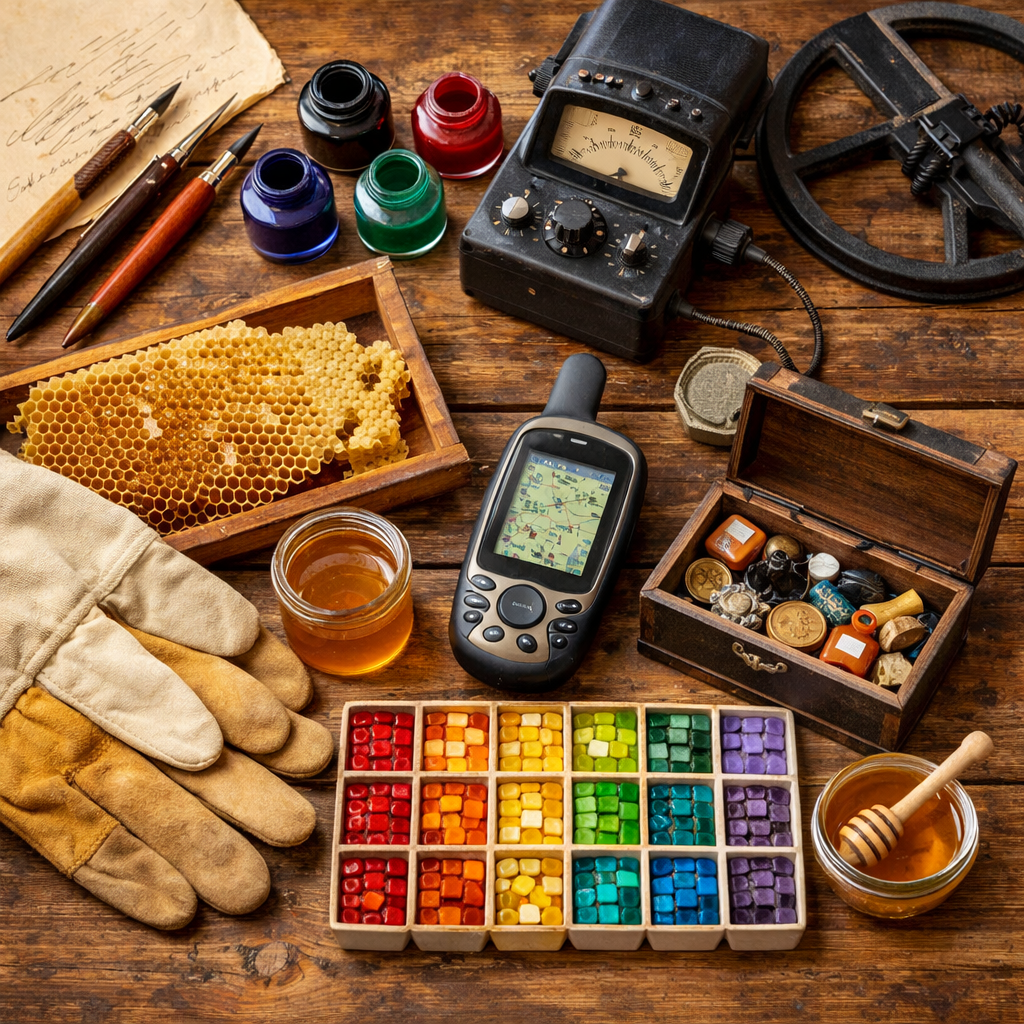
Geocaching turns the world into a treasure hunt. Using GPS coordinates and free smartphone apps, you search for hidden containers placed by other enthusiasts. It combines problem-solving, navigation skills, and the thrill of discovery. You can do it alone or with friends, and it gets you walking in new places—parks, trails, even urban areas you’ve never explored.
Metal detecting offers similar adventure with a different focus. You’re hunting for coins, jewelry, or historical artifacts buried underground. The hobby connects you with history and gets you outdoors. Many metal detecting clubs organize group hunts and welcome beginners eager to learn.
Birdwatching with a twist—competitive birding or “twitching”—turns observation into friendly competition and engaging activity. You track rare species, join birding events, and connect with a passionate community. It sharpens your attention to detail and keeps you moving through diverse environments.
Creative and Artistic Pursuits
Calligraphy transforms writing into visual art. Learning beautiful letterforms exercises fine motor skills and demands focus that quiets the mind. The practice is meditative, and the results are stunning—you can create personalized cards, frame your favorite quotes, or even start selling your work at craft fairs.
Soap making combines chemistry with creativity. You’re mixing oils, lyes, and fragrances to create custom bars. It’s surprisingly scientific, requiring precise measurements and understanding of chemical reactions, which keeps your brain engaged. Plus, you end up with practical products to use or gift.
Mosaic art lets you create beauty from broken pieces—literally. You arrange tiles, glass, or ceramics into patterns and images. It’s tactile, colorful, and forgiving since irregular pieces add character. Many community centers offer mosaic classes specifically for seniors.
Performing and Social Hobbies
Community theater isn’t just for young people. Many theaters actively seek senior actors for diverse roles. You’ll memorize lines ((great brain exercise)), collaborate with others, and experience the rush of performance. Even backstage roles like set design or costume creation offer creative outlets.
Storytelling circles and slam poetry events welcome participants of all ages. You craft and share personal stories or poems, connecting with audiences through spoken word. It builds confidence, preserves your memories, and creates intergenerational bonds when younger people hear your life experiences.
Bell ringing—the art of change ringing in church towers—requires learning complex mathematical patterns and physical coordination. It’s surprisingly mentally demanding and creates beautiful music as a group effort. Many bell ringing groups actively recruit and train newcomers.
Science and Discovery Hobbies
Beekeeping supports environmental health while producing honey. You learn about pollination, colony behavior, and seasonal cycles. Modern beekeeping can be done with manageable physical effort, and local beekeeping associations provide mentorship and equipment help.
Amateur astronomy opens up the night sky. You can start with binoculars and free stargazing apps, progressing to telescopes as your interest grows. Astronomy clubs host star parties where you can use different equipment and learn from experienced observers.
Mushroom foraging combines nature walks with scientific identification skills. You learn to recognize edible varieties, understand forest ecosystems, and enjoy the hunt for hidden treasures. Always forage with experienced guides initially to ensure safety.
Practical and Useful Hobbies
Leatherworking creates functional art—wallets, belts, bags—while teaching traditional craft skills. It requires patience and precision but can be done seated and with hand tools, making it accessible for various mobility levels.
Candle making is another chemistry-meets-creativity hobby. You experiment with waxes, wicks, scents, and colors to create custom candles. It’s low-cost to start and can become a small income source if you choose to sell at markets.

Ensuring Accessibility and Safety
Starting something new shouldn’t mean taking unnecessary risks. Here’s how to pursue unusual hobbies for seniors safely and successfully.
Start Slow and Listen to Your Body. If a hobby involves physical activity, begin with shorter sessions and gradually increase duration. Metal detecting? Start with 30-minute hunts. Beekeeping? Observe an established beekeeper several times before getting your own hive. Your enthusiasm might want to dive in deep, but your body will thank you for a measured approach.
Check Local Regulations. Some hobbies have legal considerations. Metal detecting may be restricted in certain areas. Beekeeping might require permits or have zoning regulations. Mushroom foraging has rules about what you can collect and where. A quick check with local authorities prevents headaches later.
Invest in Proper Equipment. While keeping costs low is important, don’t skimp on safety gear. If you’re taking up woodworking, get proper eye protection. For metal detecting, invest in good knee pads. Quality doesn’t always mean expensive—just appropriate for the task.
Find Your Social Accountability. Join clubs, find a hobby buddy, or participate in online communities. Having others who share your interest keeps you motivated and provides a safety net. If you’re geocaching alone, tell someone your plans. If you’re learning calligraphy, join an online group where you can share progress and get tips.
Modify as Needed. Most hobbies can adapt to your needs. Seated pottery throwing works just as well as standing. Geocaching can focus on urban locations with even terrain. Calligraphy requires no special physical ability. Don’t let concerns about limitations stop you from trying—creativity finds ways.
The Life-Changing Benefits of Unusual Hobbies
When you commit to unusual hobbies for seniors, you’re investing in multiple aspects of your wellbeing. The mental stimulation from learning new skills and solving problems keeps cognitive decline at bay. Research shows that engaging in novel, complex activities strengthens neural connections and may help prevent dementia.
Social connections blossom naturally when you pursue unusual interests. You meet people who share your curiosity, creating friendships based on genuine common ground rather than proximity. These relationships often span generations, bringing fresh perspectives into your life.
Physical activity sneaks in through many unusual hobbies. You’re moving, bending, walking, or using fine motor skills without it feeling like exercise. Geocaching gets you hiking. Bell ringing involves climbing stairs. Even calligraphy improves hand-eye coordination.
Perhaps most importantly, unusual hobbies add purpose to daily life. You wake up with plans, goals, and excitement. You have stories to share, progress to celebrate, and challenges to overcome. This sense of purpose directly correlates with increased happiness and longevity.
Your Next Step Starts Today
Here’s the truth: the perfect time to start an unusual hobby was twenty years ago. The second-best time is right now, this moment, today. Don’t wait for the ideal conditions or until you feel completely ready. You’ll never feel completely ready for something brand new—that’s part of what makes it exciting.
Challenge yourself to try one new unusual hobby this month. Just one. Pick something from this article that made you think, “Huh, that sounds interesting.” Spend one hour researching it. Find one local group or online community. Attend one beginner session or watch one tutorial video. That’s all it takes to begin.
At SilverSmart, we believe retirement should be a journey of continuous growth and discovery. Every day offers opportunities to explore, learn, and thrive. Your golden years aren’t about winding down—they’re about lighting up in ways you never could when work dictated your schedule. The unusual hobbies you pursue today become the meaningful memories you’ll treasure tomorrow and the cognitive resilience you’ll rely on for years to come.
So what will it be? Will you hunt for hidden geocaches in your neighborhood? Create beautiful calligraphy art? Join a community theater production? Learn the intricate patterns of bell ringing? The choice is yours, and the possibilities are endless. Your most interesting chapter is waiting to be written, one unusual hobby at a time.