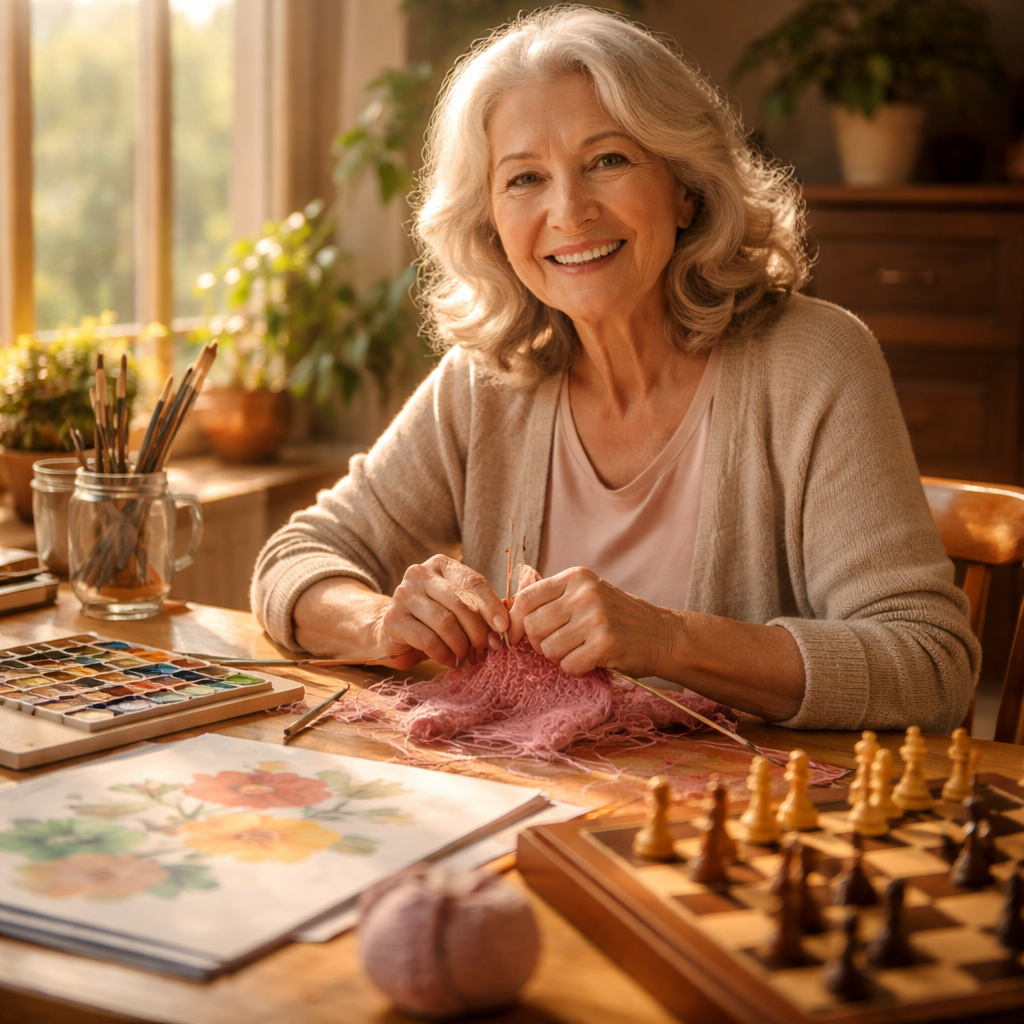
Reaching your 80s is a remarkable milestone—one that deserves to be celebrated with joy, curiosity, and purpose. While some might think this decade is about slowing down, the truth is far more exciting. Your 80s can be a time of discovery, connection, and daily delights through simple, accessible hobbies that fit perfectly into your life. Whether you’re looking to keep your mind sharp, your hands busy, or your heart full, there’s a wonderful world of activities waiting for you.
The beauty of hobbies for seniors over 80 lies in their simplicity and adaptability. These aren’t demanding pursuits that require athletic prowess or complex skills. Instead, they’re gentle, fulfilling activities that can be tailored to your current health, mobility, and energy levels. From the comfort of your favorite armchair to a sunny spot in the garden, these hobbies meet you exactly where you are—and that’s what makes them so perfect.
Why Hobbies Matter More Than Ever
Engaging in regular hobbies isn’t just about filling time; it’s about enriching your days with meaning and joy. The benefits extend far beyond simple entertainment, touching every aspect of your well-being in profound ways.
Cognitive stimulation stands as one of the most powerful advantages. When you learn something new, solve a puzzle, or create something with your hands, your brain lights up with activity. Studies show that seniors who regularly engage in mentally stimulating hobbies experience better memory retention and cognitive function. Even simple activities like reading, playing cards, or working on crossword puzzles can help keep your mind sharp and engaged.
Emotional well-being flourishes when you have something to look forward to each day. Hobbies provide a sense of purpose and accomplishment that combats feelings of loneliness or sadness. When you complete a knitting project, finish a good book, or master a new recipe, you experience genuine pride and satisfaction. These small victories add up, creating a positive outlook that colors your entire day.
Physical maintenance doesn’t have to mean intense exercise. Gentle hobbies like gardening, chair yoga, or even crafts that involve hand movements help maintain flexibility, coordination, and fine motor skills. The National Institute of Aging has found that staying active through enjoyable hobbies can actually increase life expectancy and reduce the risk of falls—all while you’re simply doing what you love.
Social connections naturally emerge from many hobbies, whether you’re joining a book club, participating in group activities at a senior center, or simply sharing your creations with family members. These connections combat isolation and provide the warmth of community, reminding you that you’re part of something larger than yourself.
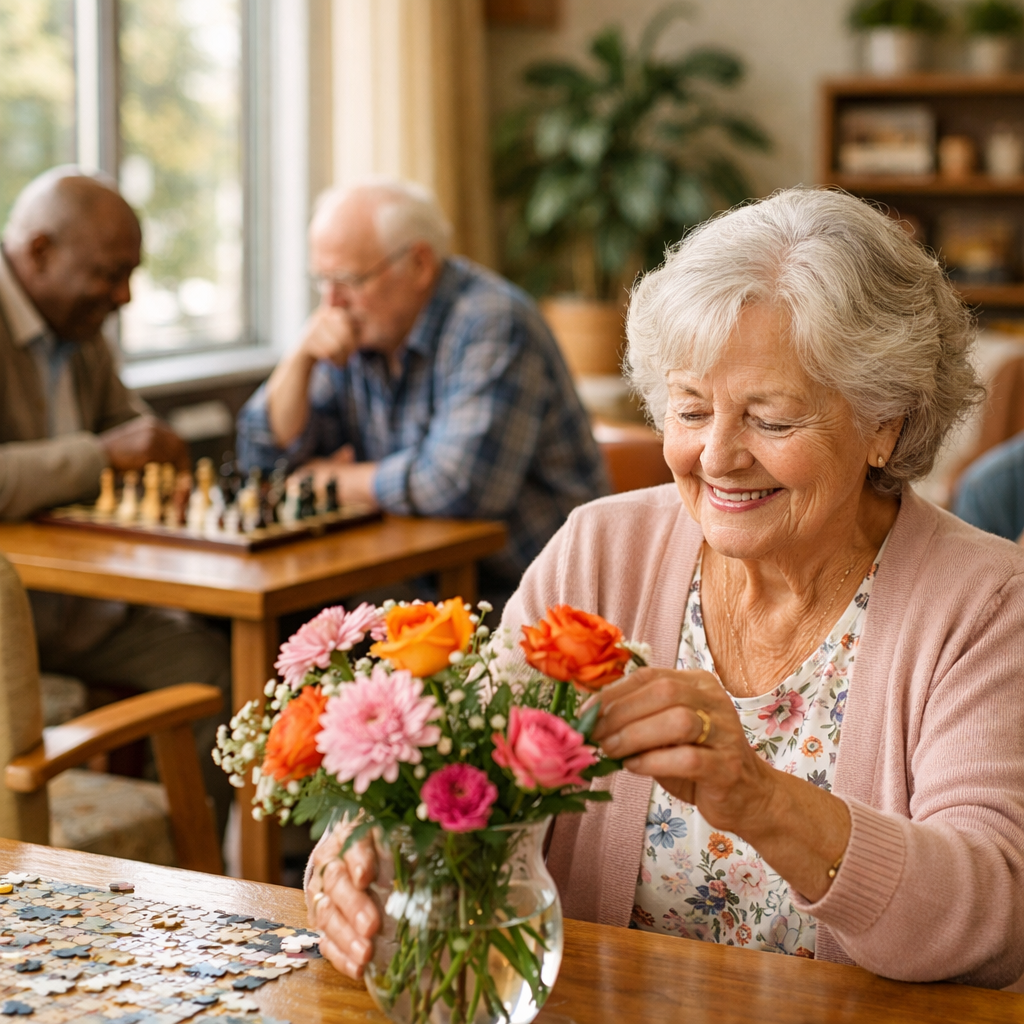
Finding the Right Hobby for You
Choosing activities that bring you joy starts with understanding yourself and what feels right for your current situation. There’s no one-size-fits-all approach, and that’s the beauty of it.
Personalization matters most. Think about what brought you pleasure in earlier decades. Did you enjoy working with your hands? Were you always drawn to music or art? Your past interests can guide you toward hobbies that will resonate now. At the same time, don’t be afraid to explore something completely new. Your 80s can be a time of unexpected discoveries.
Accessibility is key. The best hobbies for seniors over 80 are those you can do comfortably within your current capabilities. If standing for long periods is challenging, focus on seated activities. If your vision requires adjustment, choose hobbies with large print materials or tactile elements. The goal is enjoyment, not frustration.
Social involvement enhances the experience. Consider whether you prefer solitary pursuits that offer quiet reflection or group activities that provide interaction. Many hobbies offer both options—you can read alone or join a book discussion group, garden independently or participate in a community garden project.
Pacing yourself prevents burnout. Start with short sessions and gradually extend them as you feel comfortable. There’s no rush, no deadline, and no competition. The activity should leave you feeling refreshed, not exhausted.
Safety considerations ensure your hobbies remain pleasurable. Make sure your space is well-lit and free of tripping hazards. Use adaptive tools when needed—there’s no shame in making things easier for yourself. Keep any necessary supplies within easy reach.
Scheduling creates consistency. Having regular times for your hobbies gives structure to your days and something to anticipate. Whether it’s morning coffee with a puzzle or afternoon crafting sessions, these routines become cherished parts of your day.
A World of Wonderful Options
The range of hobbies available to you is delightfully diverse. Here are categories to explore, each offering multiple pathways to joy and fulfillment.
Cognitive pursuits keep your mind active and engaged. Jigsaw puzzles offer a satisfying challenge that you can tackle at your own pace, with pieces as large or small as comfortable. Crossword puzzles and word searches provide daily brain exercises. Reading opens worlds of fiction, biography, or topics you’ve always wanted to explore. Audiobooks offer an excellent alternative if visual reading becomes difficult. Research from UCLA Health confirms that mentally stimulating hobbies can significantly support cognitive health and memory. Playing cards—whether solitaire, bridge, or simple matching games—combines mental stimulation with potential social interaction.
Creative arts allow for self-expression without judgment. Coloring in adult coloring books provides meditative relaxation with beautiful results. Simple sketching or drawing lets you capture what you see or imagine. Watercolor painting requires minimal setup and cleanup. Collage-making lets you create art from magazines and personal photos. Pottery or clay work offers tactile satisfaction, and many communities offer adaptive ceramics classes.
Music brings joy in countless forms. Listening to favorite songs from your youth can transport you back to cherished memories. Learning a simple instrument like the ukulele, keyboard, or harmonica is entirely possible at any age. Singing along to records or joining a senior choir exercises your lungs while lifting your spirits. Even creating playlists for different moods can be a creative, enjoyable activity.
Gentle fitness maintains mobility and strength. Chair yoga adapts traditional poses for seated comfort while improving flexibility. Tai chi’s slow, flowing movements enhance balance and coordination. Simple stretching routines keep joints limber. Walking, even short distances around your home or neighborhood, supports cardiovascular health. Water-based activities, if accessible, provide joint-friendly movement.
Gardening connects you with nature’s rhythms. Container gardening brings plants to comfortable heights, whether on tables or raised beds. Indoor herb gardens provide fresh flavors for cooking while requiring minimal space. Tending houseplants offers daily nurturing activities. Birdwatching from a window or porch combines observation with the pleasure of recognizing different species. Even arranging flowers—whether grown, purchased, or artificial—engages creativity.
Social activities strengthen bonds and create community. Writing letters or emails to family and friends maintains important connections. Video calling grandchildren brings their world into yours. Participating in senior center programs offers structured social time. Playing board games with neighbors or family creates shared enjoyment. Joining discussion groups—whether in person or online—provides intellectual stimulation and conversation.
Practical skills offer useful satisfaction. Simple cooking or baking projects result in delicious rewards you can share. Knitting, crocheting, or simple sewing creates tangible items—scarves, dishcloths, or quilts for loved ones. Scrapbooking preserves memories in creative ways. Learning basic technology skills helps you stay connected and independent. Even organizing photos or family documents creates legacy projects.
Tech-enabled options expand your horizons. Virtual museum tours let you explore world-class collections from home. Online classes teach everything from history to hobbies. Tablet games designed for seniors offer entertainment and mental exercise. Genealogy research connects you with your family’s past. Digital photo sharing keeps you present in family life.
Making Hobbies Work for You
Adapting activities to your needs ensures continued enjoyment. Many hobbies for seniors over 80 can be modified to accommodate changing abilities while maintaining their essential pleasure.
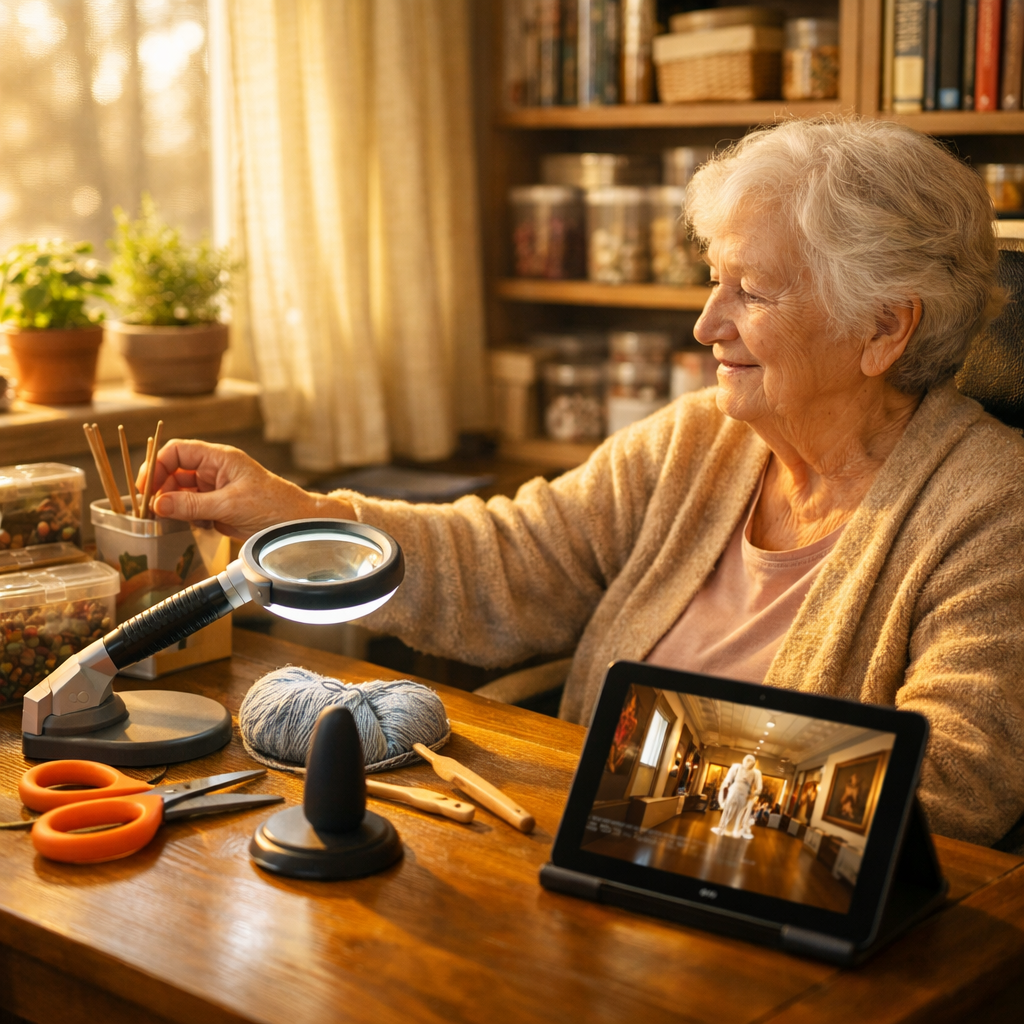
Use adaptive tools without hesitation. Large-grip scissors, magnifying glasses, ergonomic utensils, and book holders all exist to make activities easier. Many senior centers and community programs, such as those listed on municipal recreation departments, offer adaptive equipment demonstrations. Lighting matters tremendously—ensure your hobby space is well-illuminated to reduce eye strain. Comfortable seating with proper support prevents discomfort during longer sessions.
Try before committing. Many senior centers and community programs offer trial sessions where you can experiment with different activities before investing in supplies. Libraries loan materials for various hobbies. Friends might share equipment or accompany you to classes.
Modify as needed. If standing is difficult, find seated alternatives. If fine motor control is challenging, choose activities with larger components. If memory is a concern, activities with visual cues or simple patterns work wonderfully. The activity should adapt to you, not the other way around.
Create supportive environments. Dedicate a specific, easily accessible space for your hobbies. Keep supplies organized and within reach. Consider the time of day when you have the most energy and schedule activities accordingly. Eliminate distractions that might cause frustration.
Your Two-Week Starter Plan
Getting started doesn’t require a complete overhaul of your routine. Here’s a gentle two-week plan that introduces variety while respecting your energy and preferences.
Week One:
- Monday: Start with something familiar—perhaps reading for 30 minutes or working on a simple puzzle.
- Tuesday: Try a gentle physical activity like chair stretches or a short walk.
- Wednesday: Explore a creative pursuit—coloring, arranging flowers, or looking through old photos.
- Thursday: Engage socially—call a friend, write a letter, or join an online chat.
- Friday: Return to your favorite activity from the week.
- Weekend: Try something new—maybe listening to a new music genre or attempting a simple craft.
Week Two:
- Monday: Revisit last week’s favorite, extending the time slightly if comfortable.
- Tuesday: Combine activities—listen to music while doing gentle stretches.
- Wednesday: Tackle a cognitive challenge—a more complex puzzle or learning something new.
- Thursday: Social time—perhaps a video call or participating in a group activity.
- Friday: Creative expression—continue a project started last week.
- Weekend: Experiment with a hobby from a category you haven’t tried yet.
Throughout both weeks, pay attention to what brings you the most joy and energy. There’s no requirement to do everything—the goal is finding activities that feel right for you.
The Beautiful Results
When you embrace hobbies for seniors over 80, the outcomes extend far beyond the activities themselves. Your days gain structure and anticipation. Instead of wondering how to fill hours, you look forward to specific activities that bring pleasure.
Your mood improves naturally when you’re engaged in enjoyable pursuits. The sense of accomplishment from completing projects, however small, builds confidence and positivity. Discover more ways to enhance your wellness and vitality through structured programs. Many seniors report feeling more optimistic and content when they have regular hobbies.
Loneliness decreases as hobbies create connection points—whether through the activities themselves, sharing results with others, or joining groups of like-minded individuals. Even solitary hobbies often lead to conversations when you discuss them with family or friends.
Community connections strengthen. Your hobbies become part of your identity and give others ways to relate to you. Grandchildren might ask about your latest project. Neighbors might share gardening tips. These small interactions weave you more tightly into your community fabric.
Your sense of self remains vibrant. Hobbies remind you that you’re still growing, still learning, and still capable of joy and mastery. They counter any narrative about limitation or decline, replacing it with evidence of your ongoing vitality and curiosity.
Embrace the Journey
Your 80s are not a time to sit idle—they’re a time to savor simple pleasures, explore new interests, and continue growing as a person. The hobbies you choose now can transform ordinary days into ones filled with purpose, creativity, and joy.
Remember that every expert was once a beginner. Every beautiful quilt started with a single stitch. Every garden began with one seed. Your journey with new hobbies starts with a single decision to try something that interests you.
At SilverSmart, we believe retirement should be a continuous journey of discovery and fulfillment. Your 80s represent decades of wisdom and experience that can now be channeled into pursuits that bring you genuine happiness. Whether you’re rediscovering old passions or exploring entirely new territories, this chapter of life holds endless possibilities for growth and joy.
Start small, be patient with yourself, and celebrate every moment of engagement. The hobbies you embrace today will color your days with meaning and connection, reminding you that life at any age can be rich with discovery. Your 80s aren’t about endings—they’re about continuing to thrive, explore, and find delight in the simple activities that make each day worth celebrating.