Reaching 70 isn’t the end of adventure—it’s the beginning of a whole new chapter filled with opportunities to discover, explore, and thrive. Staying active, mentally sharp, and socially connected becomes more important than ever during these golden years, and hobbies are the perfect vehicle to achieve all three goals at once. Whether you’re looking to maintain your physical health, keep your mind engaged, strengthen social bonds, or simply find more joy in everyday life, the right hobbies can transform your retirement into a vibrant, purposeful journey.
Think of hobbies as your daily dose of vitality. They’re not just ways to pass time—they’re investments in your well-being, your cognitive health, and your social connections. As explored in our guide on hobbies that bring joy and purpose, the right activities transform retirement into a vibrant, meaningful chapter. When you engage in activities you genuinely enjoy, you’re nurturing every aspect of what makes life fulfilling. You’re moving your body, challenging your brain, connecting with others, and waking up each day with something meaningful to look forward to. That sense of purpose and engagement is what keeps the spark alive, no matter what your age.
Why Hobbies Matter More Than Ever After 70
The benefits of hobbies for seniors over 70 extend far beyond simple entertainment. Let’s look at how age-appropriate activities support vibrant living across multiple dimensions of health and happiness.
Physical wellness comes naturally when you incorporate gentle movement into your daily routine. Activities like walking, swimming, or chair yoga help preserve mobility and balance without putting excessive strain on joints or muscles. Even moderate physical engagement improves cardiovascular health, reduces blood pressure, and enhances sleep quality. The best part? You don’t need to run marathons or lift heavy weights. Simple, consistent movement is what keeps your body functioning well and reduces the risk of falls and injuries.
Cognitive sharpness thrives when you challenge your brain with new learning experiences. Taking up a musical instrument, learning a foreign language, or diving into puzzles and strategy games creates new neural pathways and keeps your mind agile. Research consistently shows that seniors who engage in mentally stimulating activities experience slower cognitive decline and maintain better memory function. Your brain is like any other muscle—it needs regular exercise to stay strong.
Social connection becomes increasingly vital as we age, yet it can become harder to maintain. Group hobbies—whether it’s joining a book club, attending art classes, or participating in community gardening—create natural opportunities for meaningful interactions. These regular social engagements combat isolation, lift mood, and provide the kind of emotional support that comes from sharing experiences with others who understand your stage of life.
Finally, hobbies give you purpose and structure. Having activities you’re committed to creates a rhythm to your days and weeks. You’re not just filling time; you’re actively crafting a life that reflects your interests and values. This sense of purpose is linked to better mental health, increased life satisfaction, and even longevity.
Choosing the Right Hobbies for You
Not all hobbies are created equal, and what works beautifully for one person might not suit another. The key is finding activities that align with who you are and what you can comfortably do right now.
Start with your interests. What have you always wanted to try but never had time for? What activities brought you joy in the past that you’d like to revisit? Your hobbies should excite you, not feel like obligations. If you’ve always been drawn to creativity, explore painting or crafting—our creative hobbies guide shows why your best art might still be ahead of you. If you love being outdoors, consider gardening or bird watching. Your natural inclinations are your best guide.
Consider your current abilities. Be honest about your physical limitations and work within them—but don’t underestimate what you can do with proper modifications. Many activities can be adapted to accommodate mobility issues, vision challenges, or other health considerations. Chair exercises work beautifully for those with balance concerns. Audio books serve readers with vision difficulties. The goal is to find the sweet spot between challenge and comfort.
Prioritize safety and accessibility. Choose activities that you can engage in safely, whether at home, in your community, or online. Look for environments with proper lighting, stable surfaces, and accessible facilities. If an activity requires special equipment, make sure you understand how to use it correctly. Don’t hesitate to consult with your healthcare provider about which activities are appropriate for your specific health conditions.
Think about your budget. The good news is that many wonderful hobbies cost little or nothing. Walking, drawing, writing, and learning through free online resources are completely accessible. Community centers often offer low-cost or free classes for seniors, and many services are completely free for older adults. Libraries provide books, magazines, and sometimes even equipment lending programs. Before investing in expensive gear or memberships, explore what’s available in your local area and online.
A World of Possibilities: Hobby Categories to Explore
The variety of hobbies available to seniors over 70 is truly inspiring. Let’s explore different categories and what they offer.
Physical Activities for Mobility and Energy
Gentle physical hobbies improve mood, boost energy levels, and maintain functional fitness. Walking tops the list for accessibility—you can do it almost anywhere, adjust the pace to your comfort level, and enjoy the fresh air. Many communities have walking groups specifically for seniors, turning solitary exercise into social time.
Swimming and water aerobics provide excellent low-impact workouts that are easy on joints while building strength and endurance. The water supports your body weight, reducing strain while increasing resistance. Tai chi and gentle yoga focus on balance, flexibility, and mindful movement—perfect for maintaining stability and preventing falls while also calming the mind.
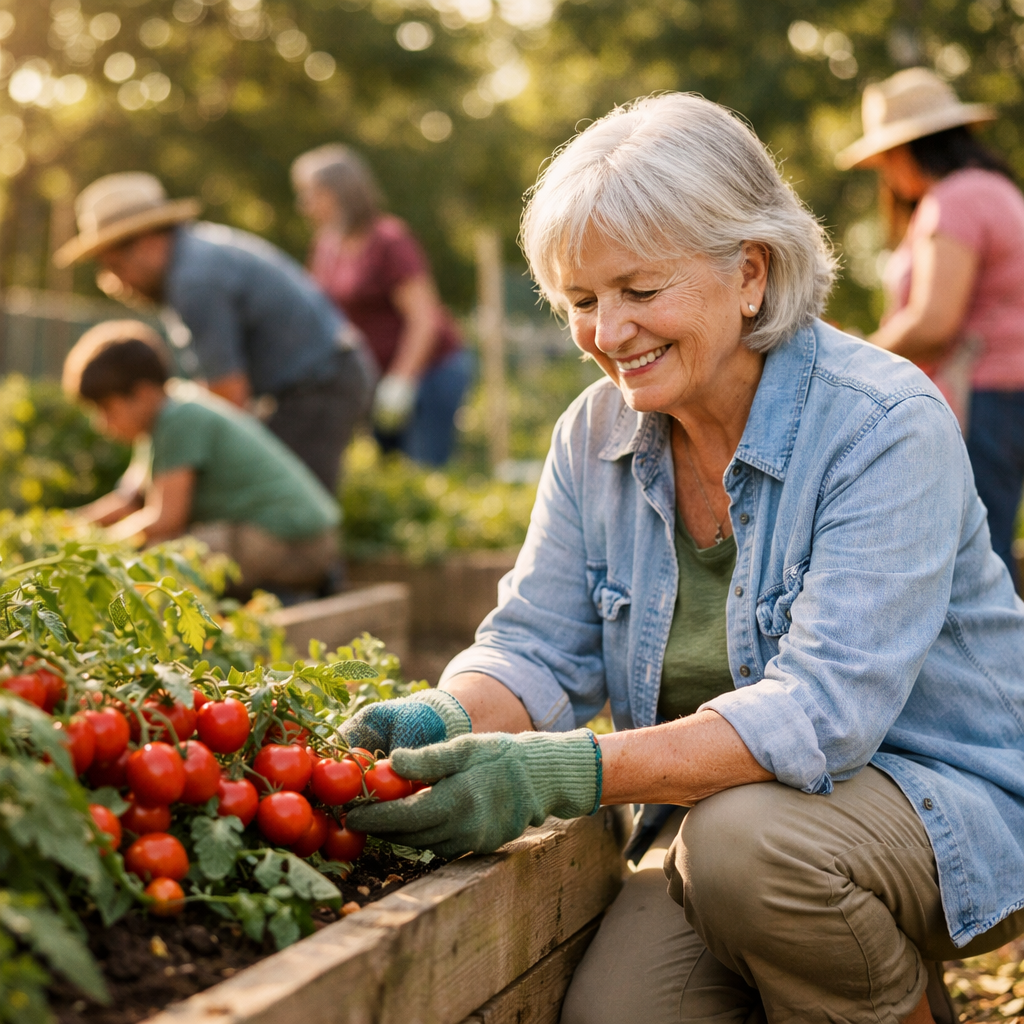
Gardening combines physical activity with the satisfaction of nurturing living things. Whether you’re tending raised beds, container gardens, or simply caring for houseplants, you’re bending, stretching, and moving in ways that keep your body active.
Creative Pursuits for Expression and Joy
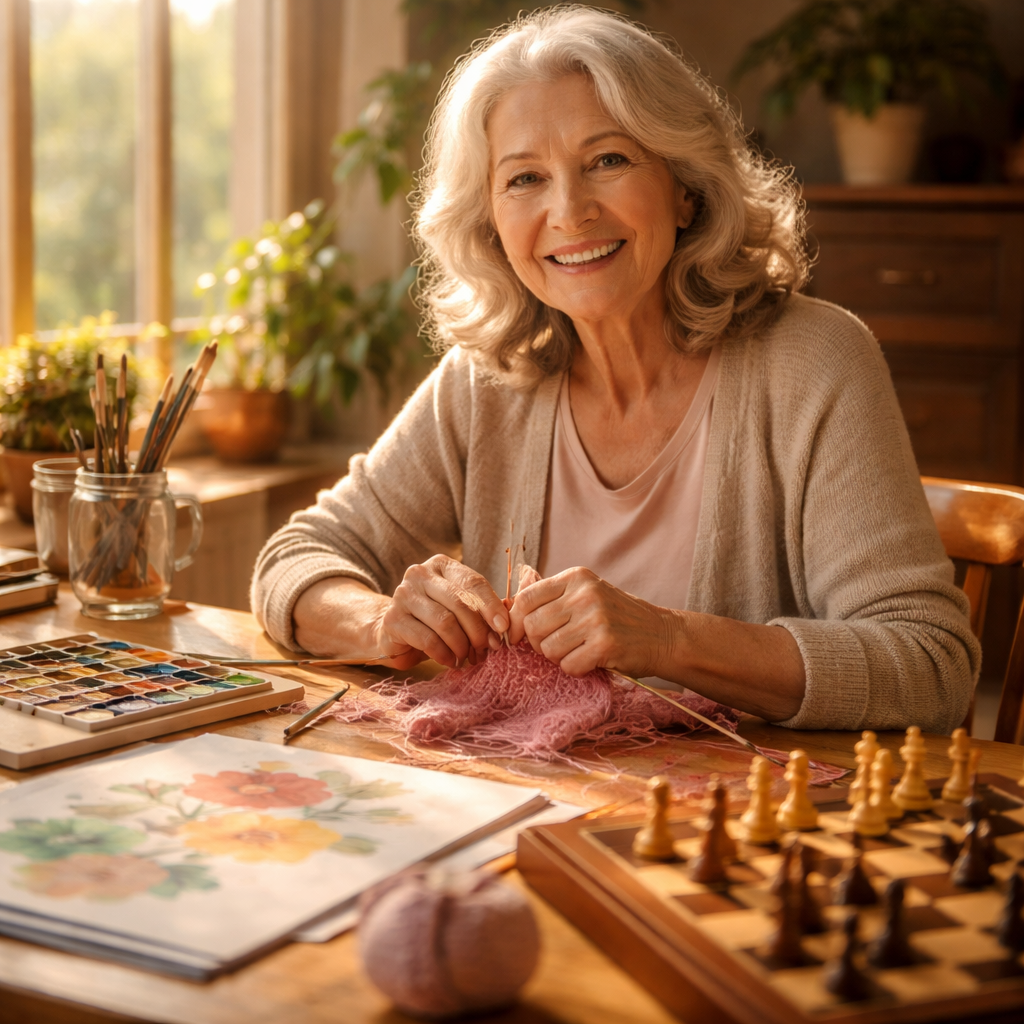
Creative hobbies tap into your imagination and provide tangible results you can be proud of. Painting and drawing require no prior experience—just the willingness to experiment and express yourself. Adult coloring books offer a simpler entry point with proven stress-relief benefits.
Knitting, crocheting, and needlework keep hands nimble while producing useful or beautiful items. Many seniors find the repetitive motions meditative and calming. Cooking and baking combine creativity with practical skills, letting you experiment with new recipes while maintaining independence in an essential life activity.
Photography has become incredibly accessible with smartphone cameras. Capturing everyday moments, nature scenes, or family gatherings creates a visual diary of your life while encouraging you to notice beauty in ordinary places. Writing—whether journaling, poetry, or memoir—helps process experiences, preserve memories, and share wisdom with future generations.
Cognitive Activities for Mental Sharpness
Mental stimulation keeps your brain healthy and engaged. Learning a new language challenges memory and attention in ways that build cognitive reserve. Free apps and online resources make this more accessible than ever. Playing musical instruments engages multiple brain regions simultaneously, improving memory and coordination while providing creative satisfaction.
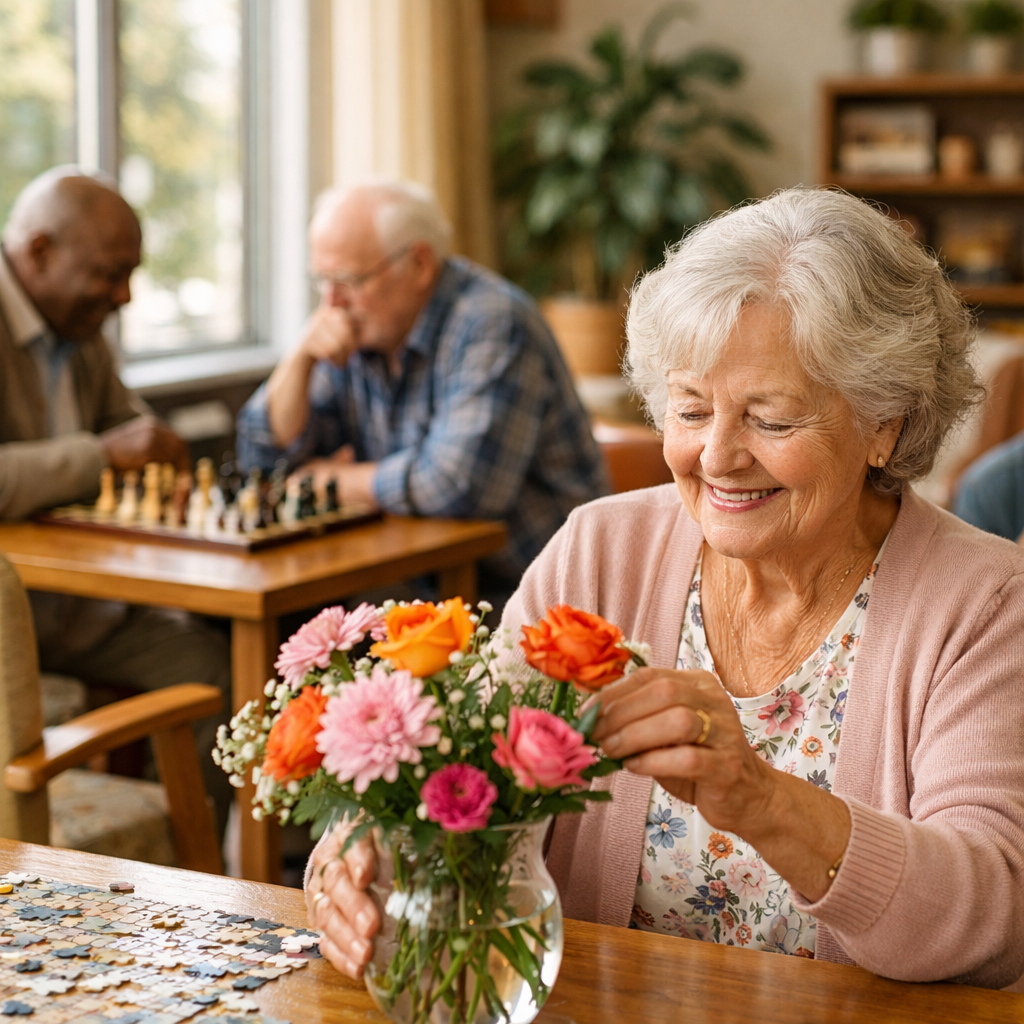
Puzzles and brain games—from crosswords and Sudoku to jigsaw puzzles and chess—provide structured mental challenges that enhance problem-solving skills. Reading and book clubs combine individual enjoyment with social discussion, deepening comprehension and connection with others. Online courses on virtually any topic let you explore subjects you’re curious about from the comfort of home.
Social Hobbies for Connection and Community
Group activities strengthen bonds and combat loneliness. Volunteering at local organizations creates purpose while connecting you with causes you care about. Whether it’s mentoring youth, serving at food banks, or supporting animal shelters, you’re making a difference while meeting like-minded people.
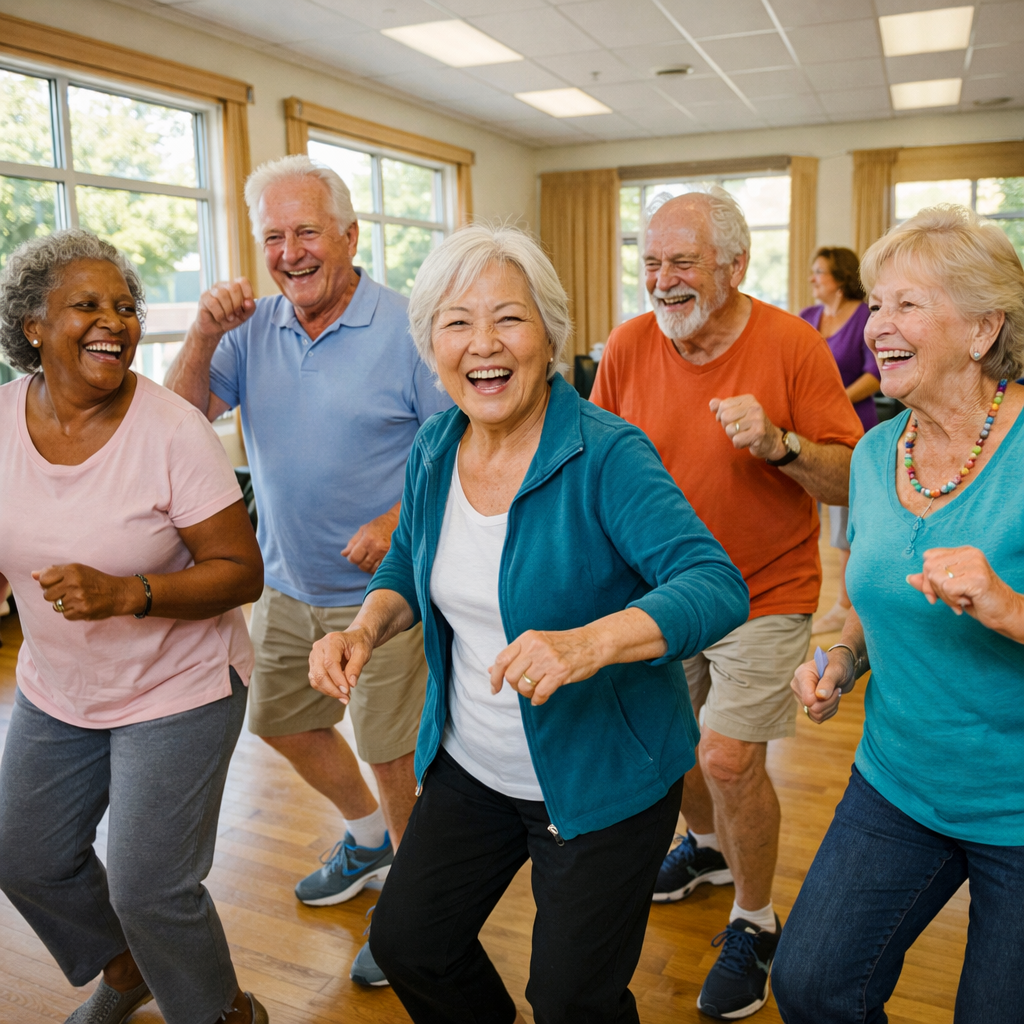
Dancing—from ballroom to line dancing—combines physical activity, music, and social interaction in one joyful package. Game groups for cards, board games, or mahjong provide regular social gatherings with built-in structure and friendly competition. Clubs and special interest groups around topics like history, astronomy, or bird watching bring together people who share your passions.
Tech-Enabled Hobbies for Modern Engagement
Technology opens up new worlds of possibility. Video calls with family keep you connected to loved ones near and far, letting you be present for important moments despite distance. Online communities and forums connect you with people worldwide who share your interests.
Digital photography and editing let you enhance and organize your photos, creating albums and slideshows to share. Genealogy research through online databases helps you discover your family history and connect with relatives you never knew existed. Streaming services provide unlimited access to movies, documentaries, and educational content tailored to your interests.
Making Hobbies Safe and Accessible
Ensuring your activities are both safe and comfortable is essential for long-term engagement.
Consult healthcare professionals before starting new physical activities, especially if you have chronic conditions or have been sedentary. Your doctor can provide guidance on appropriate intensity levels and necessary precautions. A physical therapist can suggest modifications to accommodate specific limitations.
Adapt your environment to support your hobbies. Ensure adequate lighting for detailed work. Use ergonomic tools that reduce strain. Arrange spaces to minimize fall risks, with stable seating and clear pathways. Consider assistive devices like magnifiers, jar openers, or adaptive gardening tools that make activities more manageable.
Start slowly and progress gradually. Don’t try to master everything at once. Beginning with short sessions and building up duration and complexity prevents injury and frustration. Listen to your body and rest when needed. It’s better to engage consistently at a sustainable level than to burn out quickly.
Getting Started and Staying Engaged
Beginning a new hobby can feel daunting, but these tips make the process smoother.
Assess your interests honestly. Make a list of activities that sound appealing and why. Consider what you enjoyed in younger years and how those interests might evolve now. Think about whether you prefer solo or group activities, indoor or outdoor settings, physical or mental challenges.
Set a regular schedule. Consistency is key to forming habits. Designate specific days and times for your hobbies. Learn more about building sustainable routines in our finding new hobbies framework. Treat these appointments with yourself as seriously as you would doctor’s visits or social obligations. Regular engagement builds skills and maintains momentum.
Leverage local resources. Visit your community center, senior center, or library to discover programs and classes. Many organizations offer free or low-cost activities specifically designed for older adults. Local parks departments often have walking groups or outdoor programs.
Celebrate small achievements. Acknowledge your progress, whether it’s completing your first painting, walking an extra block, or mastering a new recipe. These milestones matter. Share your accomplishments with family and friends who will appreciate and encourage your efforts.
Mix novelty with routine. While consistency is important, don’t be afraid to try new things within your hobby categories. If you love painting, experiment with different mediums. If you’re a walker, explore new routes or trails. This balance keeps activities fresh and interesting while maintaining the stability of regular practice.
Your 4-Week Quick-Start Plan
Ready to dive in? Here’s a practical guide to exploring new hobbies systematically.
Week 1: Explore and Sample
Try three different activities from different categories. Take a gentle yoga class, attend a painting session, and join a book discussion. Don’t commit to anything yet—just experience what various hobbies feel like. Note which ones spark genuine interest and which feel like chores.
Week 2: Go Deeper
Choose two activities from Week 1 that excited you most. Engage with each twice this week, giving yourself time to move past the awkward beginner phase. Research these hobbies online, watch tutorials, or talk with people who already enjoy them. Start gathering any basic supplies or resources you’ll need.
Week 3: Join and Connect
Find groups or classes related to your chosen activities. Attend at least one group session for each hobby. The social connection enhances enjoyment and provides built-in accountability. If formal groups aren’t available, consider online communities or informal gatherings with friends who share your interests.
Week 4: Establish Your Rhythm
Create a regular schedule incorporating your chosen hobbies. Block out specific times on your calendar. Set up your space with necessary materials. Invite family members to participate or support your new pursuits. By the end of this week, you should have a sustainable routine that feels natural and enjoyable.
Key Takeaways: Your Path to Vibrant Living
The hobbies you choose become threads in the tapestry of your daily life, weaving together physical health, mental acuity, social connection, and personal fulfillment. The beauty of hobbies for seniors over 70 is that they’re not one-size-fits-all—you have the freedom to craft a mix of activities that reflects your unique interests, abilities, and goals.
Remember that the “best” hobby is simply the one you’ll actually do. Choose activities that bring you joy, challenge you appropriately, and fit naturally into your lifestyle. Don’t feel pressured to stick with something that isn’t working. Your interests and abilities may evolve, and that’s perfectly fine. The goal is to maintain an engaging, varied lifestyle that keeps you moving, thinking, connecting, and discovering new aspects of yourself. Ready to start your journey? Discover how SilverSmart’s AI companion can help you find and pursue hobbies perfectly matched to your interests.
At its heart, embracing hobbies in your 70s and beyond is about living intentionally. It’s about saying yes to growth, curiosity, and connection. It’s about recognizing that this chapter of life holds just as much potential for discovery and joy as any that came before—perhaps even more, because you now have the wisdom and time to truly savor each experience.
So take that first step. Pick up that paintbrush, lace up those walking shoes, open that book, or call that friend about joining their game group. Your next great passion might be waiting just around the corner, ready to add color, meaning, and vitality to your everyday life. After all, the journey of discovery, exploration, and thriving doesn’t end at any particular age—it simply takes on new, exciting forms. Your most engaging years might still be ahead of you.