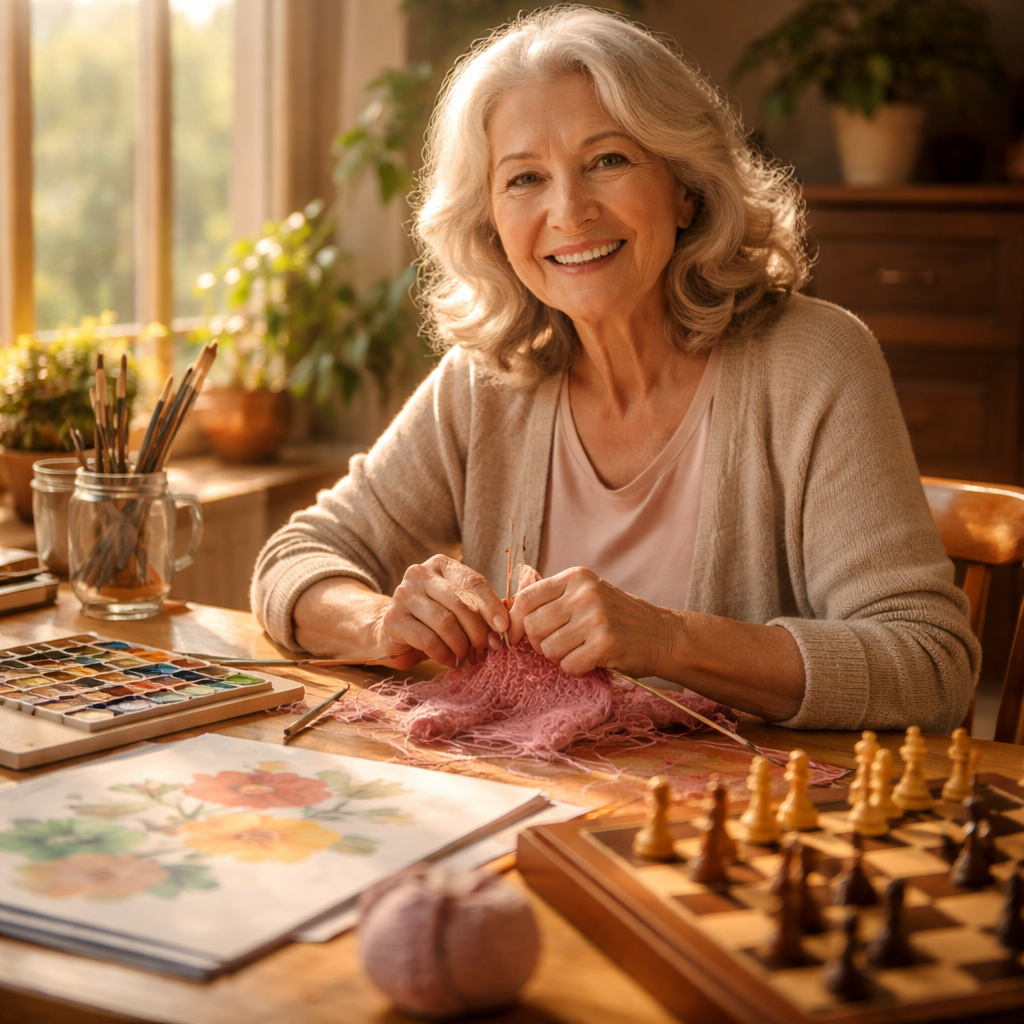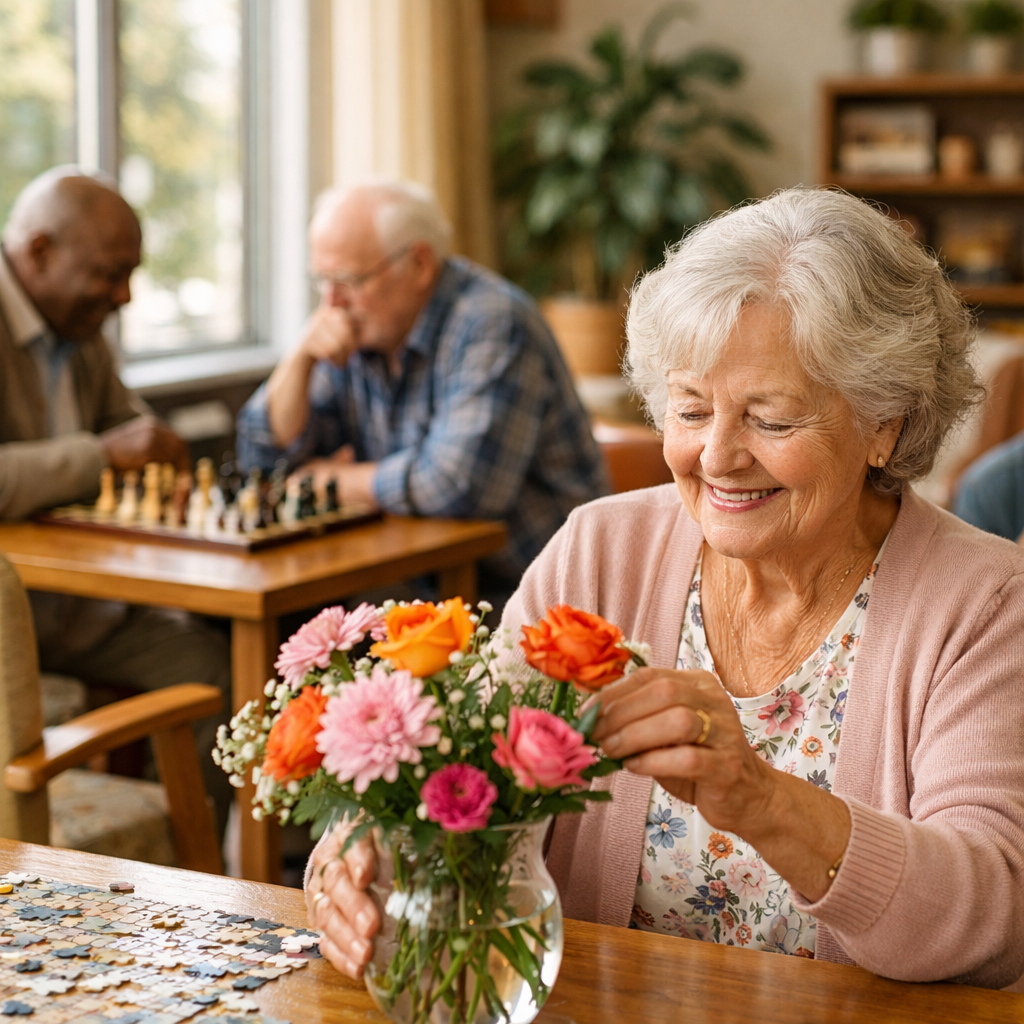
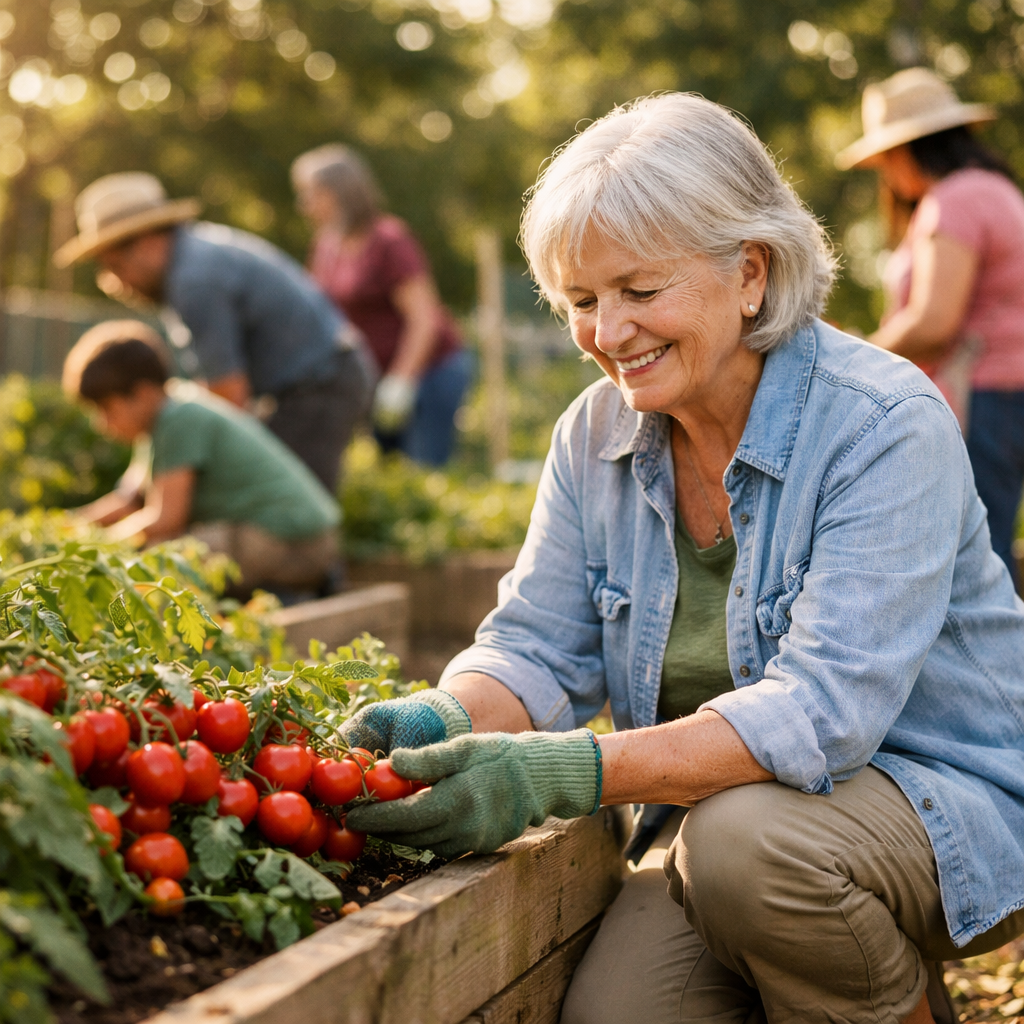
Margaret Wilson never imagined that at 67, she’d be standing knee-deep in a community garden, dirt under her fingernails, trading tomato-growing tips with people half her age. For forty years, she’d been an accountant—her life a predictable rhythm of spreadsheets, quarterly reports, and coffee breaks. When retirement arrived, she felt a mix of relief and quiet panic. “What now?” she asked herself, staring at the empty calendar that stretched before her.
Her daughter suggested she “pick up a hobby,” which Margaret initially dismissed with a laugh. “Hobbies are for people with time,” she’d always said, though she now had nothing but time. But something shifted when a neighbor invited her to visit the local community garden. Just to look, nothing more. That single visit changed everything. Within months, Margaret wasn’t just gardening—she was leading workshops, mentoring newcomers, and had somehow become the unofficial “tomato whisperer” of her neighborhood. Her retirement, which had seemed like an ending, had bloomed into the most vibrant chapter of her life.
Why Hobbies for Seniors Matter More Than You Think
If you’re skeptical about hobbies in retirement, you’re not alone. Many people approaching their golden years carry misconceptions that hobbies are trivial pastimes or that they’re somehow “too old” to start something new. The truth is, engaging in meaningful activities isn’t just about filling time—it’s about enriching your life in ways that directly impact your health and happiness.
Cognitive Health: Your brain thrives on novelty and challenge. When you learn a new skill—whether it’s pottery, photography, or playing the ukulele—you’re creating new neural pathways that keep your mind sharp. Research consistently shows that seniors who engage in mentally stimulating hobbies experience slower cognitive decline. Think of it as a gym membership for your brain, but way more fun and without the intimidating equipment.
Emotional Well-being: Retirement can be an emotional rollercoaster. You might miss the structure and purpose that work provided, or feel isolated without daily office interactions. Hobbies combat this by reducing stress, alleviating boredom, and giving you something to look forward to each day. One retiree joked that before taking up painting, his most exciting daily decision was “which remote to lose first.” Now his mornings are filled with color mixing and creative problem-solving.
Social Connections: Loneliness is a real challenge for many seniors, but hobbies for seniors naturally create opportunities for connection. Whether you join a book club, take dance classes, or participate in a walking group, these activities bring you into contact with like-minded people. You’ll build friendships based on shared interests rather than circumstance—and those often prove to be the most rewarding relationships.
Physical Health: Not all hobbies involve sitting still. Gardening improves strength and flexibility (and provides fresh vegetables as a bonus). Dancing offers cardiovascular benefits while being so enjoyable you forget you’re exercising. Even crafts like woodworking or quilting keep your hands nimble and your body moving. The best part? You’re improving your health without it feeling like a chore.
Discovering Your Passion: Where to Begin
The journey to finding the right hobby starts with honest reflection. What brought you joy before life got busy? Maybe you loved drawing as a child but set it aside for a “practical” career. Perhaps you always wanted to learn guitar but never found the time. These dormant interests are excellent starting points because they already have an emotional connection.
Consider also what frustrated you during your working years. If you spent decades in meetings, you might crave solitary creative pursuits. If you worked alone, group activities might feel refreshing. One former lawyer discovered his passion for pottery specifically because it was “gloriously free of words, arguments, and billable hours.”
Don’t let constraints hold you back. Worried about budget? Many hobbies cost little to nothing. Public libraries offer free classes, parks provide walking trails, and writing requires only paper and pen. Concerned about mobility? Adapt activities to your abilities—chair yoga, seated painting classes, or bird watching from your porch are all valid and enriching pursuits.
The key is permission. Give yourself permission to try things without being good at them. Permission to quit if something doesn’t resonate. Permission to be a beginner at 67, 72, or 85. As Margaret discovered in that community garden, the magic often happens when you simply show up and stay curious.
Hobby Categories and Starter Ideas
Creative Pursuits: Unleash your inner artist through drawing, painting, or pottery. Start with adult coloring books if blank canvases feel intimidating. Try knitting or crocheting—both are meditative, productive, and create gifts for loved ones. Writing offers endless possibilities: memoir, poetry, letters to grandchildren, or that novel you’ve always imagined. One 70-year-old started a blog about retirement adventures that now has thousands of followers. “I had no idea I had stories worth telling,” she says.
Outdoor Adventures: Gardening tops the list for accessible, rewarding outdoor hobbies. Whether you have a backyard or just a sunny windowsill, growing plants connects you to nature’s rhythms. Hiking and walking offer exercise plus scenery—start with neighborhood strolls and gradually explore local trails. Bird watching combines observation skills with peaceful outdoor time. Frank, 68, started photographing birds in his backyard and now leads nature photography walks. “I thought I’d need expensive equipment,” he admits, “but I started with my smartphone.”
Learning and Growth: Take advantage of online courses, community college lectures, or learning platforms that offer everything from history to coding. Many universities offer free or discounted classes for seniors. Learn a musical instrument—it’s never too late, despite what you might think. Book clubs combine reading with social interaction and intellectual discussion. Cooking and baking classes teach new skills while creating delicious results.
Social and Service Activities: Volunteering provides purpose beyond yourself. Whether you’re mentoring students, working at food banks, or helping at animal shelters, you’re contributing meaningfully while meeting others. Join game groups—poker, mahjongg, chess, or bridge clubs offer mental stimulation and regular social contact. Dance classes provide exercise, music, and community in one package. Don’t worry about looking silly; everyone’s learning together.
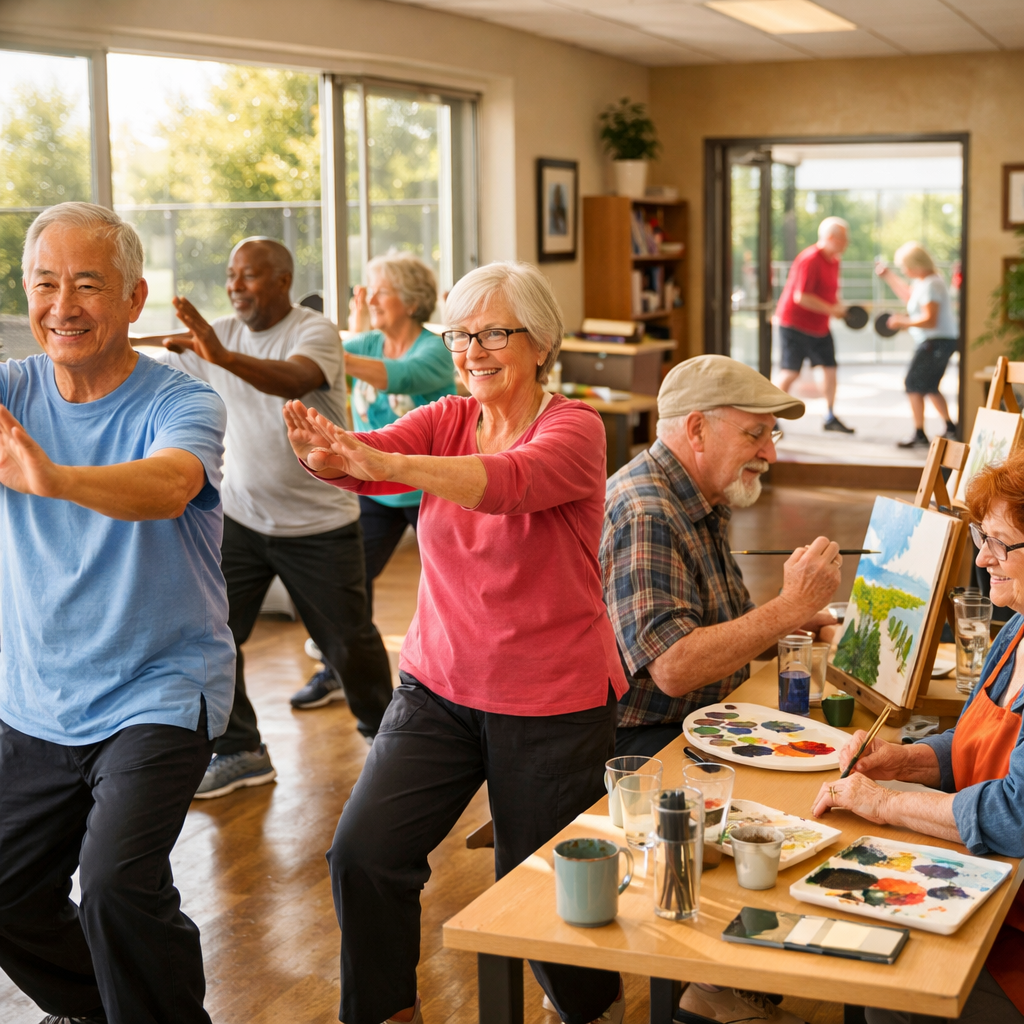
Physical Wellness: Consider low-impact activities tailored for seniors like swimming, water aerobics, or tai chi. Pickleball has become wildly popular among retirees—it’s social, active, and easier on joints than tennis. Yoga improves flexibility, balance, and mindfulness. One community center instructor notes that her senior yoga students often have better attendance than younger classes. “They’ve figured out that showing up is half the battle,” she laughs.
Your Simple Plan to Start Exploring
Getting started doesn’t require a grand plan—just a commitment to try. Here’s a practical approach that removes overwhelm:
Week One: Make a list of three activities that spark even mild curiosity. No judgment, no pressure. Just possibilities.
Week Two: Research one activity. Find local classes, online tutorials, or community groups. Most organizations welcome beginners and offer trial sessions.
Week Three: Show up. Attend one class or event. Notice how it feels, but don’t decide yet whether it’s “for you.”
Week Four: Try again. Many activities feel awkward initially. Give yourself at least two or three sessions before evaluating.
Build regularity gradually. Schedule your hobby like an appointment—Tuesday mornings for painting class, Saturday afternoons for hiking group. This structure provides the rhythm many people miss after retirement while remaining flexible enough to feel freeing rather than constraining.
Find social support by inviting friends to join you or connecting with fellow participants. Having someone to share the journey with increases enjoyment and accountability. Online communities also offer connection—countless forums and social media groups unite people around specific hobbies.
Track your progress, but keep it light. Take photos of your garden’s growth, keep a simple journal of hiking trails explored, or maintain a list of books read. These records become satisfying reminders of how far you’ve come. Small achievements matter enormously. Finished your first scarf? Identified ten new bird species? Completed a 5K walk? Celebrate these milestones.
Keeping the Momentum Going
The initial excitement of a new hobby eventually settles into routine, which is when the real magic happens. To maintain long-term engagement, rotate activities seasonally. Garden in spring and summer, take indoor classes during winter, adjust as your interests and abilities evolve. This variation prevents boredom while honoring your body’s changing needs.
Document your experiences through photos, journals, or scrapbooks. These records become treasures that remind you why you started and how much you’ve gained. Share your journey with family—show grandchildren your pottery, teach them your craft, or bring them along on nature walks. These shared experiences create lasting memories while passing down skills and passion.
Teaching or leading groups deepens your commitment remarkably. When you’ve been knitting for a year, consider mentoring beginners. Confident in your photography? Offer to lead walks for other seniors. This transition from student to teacher solidifies your expertise while expanding your social network and sense of purpose.
Remember to keep things fresh with small challenges. Try a new painting technique, explore unfamiliar hiking trails, or read outside your usual genres. These incremental expansions prevent stagnation without requiring massive changes. One retiree who started with backyard gardening now volunteers at botanical gardens, leads community workshops, and has plans to visit famous gardens worldwide. “It all started with one tomato plant,” she marvels.
The Endless Possibilities of Your Retirement
Margaret’s story isn’t unique—it’s universal. Every day, seniors discover that retirement isn’t an ending but a beginning. It’s the chance to finally pursue dreams deferred, explore interests ignored, and become the person you always wanted to be but never had time to discover.
At SilverSmart, we understand that thriving in retirement means more than staying busy—it means staying curious, connected, and continuously growing. Your golden years should be exactly that: golden, vibrant, and full of discovery. Whether you’re 62 or 92, passions await your attention. Hobbies aren’t frivolous; they’re essential ingredients for a fulfilling, active, and joyful retirement.
The question isn’t whether you’re too old to start something new. The question is: what are you waiting for? Your calendar is open, your options are endless, and that first step—the one Margaret took into a community garden at 67—might just lead you to the most surprising, delightful chapter of your entire life.
So what will it be? That pottery class you’ve been eyeing? The hiking group that meets Saturday mornings? The guitar gathering dust in your closet? Whatever calls to you, however quietly, lean toward it. Show up. Stay curious. Let yourself be surprised by what emerges when you give your interests permission to bloom.
Your retirement is waiting to be discovered—one hobby, one passion, one transformative experience at a time.