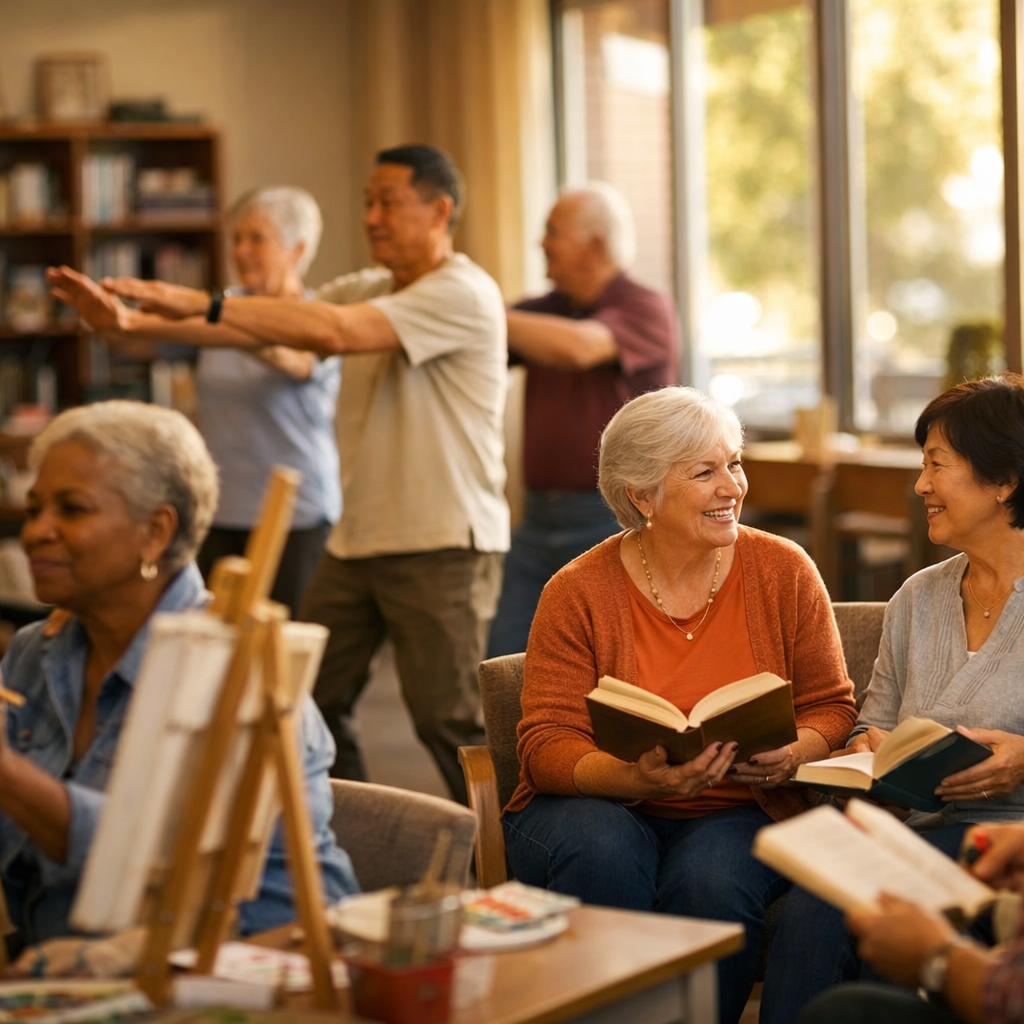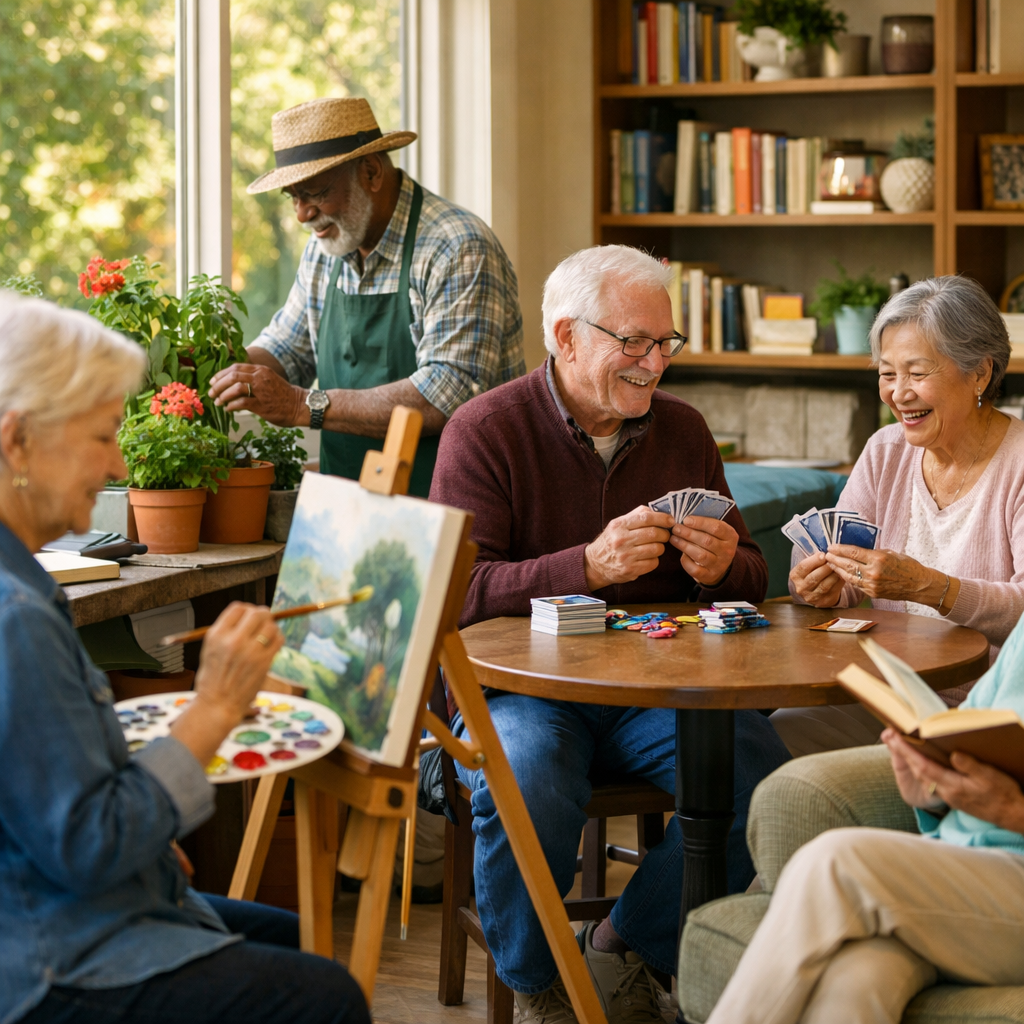
Remember when you were a kid and someone asked, “What do you want to be when you grow up?” Well, here’s a question nobody asked back then: “What do you want to become when you retire?” The truth is, retirement isn’t an ending—it’s a beginning. And if you’ve been thinking it’s too late to pick up a paintbrush, learn the guitar, or try your hand at pottery, think again. Your best art might still be ahead of you.
We live in a culture that often celebrates youth and overlooks the incredible potential that comes with age. But creativity doesn’t come with an expiration date. In fact, many people discover their most authentic creative voice later in life, when they finally have the time, wisdom, and freedom to explore what truly lights them up inside. Active aging isn’t just about staying physically fit—it’s about nurturing your mind, heart, and spirit through continuous growth and discovery.
At SilverSmart, we believe that retirement should be a journey of exploration and fulfillment, not a slow fade into the background. Whether you’ve always dreamed of painting watercolor landscapes or you’ve never considered yourself “the creative type,” there’s a world of artistic possibility waiting for you. And the science backs this up: engaging in creative activities after retirement isn’t just fun—it’s one of the most powerful tools for maintaining wellness, independence, and joy throughout your golden years.
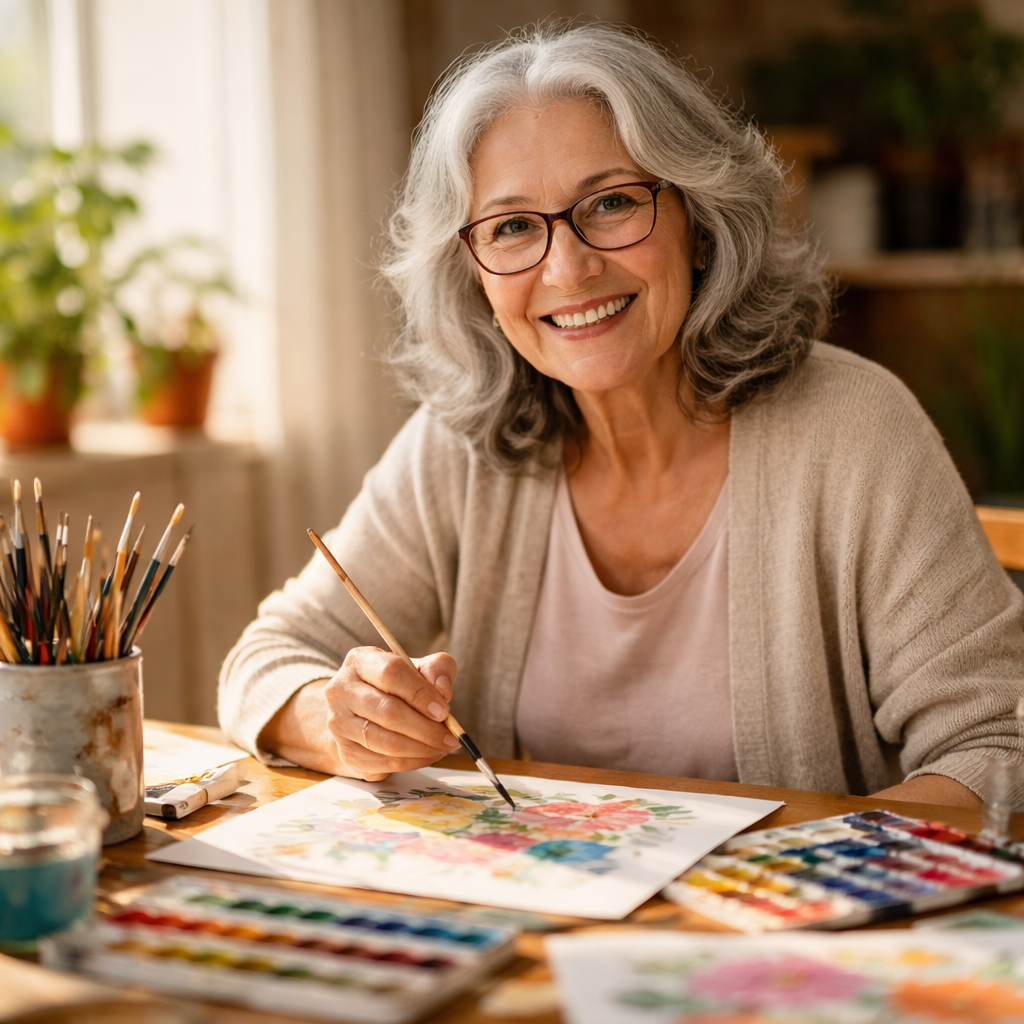
Why Creative Activities Are Your Secret Weapon for Thriving in Retirement
Let’s talk about what happens when you sit down with a sketchpad or start learning a new song on the piano. You’re not just passing time—you’re literally rewiring your brain, boosting your mood, and adding years to your life.
Cognitive Benefits: Keep Your Mind Sharp
Remember losing your keys last Tuesday? We all have those moments. But here’s the good news: creative hobbies can help keep your mind agile. Studies show that consistently engaging in creative activities can reduce the risk of dementia in older adults by up to 39%. When you’re learning a new skill, whether it’s mixing paint colors or reading sheet music, you’re creating new neural pathways. Your brain is essentially doing CrossFit, but way more fun.
Take Margaret, a 72-year-old who started learning digital photography after her husband passed away. “I thought my brain was slowing down,” she told us, “but learning to use editing software proved me wrong. Now I see the world differently—literally. I notice light, shadows, composition. My grandkids joke that I’ve become the family’s official photographer, but honestly, it’s saved me. My mind feels alive again.“
Emotional Well-Being: The Joy Factor
Creative activities have a meditative, calming effect that reduces stress and anxiety. When you’re absorbed in crafting, painting, or playing music, you enter what psychologists call a “flow state”—that wonderful feeling where time disappears and worries fade into the background. It’s not escapism; it’s presence.
The National Institute of Aging confirms that having a hobby can actually increase your life expectancy and decrease depression. That’s not just correlation—it’s causation. Creating something with your own hands gives you a sense of accomplishment and purpose. In a world that sometimes makes retirees feel invisible, finishing a painting or completing a knitting project is tangible proof that you still create, you still contribute, you still matter.
Physical Health: More Than Just Mental Gymnastics
Here’s something that might surprise you: arts and crafts improve physical dexterity and fine motor skills. Threading a needle, molding clay, or playing an instrument requires hand-eye coordination and precise movements. For seniors concerned about maintaining independence, these activities are gentle physical therapy disguised as fun.
Plus, many creative hobbies involve just enough physical activity to keep you mobile without being strenuous. Gardening—which is absolutely a creative art—gets you outdoors and moving. Dancing combines music with movement. Even setting up an easel and moving around while painting keeps your body engaged.
Social Connection: Finding Your Tribe
Loneliness is a genuine health risk for older adults, sometimes as dangerous as smoking. But creative hobbies open doors to connection. Join a community art class, and suddenly you’re part of a group working toward shared goals. Attend a writing workshop, and you’ll find people eager to hear your stories. Music groups, craft circles, theater classes—these aren’t just activities; they’re communities.
And here’s the beautiful part: creative communities tend to be incredibly welcoming and non-judgmental. Nobody’s there to be the best; they’re there to express themselves and connect. You’re not competing; you’re creating together.
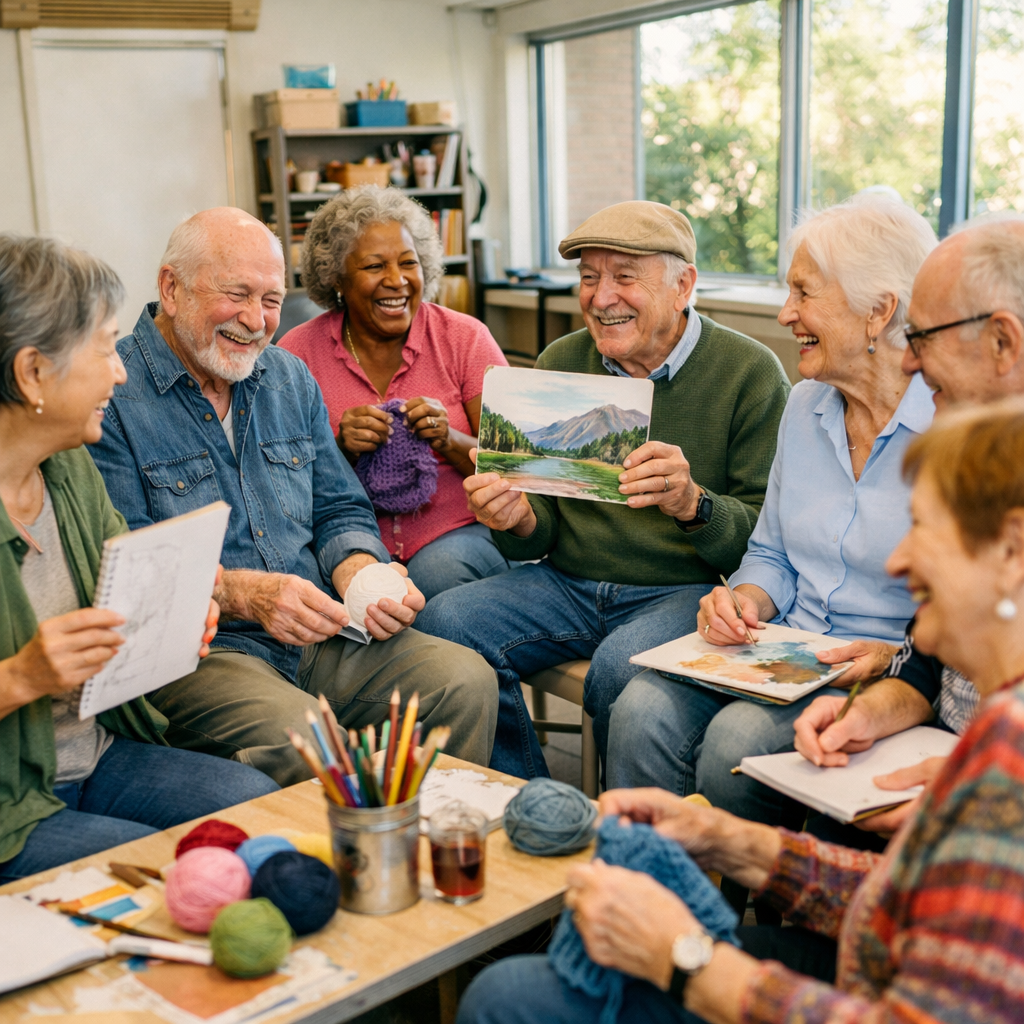
Where to Start: A World of Creative Possibilities
The hardest part of any creative journey is choosing where to begin. The good news? There’s no wrong choice, and you can try as many different things as you like. Here are some accessible, rewarding options tailored to different interests and abilities.
Visual Arts: See Your World Differently
Painting and drawing are classics for good reason. Watercolors are forgiving and beautiful—mistakes often create happy accidents that add character. Acrylics dry quickly and offer vibrant colors. Even adult coloring books (which have exploded in popularity) provide structure while allowing personal expression through color choices.
If you have arthritis or limited hand mobility, consider larger brushes or even painting with sponges. Many art supply stores offer adaptive tools specifically designed for seniors. And don’t worry about “talent”—art is about expression, not perfection.
Digital art is another frontier worth exploring. Tablets with styluses make creating accessible, and there’s an endless undo button. Many community centers now offer digital art classes for seniors, recognizing that technology and creativity can beautifully intersect.
Music: Let Your Soul Sing
Research shows that consistently listening to music is associated with reduced dementia risk, while regularly playing an instrument provides even greater cognitive benefits. But you don’t need to become a concert pianist—simple instruments like the ukulele are easy to learn and incredibly satisfying.
If you played an instrument in your youth, returning to it can be like reuniting with an old friend. If you’re starting fresh, consider group lessons where you learn alongside others. Singing in a choir is another wonderful option that combines music with social connection and doesn’t require any equipment beyond your voice.
Textile Arts: The Comfort of Creating
Knitting, crocheting, and quilting have experienced a renaissance, and for good reason. There’s something deeply soothing about the rhythmic motions, and you end up with something useful—a scarf, a blanket, a gift for a grandchild. These activities are perfect for watching TV or chatting with friends, making them ideal multitaskers.
Plus, research shows that the repetitive motions in crafting can lower blood pressure and heart rate, creating genuine physiological relaxation. Many seniors find these activities particularly helpful for managing anxiety.
Writing and Storytelling: Your Life, Your Words
You’ve lived an entire lifetime. Those stories, memories, and insights deserve to be preserved. Writing memoirs, poetry, or even fiction allows you to process experiences, share wisdom, and leave a legacy.
Many local libraries and senior centers offer writing workshops. Online platforms provide communities of writers at all levels. And don’t discount the therapeutic value—writing about difficult experiences can promote healing and understanding.
Gardening: Nature as Your Canvas
If you can hold a trowel, you can garden. Whether you have a backyard, a balcony with containers, or just a sunny windowsill, growing plants is profoundly creative. You choose colors, textures, and arrangements. You nurture life. And you get the added benefit of being outdoors, which independently improves mood and health.
Consider starting with herbs—they’re forgiving, useful in cooking, and give quick results. Succulents are another low-maintenance option that still allows for creative arrangement.
Getting Started Safely and Successfully
Here’s how to set yourself up for success:
Start small and manageable. Don’t buy the most expensive art supplies or commit to a year-long class. Try a beginner workshop or buy a small starter kit. Give yourself permission to experiment.
Adapt to your needs. If you have vision challenges, work with larger canvases and bolder colors. If mobility is limited, choose activities you can do sitting down. There’s always a way to make creativity accessible.
Find your community. Check your local senior center, library, or community college for classes. Many offer sliding scale fees or free programs. Online resources like YouTube tutorials and virtual classes bring instruction right into your home.
Let go of perfection. This is crucial. You’re not trying to get into an art gallery or win a Grammy. You’re creating for the joy of creating. Every “mistake” is just part of your unique style.
The Science Says: Arts Make You Healthier and Happier
Let’s look at what research actually tells us. A comprehensive review of studies found that group arts programs effectively address depression and anxiety among older adults. Another study discovered that arts participation improves cognitive function, reduces stress, and enhances overall well-being.
Music therapy, in particular, shows remarkable results. Engagement in music is associated with improved mood and well-being, while active music-making provides even stronger benefits. Visual arts offer similar advantages—one study found that seniors who regularly participated in art activities showed measurably better cognitive function than those who didn’t.
These aren’t minor improvements. We’re talking about reduced risk of dementia, lower rates of depression, better physical health markers, and increased life satisfaction. Creative hobbies aren’t just pleasant pastimes—they’re powerful medicine without side effects.
Your Creative Challenge: A Week to Begin
Want to dip your toes in? Here’s a simple seven-day starter plan:
Day 1: Visit your local library or senior center to explore available art programs. Pick up a beginner’s guide to any creative activity that interests you.
Day 2: Gather basic supplies. This could be a simple sketchpad and pencils, a beginner’s knitting kit, or seeds for a small herb garden.
Day 3: Spend 20 minutes trying your chosen activity. Don’t judge the results—just experience the process.
Day 4: Watch an online tutorial or read an article about your chosen hobby to learn one new technique.
Day 5: Practice for 30 minutes, focusing on enjoyment rather than outcome.
Day 6: Share your experience with someone—a friend, family member, or online community. Connection amplifies joy.
Day 7: Reflect on the week. How did creating make you feel? What surprised you? Decide whether to continue or try something different.
Remember, this isn’t about becoming an expert in seven days. It’s about beginning the journey and discovering whether this creative path speaks to you.
Your Best Art Is Still Ahead
Here’s what we know for certain: retirement is not a time to shrink but to expand. It’s not about looking backward at who you were, but forward to who you’re becoming. Creative hobbies aren’t frivolous luxuries for people with nothing better to do—they’re essential tools for living fully, connecting deeply, and thriving authentically in your golden years.
At SilverSmart, we’re passionate about helping you discover and explore new passions tailored specifically to your interests and needs. Through personalized experiences and continuous discovery, we believe every senior can unlock creativity they never knew they had. Whether through our AI-powered guidance or curated exploration boxes designed to spark new interests, we’re here to support your journey of growth.
Maybe you’ll discover you have a gift for watercolors. Maybe you’ll join a ukulele group and perform at your grandchild’s birthday party. Maybe you’ll knit blankets for charity or write the memoir your family has been begging you to create. Or maybe—and this is just as valuable—you’ll spend Saturday afternoons absorbed in coloring mandalas, feeling peaceful and present.
Whatever form your creativity takes, know this: it’s never too late to start, and your best work might truly be ahead of you. You’ve spent decades building skills, accumulating wisdom, and developing your unique perspective on the world through meaningful activities and connections. Now’s the time to express it.
So pick up that paintbrush. Dust off that guitar. Plant those seeds. Your canvas is blank, your song is unwritten, and your story is still unfolding. The only question is: what will you create today?
Remember, at SilverSmart, we believe in one simple truth: Discover. Explore. Thrive. Your creative journey isn’t just about making art—it’s about making the rest of your life a masterpiece.