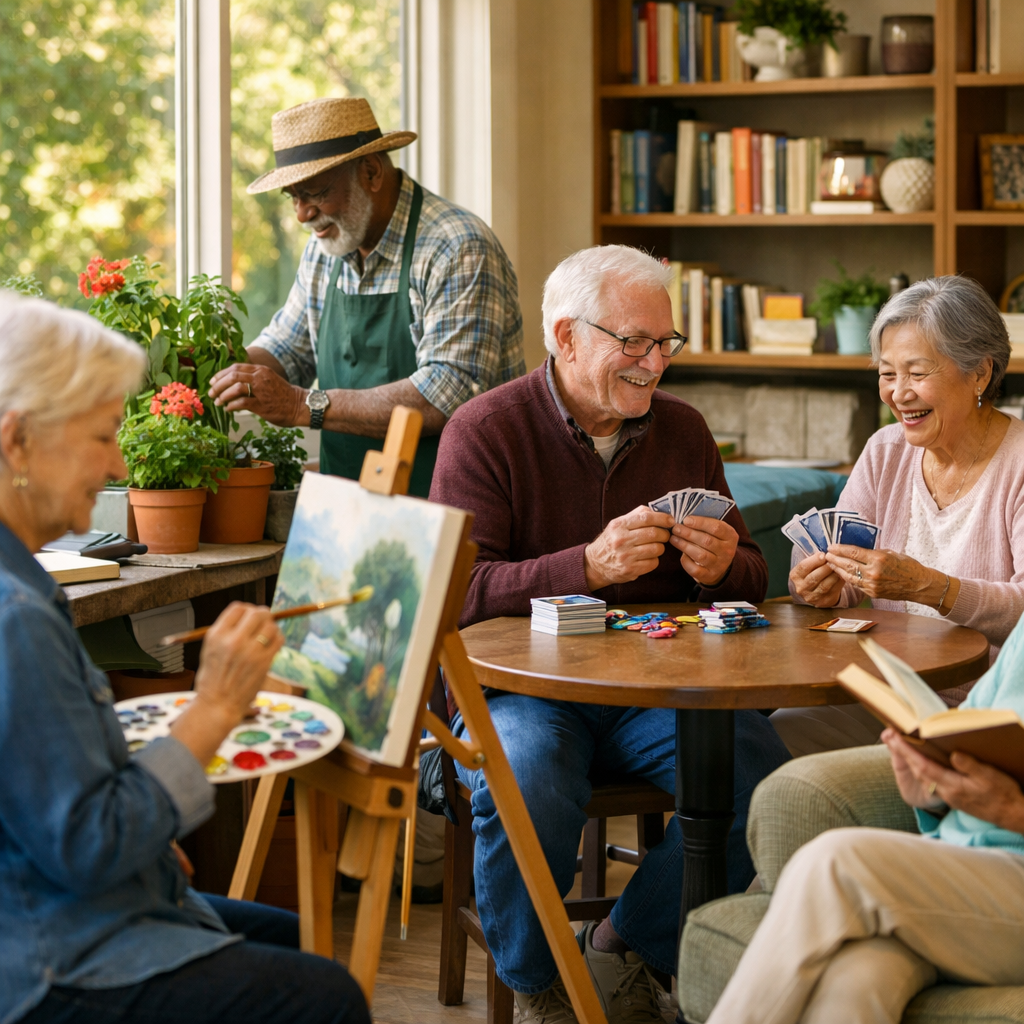
Retirement isn’t the end of something—it’s the beginning of everything you’ve been waiting for. After decades of alarm clocks, meetings, and responsibilities, you finally have the gift of time. Time to explore, to discover, to try things you’ve always been curious about but never had the chance to pursue. This new chapter is filled with opportunities for joy, connection, and personal growth. The key to making the most of it? Finding hobbies that align with your interests and passions.
Hobbies aren’t just ways to pass the time. They’re doorways to cognitive health, social connections, and a deeper sense of purpose. When you engage in activities that genuinely excite you, you’re not just keeping busy—you’re nourishing your mind, strengthening your relationships, and building a retirement that feels vibrant and meaningful. Whether you’ve always been creative, loved being outdoors, or simply enjoy learning new things, there’s a hobby waiting for you that can transform your daily routine into something you look forward to.
The Power of Purpose: How Hobbies Enhance Well-Being
When you wake up with something to look forward to, everything changes. Hobbies provide structure to your days and give you a reason to get excited about what’s ahead. That anticipation—whether it’s a weekly painting class, a morning walk with friends, or practicing a new song on the piano—creates emotional well-being that ripples through every aspect of your life.
Research consistently shows that seniors who maintain hobbies report better health, greater happiness, and higher life satisfaction than those who don’t. This isn’t just about staying busy; it’s about finding activities that reduce stress and provide genuine fulfillment. When you’re absorbed in something you love, cortisol levels drop, anxiety diminishes, and you feel more centered and calm.
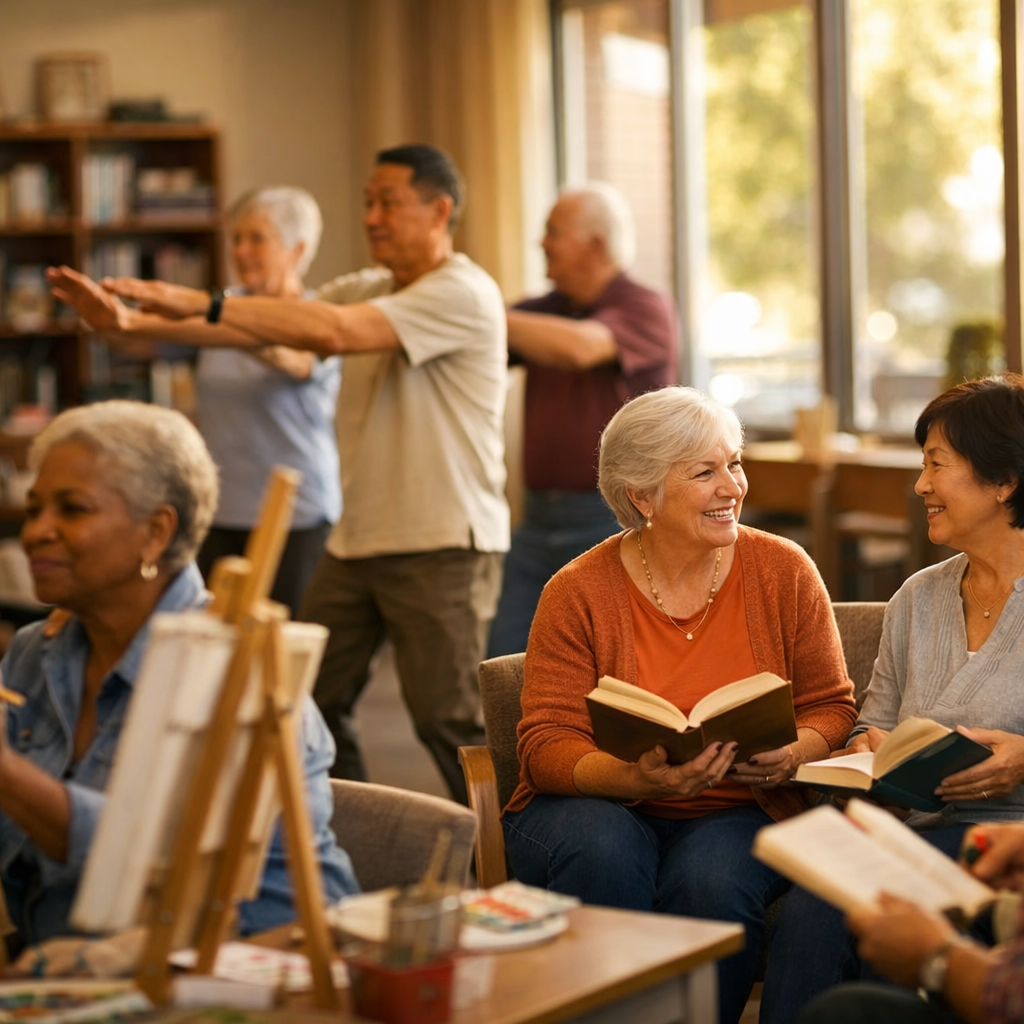
The social aspect of hobbies amplifies these benefits even further. Joining a book club, attending a dance class, or participating in a community garden doesn’t just give you something to do—it connects you with people who share your interests. These connections are powerful. Studies across multiple countries demonstrate that social engagement directly supports brain health, helping to maintain memory, cognitive function, and mental clarity as we age. When you combine passion with connection, you’re creating the perfect recipe for a thriving retirement.
Discovering What Lights You Up
Finding the right hobbies for seniors starts with a simple question: What makes you curious? You might already know the answer, or you might need to dig a little deeper. Think back to activities you enjoyed when you were younger but set aside as life got busy. Did you love drawing in school? Were you always fascinated by different cultures and languages? Did you find peace in working with your hands?
Your past interests are valuable clues, but don’t stop there. Retirement is the perfect time to explore completely new territories. Maybe you’ve always wondered what it would be like to play the guitar, try watercolor painting, or learn about astronomy. That curiosity is your compass—follow it.
Start by assessing what’s realistic for you right now. Consider your physical abilities, not as limitations, but as factors to guide your choices. If you have mobility concerns, look for hobbies that can be adapted or done while seated. Think about your schedule and how much time you want to dedicate. Some hobbies require daily practice, while others are perfect for once-a-week engagement. Budget matters too, but remember that many fulfilling hobbies cost little to nothing.
Your community is full of resources to help you explore. Senior centers often offer free or low-cost classes where you can try different activities before committing. Libraries provide access to books, audiobooks, and increasingly, creative tools and meeting spaces. Many communities have groups dedicated to specific interests—from hiking clubs to knitting circles to technology workshops. Don’t hesitate to reach out and ask questions. Most hobby groups are welcoming and excited to share their passion with newcomers.
A World of Possibilities: Hobby Categories to Explore
The beauty of retirement is that you can tailor your activities to match exactly what appeals to you. Discover your passions through our comprehensive exploration framework. Creative arts offer endless possibilities: painting, drawing, pottery, quilting, scrapbooking, or crafting. These activities engage your imagination while strengthening fine motor skills and hand-eye coordination. Many seniors find that creating something tangible provides deep satisfaction—there’s something special about holding a finished painting or wearing a scarf you knitted yourself.
Performing arts bring their own unique rewards. Learning to play an instrument stimulates multiple areas of the brain simultaneously, improving memory and coordination. Singing—whether in a choir or just for yourself—releases endorphins and supports respiratory health. Dancing combines physical movement with social interaction and cognitive challenge, as you learn new steps and patterns. Even gentle, seated dance options can bring joy and connection.
Light physical activities keep your body moving without overwhelming it. Gentle yoga or chair yoga builds flexibility and balance while reducing stress. Tai chi offers flowing movements that improve stability and mental focus. Walking, especially with a group, provides cardiovascular benefits and social time. Gardening lets you work with your hands, spend time outdoors, and nurture living things—all while getting moderate exercise.
Intellectual pursuits feed your mind. Reading opens doors to new worlds and ideas, with book clubs adding social discussion and deeper engagement. Learning a new language challenges your brain in ways that may help maintain cognitive function. Online courses through platforms like Coursera or community colleges let you study virtually anything that interests you, from history to philosophy to astronomy, all from the comfort of home—part of embracing vibrant, lifelong learning.
Social and community activities combine purpose with connection. Volunteering lets you give back while meeting people who care about similar causes. Teaching or mentoring allows you to share your lifetime of knowledge with younger generations. Community theater groups, photography clubs, and writing circles bring together people who share your interests and create opportunities for friendship.
Taking the First Step: Getting Started with Confidence
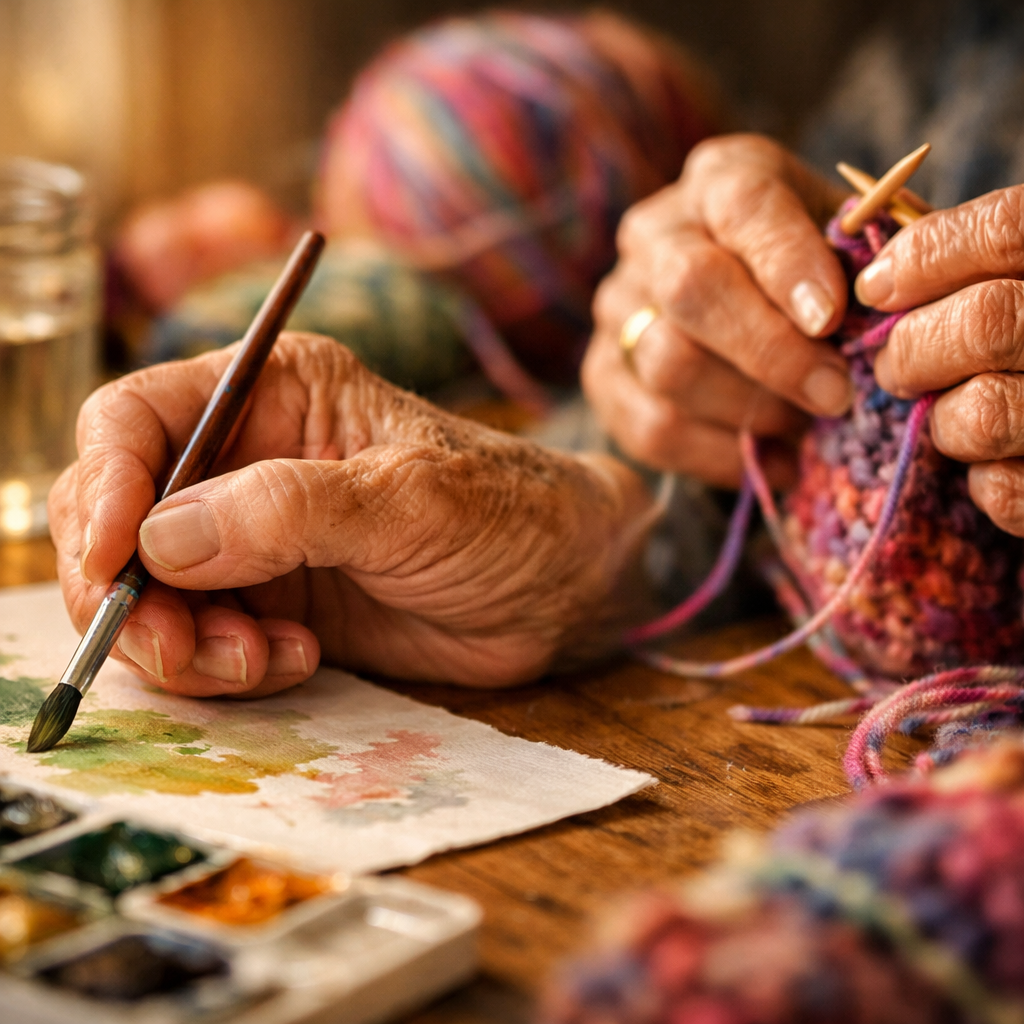
Starting something new can feel intimidating, but remember—everyone was a beginner once. The key is to start small and give yourself permission to learn. Set modest goals initially. Instead of committing to painting every day, try once or twice a week. If you’re curious about an instrument, consider renting before buying. This approach reduces pressure and lets you explore without major commitment.
Look for beginner-friendly groups specifically designed for older adults. These environments are supportive and move at a comfortable pace. Community centers and senior organizations often run introductory classes where everyone is learning together. There’s something liberating about being in a room full of people who are all figuring things out at the same time.
Consider combining hobbies with social interaction whenever possible. Join a walking group instead of walking alone. Take a cooking class rather than learning solely from YouTube. These social connections are essential—research shows they improve both cognitive health and longevity. Attend a painting workshop at a community center instead of only painting at home. The social dimension enhances enjoyment and creates accountability—you’re more likely to stick with an activity when friends are expecting you.
Technology can be your ally here. Online courses let you learn at your own pace, rewatching lessons as needed. Video tutorials provide step-by-step guidance for everything from knitting to playing ukulele. Even if you’re not particularly tech-savvy, family members or library staff can help you get started with beginner-friendly platforms.
Addressing Challenges: Making Hobbies Accessible
Physical limitations don’t mean you can’t pursue hobbies—they just mean you might need to adapt them. If arthritis makes holding paintbrushes difficult, try larger, ergonomic brushes or adaptive grips. If standing for long periods is challenging, look for seated versions of activities like gardening (container gardens at table height) or painting (using an easel adjusted for sitting). Many hobbies have adaptive versions specifically designed for accessibility.
Transportation challenges are common but solvable. Look for activities within walking distance or accessible by public transit. Many communities offer senior transportation services. Consider carpooling with neighbors who share your interests. Increasingly, hobby groups are offering virtual options, allowing you to participate in book clubs, art classes, or discussion groups from home via video calls.
Cost concerns shouldn’t hold you back. Many libraries lend more than books—they offer free access to magazines, audiobooks, museum passes, and sometimes even tools or musical instruments. Community centers provide low-cost or free classes. YouTube and other free online platforms offer tutorials for virtually any hobby. Thrift stores and yard sales are treasure troves for craft supplies, books, and equipment.
Safety and inclusivity matter. If you have health conditions, consult your healthcare provider before starting physically demanding hobbies. They can suggest modifications to make activities safer for you. Start slowly with any new physical activity, gradually building up intensity. Many senior-focused hobby groups are specifically designed with health considerations in mind, offering gentle options that keep safety front and center.
Don’t let fear of being “too old” or “not good enough” stop you. Those thoughts are just noise. Every expert was once a beginner, and there’s no age limit on learning or joy. The goal isn’t perfection—it’s engagement, growth, and enjoyment. Your pace is the right pace.
Embracing Your Journey Forward
Your retirement is a blank canvas, and hobbies are the colors you’ll use to paint this next chapter. This is your time to explore interests you’ve always been curious about, to reconnect with passions you set aside, and to discover new parts of yourself you didn’t know existed. Each hobby you try—whether you stick with it or move on—teaches you something about who you are and what brings you joy.
At SilverSmart, we believe retirement should be a journey of continuous growth, discovery, and fulfillment. The philosophy of “Discover. Explore. Thrive.” isn’t just a tagline—it’s a roadmap for living your best life after retirement. Finding hobbies that resonate with you is central to that journey. Our AI-powered Exploration Passport helps you discover activities perfectly matched to your interests and lifestyle. They keep your mind sharp, your social calendar full, and your days meaningful.
Start small. Pick one thing that sparks your curiosity and give it a try. Join that book club. Sign up for that pottery class. Download that language-learning app. Take a walk with a neighbor who’s mentioned wanting company. Whatever it is, take that first step today. You don’t need to know where it will lead or whether you’ll love it forever. You just need to be willing to try.
Remember, this journey isn’t about filling empty time—it’s about enriching your life with purpose, connection, and joy. The hobbies you choose will help you stay mentally sharp, physically active, and socially connected. They’ll give you stories to share, skills to be proud of, and reasons to wake up excited about the day ahead.
Your golden years are called golden for a reason. They’re precious, valuable, and full of potential. Make them shine by discovering hobbies that bring you joy, introduce you to friends, and give your days purpose. The adventure is just beginning, and the possibilities are as endless as your curiosity. Start exploring today, and watch as your retirement transforms into the fulfilling, vibrant journey you’ve always deserved.