
Retirement isn’t what it used to be. Gone are the days when it meant slowing down, stepping back, and fading into the background. Today’s retirees are rewriting the script entirely—pursuing new passions, staying physically active, building communities, and living with purpose. This shift toward what experts call “active aging” is transforming how we think about our golden years, and leading this movement is the International Council on Active Aging (ICAA).
Active aging isn’t just about staying physically fit, though that’s certainly part of it. It’s about embracing wellness across every dimension of your life—physical, emotional, intellectual, social, spiritual, vocational, and environmental. It’s about waking up each morning with purpose and curiosity. It’s about discovering that retirement can be your most vibrant, fulfilling chapter yet.
The ICAA has been at the forefront of this revolution, providing wellness professionals with the tools, resources, and education they need to help retirees thrive. Whether you’re a family member supporting a loved one, a health professional working with seniors, or someone planning your own retirement journey, understanding what the ICAA offers can open doors to a retirement experience you might never have imagined possible.
Think about Sarah, a 67-year-old former accountant who thought retirement would mean gardening and watching her grandchildren occasionally. Instead, with guidance from an ICAA-trained wellness coordinator at her community center, she discovered watercolor painting, joined a hiking group, and now volunteers teaching financial literacy to young adults. She’s more energized than she was in her fifties. This is active aging in action.

Resources That Transform How Professionals Support Your Retirement
The International Council on Active Aging doesn’t just talk about active aging—it provides concrete, research-backed tools that wellness professionals use to create meaningful experiences for retirees. At the heart of these resources is the ICAA Wellness Model, a comprehensive framework that looks at wellness through seven interconnected dimensions.
This model recognizes something crucial: you can’t thrive in retirement by focusing on just one aspect of health. Physical fitness matters, but so does intellectual stimulation. Social connections are vital, but so is finding purpose and meaning. The ICAA Wellness Model helps professionals design programs that address all these dimensions simultaneously, creating a holistic approach to retirement wellness.
For professionals new to working with older adults, the ICAA offers the Foundation for Wellness course. This educational program provides evidence-based insights into how aging affects different aspects of wellness and how to create programs that truly make a difference. It covers everything from understanding the physical changes that come with aging to recognizing the psychological and emotional needs that emerge during this life transition.
The Active Aging and Wellness hub serves as a central resource library, bringing together the latest research, best practices, and innovative program ideas. Wellness professionals can access case studies from communities that have successfully implemented active aging programs, research on what interventions work best, and practical tools for measuring outcomes and impact.
What makes these resources particularly valuable is that they’re grounded in real-world application. The ICAA works directly with senior living communities, fitness centers, healthcare providers, and community organizations around the world. This means the resources reflect actual challenges and proven solutions, not just theoretical concepts.
For instance, one assisted living facility in Arizona used ICAA resources to completely redesign their activities program. Instead of generic bingo nights and movie screenings, they created personalized wellness pathways for each resident. Residents completed assessments identifying their interests and wellness goals, then received customized activity recommendations spanning all seven wellness dimensions. The result? Residents reported feeling more engaged, families noticed improvements in their loved ones’ moods and energy levels, and staff retention improved because team members found their work more meaningful.
These resources align beautifully with modern approaches to retirement, including AI-powered personalized experiences that platforms like SilverSmart are pioneering. The combination of ICAA’s comprehensive wellness framework with technology that learns individual preferences creates unprecedented opportunities for truly personalized retirement experiences.
From Theory to Practice: Designing Programs That Actually Work
Understanding wellness dimensions is one thing. Creating integrated programs that bring them to life is another. This is where ICAA resources truly shine—they bridge the gap between concept and execution.
Consider the seven wellness dimensions and how they might come together in a single week for a retiree named Michael. On Monday, he attends a strength training class (physical wellness) designed specifically for his fitness level. Tuesday brings a book club discussion (intellectual wellness) about a novel set in a country he’s always wanted to visit. Wednesday, he volunteers at a local food bank (vocational wellness), finding renewed purpose in giving back. Thursday features a meditation session (spiritual wellness) that helps him process his transition from working life. Friday, he joins a neighborhood cleanup project (environmental wellness), connecting with his community while improving his surroundings. Saturday involves a lunch gathering with friends he’s made through these activities (social wellness), and Sunday offers quiet time for reflection and pursuing a new hobby he’s developing (emotional wellness).
This kind of integrated approach doesn’t happen by accident. It requires thoughtful planning and coordination—exactly what ICAA-trained professionals learn to do.
The practical application extends beyond individual program design to organizational transformation. Senior living communities using ICAA frameworks report creating environments where wellness becomes woven into every aspect of daily life. Dining programs incorporate nutrition education and culinary exploration. Transportation services become opportunities for discovering new places and experiences. Even maintenance and housekeeping teams receive training on how their interactions can support residents’ emotional and social wellness.
One particularly innovative application involves using ICAA resources to create “discovery pathways“—structured programs that help retirees explore entirely new interests systematically. A retired engineer might follow a pathway into art appreciation, starting with guided museum visits, progressing to hands-on classes, and eventually joining an artists’ collective. A former teacher might explore culinary arts, beginning with cooking classes, advancing to studying food cultures, and perhaps ultimately teaching others.
This approach mirrors how SilverSmart uses AI to create personalized exploration experiences through curated monthly discovery boxes and digital tracking through the Exploration Passport. The philosophy is identical: retirement should be about continuous discovery, with guidance that adapts to your evolving interests and achievements.
ICAA resources also help professionals address a critical challenge: reaching people before they retire. Many wellness programs focus on those already in senior living communities or actively seeking services. But the research is clear—the habits and mindsets you develop before retirement significantly impact how well you thrive afterward.
Progressive organizations are using ICAA frameworks to create pre-retirement wellness programs for employees in their fifties and early sixties. These programs help people envision what their retirement could look like, experiment with new activities while still working, and build the foundation for an active retirement. One corporation implemented such a program and found that employees reported feeling more positive about aging, were more likely to retire at a healthy time (rather than working too long or retiring too early), and transitioned more smoothly into retirement.
The key to all these applications is personalization. ICAA resources emphasize that there’s no one-size-fits-all approach to active aging. What energizes one person might drain another. What one retiree finds meaningful might leave another cold. Effective programs use assessments, conversations, and ongoing feedback to continuously refine recommendations.
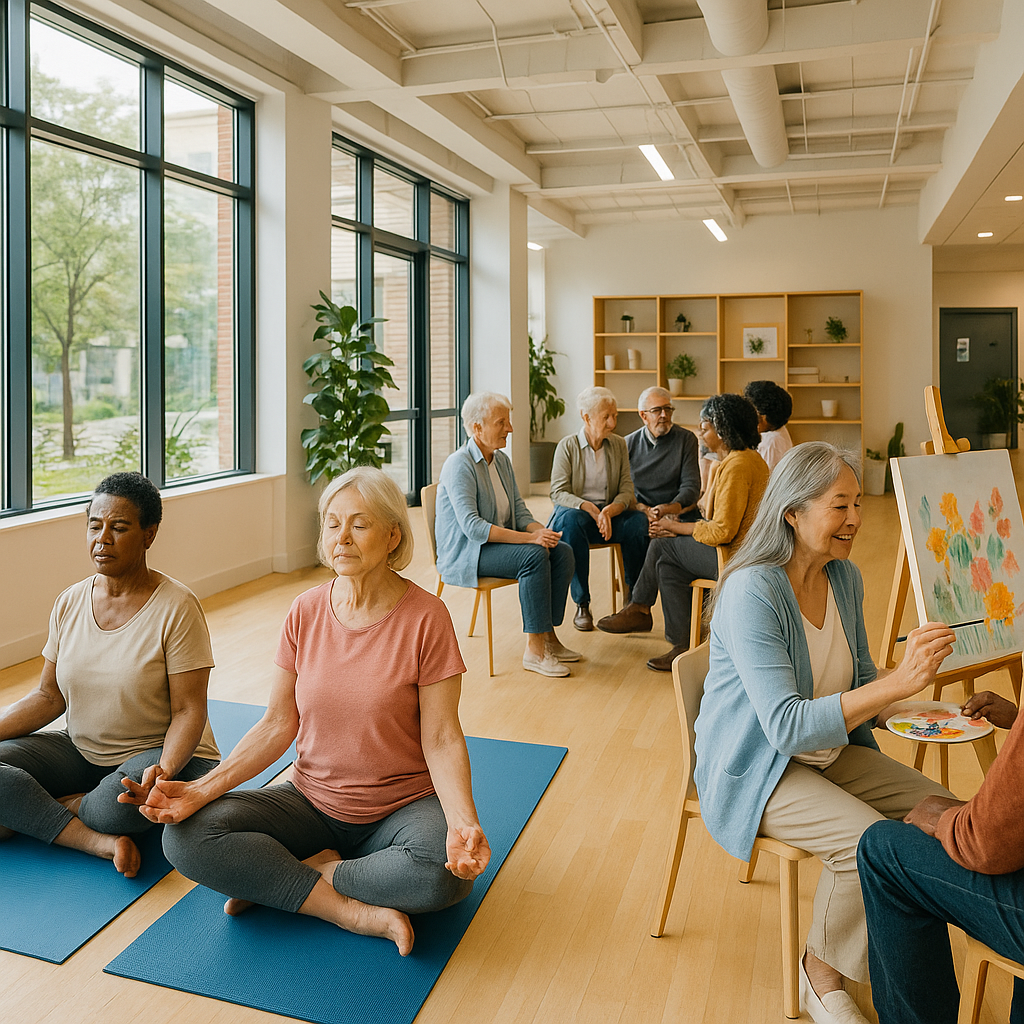
The Tangible Benefits: Why Wellness Programs Matter
When senior living communities, healthcare organizations, and community centers invest in comprehensive wellness programs based on ICAA principles, everyone benefits. The improvements aren’t just feel-good anecdotes—they’re measurable, significant, and sustainable.
For individuals, the quality of life improvements can be profound. Research consistently shows that older adults engaged in holistic wellness programs report higher life satisfaction, better mental health, improved physical functioning, and stronger social connections. They’re less likely to experience depression and anxiety. They maintain cognitive function better. They even tend to require less medical intervention.
Take the case of Dorothy, a 72-year-old widow who moved into a senior living community after her husband passed away. Initially isolated and withdrawn, she participated in a wellness assessment that revealed she’d always been interested in theater but never pursued it. The community’s wellness coordinator, trained in ICAA approaches, connected her with a drama group. Within months, Dorothy was performing in community theater productions, had made close friends, and described feeling “more alive than I have in years.” Her daughter noticed she seemed healthier overall and required fewer doctor visits.
The physical health benefits alone are compelling. Older adults in comprehensive wellness programs show improvements in strength, balance, flexibility, and cardiovascular health. These improvements directly translate to maintaining independence longer—being able to climb stairs, carry groceries, travel independently, and continue living in their preferred setting.
Intellectual stimulation through lifelong learning opportunities helps maintain cognitive health. Studies show that older adults who regularly engage in mentally challenging activities—whether learning languages, taking courses, or exploring new subjects—show slower cognitive decline and better memory function. This is particularly important as we understand more about preventing or delaying dementia and other cognitive conditions.
Social connections, fostered through group activities and community engagement, combat loneliness and isolation—two factors that research has shown to be as harmful to health as smoking. Wellness programs that prioritize social wellness create opportunities for meaningful relationships, not just superficial interactions.
The benefits extend beyond individual participants to their families. Family members report feeling more confident about their loved ones’ wellbeing when they’re engaged in comprehensive wellness programs. They worry less about isolation or decline. They see their parents or grandparents thriving rather than just surviving. The relationships often improve too, as older adults have more to share and discuss, remaining engaged partners in family life rather than becoming burdens.
For organizations providing senior services, the business case for wellness programs is equally strong. Staff retention improves significantly when employees feel their work is meaningful and they see positive impacts on the people they serve. Turnover in senior care is notoriously high, but communities with strong wellness programs report retention rates 20-30% higher than industry averages.
Organizational performance improves across multiple metrics. Communities with comprehensive wellness programs often see higher occupancy rates as they develop strong reputations. They receive fewer complaints and better satisfaction ratings. They may even see reduced liability and insurance costs as participants maintain better health and experience fewer falls or injuries.
One senior living organization that implemented ICAA-based programs across all its communities documented a 40% reduction in staff turnover, 25% improvement in resident satisfaction scores, and significant increases in referrals and positive online reviews. The investment in wellness programming more than paid for itself through these operational improvements.
There’s also an economic argument at the societal level. According to recent McKinsey Health Institute findings, every dollar invested in healthy aging produces three dollars in economic value. When older adults remain healthy, active, and engaged, they require less acute medical care, contribute to their communities through volunteering and spending, and maintain their independence longer, reducing the burden on family caregivers and social services.
This vision of retirement—active, engaged, purposeful, and continuously evolving—is exactly what SilverSmart champions through AI-driven personalized experiences. By combining professional expertise represented by ICAA resources with cutting-edge technology that learns and adapts to individual preferences, we can create retirement experiences that truly help people thrive.
Your Retirement: A Journey of Discovery Awaits
Here’s what you need to remember: retirement wellness isn’t a destination—it’s an ongoing journey of discovery, exploration, and growth. The International Council on Active Aging provides the roadmap and tools that professionals use to guide you on this journey, but you’re the one who brings it to life through your curiosity, willingness to try new things, and commitment to living fully.
Whether you’re approaching retirement, already retired, or supporting someone who is, the message is clear: this chapter of life holds immense potential. The seven dimensions of wellness—physical, emotional, intellectual, social, spiritual, vocational, and environmental—offer countless pathways for growth and fulfillment.
Start by asking yourself: What have I always wanted to try but never had time for? What makes me lose track of time because I’m so engaged? What kind of person do I want to be in my retirement years? These questions can guide you toward experiences that align with your authentic interests and values.
Seek out professionals and programs that embrace holistic wellness approaches. Look for communities, fitness centers, or organizations with ICAA-trained staff. These professionals understand that your retirement journey is unique and will work with you to create personalized pathways rather than pushing generic programs.
Embrace technology that enhances personalization. AI-powered platforms like SilverSmart can help you discover interests you might never have considered, track your progress across different wellness dimensions, and continuously refine recommendations based on what you enjoy and what helps you thrive. Weekly digital interactions, personalized questionnaires, and curated discovery experiences can keep you exploring and growing.
Remember that wellness is interconnected. When you strengthen one dimension, you often positively impact others. That art class isn’t just about intellectual stimulation—it’s also social connection, emotional expression, and potentially even physical activity. That volunteer work isn’t just vocational wellness—it’s also emotional fulfillment, social engagement, and intellectual challenge.
Stay curious and open. The beauty of retirement is that you have time to explore, make mistakes, try new directions, and discover parts of yourself you didn’t know existed. Maybe you’ll find that you love pottery, or that you’re actually good at learning languages, or that you have a gift for mentoring young people starting their careers.
Your best chapter isn’t something that happens to you—it’s something you create, one day at a time, through choices that honor your whole self. The International Council on Active Aging is equipping professionals with the knowledge and tools to support you. Technology is making personalized guidance more accessible than ever. The resources and opportunities are there.
The question is: What will you discover next? Your retirement journey is waiting, and it’s going to be remarkable.