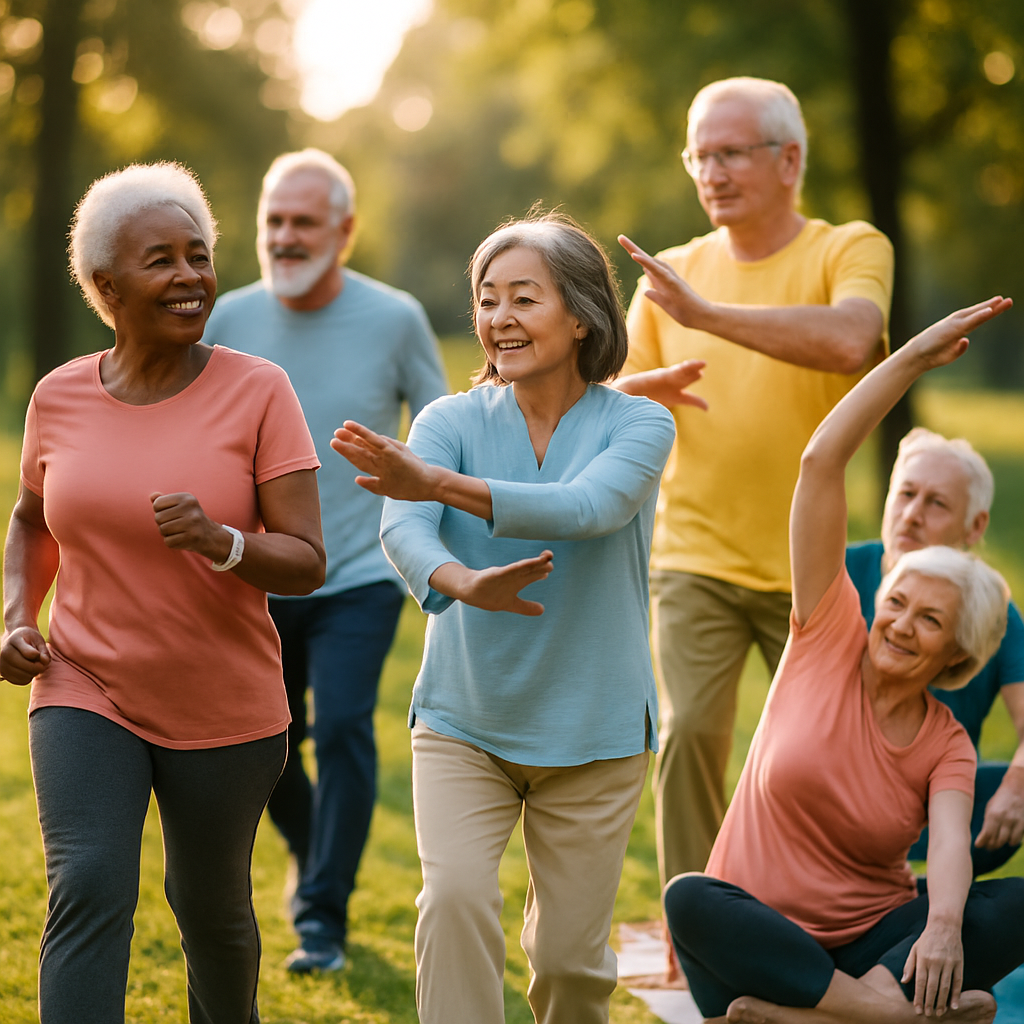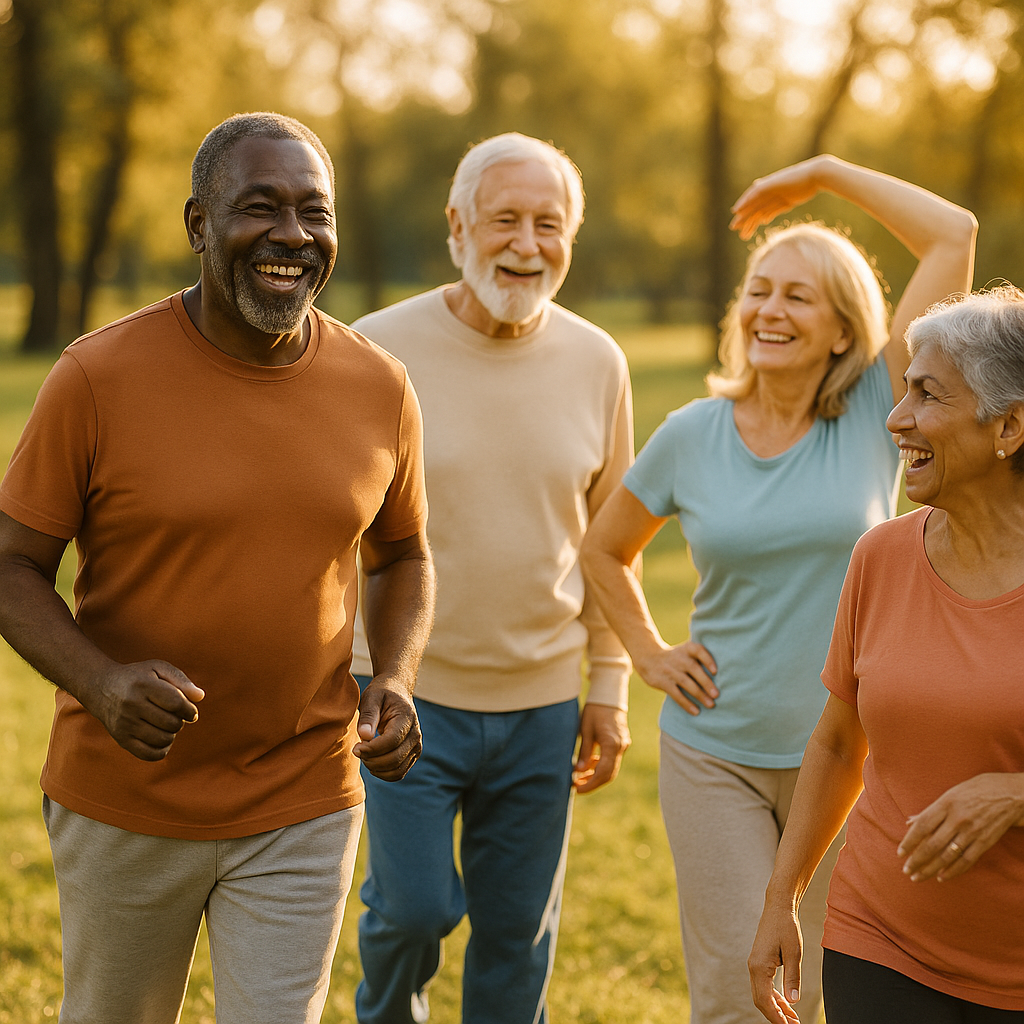
Welcome to a conversation that might just transform how you view the years ahead. If you’re approaching retirement or already enjoying it, you’re standing at the threshold of what could be the most vibrant, fulfilling chapter of your life. This isn’t about simply adding years to your life—it’s about adding life to your years.
Active aging isn’t a buzzword or a trend. It’s a philosophy that recognizes retirement as a time of possibility, growth, and discovery. When we talk about active aging, we’re talking about maintaining your health, preserving your independence, staying connected to the people and activities you love, and continuing to function at your best. It’s about waking up each morning with purpose, curiosity, and the energy to pursue what matters most to you.
The exciting truth is that how you age is largely within your control. The choices you make today—what you eat, how you move, who you spend time with, and what you learn—shape the quality of your tomorrow. This journey doesn’t require perfection or dramatic changes. It simply asks for your attention, your intention, and your willingness to stay engaged with life.
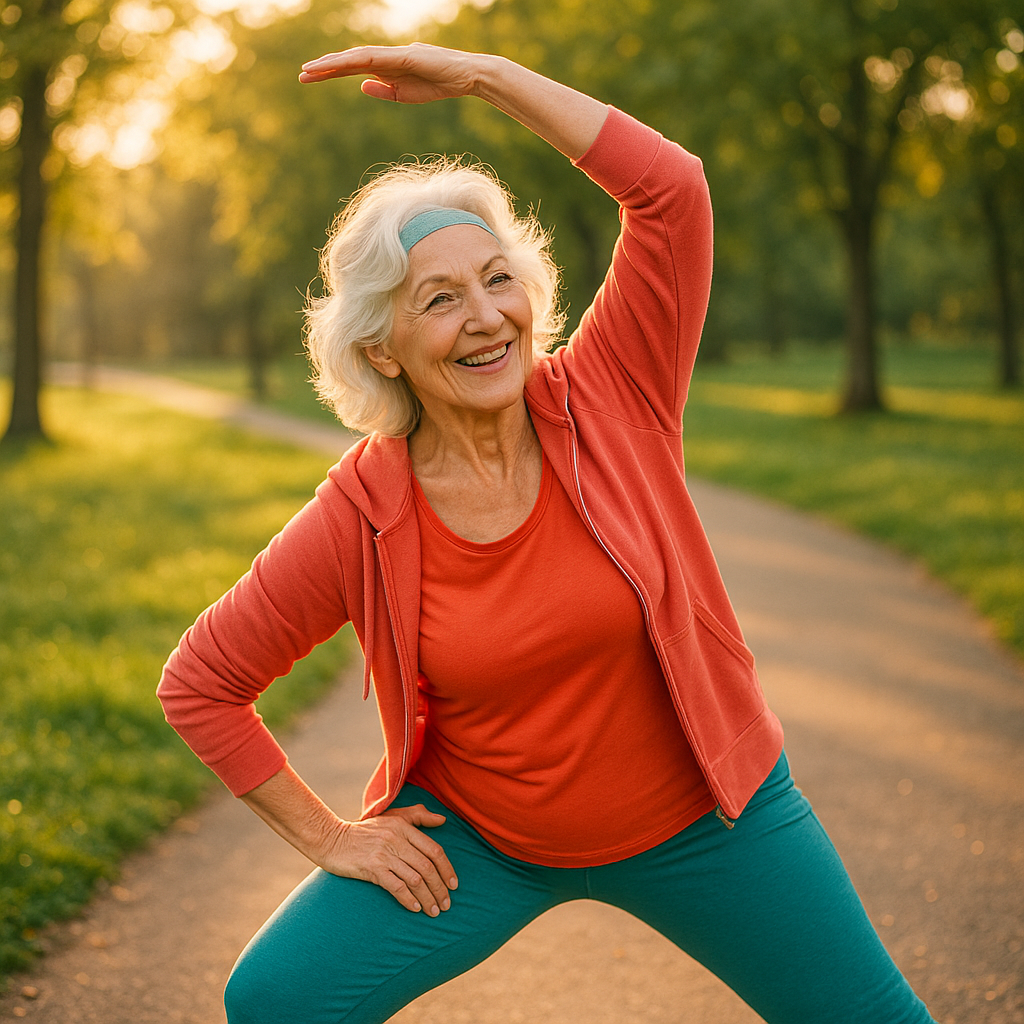
Understanding What Really Matters: Healthspan Over Lifespan
Here’s a question worth pondering: Would you rather live to 95 feeling frail and dependent, or live to 88 while staying active, independent, and engaged until your final years? Most of us would choose the latter without hesitation. This is the difference between lifespan and healthspan—and understanding this distinction changes everything.
Your lifespan is simply how long you live. Your healthspan is how long you live well—free from chronic disease, disability, and limitations that prevent you from doing what you love. Recent research reveals a troubling gap between these two measures. In the United States, the healthspan-lifespan gap has grown from 10.9 years in 2000 to 12.4 years in 2024. This means people are spending more than a decade of their lives managing chronic conditions and disabilities.
But here’s where science offers hope. Researchers are making remarkable breakthroughs in understanding cellular senescence—the process by which cells stop dividing and start releasing inflammatory compounds that damage surrounding tissues. These senescent cells accumulate as we age, contributing to everything from arthritis to heart disease to cognitive decline.
Enter senolytics: a promising class of therapeutic agents designed to selectively eliminate these troublesome senescent cells. While still in development, early studies show that reducing senescent cell burden could extend the years we spend in good health. Scientists are exploring repurposed drugs like dasatinib and compounds like o-vanillin that show potential for addressing cellular aging at its source.
The takeaway isn’t that a miracle pill will solve aging—it’s that science is revealing just how much our cellular health matters, and how deliberate choices about our lifestyle can influence that health profoundly.
Real Stories of Vitality: Making Proactive Health Decisions
Meet Margaret, a 72-year-old who took up swimming three years ago after her doctor warned her about declining bone density. Today, she swims four mornings a week, has made a circle of friends at the pool, and her latest bone density scan showed improvement—something her doctor called “remarkable but not impossible.”
Then there’s Robert, 68, who joined a community theater group after retiring from accounting. He’d never acted before, but learning lines keeps his mind sharp, rehearsals keep him social, and performing gives him a sense of purpose he wasn’t sure he’d find after leaving his career.
These aren’t exceptional people—they’re individuals who made proactive decisions to sustain their vitality and independence. Active aging interventions consistently show improvements across physical, cognitive, and social functioning. The evidence is clear: older adults who engage in regular physical activity show better cardiovascular health, stronger muscles, improved balance, and reduced risk of falls. Those who maintain social connections experience lower rates of depression and cognitive decline. Those who challenge their brains with new learning demonstrate better memory and problem-solving abilities.
The beauty of these stories is their accessibility. Margaret didn’t become an Olympic athlete. Robert didn’t win a Tony Award. They simply chose behaviors that aligned with staying vital, engaged, and independent. They discovered that active aging isn’t about perfection—it’s about participation.
The Cutting Edge: Research That’s Redefining Aging
The scientific community is buzzing with research that’s fundamentally changing how we understand aging. Beyond senolytics, researchers are exploring how specific lifestyle interventions can dramatically reduce the burden of age-related decline.
Studies on exercise and aging reveal that regular physical activity doesn’t just slow decline—it can actually reverse some markers of aging at the cellular level. Research on social connection shows that loneliness affects health as significantly as smoking 15 cigarettes a day, while strong social ties can reduce mortality risk by 50%.
Perhaps most exciting is research on neuroplasticity—the brain’s ability to form new neural connections throughout life. For decades, scientists believed cognitive decline was inevitable. Now we know that learning new skills, engaging in challenging mental activities, and staying socially active can actually build cognitive reserve, protecting against dementia and maintaining sharp thinking well into your 80s and beyond.
The message from this research is empowering: aging isn’t a passive process that happens to you. It’s an active process you participate in. Every healthy choice you make sends signals to your cells, your brain, and your body about how to adapt and thrive.
Eight Practical Actions for Your Best Years
Let’s get specific about what active aging looks like in daily life. These aren’t overwhelming changes—they’re manageable steps that compound into transformative results.
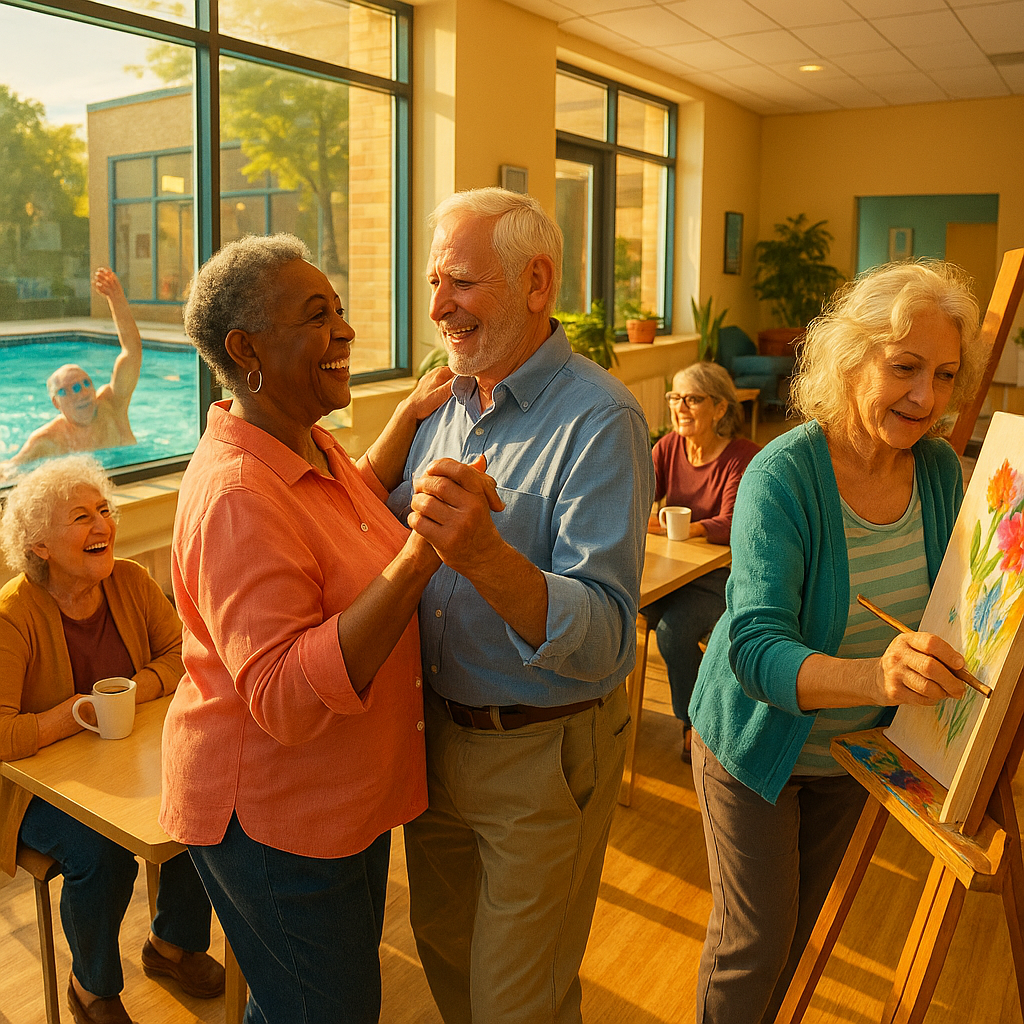
Move Your Body Regularly: You don’t need a gym membership or fancy equipment. Aim for at least 150 minutes of moderate activity each week—walking, gardening, dancing, swimming, or cycling. Add strength exercises twice a week using resistance bands, light weights, or your own body weight. Movement protects your heart, builds muscle, strengthens bones, and lifts your mood.
Prioritize Social Connections: Loneliness is a health risk, while connection is medicine. Call a friend weekly. Join a book club, volunteer group, or hobby class. Video chat with grandchildren. Attend community events. These connections don’t just make life enjoyable—they literally add years to your life.
Keep Your Brain Stimulated: Learn something new that challenges you. Pick up an instrument, study a language, try painting, master a new technology, or take up chess. The struggle of learning rewires your brain and builds cognitive resilience. Embrace the beginner’s mindset—it’s good for your neurons.
Eat for Vitality: Focus on whole foods—vegetables, fruits, whole grains, lean proteins, and healthy fats. The Mediterranean diet consistently shows up in longevity research as supporting heart health, brain function, and healthy aging. Stay hydrated, limit processed foods, and enjoy meals with others when possible.
Sleep Well: Quality sleep is when your body repairs itself and your brain consolidates memories. Aim for seven to nine hours nightly. Create a consistent bedtime routine, keep your bedroom cool and dark, limit screen time before bed, and address sleep issues with your doctor rather than accepting poor sleep as normal.
Protect Your Health Proactively: Stay current with preventive care—screenings, vaccinations, dental checkups, and vision and hearing tests. Manage chronic conditions carefully. Work collaboratively with your healthcare team. Regular monitoring catches issues early when they’re most treatable.
Manage Stress Mindfully: Chronic stress accelerates aging at the cellular level. Find stress management techniques that work for you—meditation, deep breathing, yoga, tai chi, time in nature, or creative pursuits. Even five minutes of daily mindfulness can lower stress hormones and support healthy aging.
Embrace Technology Inclusively: Technology can support active aging beautifully. Use apps to track activity, connect via video calls, explore online learning, manage medications, or pursue virtual hobbies. Don’t let technology intimidate you—there are resources and people ready to help you learn.
Sarah, 70, discovered digital photography last year through a community center class. Now she takes daily walks specifically to capture interesting images, shares them with an online photography group, and has even sold a few prints. Technology opened a creative outlet she didn’t know she had.
Supporting Active Aging: The Public Health Perspective
Individual choices matter enormously, but creating a society that supports active aging requires collective action. Public health leaders are calling for expanded access to community-based programs that make physical activity, social engagement, and lifelong learning accessible to all seniors regardless of income or location.
Age-friendly environments matter too. Walkable neighborhoods with safe sidewalks, accessible public transportation, senior centers offering diverse programming, parks with suitable exercise equipment, and community spaces that welcome intergenerational interaction all support active aging. When cities and towns prioritize these features, residents age better.
Preventive care must become the norm rather than the exception. Healthcare systems that emphasize prevention, screen for social isolation and cognitive decline, and provide resources for lifestyle interventions help people address issues before they become crises. Medicare’s coverage of annual wellness visits is a step in this direction, but many seniors still don’t take advantage of these preventive opportunities.
The vision is retirement communities—whether physical neighborhoods or virtual networks—where staying active, connected, and engaged is the path of least resistance rather than something requiring extraordinary effort.
A Word of Caution: Avoiding the Hype
As interest in longevity grows, so does the market for products promising miraculous age reversal. You’ve probably seen ads for anti-aging supplements, telomere-lengthening pills, or hormone therapies claiming to turn back the clock.
Be skeptical. While longevity science is advancing rapidly, most products marketed as anti-aging solutions lack solid evidence. Some may be harmless but ineffective; others could have serious side effects. The fundamentals—movement, nutrition, sleep, social connection, stress management, and preventive care—have decades of research supporting them and no downside.
Stay informed about genuine scientific developments, but put your energy and resources into well-supported lifestyle strategies. There’s no pill that can substitute for a life well-lived, and anyone claiming otherwise is selling something.
Quick Takeaways for Your Next Chapter
Let’s wrap up with some social-media-ready reminders you can return to anytime:
Move it or lose it: Regular activity is the closest thing we have to a fountain of youth. Find movement you enjoy and do it consistently.
Connection is protection: Your relationships are as vital to health as any medication. Invest in them.
Learn something new: Your brain thrives on novelty and challenge. Be a lifelong learner.
Eat real food: Nutrition directly impacts how you age. Choose whole, colorful, nourishing foods.
Sleep is sacred: Prioritize quality rest—your body and brain depend on it.
Prevention pays: Stay on top of health screenings and address issues early.
Stress less, live more: Find healthy ways to manage life’s pressures.
Tech can help: Don’t let digital tools intimidate you—embrace what enhances your life.
Your next chapter doesn’t have to be about decline, limitation, or settling for less. It can be about discovery, growth, vitality, and purpose.
At SilverSmart, we believe retirement should be a journey of continuous discovery and fulfillment. Through personalized experiences and curated opportunities for exploration, we help seniors unlock new passions and thrive in their golden years. Because the best years of your life aren’t behind you—they’re waiting to be discovered, one curious step at a time.
Your next chapter is yours to write. Make it vital. Make it connected. Make it yours.