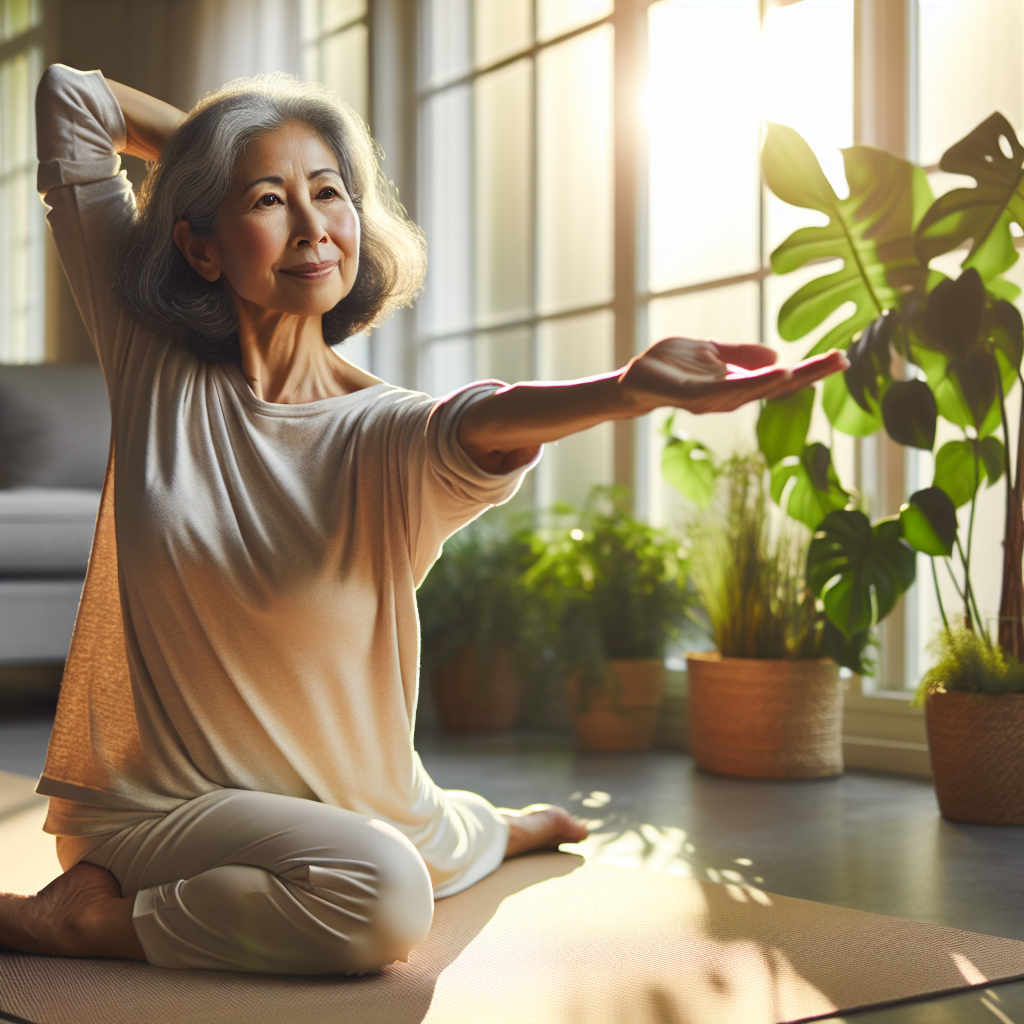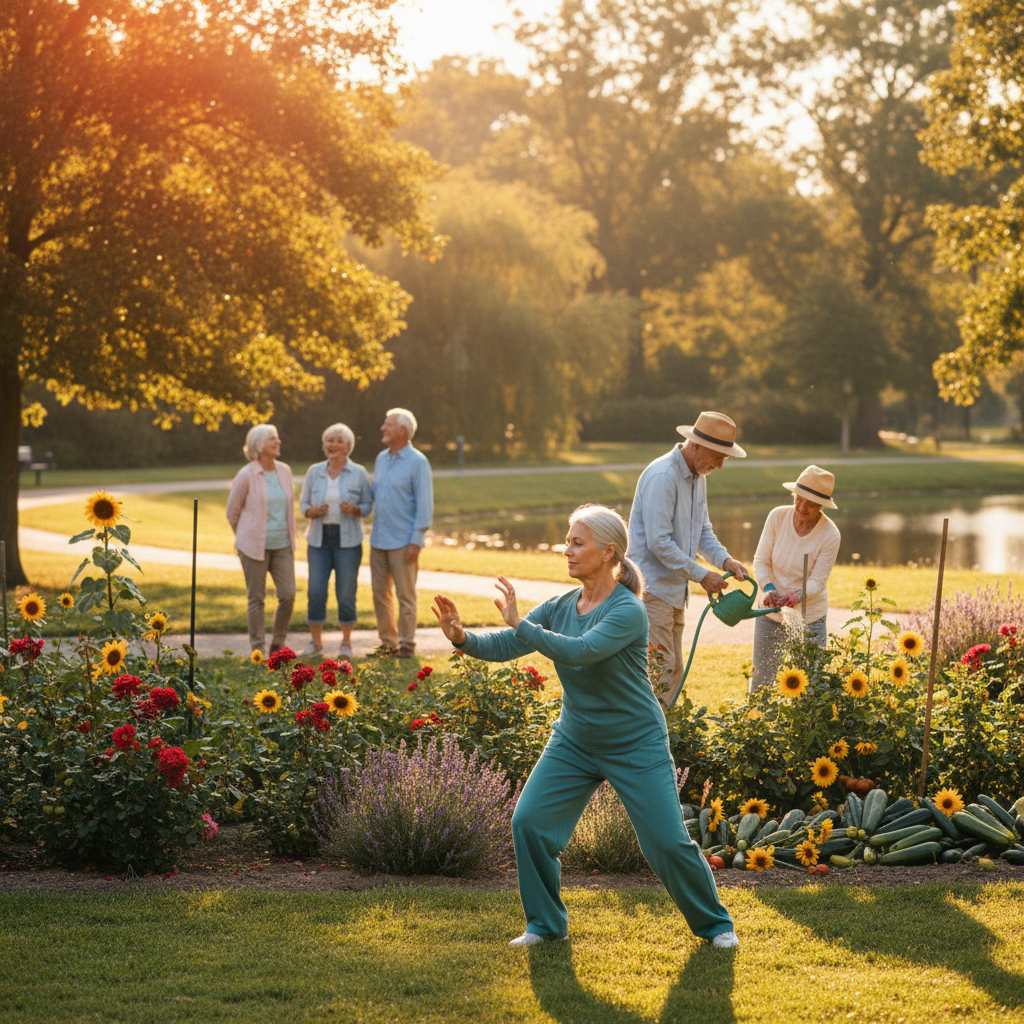
Remember when you thought retirement meant slowing down? Well, think again! Active aging is about creating a lifestyle that keeps you vibrant, engaged, and genuinely excited about each new day. It’s not about forcing yourself into a one-size-fits-all routine—it’s about discovering activities and programs that feel like they were designed just for you, ones that sync perfectly with your natural rhythm and personal interests.
The key to thriving in retirement isn’t just staying busy; it’s finding the right kind of busy. Just like your favorite playlist needs the perfect mix of songs to keep you energized throughout the day, your active aging journey needs a blend of programs that match your personality, energy levels, and goals. Whether you’re an early bird who loves morning yoga or a night owl who prefers evening social gatherings, there’s an active aging program out there waiting to become part of your daily soundtrack.
Understanding What Active Aging Really Means
Let’s get clear on what we’re talking about here. Active aging isn’t just about physical exercise—though that’s certainly part of it. It’s a comprehensive approach to maintaining your functional ability, which is your capacity to be and do what you value. Think of it as keeping all your options open: the ability to visit your grandchildren across the country, learn a new language, volunteer at your local community center, or finally master that musical instrument you’ve always admired.
The active aging model recognizes that healthy aging goes far beyond just avoiding illness. It’s about optimizing opportunities for physical health, mental well-being, and social participation. When you choose programs aligned with this model, you’re not just checking boxes on a fitness chart—you’re building a life that feels rich, meaningful, and authentically yours.
Here’s something important: accessibility matters tremendously. The best active aging programs understand that everyone starts from a different place. Maybe you’re dealing with arthritis, or perhaps you’re recovering from a recent health setback. Inclusive options ensure that regardless of where you’re starting, there’s a pathway forward that works for you. Programs designed with accessibility in mind don’t make you feel left out—they welcome you in and meet you exactly where you are.
And let’s talk about social connections for a moment. When you join an active aging program, you’re not just signing up for an activity—you’re opening doors to friendships, laughter, and shared experiences. Research consistently shows that older adults who maintain strong social connections live longer, healthier lives. The programs that truly enhance your daily rhythm are the ones that help you feel connected to something bigger than yourself.

What’s Out There? A World of Options
The variety of active aging programs available today is genuinely exciting. You’ve got evidence-based physical activities like strength training classes specifically designed for seniors, water aerobics that are gentle on joints while providing excellent resistance, and balance programs that can help prevent falls and keep you steady on your feet.
Community centers have become hubs for active aging, offering everything from art classes and book clubs to dance sessions and gardening workshops. These programs often provide the perfect balance of structure and flexibility, giving you regular touchpoints with others while allowing you to participate at your own pace. Plus, they’re usually budget-friendly and conveniently located—two factors that can make or break your commitment to showing up regularly.
Then there’s the digital revolution that’s transformed how we access programs. Online resources and virtual classes mean you can participate in everything from tai chi to creative writing workshops without leaving your living room. This is particularly valuable on days when weather, transportation, or energy levels make getting out less appealing. Virtual options also open up possibilities to explore interests that might not have local offerings in your area.
Don’t overlook specialized programs like SilverSneakers, which partners with gyms nationwide to provide fitness access to older adults, often at no additional cost if you’re a Medicare member. There are also walking clubs, hiking groups, volunteer organizations, and lifelong learning programs at universities specifically designed for retirees who want to keep their minds sharp and engaged.
The beauty of this variety is that you’re not limited to just one thing. Your perfect active aging routine might include a Monday morning strength class, Wednesday afternoon volunteering, Friday book club, and Sunday nature walks. The goal is to explore what’s available and start piecing together your personalized mosaic of activities.
Finding Your Perfect Match
So how do you actually choose? Start by getting honest with yourself about your goals. Are you primarily focused on maintaining mobility and physical strength? Are you craving more social interaction? Do you want to learn new skills or rediscover old passions? Maybe you want all of the above—and that’s perfectly fine!
Write down what matters most to you. If preventing falls and maintaining independence tops your list, programs emphasizing balance, strength, and flexibility should be priorities. If combating loneliness is your main concern, look for group activities with strong social components. If mental stimulation drives you, seek out programs that challenge you cognitively, like learning new languages, playing strategy games, or taking up complex hobbies.
Next, take an honest assessment of your current health status. This isn’t about being pessimistic—it’s about being smart. Talk with your healthcare provider about what activities are appropriate for you. If you have joint issues, high-impact aerobics probably isn’t your best starting point, but water aerobics or chair yoga might be perfect. If you’re managing a chronic condition, certain programs may actually be specifically designed to help you manage it better.
Logistics matter more than you might think. A program might sound amazing on paper, but if it requires a 45-minute drive each way, will you realistically stick with it? Consider location, timing, cost, and transportation needs. Sometimes the “pretty good” program that’s five minutes from your house and perfectly aligned with your natural schedule will serve you far better than the “perfect” program that’s inconveniently located.
Here’s a pro tip: start with a trial period. Many programs offer free introductory sessions or short-term memberships. Take advantage of these! Try several different options before committing fully. You might be surprised by what resonates with you. That painting class you thought would be boring? It might become your weekly highlight. The high-energy dance program you were excited about? You might discover it leaves you exhausted rather than energized.
Don’t be shy about asking questions before you commit. Talk to program staff about modifications for different ability levels, the typical age range of participants, and what a typical session looks like. Better yet, ask if you can observe a session before participating. The more information you have, the better equipped you’ll be to make choices that truly fit your daily rhythm.
The Real Benefits (Beyond Just Staying Busy)
Let’s talk about what participating in the right active aging programs can actually do for you. First, the physical benefits are substantial and backed by solid research. Regular participants in active aging programs tend to maintain better balance and coordination, which translates directly to fall prevention—a huge concern as we age. They maintain muscle mass and bone density, keeping them stronger and more capable of handling daily tasks independently.
But here’s something interesting: moderate-intensity physical activity for at least 150 minutes weekly—that’s just 30 minutes, five days a week—reduces your risk of death from any cause by 31%. That’s not a small number! We’re talking about activities as simple as brisk walking, gardening, or dancing. Programs that help you meet this threshold in enjoyable ways are literally life-extending.
The mental benefits surprise many people. Physical activity stimulates cognitive function and may help slow cognitive decline. But it’s not just the movement—it’s the learning, the social interaction, the novelty of new experiences. When you’re learning pottery techniques or memorizing choreography for your dance class, you’re building new neural pathways. When you’re laughing with friends at your walking club, you’re reducing stress hormones and boosting mood-enhancing chemicals in your brain.
Social connectedness deserves its own spotlight. Loneliness isn’t just uncomfortable—it’s genuinely harmful to health, comparable to smoking 15 cigarettes a day in terms of health impact. Active aging programs combat this by creating natural opportunities for friendship and community. You’re not just showing up for an activity; you’re becoming part of a group of people who share your interests and who’ll notice if you’re missing.
Then there’s the independence factor. The more capable you remain physically and mentally, the longer you can maintain your independence and make your own choices about how and where you live. Programs that keep you strong, mobile, and mentally sharp are insurance policies against becoming dependent on others before you truly need to be.
Finally—and this might be the most important benefit of all—the right programs bring joy. They give you something to look forward to, reasons to get up in the morning, stories to share with family. When your daughter asks how your week was, wouldn’t you rather tell her about the fascinating lecture you attended or the new friend you made at your fitness class rather than saying you watched TV all week?
Overcoming the Obstacles
Let’s be real: there are legitimate barriers that might be holding you back from diving into active aging programs. Cost is a big one. Some programs can be pricey, and if you’re on a fixed income, spending money on activities might feel irresponsible. But here’s what many people don’t realize: there are tons of free or low-cost options specifically designed for seniors. Community centers, senior centers, libraries, and parks departments often offer programs at minimal cost or on a sliding scale. Many gyms and YMCAs offer senior discounts that make membership surprisingly affordable. And don’t forget to check if your Medicare Advantage plan includes fitness benefits—many do!
Transportation poses another common challenge. If you don’t drive anymore or prefer not to, getting to programs can feel impossible. Solutions exist, though. Look for programs offered close to home—within walking distance or on public transit routes. Many communities offer senior transportation services specifically to help with this issue. Virtual programs eliminate transportation barriers entirely. Or consider carpooling with other program participants; it’s a great way to build friendships while solving a practical problem.
Physical limitations might make you hesitate. “I can’t do that—I have bad knees,” or “I’m not flexible enough for yoga,” or “I’ve never been athletic.” Here’s the truth: the best active aging programs are designed for real people with real limitations. Chair yoga is yoga. Walking is exercise. Gentle stretching counts. Look for programs specifically marketed as “gentle,” “adaptive,” or “beginner-friendly.” Don’t let perfect be the enemy of good enough.
Sometimes the biggest barrier is psychological. You might feel self-conscious about being a beginner, worry about looking foolish, or fear you’re too old to start something new. First, remember that everyone in a senior program is in the same age group—you’re not the odd one out. Second, most people are far too focused on their own experience to judge yours. Third, starting something new takes courage at any age, and that courage deserves celebration, not criticism.
If you’re feeling overwhelmed by choices, start small. Pick one thing. Just one. Try it for a month. Then reassess. You don’t need to have your entire active aging routine figured out from day one. This is a journey of discovery, not a test with right and wrong answers.
Your Quick-Action Checklist to Get Started
Ready to find your rhythm? Here’s your game plan:
Step 1: Define Your Why
Spend 15 minutes writing down what you want from an active aging program. Physical health? Mental stimulation? Social connections? New skills? Be specific. This becomes your north star when evaluating options.
Step 2: Take Stock of Your Starting Point
Schedule a checkup with your healthcare provider. Get clearance for physical activities and discuss any limitations. Be honest about your current fitness level, energy patterns, and any health concerns.
Step 3: Scout Your Options
Make a list of available programs in your area and online. Check your local senior center, community center, library, gym, and park district. Search online for virtual options. Ask friends what they’re doing—word-of-mouth recommendations are gold.
Step 4: Try Before You Buy
Sign up for trial sessions or one-time classes in different types of programs. Try at least three different activities before making any long-term commitments. Pay attention to how you feel during and after each activity.
Step 5: Mix It Up
Don’t put all your eggs in one basket. Create a weekly routine that includes different types of activities—physical, social, creative, and mental. This variety keeps things interesting and covers all aspects of active aging.
Step 6: Give It Time, But Be Willing to Pivot
Commit to any new program for at least 4-6 weeks before deciding if it’s right for you. Some activities take time to grow on you. But if something truly isn’t working after a fair trial, don’t force it. Move on and try something else.
Step 7: Track and Celebrate
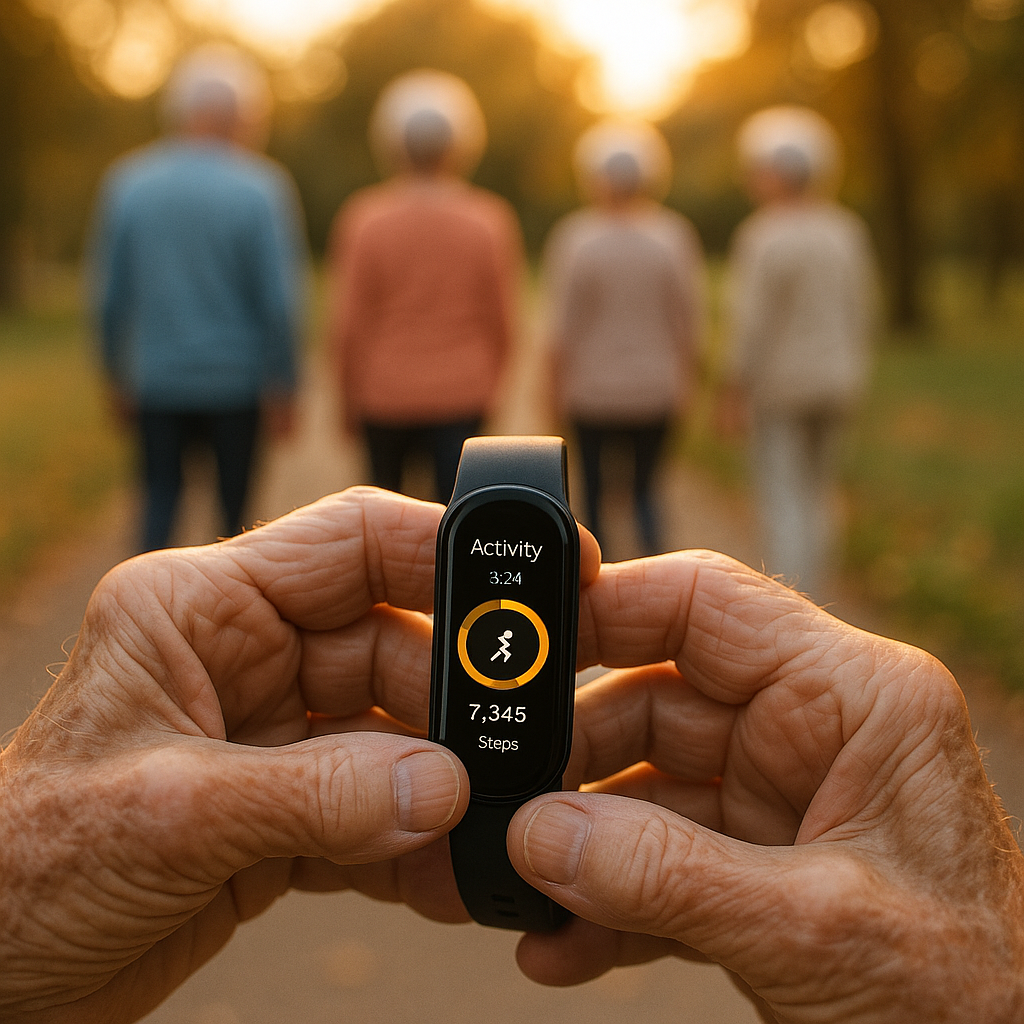
Keep a simple log of your activities and how they make you feel. Notice what energizes you versus what drains you. Celebrate milestones, whether that’s attending your tenth class, making a new friend, or mastering a new skill.
Step 8: Stay Flexible
Your needs and interests will evolve. Reassess your program mix every few months. Drop what’s no longer serving you, add new activities that sound intriguing. Your active aging routine should grow and change with you.
The perfect active aging program isn’t out there waiting to be found—it’s something you create by exploring, experimenting, and listening to what brings you joy and vitality. At SilverSmart, we believe retirement should be your most exciting chapter yet, filled with discovery and growth. The programs you choose should make you feel more alive, not like you’re checking off obligations.
So here’s your challenge: this week, take one concrete step toward finding your rhythm. Research one program, make one phone call, attend one trial class. Just one step. That’s how every great journey begins—with deciding to start, and then actually starting. Your vibrant, engaged, thriving retirement is waiting. What rhythm will you choose?