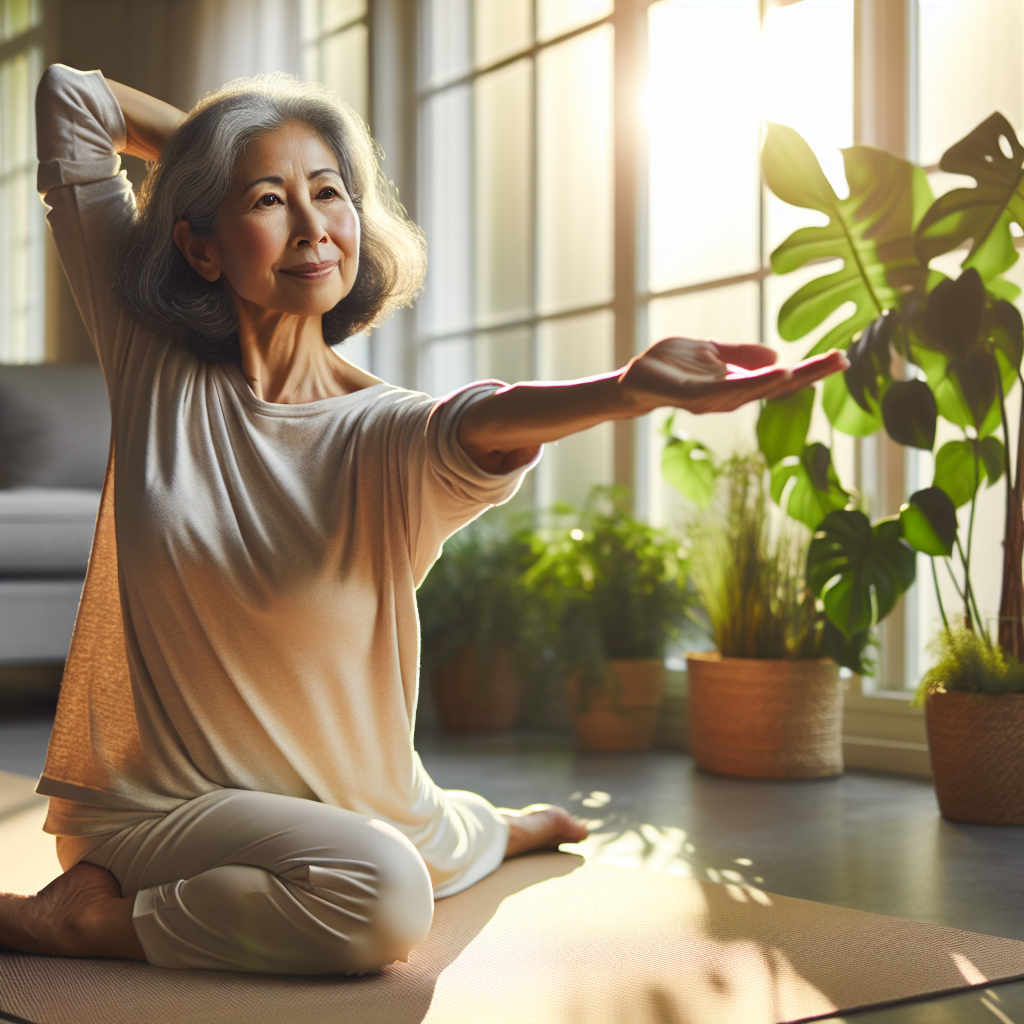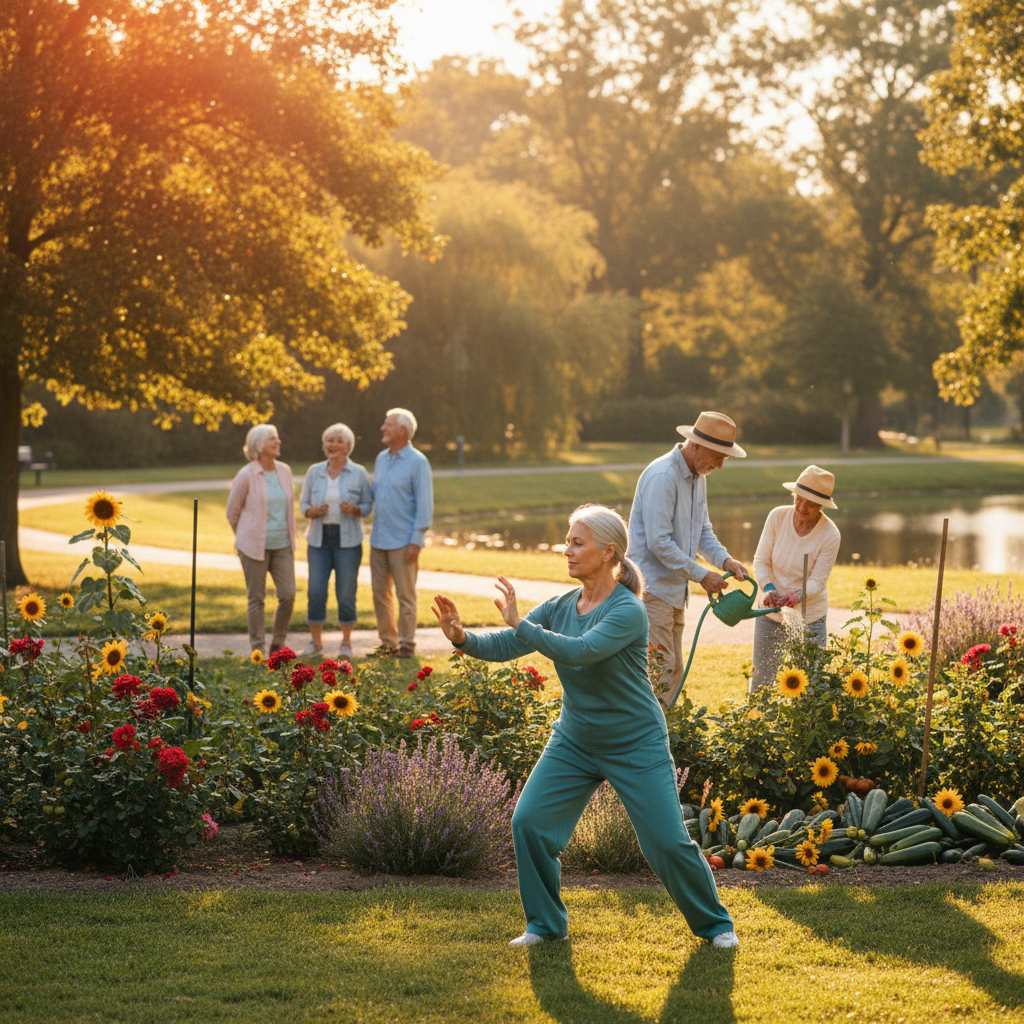
Retirement used to mean slowing down, settling into a quiet routine, and watching life pass by from the comfort of a rocking chair. But today’s retirees are rewriting that script entirely. Active ageing—the concept of maximizing health, participation, and security to enhance quality of life as we grow older—has transformed the golden years into a time of vibrant exploration and renewed purpose.
At its heart, active ageing is about staying engaged with life in all its dimensions. It’s about maintaining physical health through movement, nurturing mental wellness through continuous learning, and fostering meaningful social connections that combat isolation. The benefits are remarkable: improved mobility and balance that reduce fall risks, sharper cognitive function that keeps minds nimble, and a sense of belonging that lifts spirits and adds years to life. Research consistently shows that active older adults not only enjoy better quality of life but also tend to live longer, healthier lives.
The beauty of active ageing lies in its diversity. There’s no single path to thriving in retirement—it’s about discovering what lights you up and pursuing it with passion. Whether through physical activity, creative pursuits, community service, or embracing new technologies, today’s seniors are proving that 70 can truly be the new prime. Let me share four inspiring stories that illustrate just how transformative this approach can be.
Margaret’s Morning Revolution: Finding Strength in Community
Margaret had always been active during her working years, but after retiring at 68, she found herself spending more time on the couch than she’d ever imagined. The structure of daily work had vanished, and with it, her motivation to move. Six months into retirement, she noticed climbing stairs left her winded, and her energy levels had plummeted. More troubling was the loneliness that crept in as her former colleagues moved on with their busy lives.
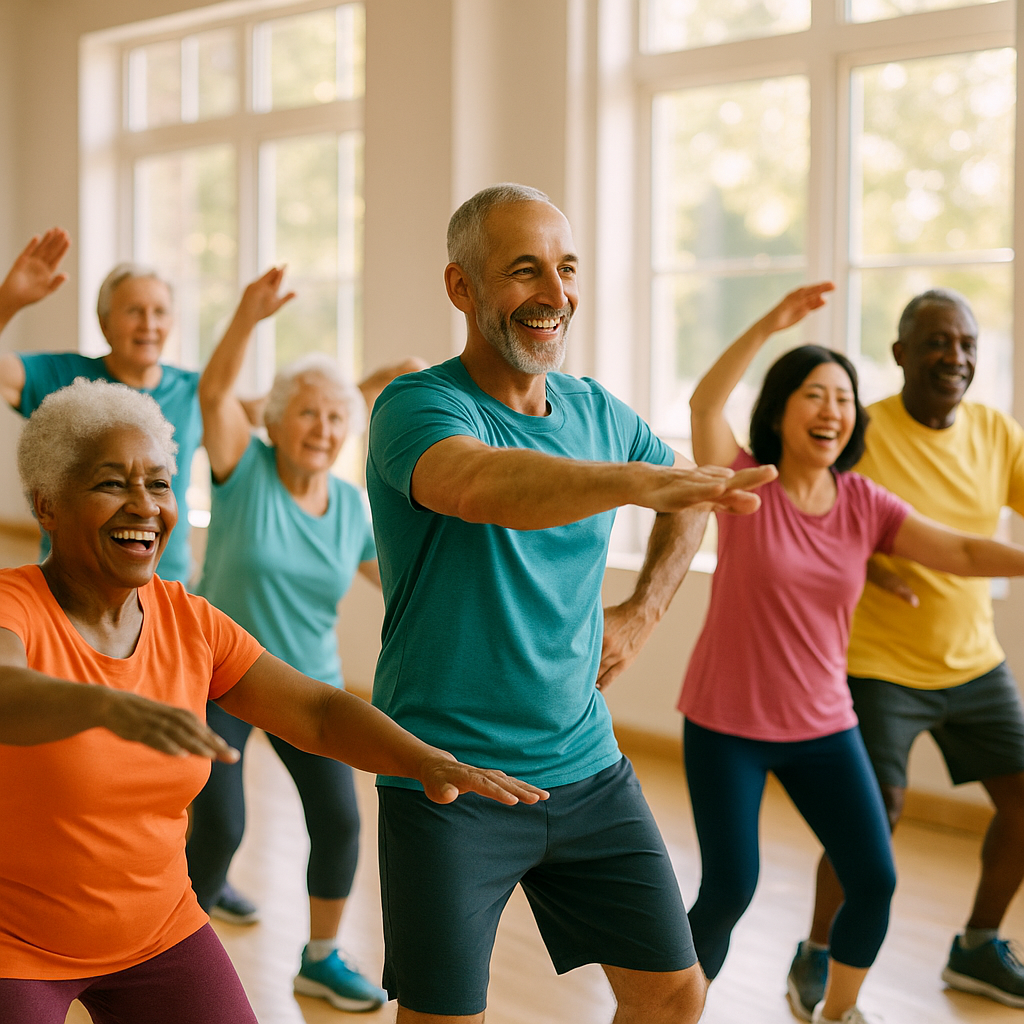
Everything changed the day her daughter suggested she try a senior fitness class at the local community center. Margaret was hesitant—she’d never been to a gym and worried about keeping up. But on a Tuesday morning, she walked through those doors and discovered something unexpected: a room full of people just like her, laughing, encouraging each other, and moving to upbeat music with enthusiasm that was contagious.
The class combined gentle cardio, strength training with light weights, and balance exercises—all adapted to different fitness levels. Margaret started slowly, but week by week, she grew stronger. The instructor, a vibrant woman in her sixties herself, knew everyone by name and celebrated each small victory. When Margaret successfully completed a full set of wall push-ups after a month, the entire class cheered.
But the transformation went far beyond physical improvements. Margaret joined a walking club that met three mornings a week, rain or shine. The group would explore different neighborhood trails, chatting about everything from grandchildren to world events. Exercise became social time, and social time became the highlight of her week. She formed friendships with women who understood the unique challenges and joys of this life stage.
Eighteen months later, Margaret radiates health and purpose. She can hike with her grandchildren without losing her breath, her balance has improved dramatically, and she hasn’t had a fall since starting the program. More importantly, she’s rediscovered her sense of community and belonging. She’s even begun leading beginner walking sessions herself, paying forward the gift she received. “I didn’t just find fitness,” Margaret says. “I found my tribe and remembered what it feels like to be truly alive.“
Thomas’s Canvas: Painting a New Chapter Through Art
Thomas spent 40 years as an accountant, a career built on precision, numbers, and logic. When he retired at 70, he expected to enjoy leisurely days reading and tending his garden. But after a few months, something felt missing. The intellectual stimulation he’d taken for granted during his working years had vanished, and he found himself feeling restless and, frankly, a bit bored.
His wife noticed an announcement for beginner art classes at the local senior center—watercolor painting for people with no experience required. Thomas laughed it off at first. “I can barely draw a stick figure,” he protested. But his wife persisted, and eventually, curiosity won out. What did he have to lose?
That first class was revelatory. Thomas discovered that art wasn’t about perfection or innate talent—it was about expression, experimentation, and the joy of creating something with your own hands. This type of active aging activity transforms ordinary retirement days into meaningful experiences. The instructor encouraged students to embrace mistakes as “happy accidents” and to focus on the process rather than the outcome. Thomas found himself completely absorbed, mixing colors, watching paint bloom across wet paper, and losing track of time in a way he hadn’t experienced in years.
The cognitive benefits were immediate. Learning new techniques challenged his brain in entirely different ways than his accounting career had. He had to visualize compositions, understand color theory, develop hand-eye coordination, and make creative decisions on the fly. Research shows that engaging in arts and creative activities stimulates multiple brain regions, enhancing cognitive function and potentially reducing the risk of cognitive decline.
But beyond the mental workout, Thomas found community and purpose. His art class became a weekly gathering of friends who shared not just techniques but life stories, laughter, and encouragement. They organized small exhibitions at local coffee shops and community centers, giving Thomas something to work toward and a reason to keep improving. The act of creating art reduced the isolation he hadn’t even realized he was feeling.
Three years later, Thomas’s home is filled with his watercolor paintings—landscapes from local parks, portraits of his grandchildren, abstract explorations of color and form. He’s expanded into acrylics and recently joined a music appreciation group at the senior center, further feeding his newly awakened creative spirit. “I spent 40 years thinking I wasn’t a creative person,” Thomas reflects. “Turns out I just needed the time and courage to discover that side of myself. Retirement gave me permission to be a beginner again, and that’s been the greatest gift.“
Linda’s Legacy: Bridging Generations Through Service
Linda retired from teaching at 69, leaving behind 35 years of shaping young minds in elementary classrooms. While she looked forward to slower mornings and more time with family, she quickly realized that her sense of purpose had been deeply tied to her work with children. She missed the energy, the curiosity, and the feeling that she was making a tangible difference in the world.
Six months into retirement, Linda saw a notice at her local library seeking volunteers for a reading mentor program. Elementary students who struggled with reading were paired with volunteers for one-on-one sessions twice a week. Linda’s heart leaped—this was her wheelhouse, and it required just a few hours weekly, leaving plenty of time for other retirement activities.
The program matched Linda with Sofia, a shy second-grader who approached books with more anxiety than enthusiasm. Twice a week, Linda and Sofia would curl up in the cozy reading corner of the library, working through picture books at Sofia’s pace. Linda brought patience, creativity, and decades of teaching experience to each session, making reading feel like play rather than work.
The transformation was mutual. As Sofia’s confidence grew and her reading skills improved, Linda felt that familiar spark of purpose reignite. She wasn’t just helping a child learn to read; she was opening doors to entire worlds. The intergenerational connection enriched both their lives. Sofia gained a caring mentor who believed in her, while Linda gained a sense of meaningful contribution and the joy of watching a child blossom.
Research on intergenerational activities consistently shows benefits for both age groups. Older adults who engage with youth report reduced feelings of isolation, increased sense of purpose, and improved mental health. Young people benefit from the wisdom, patience, and undivided attention that older mentors provide. These programs strengthen social fabric and create bonds that transcend age differences.
Linda’s involvement expanded over time. She became a coordinator for the reading program, recruiting and training other retired teachers. She organized storytelling events where volunteers would read to groups of children, bringing books to life with enthusiasm and theatrics. The library became her second home, a place where her skills and experience found new purpose.
Now 73, Linda mentors not just children but also newly retired teachers looking for meaningful volunteer opportunities. “Retirement doesn’t mean stopping,” she tells them. “It means redirecting your gifts to where they’re needed most. I may not be in a classroom anymore, but I’m still a teacher at heart. This program lets me share what I’ve learned while staying connected to the next generation. It keeps me young, engaged, and grateful every single day.“
Robert’s Digital Discovery: Connecting Across Miles and Generations
Robert, a 72-year-old former construction manager, had always been somewhat technology-averse. He used a basic cell phone for calls and owned a computer but rarely ventured beyond email. When the pandemic hit shortly after his retirement, he found himself suddenly cut off from his family. His daughter lived across the country with his three grandchildren, and his weekly coffee meetups with old friends came to an abrupt halt.
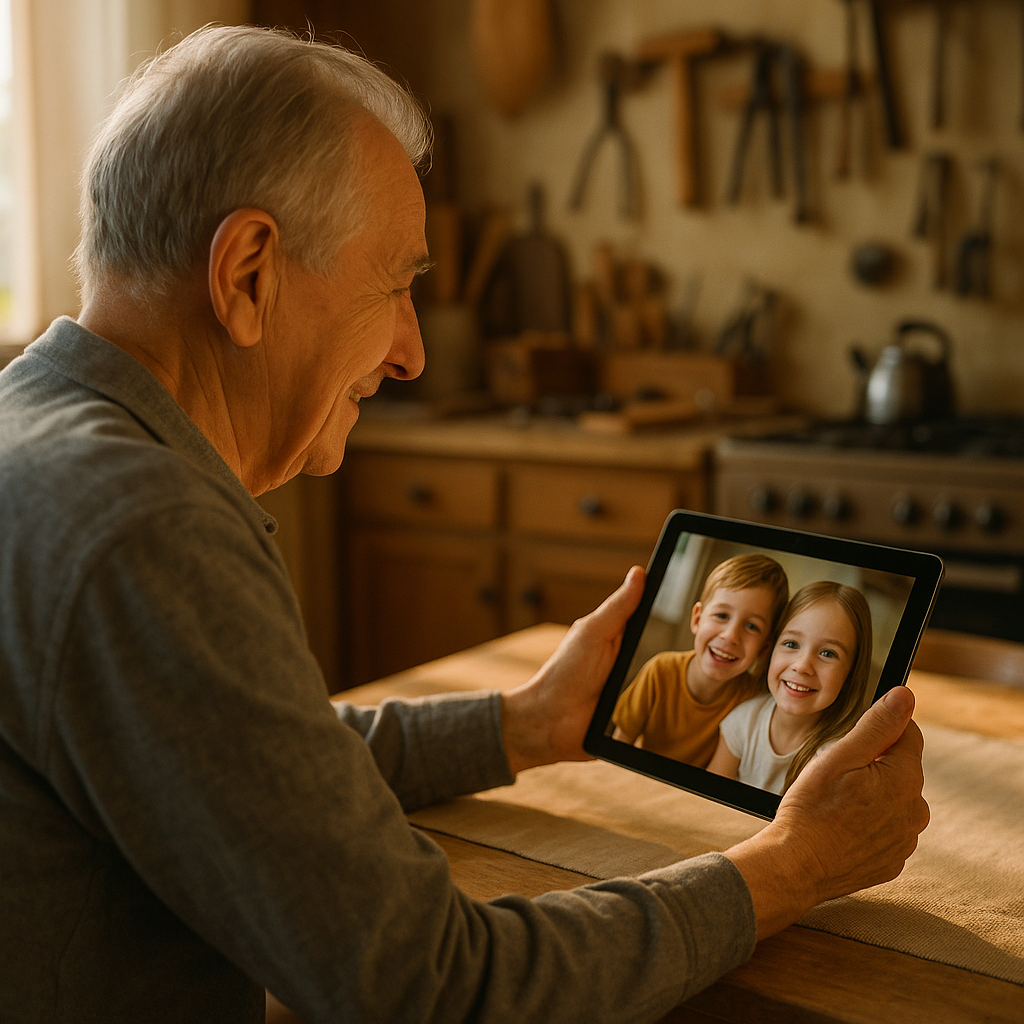
The isolation hit Robert hard. Video calls seemed complicated and intimidating, and he worried about making mistakes or “breaking” something. But his loneliness became a stronger motivator than his fear. His daughter sent him a tablet and patiently walked him through setting up video calling, step by careful step over the phone.
That first video call with his grandchildren was magical—and a bit comical. Robert held the tablet at odd angles, accidentally muted himself twice, and at one point, viewers had a lovely view of his ceiling. But when he finally got it right and saw his grandchildren’s faces lighting up the screen, laughing and waving at him, something clicked. This technology thing wasn’t so scary after all. It was a bridge to the people he loved most.
Emboldened by that success, Robert decided to explore further. He enrolled in a digital literacy class for seniors at his local library, where patient instructors taught basics like internet searching, email attachments, and social media. The class itself became a social activity—a room full of seniors laughing at their mistakes and celebrating their victories together.
Robert discovered online communities centered around his lifelong hobby of woodworking. He joined forums where craftspeople shared projects, tips, and encouragement. He learned to post photos of his own work and received feedback from woodworkers around the world. The technology that had once intimidated him now connected him to a global community of people who shared his passion.
He expanded his digital skills to include online shopping, which proved invaluable during pandemic lockdowns. He learned to use meditation apps that helped him manage stress and sleep better. He discovered streaming services that gave him access to documentaries and movies his friends recommended. Each new skill built his confidence and opened new possibilities.
Most importantly, technology helped Robert maintain and even strengthen family bonds despite the distance. He video-called his grandchildren for bedtime stories, attended their virtual school events, and shared photos of his woodworking projects instantly. His weekly video coffee chats with old friends replaced their in-person meetings and, surprisingly, happened more consistently because no one had to drive anywhere.
Technology-enabled participation has proven crucial for older adults, especially those in rural areas or with mobility challenges. Digital tools provide access to healthcare through telemedicine, educational resources through online courses, and social connection through video platforms and online communities. Studies show that seniors who embrace digital technology report reduced feelings of isolation and improved overall quality of life.
Today, Robert is the tech support person for several friends his age, helping them set up tablets and teaching them video calling. He’s living proof that it’s never too late to learn new skills and that technology, far from being cold and impersonal, can be the warmest bridge between hearts separated by miles.
Your Journey Starts Today
These four stories—Margaret finding community through fitness, Thomas discovering creativity through art, Linda bridging generations through service, and Robert embracing technology for connection—illustrate the diverse paths active ageing can take. There’s no single right way to thrive in retirement. The key is discovering what brings you joy, purpose, and engagement.
If these stories resonate with you, consider taking your first step today. Visit your local community center or senior center to explore group fitness classes, art workshops, or hobby clubs. The structure and social element make it easier to stay committed, and you might be surprised by the friendships you form.
Look into volunteer opportunities in your area. Libraries, schools, hospitals, and nonprofits are always seeking the wisdom and experience that retirees bring. Whether it’s mentoring youth, helping at food banks, or supporting literacy programs, giving back creates meaning and connection.
Don’t let technology intimidate you. Many libraries and community centers offer free digital literacy classes designed specifically for seniors. Start small—learn to video call, explore an online hobby group, or discover apps related to your interests. Each small victory builds confidence for the next step.
Explore new hobbies you’ve always been curious about but never had time for. Take that cooking class, join a book club, learn an instrument, or try your hand at photography. Discover ways to unlock your creative potential and find activities that bring joy to your retirement. Retirement is your permission slip to be a beginner again, to experiment without pressure, and to discover passions you didn’t know you had.
Active ageing isn’t about being busy for the sake of being busy. It’s about intentionally choosing engagement over isolation, growth over stagnation, and connection over loneliness. It’s about recognizing that retirement isn’t an ending but a beginning—a chance to explore who you are when the obligations of career and raising children have lifted.
The science is clear: staying physically active, mentally engaged, and socially connected doesn’t just add years to your life; it adds life to your years. Learn more about the proven benefits of active aging and how it transforms retirement quality. You’ll enjoy better mobility, sharper thinking, improved mood, and the deep satisfaction that comes from meaningful relationships and purposeful activities.
Your 70s—or 60s, or 80s—can truly be your prime. These years hold incredible potential for discovery, growth, and fulfillment. Like Margaret, Thomas, Linda, and Robert, you have the power to design a retirement that reflects your passions, values, and dreams. The journey of active ageing isn’t about following someone else’s path. It’s about discovering your own, one curious, courageous step at a time.
So what will your story be? What will you discover, explore, and thrive in during your golden years? The adventure is waiting. All you have to do is begin.