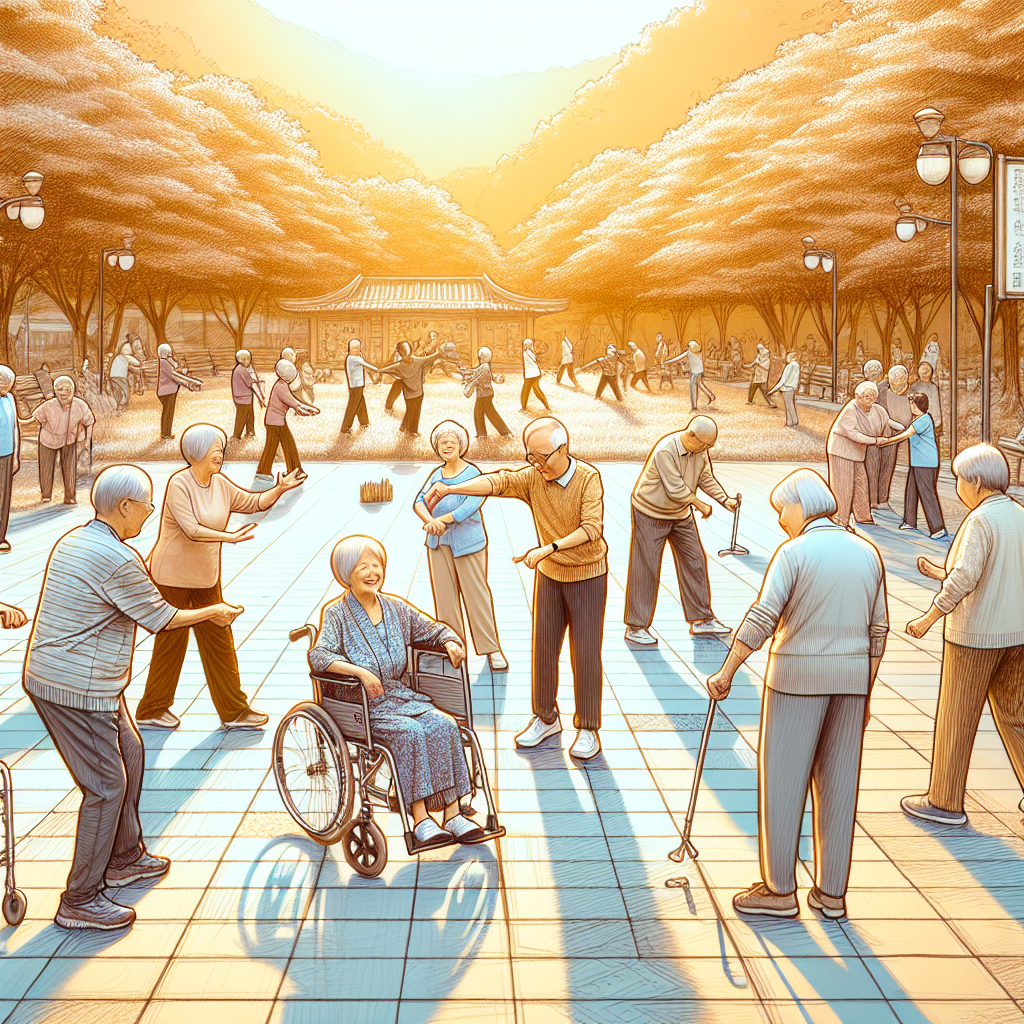
Growing older doesn’t mean slowing down—it means discovering new ways to thrive. Yet surprisingly, 80% of seniors overlook simple daily habits that could dramatically improve their quality of life during retirement. A healthy aging program for older adults isn’t about dramatic lifestyle overhauls or complicated routines. It’s about embracing small, sustainable changes that preserve independence, boost vitality, and open doors to new adventures.
Think about it: What if the secret to vibrant aging wasn’t found in expensive treatments or restrictive diets, but in the everyday choices we make? From the morning stretch that strengthens your balance to the glass of water you drink with lunch, these seemingly minor habits create a foundation for years of active, fulfilling retirement. The goal isn’t just to add years to your life—it’s to add life to your years.
Moving Your Body: The Foundation of Healthy Aging
Physical activity stands as the cornerstone of any healthy aging program for older adults. Regular movement doesn’t just keep muscles strong—it protects your independence, sharpens your mind, and reduces your risk of falls by up to 40%. The beauty of exercise in retirement is that it doesn’t require gym memberships or intense workouts. What matters most is consistency and variety.
A well-rounded exercise routine includes four essential components: strength, balance, endurance, and flexibility. Strength training helps you carry groceries, play with grandchildren, and maintain bone density. Balance exercises reduce fall risk, while endurance activities like walking keep your heart healthy. Flexibility work, such as gentle stretching, maintains your range of motion for daily tasks.
Consider joining an Otago Exercise Program, specifically designed for older adults to improve strength and balance through simple home exercises. Or explore Tai Chi classes, which combine graceful movements with meditation, improving both physical stability and mental calm. Many seniors find that water aerobics provides a joint-friendly way to stay active, while gardening offers exercise disguised as a hobby.
The key is finding activities you genuinely enjoy. Sarah, a 73-year-old from Portland, transformed her health by committing to just 20 minutes of morning yoga and an afternoon walk around her neighborhood. “I never thought of myself as an ‘exercise person,'” she shares, “but now I look forward to my routine. I sleep better, my joints feel less stiff, and I’ve met wonderful neighbors on my walks.”
Start small. If you’re new to exercise, begin with 10-minute sessions and gradually increase. The goal is 150 minutes of moderate activity per week—that’s just 30 minutes, five days a week. Break it into smaller chunks if needed. Three 10-minute walks equal one 30-minute session and deliver the same benefits.
Nourishing Your Body: Nutrition and Hydration Basics
What you put on your plate matters just as much as how you move your body. Nutrition plays a vital role in healthy aging, yet many seniors struggle with changing appetites, altered taste perceptions, and difficulty preparing meals. A healthy aging program for older adults must address these challenges with practical, achievable strategies.
Focus on nutrient-dense foods that pack maximum nutrition into every bite. Your plate should feature colorful vegetables, lean proteins like fish and chicken, whole grains, and healthy fats from sources like avocados and olive oil. Protein becomes especially important as we age—it preserves muscle mass and supports immune function. Aim for protein at every meal: eggs at breakfast, Greek yogurt for snacks, salmon for dinner.
Calcium and vitamin D deserve special attention for bone health. Include dairy products, fortified plant milks, leafy greens, and consider spending 15 minutes in morning sunlight for natural vitamin D. Omega-3 fatty acids from fish support brain health and reduce inflammation, while fiber from vegetables, fruits, and whole grains keeps your digestive system running smoothly.
But here’s what many overlook: hydration. Older adults often don’t feel thirsty even when their bodies need water. Dehydration causes fatigue, confusion, dizziness, and increases fall risk. Keep a water bottle within arm’s reach throughout the day and aim to drink water regularly—not just when you’re thirsty.
Make hydration easier by eating water-rich foods. Add cucumbers and melons to your meals. Enjoy bowls of broth-based soup. Sip herbal tea in the afternoon. Set reminders on your phone if needed. Women should target at least 1,600ml (about 7 cups) daily, while men need around 2,000ml (about 8 cups).
Consider working with a nutritionist who specializes in senior health for personalized meal planning. They can address specific concerns like managing diabetes, reducing sodium for blood pressure control, or adapting meals for dental challenges. Robert, an 81-year-old with type 2 diabetes, credits individualized nutrition counseling with helping him control his blood sugar without feeling deprived. “I learned I could still enjoy food while making smarter choices,” he says.
Prioritizing Prevention: Your Healthcare Partnership
A proactive approach to healthcare forms another pillar of healthy aging. Preventive care and chronic disease management keep small issues from becoming major problems. Regular check-ups allow your healthcare provider to monitor changes, adjust medications, and catch potential concerns early when they’re most treatable.
Schedule annual wellness visits even when you feel fine. These appointments should include blood pressure checks, cholesterol screening, diabetes testing, and cancer screenings appropriate for your age. Don’t skip dental and vision appointments either—oral health affects overall health, and vision changes impact fall risk and quality of life.
Medication management deserves careful attention. Many seniors take multiple prescriptions, and interactions can cause unexpected problems. Create a current medication list including prescription drugs, over-the-counter supplements, and vitamins. Review this list with your doctor at least annually, asking: “Do I still need this? Is the dosage appropriate? Could this interact with anything else I’m taking?”
Stay current on vaccinations. Flu shots, pneumonia vaccines, and shingles prevention protect you from illnesses that can be particularly dangerous for older adults. Don’t hesitate to advocate for yourself during medical appointments. Write down questions beforehand, bring a family member for support, and ask for clarification if you don’t understand instructions.
Chronic condition management—whether it’s arthritis, heart disease, or diabetes—becomes easier when you’re an active participant in your care. Track symptoms, follow treatment plans, and communicate openly with your healthcare team. Martha, who manages both osteoporosis and high blood pressure, uses a simple notebook to record her daily blood pressure readings and any symptoms. “My doctor loves that I come prepared with actual data,” she explains. “It helps us make better decisions together.”
Connecting and Growing: Social and Mental Wellness
Physical health gets a lot of attention, but social engagement and mental wellness are equally crucial components of a healthy aging program for older adults. Loneliness isn’t just unpleasant—it’s dangerous. Studies show social isolation increases mortality risk as much as smoking 15 cigarettes daily. Retirement can inadvertently reduce social connections as workplace relationships fade, making intentional effort essential.
Stay connected with friends and family through regular phone calls, video chats, or in-person visits. Technology can bridge distance—ask a grandchild to help you set up video calling if you’re not comfortable with it. Join a book club, attend religious services, or participate in senior center activities. These gatherings provide structure, purpose, and opportunities for meaningful conversation.
Volunteering offers powerful benefits for mental health and social connection. Sharing your experience and skills gives you purpose while building new relationships. Whether you’re reading to children at the library, serving meals at a food bank, or mentoring young professionals in your former industry, volunteering creates a sense of contribution that retirement sometimes diminishes.
Exploring new hobbies keeps your mind sharp and opens unexpected social opportunities. Always wanted to paint? Take an art class where you’ll meet fellow beginners. Curious about local history? Join a historical society. Learning activates different brain areas, building cognitive reserve that protects against age-related decline.
Mental stimulation matters tremendously. Challenge yourself with puzzles, learn a language through apps like Duolingo, or pick up a musical instrument. Your brain thrives on novelty and challenge at any age. James, 77, started learning Italian at 75 because he’d always dreamed of visiting Italy. “Learning something completely new made me feel young again,” he shares. “And when I finally took that trip, speaking even basic Italian connected me with locals in ways I never expected.”
Don’t ignore mental health concerns. Depression and anxiety aren’t normal parts of aging. If you’re feeling persistently sad, anxious, or losing interest in activities you once enjoyed, talk with your doctor. Treatment—whether through counseling, medication, or both—can dramatically improve your quality of life.
Discovering Your Next Chapter with Personalized Guidance
This is where SilverSmart transforms the traditional healthy aging program for older adults into something truly personal and exciting. We understand that retirement isn’t one-size-fits-all, and neither should your journey toward active aging be. Through AI-powered personalized experiences, we help you discover passions you never knew existed and connect with activities perfectly suited to your interests and abilities.
SilverSmart begins by getting to know you through thoughtful questionnaires that explore your preferences, physical capabilities, interests, and dreams. Our AI then creates weekly email interactions tailored specifically to you—not generic advice, but personalized suggestions that evolve as you do. This isn’t about overwhelming you with information; it’s about providing gentle, consistent guidance that feels like a conversation with a friend who truly understands your journey.
Our monthly Exploration Boxes bring the discovery process to your doorstep. Each box is carefully curated based on your unique profile, introducing you to new hobbies, activities, or interests you might love. Perhaps you’ve mentioned an interest in gardening—your box might include specialty seeds, a beautiful journal for recording your garden’s progress, and guides for attracting butterflies. Curious about cooking? Receive unique spice blends, recipe cards, and tools to help you explore new cuisines.
The digital Exploration Passport tracks your journey, celebrating achievements and insights along the way. It creates a meaningful record of growth and discovery that you can share with family members, helping them understand and support your evolving interests. This connection between generations strengthens family bonds while preserving your independence and individual identity.
What makes SilverSmart different is how seamlessly we integrate the essential elements of healthy aging—physical activity, mental stimulation, social connection, and purposeful living—into personalized experiences that feel exciting rather than prescribed. When your Exploration Box introduces you to watercolor painting, you’re not just learning a new skill; you’re exercising fine motor control, engaging in mentally stimulating creativity, and potentially joining a community of fellow artists.
Embracing the Journey Ahead
Aging can be intimidating when we focus on what we’re losing. But here’s the truth that 80% of seniors overlook: retirement offers unprecedented freedom to design a life that truly reflects who you are and what matters most to you. A healthy aging program for older adults isn’t about fighting age—it’s about embracing this chapter with intention, curiosity, and joy.
The habits we’ve explored—regular physical activity, nutritious eating, preventive healthcare, social connection, mental stimulation—aren’t burdensome obligations. They’re pathways to the life you want: playing with grandchildren without getting winded, traveling to new places with confidence, learning skills you’ve always been curious about, and maintaining the independence that lets you live on your own terms.
Start small. You don’t need to overhaul your entire life tomorrow. Choose one habit from this article and commit to it for a week. Maybe it’s drinking more water, adding a 10-minute walk to your morning routine, or calling a friend you haven’t spoken with in months. Small changes create momentum, and momentum builds transformation.
Remember that healthy aging is deeply personal. What works for your neighbor might not suit you, and that’s perfectly fine. The key is finding activities, foods, and connections that resonate with your unique personality, interests, and capabilities. This is your journey—make it authentic to who you are.
As you explore different healthy aging programs and integrate new habits into your daily life, stay curious and patient with yourself. Some days will feel easier than others. That’s normal and expected. What matters is the overall direction you’re heading, not perfection in every moment.
Your golden years can truly be golden—filled with discovery, growth, connection, and vitality. Whether you’re just beginning to think about healthy aging or you’re looking to enhance what you’re already doing, remember that it’s never too early or too late to make positive changes. Every small step forward is worth celebrating.
The adventure of active, vibrant aging awaits. What new passion will you discover today?