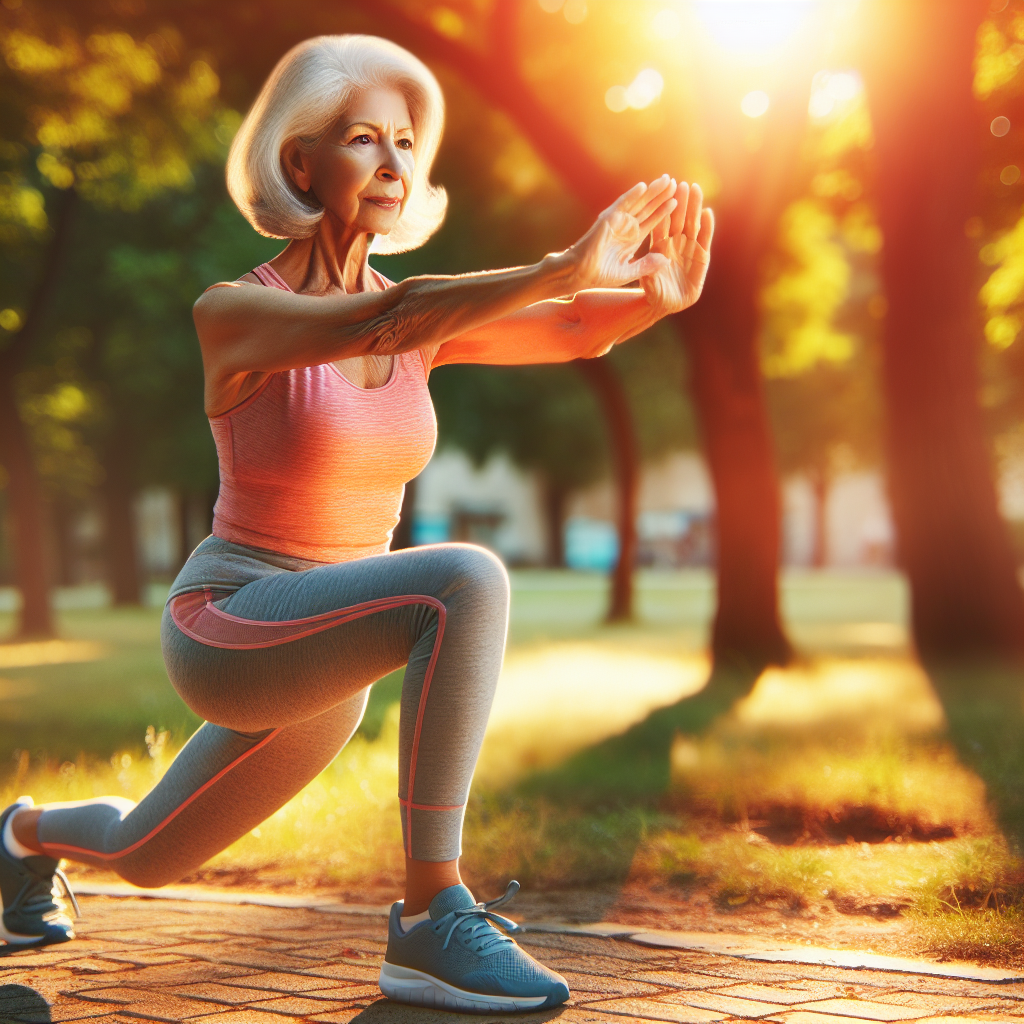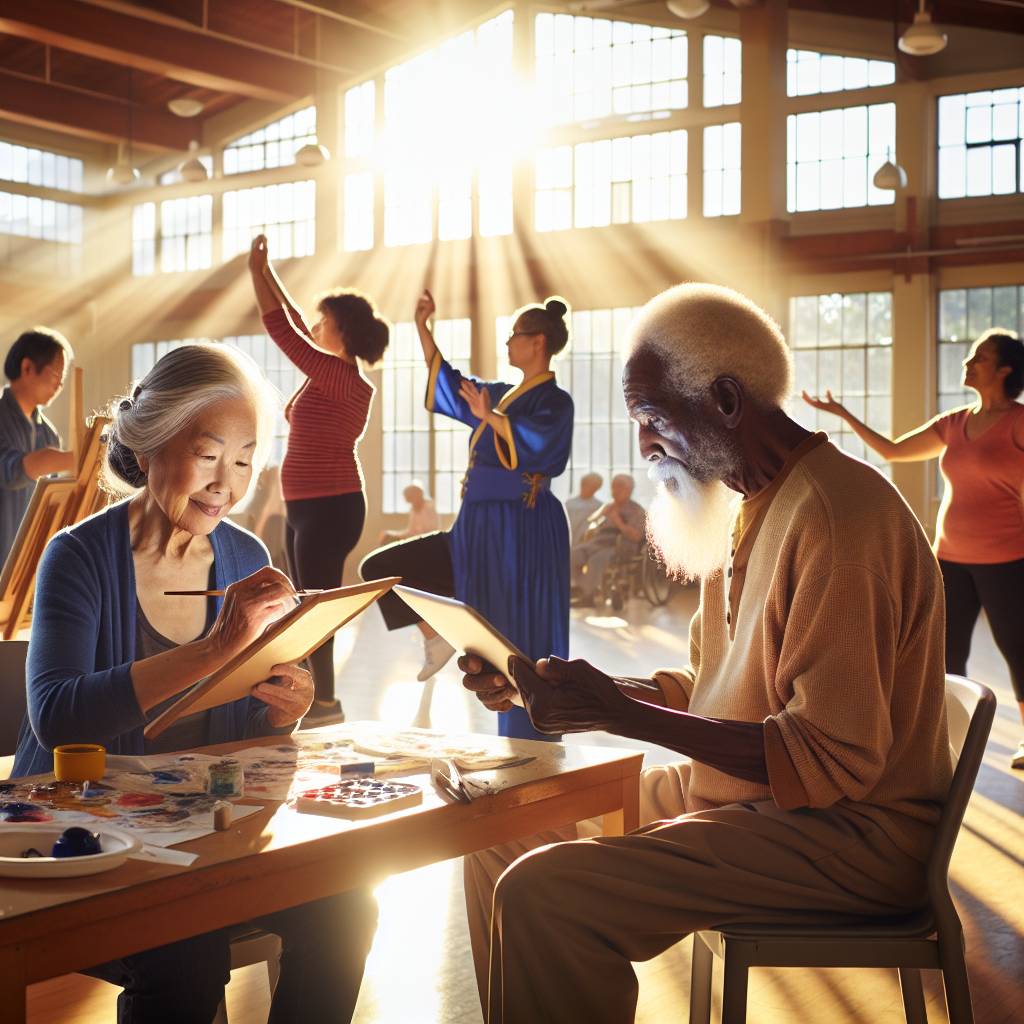
Have you ever noticed how a gentle breeze can sway a young tree, but an old oak stands firm because its roots run deep? That’s exactly what active aging yoga can do for you—it helps you build strong, flexible roots that keep you steady on your feet as the years go by.
Active aging yoga isn’t about twisting yourself into a pretzel or standing on your head. It’s a gentle, mindful approach to movement specifically designed for older adults who want to maintain their independence and vitality. Think of it as a conversation between your body and mind, where each breath and gentle stretch helps you reconnect with your strength and balance. The beauty of this practice lies in its simplicity: slow, deliberate movements that respect where your body is today while gently encouraging it to become more flexible and stable tomorrow.
Unlike high-impact exercises that can be hard on aging joints, active aging yoga meets you exactly where you are. Whether you’re already active or just starting your wellness journey, this practice adapts to your needs, making it accessible and safe for nearly everyone in their golden years.
Why Flexibility and Balance Matter More Than Ever
Let me share something that might surprise you: according to recent CDC health studies, falls are the leading cause of injury among adults over 65. But here’s the good news—most falls are preventable with the right preparation, and that’s where yoga comes in.
As we age, our bodies naturally lose some flexibility and balance. You might notice that reaching for something on a high shelf feels a bit trickier than it used to, or that standing on one foot while putting on your shoes requires more concentration. These small changes happen gradually, but they’re important signals that your body needs some extra care and attention.
Yoga addresses these changes head-on by gently working the muscles, tendons, and joints that support your balance and flexibility. When you practice regularly, you’re essentially teaching your body to be more aware of itself in space—what experts call proprioception. This heightened awareness helps you catch yourself before a stumble becomes a fall, adjust your posture naturally, and move through your daily activities with greater confidence and ease.
Beyond preventing falls, maintaining flexibility and balance through yoga supports your joint health in meaningful ways. For comprehensive guidance on active aging fitness strategies, explore additional exercises that complement your yoga practice. The gentle movements help lubricate your joints, reducing stiffness and discomfort that often accompany aging. Since yoga is low-impact, it provides all these benefits without putting excessive stress on your knees, hips, or spine—making it one of the smartest choices for long-term wellness.
Exploring Gentle Yoga Styles Perfect for Your Journey
The wonderful thing about active aging yoga is that it comes in different flavors, each offering unique benefits while remaining gentle and accessible. Let me walk you through three popular styles that seniors absolutely love.
Chair Yoga is perhaps the most accessible form of yoga for older adults, especially if balance is a concern or you have limited mobility. Just as the name suggests, you use a sturdy chair as your prop and support. Don’t let the simplicity fool you—chair yoga can be remarkably effective. You’ll do modified versions of traditional poses while seated or using the chair for balance during standing poses. It’s perfect for improving flexibility in your shoulders, spine, and hips without any worry about getting down on the floor or maintaining difficult positions. Many seniors find that chair yoga gives them the confidence to explore movement again, even if they haven’t exercised in years.
Yin Yoga takes a different approach by focusing on long, passive holds in comfortable positions. Instead of moving through flowing sequences, you’ll settle into gentle stretches and hold them for several minutes, allowing your body to gradually release tension deep in your connective tissues. Think of it as giving your body permission to slowly unwind, like melting butter on warm toast. Yin yoga is particularly beneficial for joint health and can significantly improve flexibility over time. Research from Harvard Medical School shows yoga’s positive effects extend to cardiovascular health as well. The meditative quality of holding poses also promotes deep relaxation, making it a wonderful practice for reducing stress and improving sleep.
Restorative Yoga is all about deep rest and healing. Using props like blankets, bolsters, and blocks, you’ll create comfortable positions that support your body completely, allowing you to relax fully without any effort. A typical restorative yoga class might include only four or five poses held for 10-15 minutes each. This style is especially valuable if you’re recovering from illness, managing chronic pain, or simply need to restore your energy. The safety factor here is incredibly high because you’re fully supported in every pose, making injury nearly impossible.
The Life-Changing Benefits of Active Aging Yoga
When my friend Margaret started practicing yoga at 68, she told me she was skeptical. “How could stretching and breathing make such a big difference?” she wondered. Six months later, she was walking her grandchildren to the park without stopping to rest, gardening without knee pain, and sleeping better than she had in a decade. Margaret’s experience isn’t unique—it reflects the profound benefits that active aging yoga brings to countless seniors.
Improved mobility might be the most noticeable benefit you’ll experience. Those everyday movements that have become challenging—bending down to tie your shoes, reaching into upper cabinets, turning to look behind you while driving—become easier as your flexibility increases. Your range of motion expands gradually, opening up possibilities you may have thought were behind you. One student in my community shared that after three months of regular practice, she could finally play on the floor with her toddler grandson, something she’d missed terribly.
Enhanced balance is where the magic really happens in terms of preventing falls. Poses that challenge your balance, even gently, train the small stabilizing muscles throughout your body. Your ankles become stronger, your core engages more naturally, and your reflexes sharpen. You’ll notice this improvement not just during yoga practice, but throughout your day—walking on uneven sidewalks, navigating icy conditions, or simply moving around your home becomes safer and more confident.
The mental well-being benefits deserve special attention because they’re just as important as the physical ones. Yoga isn’t just about moving your body; it’s about connecting your breath, movement, and mind. The breathing techniques you’ll learn help activate your body’s natural relaxation response, reducing stress hormones and promoting a sense of calm. Many seniors report that their yoga practice helps them feel more present and less anxious about aging. Combining yoga with other benefits of active aging creates a comprehensive wellness approach that enhances both mental and physical health. The mindfulness aspect—paying attention to the current moment without judgment—can be particularly powerful for managing worry and improving overall mood.
Yoga also gently builds strength without the need for heavy weights or intense workouts. Holding poses, even simple ones, requires your muscles to engage and work. Over time, this builds functional strength—the kind you actually use in daily life. Your legs become stronger for climbing stairs, your arms gain endurance for carrying groceries, and your core stabilizes your entire body for better posture and reduced back pain.
Keeping Safety at the Heart of Your Practice
While active aging yoga is remarkably safe, approaching it mindfully ensures you get all the benefits without any setbacks. Think of these safety considerations as your personal guidelines for a sustainable practice.
First and most important: listen to your body. This might sound simple, but it’s profound. Yoga should never hurt. You might feel stretching sensations—that’s normal and healthy—but sharp pain, pinching, or discomfort in your joints means you should ease back or modify the pose. Your body has wisdom, and pain is its way of setting boundaries. Respect those boundaries every single time.
Practice within your personal limits, which might vary from day to day. Some mornings you’ll feel flexible and strong; other days you might be stiffer or more tired. That’s completely normal. Yoga isn’t about achieving perfect poses or keeping up with anyone else. It’s about honoring where you are today and working gently with your body’s current capacity.
Before starting any new exercise routine, including yoga, consult with your healthcare provider, especially if you have existing health conditions like osteoporosis, heart disease, or recent surgeries. Your doctor can offer specific guidance about which movements to approach carefully or avoid. This consultation isn’t a formality—it’s an important step in creating a practice that truly serves your health.
Creating a safe practice environment matters more than you might think. Use a high-quality, non-slip yoga mat if you’re practicing on the floor. Keep a sturdy chair nearby for support, even if you don’t think you’ll need it. Make sure your practice space is well-lit and free of clutter or tripping hazards. Having props like blocks, straps, and blankets within reach allows you to modify poses as needed without interruption.
Consider starting with a qualified instructor who has experience teaching seniors. If you’re exploring active aging programs, look for those that offer gentle yoga options tailored to your specific needs and fitness level. While home practice is wonderful, having expert guidance initially helps you learn proper alignment and modifications. Many community centers, senior centers, and yoga studios offer classes specifically designed for older adults, and online options have expanded tremendously in recent years.
Simple Poses to Get You Started
Let’s explore a few foundational poses that beautifully illustrate how active aging yoga supports flexibility and balance. These poses are gentle, accessible, and incredibly effective when practiced regularly.
Cat-Cow Stretch is a flowing movement perfect for warming up your spine. Start on your hands and knees (or adapt this in a chair by placing hands on thighs). As you inhale, gently arch your back and lift your gaze slightly—that’s Cow Pose. As you exhale, round your spine and tuck your chin—that’s Cat Pose. Flow between these two positions five to ten times, moving with your breath. This simple exercise improves spinal flexibility, relieves back tension, and teaches you to coordinate breath with movement. It’s so gentle that you can do it every morning to help your back feel more mobile throughout the day.
Tree Pose is wonderful for building balance and focus. Stand near a wall or sturdy chair for support. Shift your weight onto your left foot and lift your right foot, placing it either against your left ankle, calf, or inner thigh (never directly on the knee). You can keep your toes touching the ground if lifting your foot feels unstable. Bring your hands to prayer position at your heart or rest them on your support. Hold for 20-30 seconds, then switch sides. This pose strengthens your standing leg, improves concentration, and gradually builds the balance skills that keep you steady in daily life. The beauty of Tree Pose is that even the attempt to balance provides benefits—you don’t need to hold it perfectly to gain from the practice.
Seated Forward Bend offers a gentle stretch for your entire back body—spine, shoulders, hamstrings, and calves. Sit on the edge of a chair or on the floor with legs extended (you can bend your knees as much as needed). As you exhale, slowly hinge forward from your hips, reaching your hands toward your feet, shins, or knees—wherever they comfortably land. Let your head relax and breathe deeply for 30-60 seconds. This pose improves flexibility in your hamstrings and lower back while promoting relaxation through the forward fold.
You can practice these poses at home during your morning routine or evening wind-down. Even better, consider joining a gentle yoga class where you can practice alongside others and receive guidance from an experienced teacher. The social aspect often makes the practice more enjoyable and sustainable.
Building Your Regular Practice Routine
Here’s a truth about yoga that mirrors life itself: consistency matters more than intensity. Practicing for 20 minutes three times a week will bring you far greater benefits than an occasional hour-long session once a month.
Start by choosing a realistic schedule that fits your lifestyle. Maybe it’s Tuesday, Thursday, and Saturday mornings after breakfast, or perhaps Monday, Wednesday, and Friday evenings before dinner. The specific days matter less than the regularity of showing up for yourself. Even starting with two sessions per week can make a significant difference in how you feel.
Create a simple routine that you genuinely enjoy. You might begin with five minutes of breathing exercises, move through five or six gentle poses, and end with a few minutes of relaxation. For additional inspiration, explore these active aging activities that complement your yoga practice. As your comfort and confidence grow, you can gradually extend your practice time or explore new poses.
Many seniors find that morning practice energizes them for the day ahead, while evening practice helps them unwind and sleep better. Experiment to discover what feels best for your body and schedule. There’s no wrong answer—the best time for yoga is whenever you’ll actually do it.
Consider keeping a simple journal about your practice. Note how you feel before and after each session, which poses you enjoyed, and any improvements you notice in your daily life. This record can be incredibly motivating when you look back and see how far you’ve come. It also helps you tune into patterns—perhaps you discover that you feel more flexible in the afternoons, or that certain poses really help with specific aches and pains.
The Power of Community and Connection
While home practice is valuable, there’s something special about practicing yoga with others. When you join a group class or find a yoga partner, you tap into a powerful source of motivation, support, and joy.
The social interaction itself offers tremendous benefits for emotional health and cognitive function. Sharing the yoga experience creates natural connections with others who are on similar journeys. You’ll exchange tips, celebrate each other’s progress, and provide encouragement on challenging days. Many lasting friendships have been born in yoga classes, creating social connections that extend well beyond the mat.
Practicing with others also introduces a gentle sense of accountability. When you know your yoga buddies are expecting to see you, you’re more likely to show up, even on days when motivation is low. This isn’t about pressure—it’s about positive support that helps you maintain consistency.
Group classes led by experienced instructors offer learning opportunities you can’t replicate at home. You’ll discover new poses, receive personalized modifications, and benefit from the instructor’s watchful eye ensuring you’re practicing safely. The structured environment of a class also helps you carve out dedicated time for self-care, making it easier to prioritize your wellness.
Many seniors report that the sense of community in yoga classes provides a renewed sense of purpose and belonging. In a culture that sometimes overlooks older adults, finding a community that celebrates and supports your journey toward wellness can be genuinely transformative.
If in-person classes aren’t accessible or comfortable for you, online communities and virtual classes have become wonderful alternatives. You can connect with other practitioners worldwide, join live-streamed classes, or follow recorded sessions at your own pace—all while building connections that enhance your practice and your life.
Embracing Your Path to Staying Steady
As we’ve explored together, active aging yoga offers so much more than just physical exercise. It’s a holistic practice that strengthens your body, calms your mind, and connects you with a supportive community. The gentle poses and mindful breathing techniques work together to improve your flexibility, enhance your balance, and help you move through life with greater confidence and ease.
Starting this journey doesn’t require special equipment, exceptional fitness, or years of experience. It simply requires a willingness to show up for yourself, to move gently and mindfully, and to trust that small, consistent efforts create meaningful change over time.
Remember Margaret, who was skeptical at first? She recently celebrated her 70th birthday by leading her grandchildren on a nature hike—something she once thought impossible. That’s the promise of active aging yoga: not returning to who you were decades ago, but discovering new strength, stability, and vitality right now, exactly as you are.
At SilverSmart, we believe retirement should be a journey of continuous growth and discovery. Active aging yoga embodies this philosophy perfectly—it’s a practice that evolves with you, offering new insights and benefits at every stage. Through personalized approaches that honor your unique needs and preferences, combined with the power of community connection, you can build a practice that truly supports your vision of thriving in your golden years.
Your path to staying steady on your feet begins with a single breath, a single stretch, a single moment of showing up for yourself. Why not take that first step today? Your future self—balanced, flexible, and confidently moving through life—will thank you for it.